
Tattoos & Onsen
Everything you need to know about visiting Japanese hot springs with tattoos
Tattoo Policies in Our Database
483Allowed
155Conditional
440Not Allowed
3231Unknown
Tattoo Policy Map
Explore onsen across Japan color-coded by their tattoo policy. Based on data in our database.
Loading map…
Where the Tattoo-Friendly Onsen Are
Prefectures with the most onsen we've recorded as tattoo-friendly (allowed or conditional).
Oita
139
Hyogo
42
Nagano
39
Shizuoka
36
Gunma
33
Hokkaido
32
Tokyo
26
Tochigi
21
Tattoo-Friendly Picks
A handful of onsen from our catalog that welcome tattooed bathers.

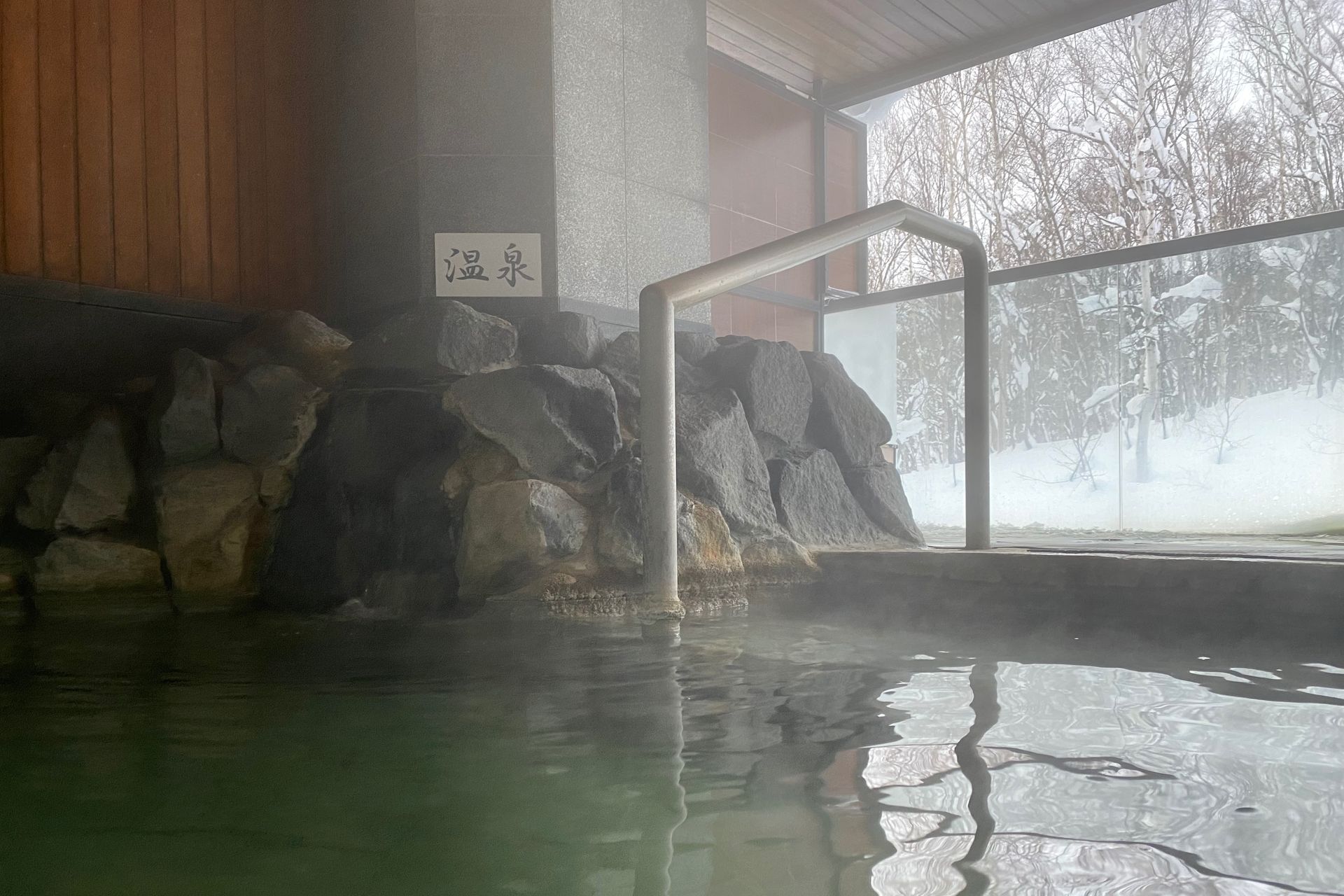

Niseko Konbu Onsen Hotel Kanro no Mori is a hot-spring facility in Niseko, Hokkaido in the ニセコ昆布温泉 hot-spring area, and a member of the Niseko Yumeguri Meijin (ニセコ湯めぐり名人) hot-spring stamp rally. Day-use bathing is available.
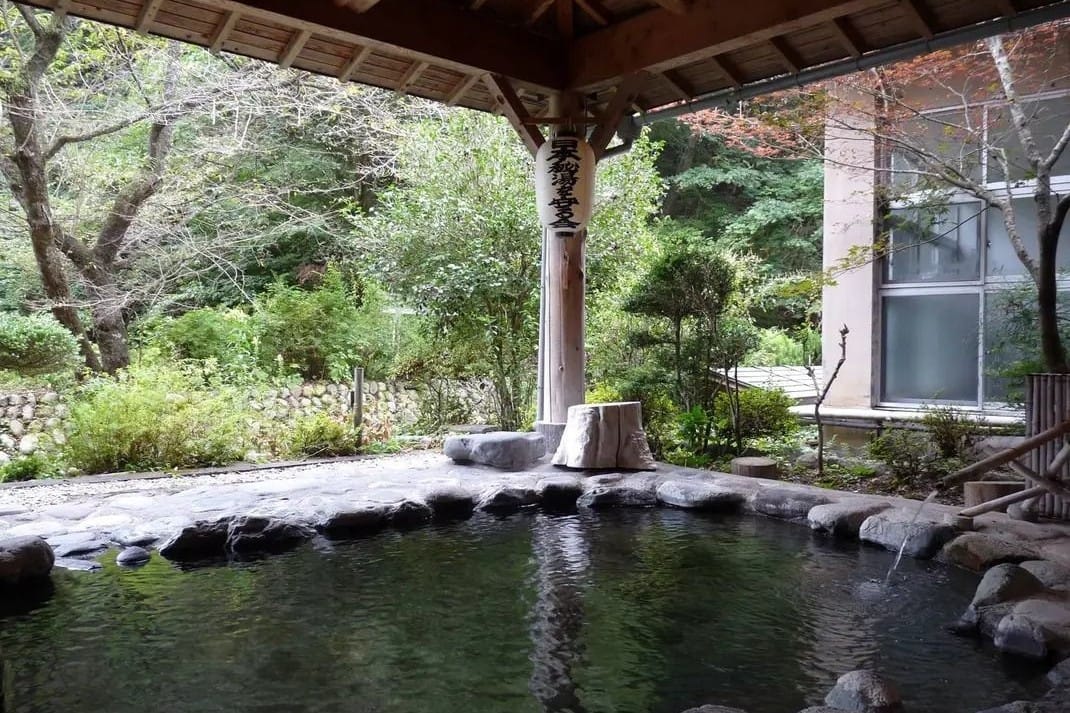
A tiny one-inn ryokan on Gunma's Kariganesawa river, known for a lukewarm, faintly sulfurous spring you bathe in unheated, straight from the riverbed.
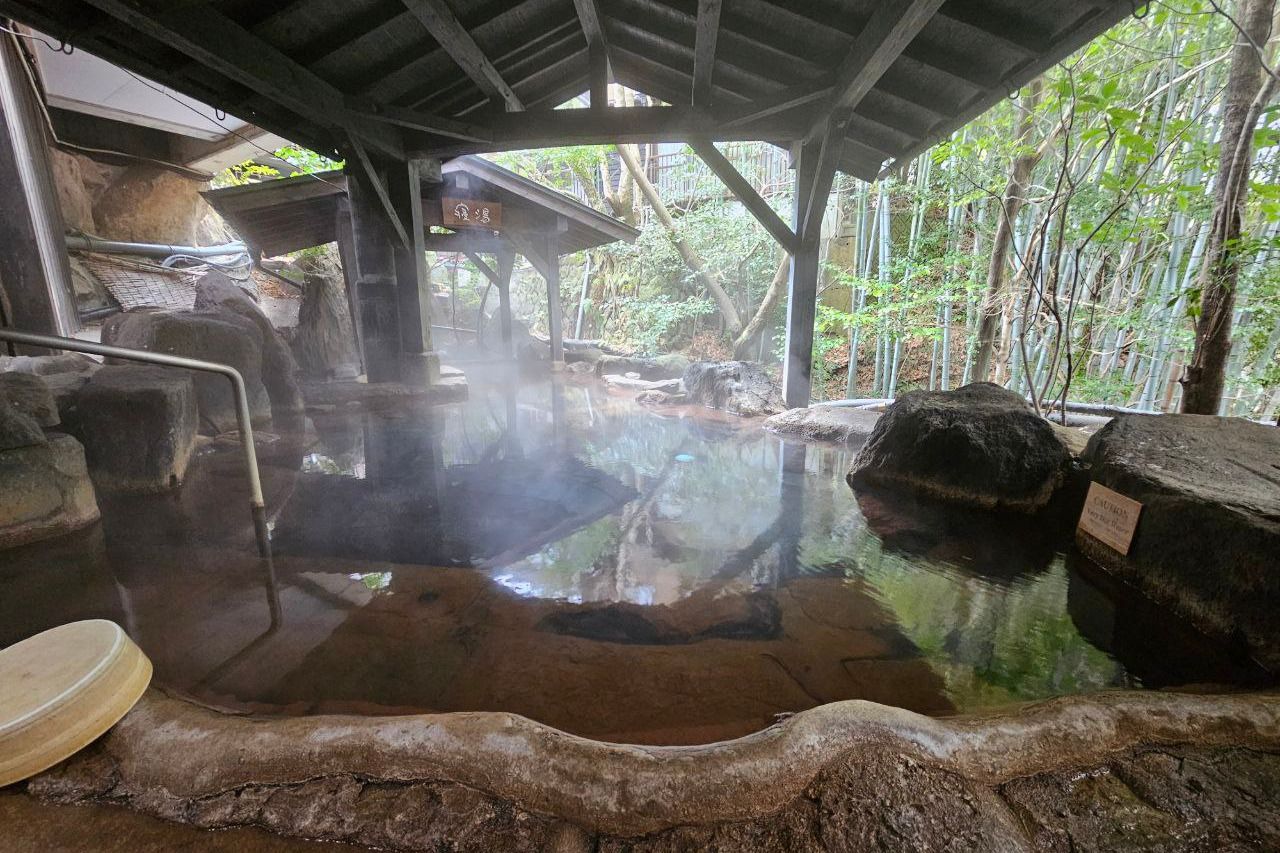

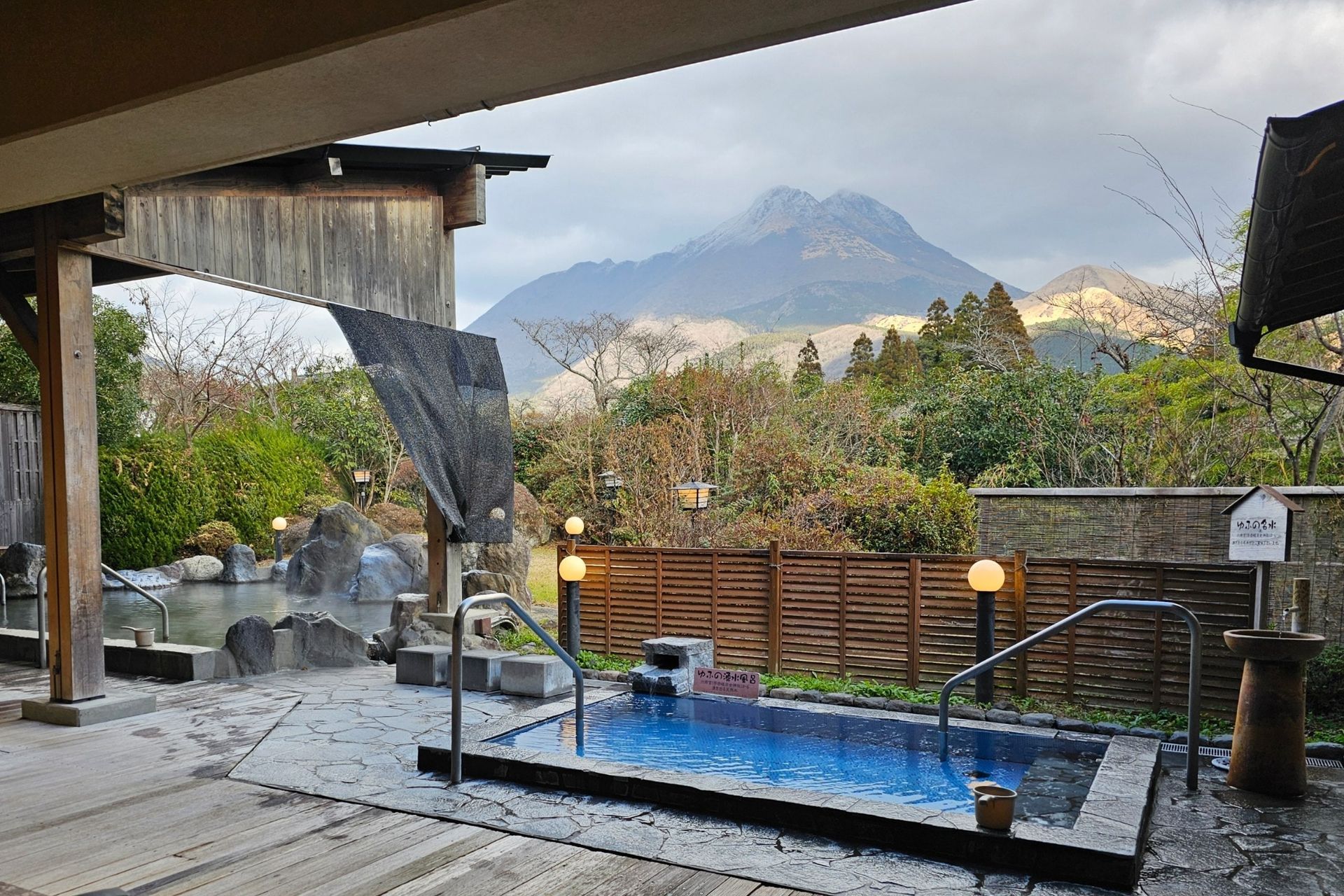

A historic Yufuin ryokan founded in 1911, with panoramic views of Mt. Yufu. Tattoos are welcome.
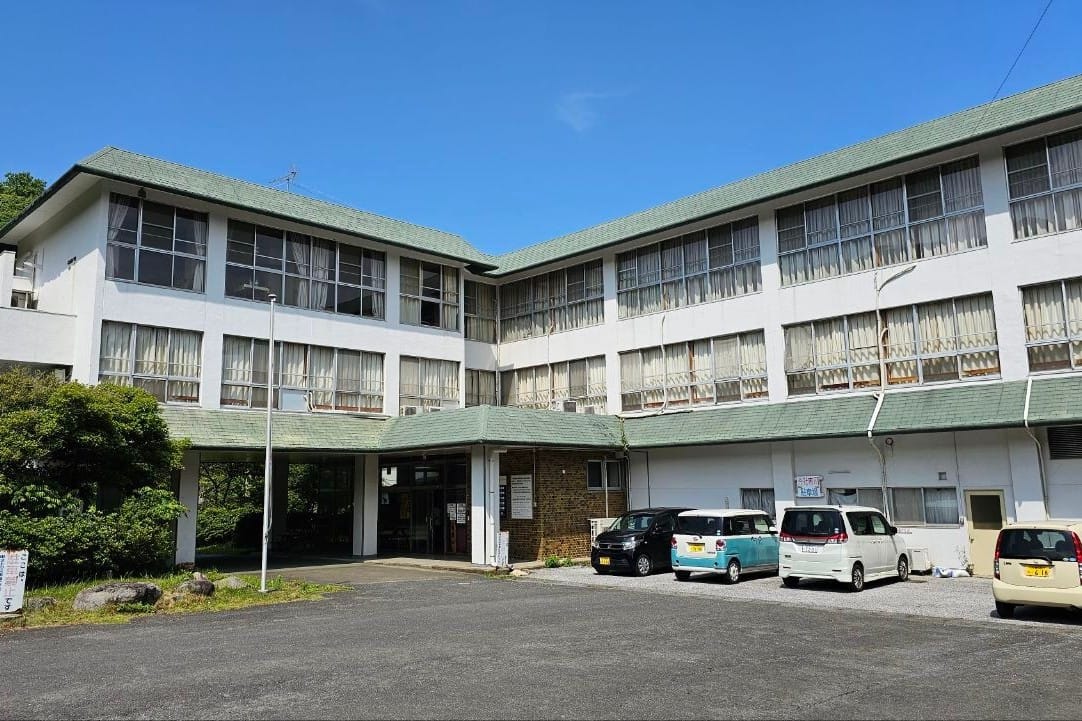

This is a mineral mud hot spring that wells up from underground. The mineral mud, produced only under the three major conditions of moderate steam, corrosive clay layers, and mineral water, is a rare and precious hot spring directly connected to the hells. This mud, which has risen after a long time from the center of the earth, is so fine that it becomes a mist-like powder when dried. It has a heavier specific gravity and greater buoyancy than ordinary hot springs, so you can enjoy a mysterious floating sensation when soaking.
What To Do
Research First
Before visiting an onsen, check their tattoo policy. Many facilities now publish this information on their website. Our map above shows onsen we've collected policy data for, and green dots mark places where tattoos are welcome.
Ask Politely
If you can't find the policy online, call ahead or ask at the front desk. Use the Japanese phrases below. Staff appreciate the effort, and many will accommodate you even if tattoos aren't officially allowed.
Book a Private Bath
Many onsen offer kashikiri (貸切風呂), private baths that can be reserved for individuals, couples, or small groups. These are a guaranteed option regardless of tattoo policy and let you have the onsen to yourself.
If You're Refused
Accept the decision gracefully. Onsen staff are following their facility's rules, not making a personal judgment. Thank them, and try another facility. Japan has thousands of onsen, so there's always another one to discover.
Policies by Facility Type
Sento (Public Bathhouses)
Sento are neighborhood public bathhouses that serve an essential community role. Because they operate as public utilities rather than leisure businesses, they tend to maintain more inclusive policies and are generally the most welcoming option for tattooed visitors. While individual policies vary, many sento (especially in urban areas) will accept guests with tattoos.
Super Sento & Spa Complexes
Large commercial bathing facilities like super sento and spa complexes are private businesses that can set their own entry rules. Most prohibit tattoos, and they tend to enforce the policy more strictly than smaller establishments. Some allow entry if tattoos are covered with stickers or bandages, so check their website or call ahead.
Ryokan & Hotels
Guests staying overnight at a ryokan or hotel can usually use the baths without issues, though some facilities mention tattoo restrictions in their rules. Private baths (kashikiri buro) are widely available at ryokan and are always an option regardless of policy. When booking, it's worth contacting the facility in advance to confirm their stance on tattoos.
Cover Stickers & Products
Many onsen with conditional policies will admit tattooed guests if tattoos are covered. Purpose-made cover stickers are the most common solution.
Popular Products
- CAXEL: waterproof skin-colored patches in various sizes. The most widely recommended brand. Amazon.co.jp
- Tattoo Cover AQUA: transparent waterproof sheets that work well in hot water. Amazon.co.jp
- Foundation Tape: skin-tone adhesive tape, good for larger areas. Amazon.co.jp
Where to Buy
Cover stickers are available at Don Quijote (ドン・キホーテ) stores nationwide, drugstores like Matsumoto Kiyoshi, Amazon.co.jp, and some convenience stores near hot spring resort areas. It's best to buy them before your trip, since availability near specific onsen is not guaranteed.
Usage Tips
- 1Apply to clean, dry skin at least 30 minutes before bathing.
- 2Make sure the sticker extends beyond the tattoo edges by at least 1cm.
- 3Press firmly and smooth out any air bubbles.
- 4Bring extras; you may need to reapply between baths.
Useful Japanese Phrases
These phrases will help you communicate with onsen staff about your tattoos
Are tattoos OK?
タトゥーは大丈夫ですか?
Tatū wa daijōbu desu ka?
I have a tattoo. Is that OK?
タトゥーが入っているのですが、大丈夫でしょうか?
Tatū ga haitte iru no desu ga, daijōbu deshō ka?
I have a small tattoo. Is that OK?
小さなタトゥーがあります。大丈夫ですか?
Chīsana tatū ga arimasu. Daijōbu desu ka?
Do you have tattoo cover stickers?
タトゥーシールはありますか?
Tatū shīru wa arimasu ka?
If I cover my tattoo, can I enter?
タトゥーを隠したら、入れますか?
Tatū wo kakushitara, hairemasu ka?
Do you have a private bath?
貸切風呂はありますか?
Kashikiri buro wa arimasu ka?
I'd like to reserve a private bath
貸切風呂を予約したいのですが
Kashikiri buro wo yoyaku shitai no desu ga
I'm sorry, I didn't know
すみません、知りませんでした
Sumimasen, shirimasen deshita
I understand. Thank you.
わかりました。ありがとうございます。
Wakarimashita. Arigatō gozaimasu.
Cultural Tips
It's Not Personal
Japan's tattoo restrictions at onsen stem from historical associations with organized crime (yakuza), not prejudice against foreign visitors. The policy is changing, slowly but steadily, as Japan welcomes more international tourists.
Attitudes Are Evolving
The Japan Tourism Agency has encouraged onsen to accommodate tattooed visitors, and many facilities have relaxed their rules in recent years. Urban and tourist-area onsen tend to be more accepting than rural traditional establishments.
Be Discreet
Even at tattoo-friendly onsen, keeping a low profile is appreciated. Avoid drawing attention to your tattoos, and follow all other bathing etiquette: wash thoroughly before entering the bath, keep towels out of the water, and be quiet and respectful.
Small Tattoos May Be Fine
Some onsen only restrict large or visible tattoos. A small, easily covered tattoo may go unnoticed or be tolerated. When in doubt, ask first.