
Beppu Onsen
別府温泉郷Eight distinct onsen districts (Beppu Hatto) — Kannawa, Myoban, Kankaiji, Hamawaki, Kamegawa, Horita, Shibaseki, central Beppu — and more spring sources than any other city in Japan.
The town that learned to live on steam
Beppu's springs were written about as early as the Nara period, but the city as a bathing destination is much younger. Through the Edo era the eight districts were eight villages, each with its own headman and its own way of using the heat: Kannawa cooked food on the ground steam, Myoban harvested crystals from sulfur vents, Hamawaki built communal saltwater baths along the shore.
When the Nippo rail line reached Beppu in 1911 the city began advertising itself nationally. The wooden Takegawara Bathhouse, still operating and still buried in volcanic sand, opened the same decade. The phrase Beppu Hatto (別府八湯, "eight hot waters") existed long before, but the modern usage as one bathing brand was standardized in the postwar tourism push, and formalized in 2001 when the city launched the Beppu Hatto Onsen-do stamp program.
Each spring, in early April, the city throws the Beppu Hatto Onsen Matsuri (別府八湯温泉まつり): five days of fire, water-splashing, and bath rituals across all eight districts (festival site linked at the bottom of this page).
Beyond the bath: the Seven Hells
Not all of Beppu's water is for soaking. The city's jigoku (地獄, "hells") are spring vents too hot or too mineral-saturated to enter, so they're visited instead. Seven sites form the official tour, most within walking distance of Kannawa station: a cobalt-blue pond (海地獄 Umi Jigoku), a blood-red pool of iron oxide (血の池地獄 Chinoike Jigoku, mentioned in the 8th-century Bungo Fudoki), a clockwork geyser that erupts every 30–40 minutes (龍巻地獄 Tatsumaki Jigoku), and four others. Umi, Chinoike, and Tatsumaki are designated National Places of Scenic Beauty.
Jigoku Meguri is the textbook tourism circuit and a perfectly good half-day if you've already had your morning soak. Combo tickets are sold at any of the seven entrances.
Food cooked by the earth
In Kannawa, the steam is also a kitchen. The same vents that drive the bathhouses cook jigoku-mushi (steamed seafood, vegetables, eggs) at restaurants and rentable steam boxes throughout the district. Don't skip the onsen tamago (eggs poached slowly in mineral water) sold at almost every bathhouse entrance, or the city's other regional dish: toriten, lightly battered chicken with a citrus-soy dip.
Getting there
For international visitors, Oita Airport (OIT) on the Kunisaki Peninsula is the closest: a 45-minute limousine bus runs straight from the terminal into central Beppu. Fukuoka Airport (FUK) is the bigger gateway with more international connections; from there it's about two hours to Beppu, either by direct highway bus (Sunkyu Bus / Nishitetsu) or by the Sonic limited express train via Kokura.
Within Japan, Beppu Station is the Kyushu end of the JR Nippo Main Line. From Tokyo, take the Tokaido / Sanyo Shinkansen to Kokura then the Sonic limited express (≈ 6 hours total). From Osaka, the same route is ≈ 4.5 hours. Around town, the Kamenoi bus network covers all eight districts; buy a one- or two-day pass at the tourist info desk inside the station. Yufuin and Kurokawa Onsen are easy day trips, both linked under "Nearby" below.
Editor's picks
20 placesHand-picked by our editors, grouped by district. Each entry includes a tagline plus a short paragraph explaining what makes it worth your time.
Beppu Station Area
5
The central district around Beppu Station, packed with historic public baths and unique experiences within walking distance.
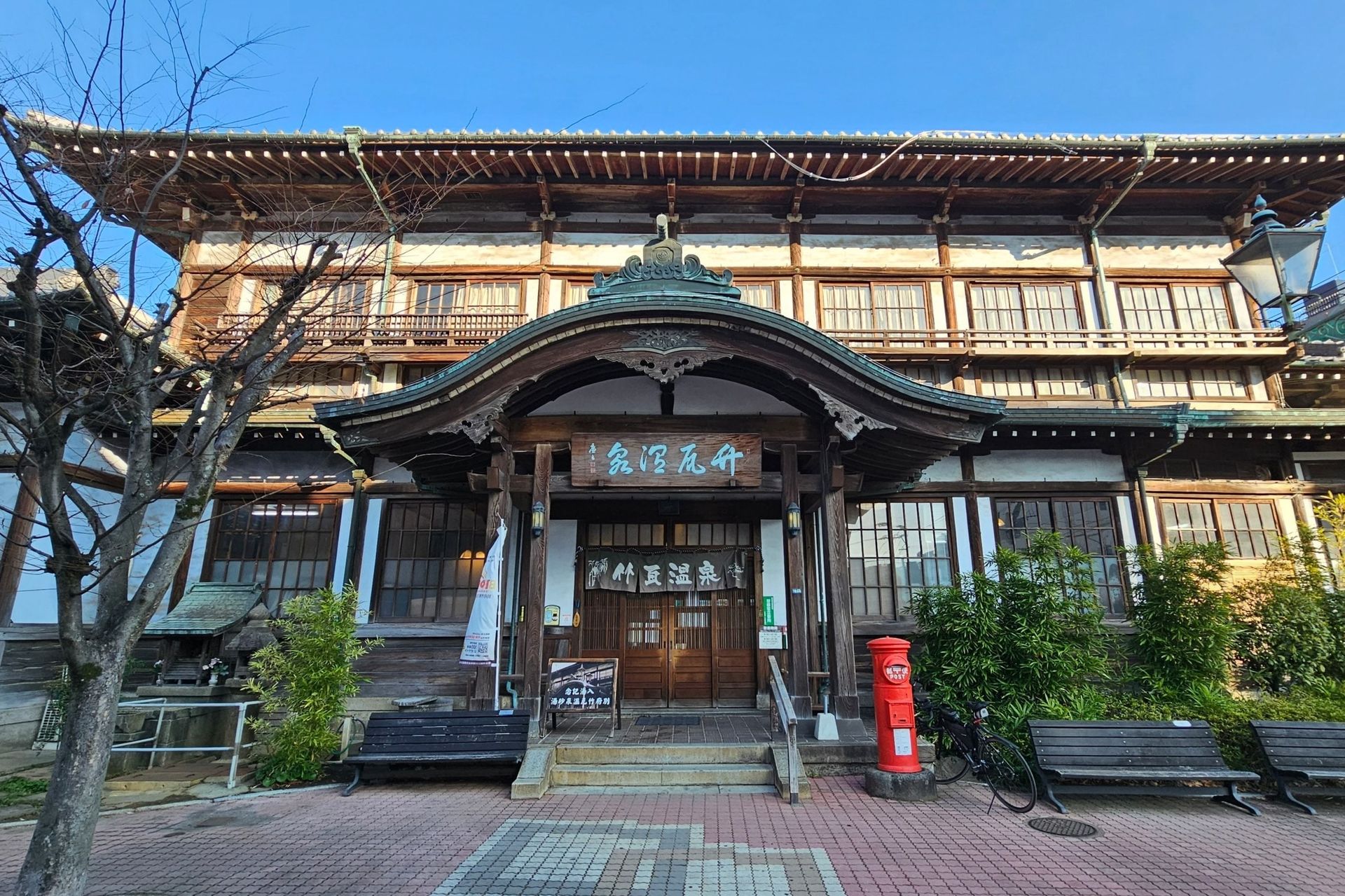
竹瓦温泉
Iconic sand bath in a 1938 shrine-like wooden building
Originally opened in 1879, Takegawara is Beppu's most recognizable bathhouse, a grand wooden structure with a karahafu shrine-style gable that visitors often compare to the world of Spirited Away. The main draw is the sunayu sand bath: staff bury you in naturally heated volcanic sand for 15 minutes, producing an intense, full-body warmth that conventional baths can't match. The regular bath costs just ¥300, while the sand bath is ¥1,500 including yukata rental. Arrive early on weekends, slots fill fast. Tattoo-friendly.
View place details→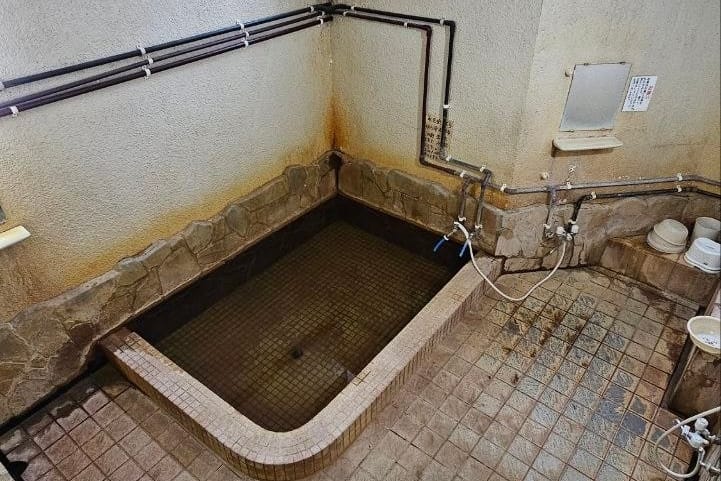
駅前高等温泉
Taisho-era bathhouse with a distinctive German-style steepled roof
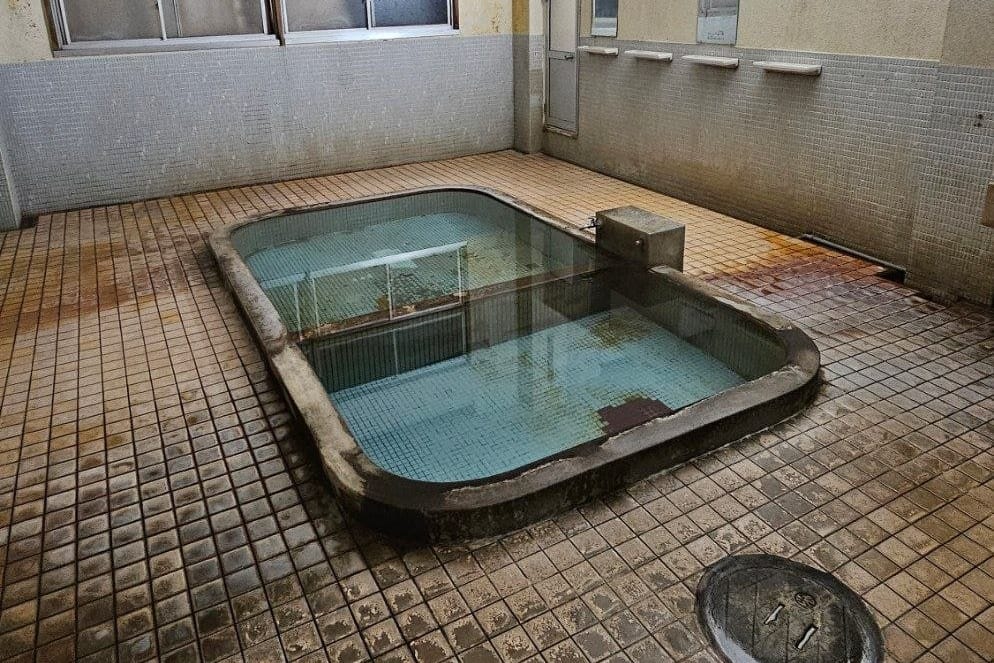
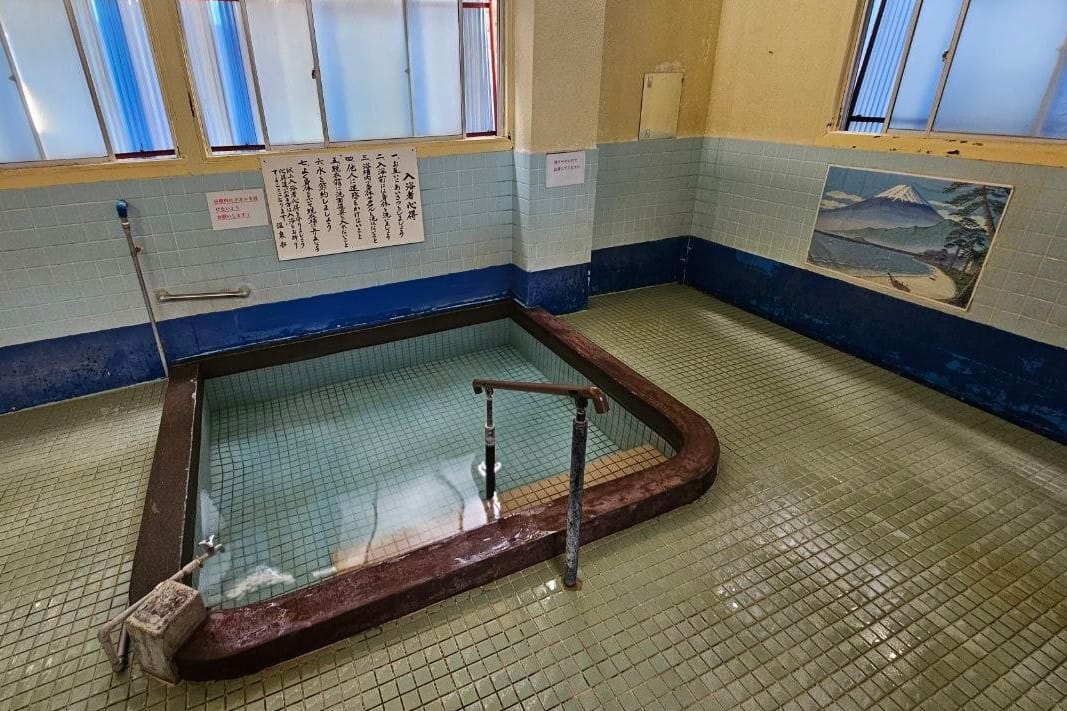
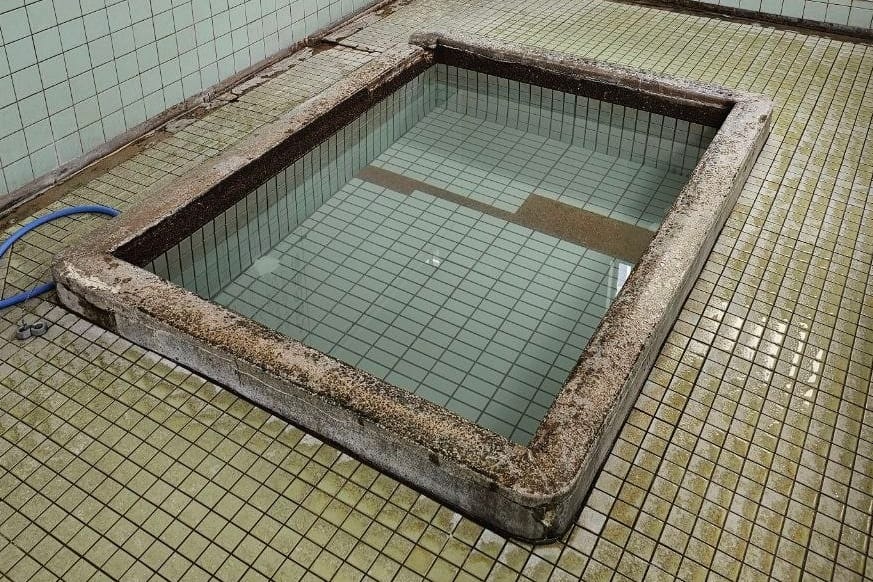
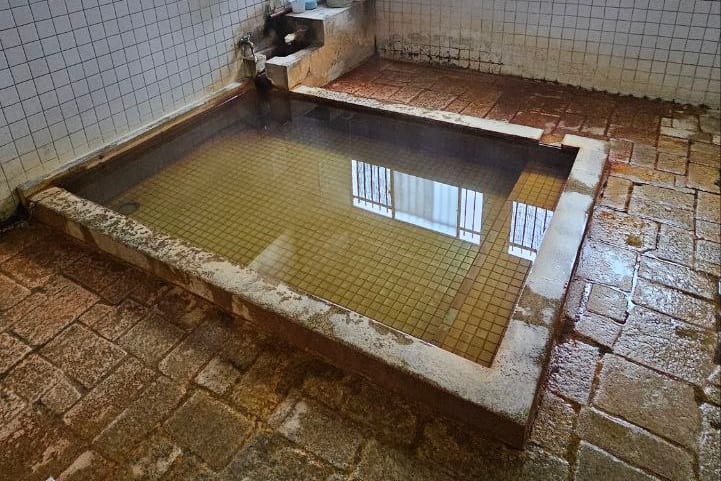
Built in 1924 through neighborhood fundraising, this is a time-capsule bathhouse with a white-and-green steepled roof that looks wonderfully out of place among modern surroundings. The interior doubles down on the retro feel: baths are visibly stained from a century of mineral-rich water, and the original two-tier system remains, a 'high-grade' bath at 44.5°C and a regular bath that runs significantly hotter at 48°C. Budget overnight lodging is available upstairs, a rare chance to sleep in a piece of Taisho-era architecture. Tattoo-friendly.
View place details→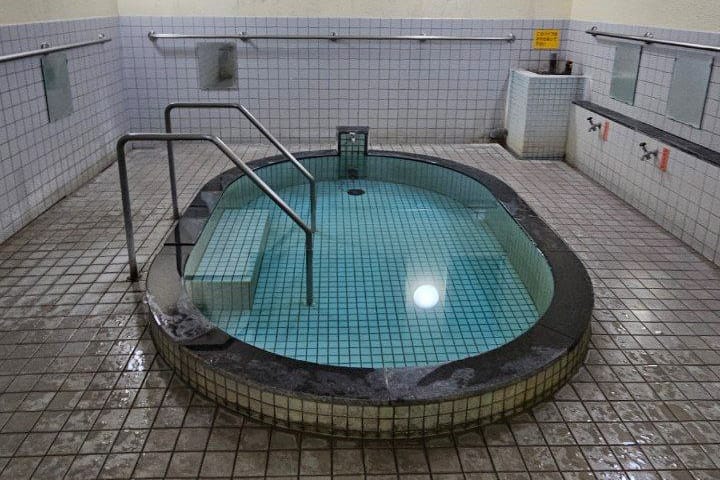
此花温泉
A ¥100 neighborhood sento beloved by locals
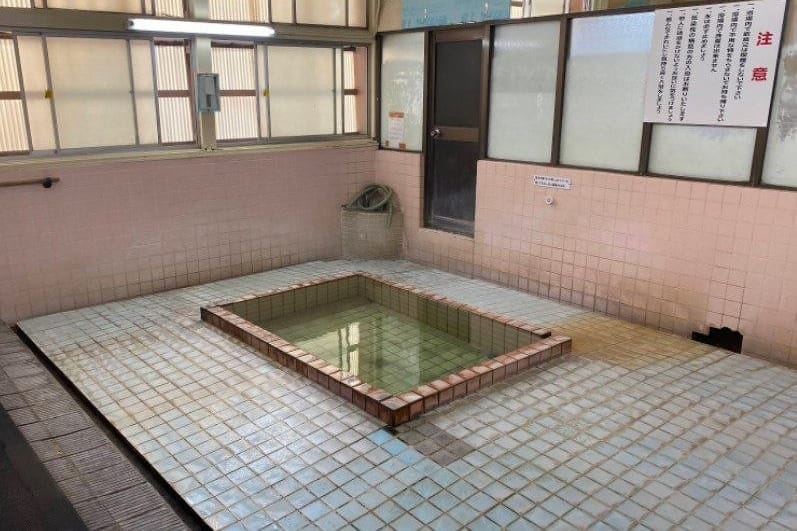
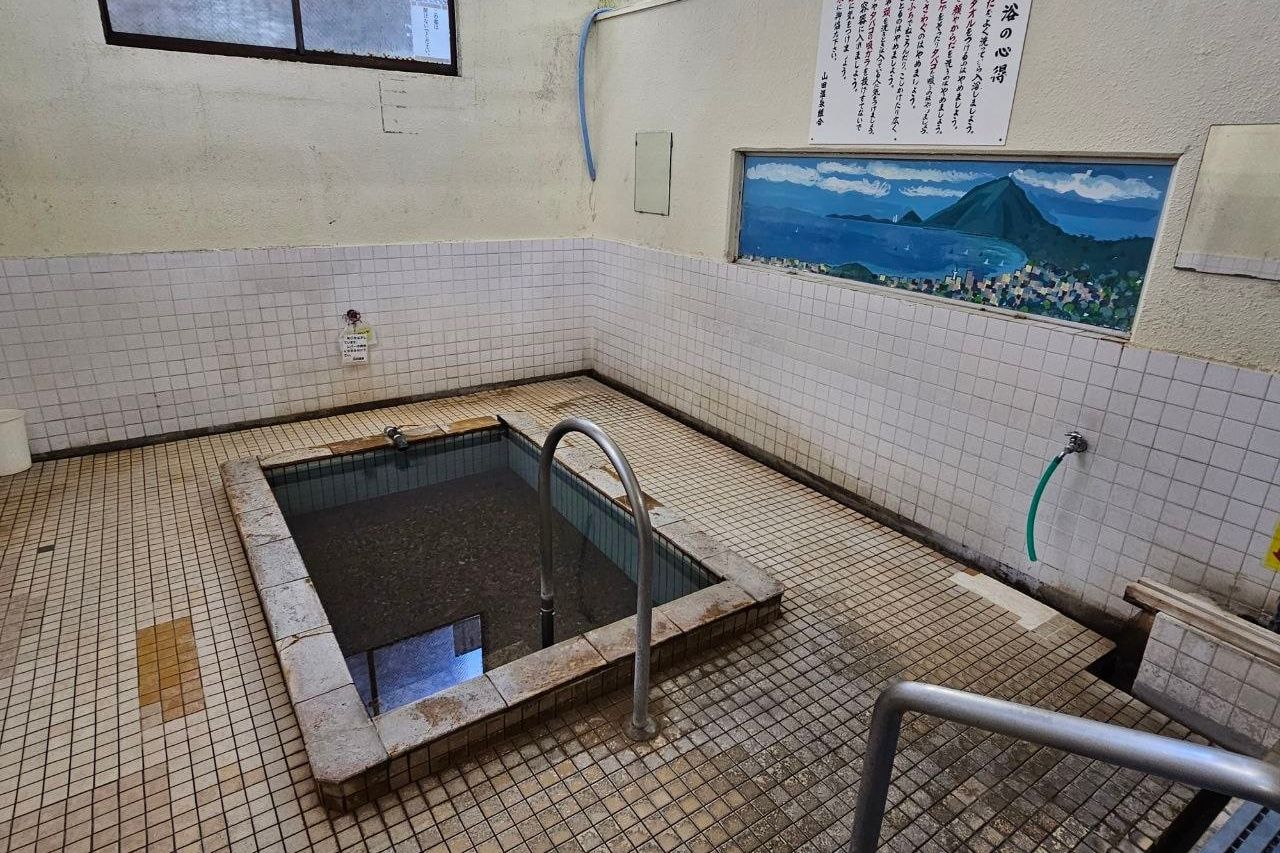
A small, impeccably maintained neighborhood jimoto sento tucked into a residential street, entry just ¥100. The water is mild simple hot spring water (tanjun onsen) suited to daily bathing, and the regulars treat it as their communal living room. The building follows the classic Beppu pattern: bath on the ground floor, community hall above. The friendly, conversational atmosphere between locals and staff is as much a draw as the bath itself.
View place details→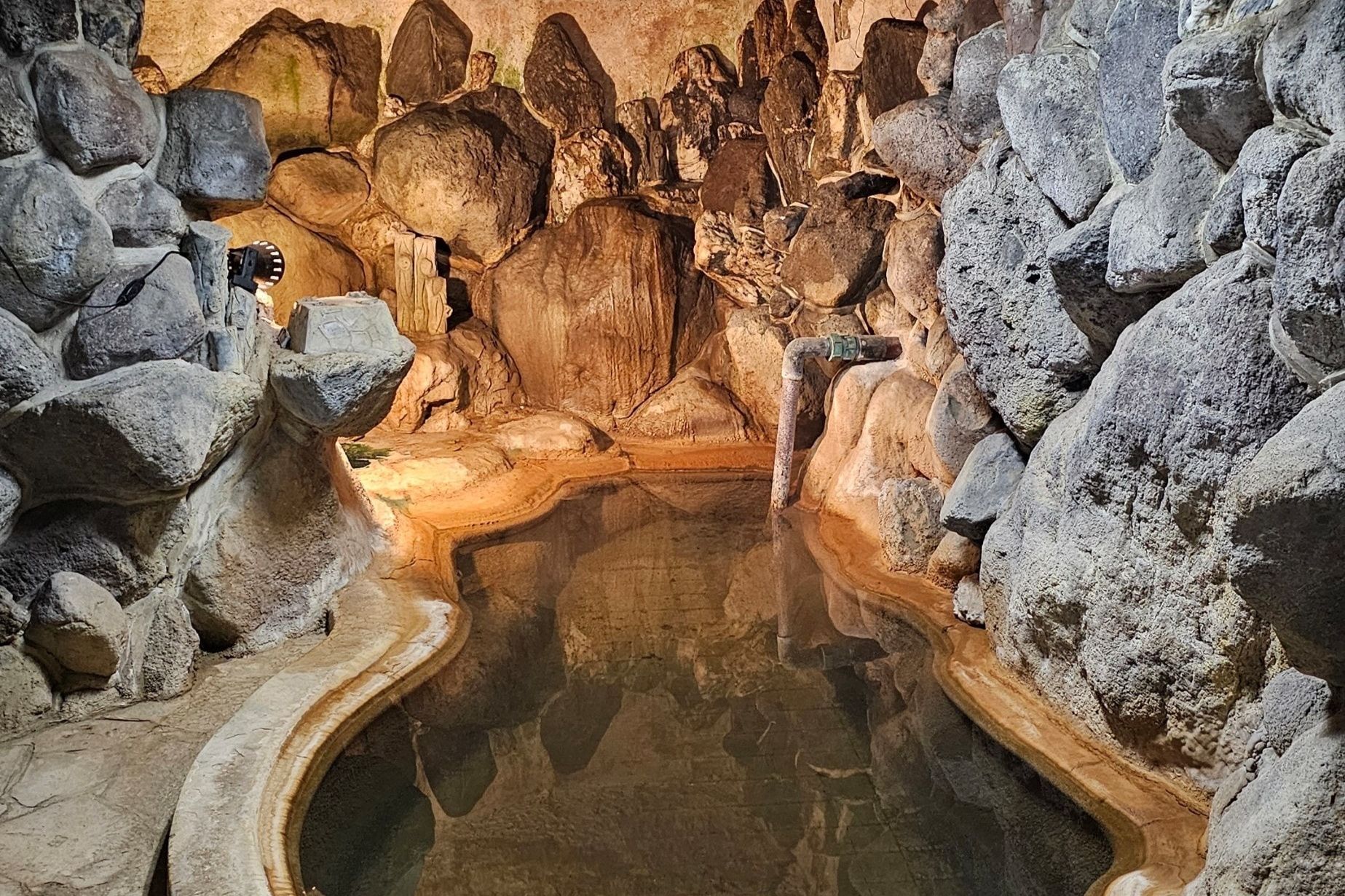
別府のお宿 加賀屋
Cave-like private baths in the heart of the city
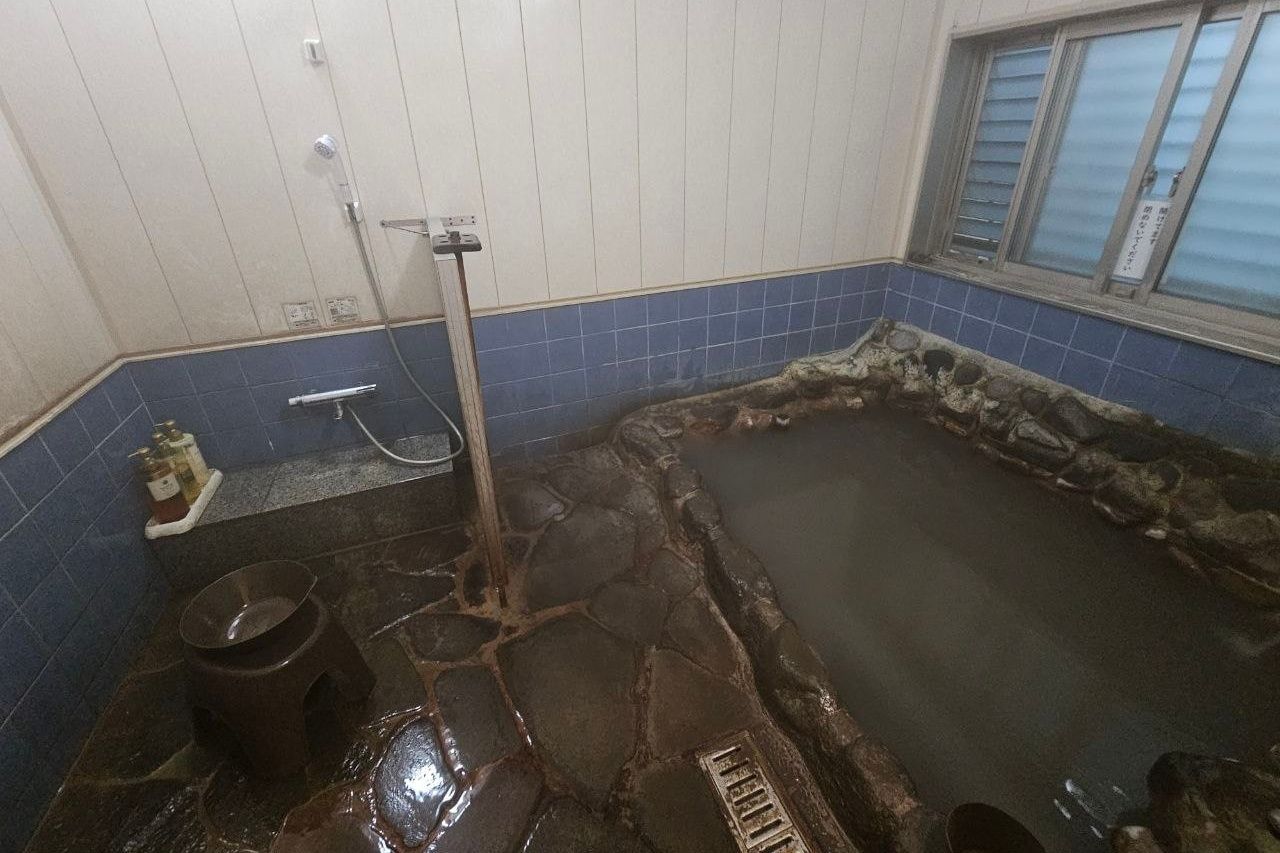
A small centrally located guesthouse known for its cave-style rock bath, the entire room encased floor-to-ceiling in natural stone, with the feel of a secret underground spring in the middle of the city. Three private baths (rock cave, open-air, and cypress) can be reserved by day visitors for just ¥500 per 45-minute session, no extra charge for overnight guests. Despite the compact size, the water is notably smooth and warm-textured, and the intimate cave atmosphere is a striking contrast to Beppu's larger resort properties.
View place details→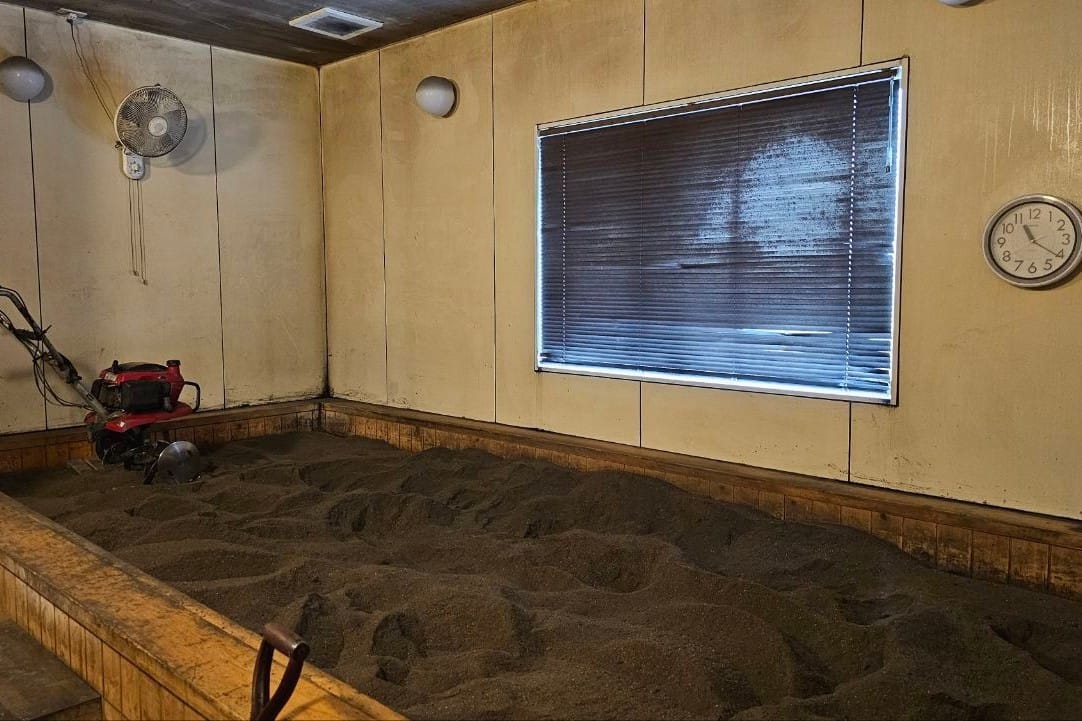
Kaju
Enzyme bath: buried in warm fermented sawdust
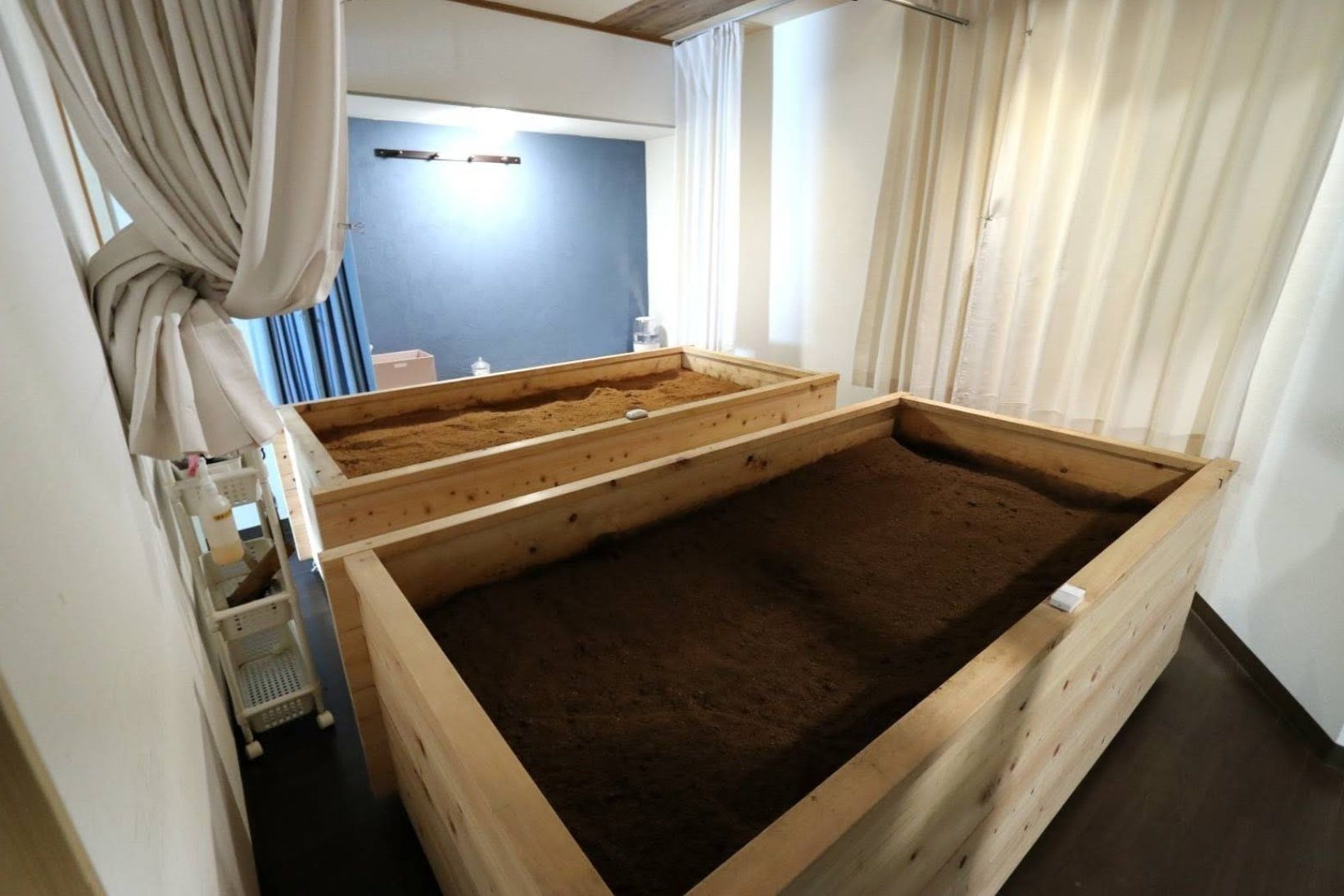
Not a water bath at all. Kaju offers a koso-buro (enzyme bath) where you're buried up to the neck in a tub of fermented cedar and cypress sawdust that generates its own heat through microbial fermentation, boosted by Beppu's geothermal energy. The 15–20 minute session heats the body from the core more deeply than conventional hot water, leaving skin remarkably smooth. At ¥3,500 per session, reservation required. About a 20-minute walk from Beppu Station. Tattoo-friendly.
View place details→Kannawa
3
The steaming heart of Beppu, where volcanic vents line the streets and centuries-old bathing traditions endure.
ひょうたん温泉
The only onsen in Japan with 3 Michelin stars
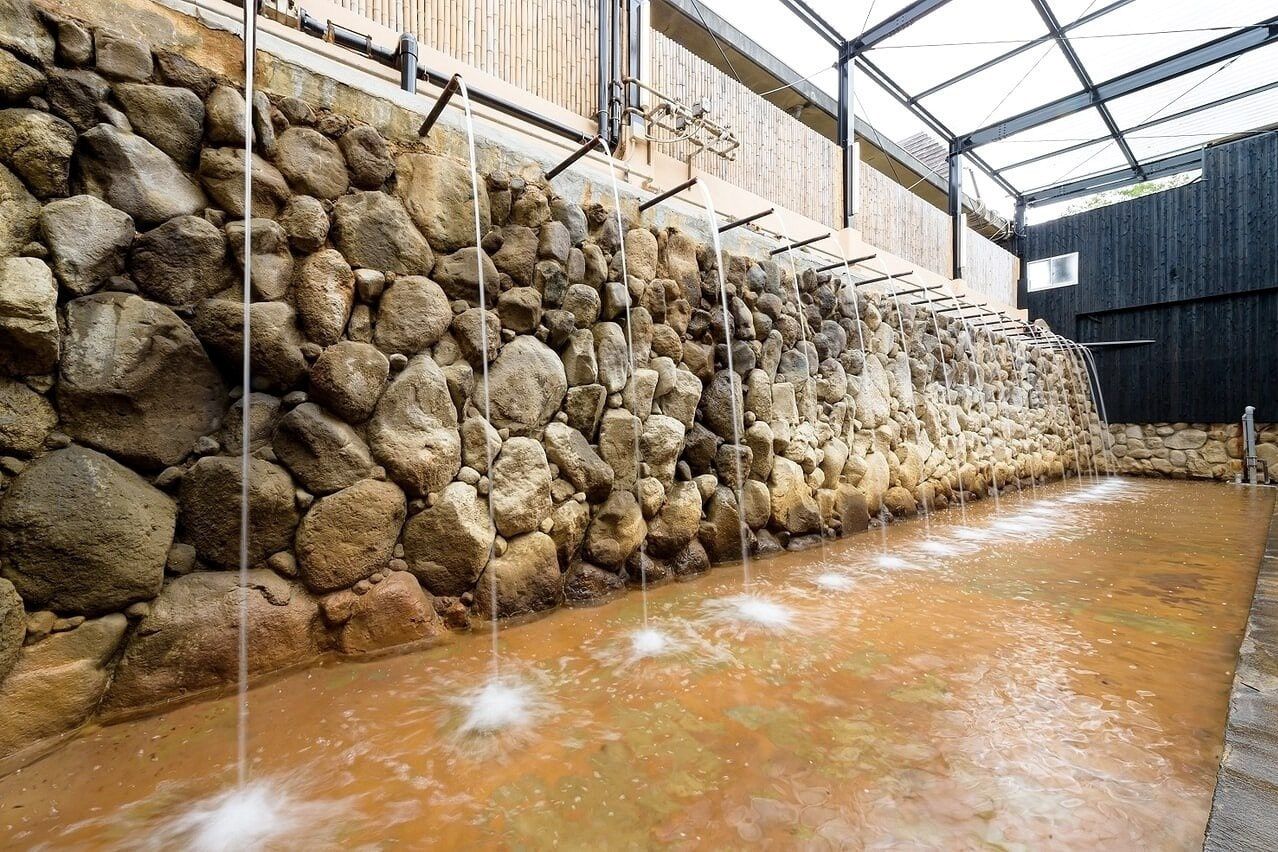
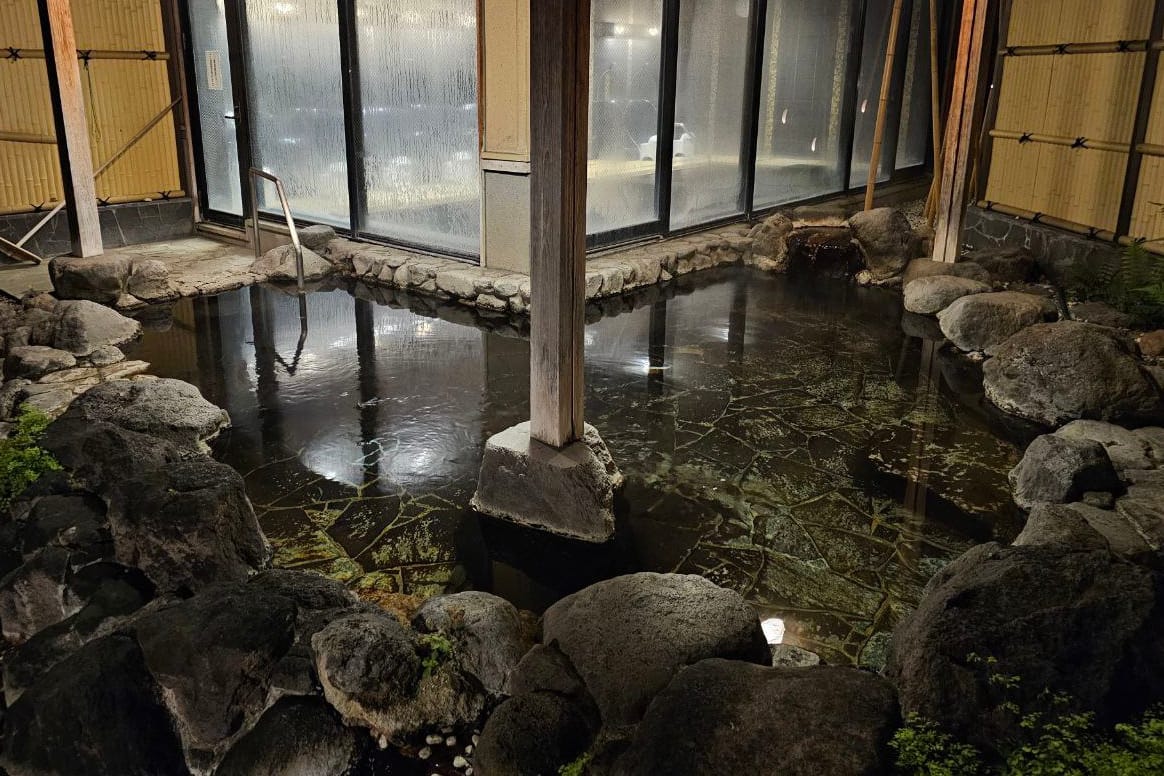
The only onsen facility in Japan to hold a Michelin Green Guide 3-star rating, awarded seven consecutive years for its atmosphere, cleanliness, and traditional facilities. Hyotan operates as an onsen theme park with over 10 bath types: outdoor, cypress, waterfall (19 streams on the men's side, 8 on women's), rock, sake, steam, sand, and more. An in-house bamboo cooling system brings 100°C spring water down to a bathable temperature without diluting it, all natural kakenagashi flow-through water. Also offers jigoku-mushi (hell steam) cuisine where you cook food in volcanic steam.
View place details→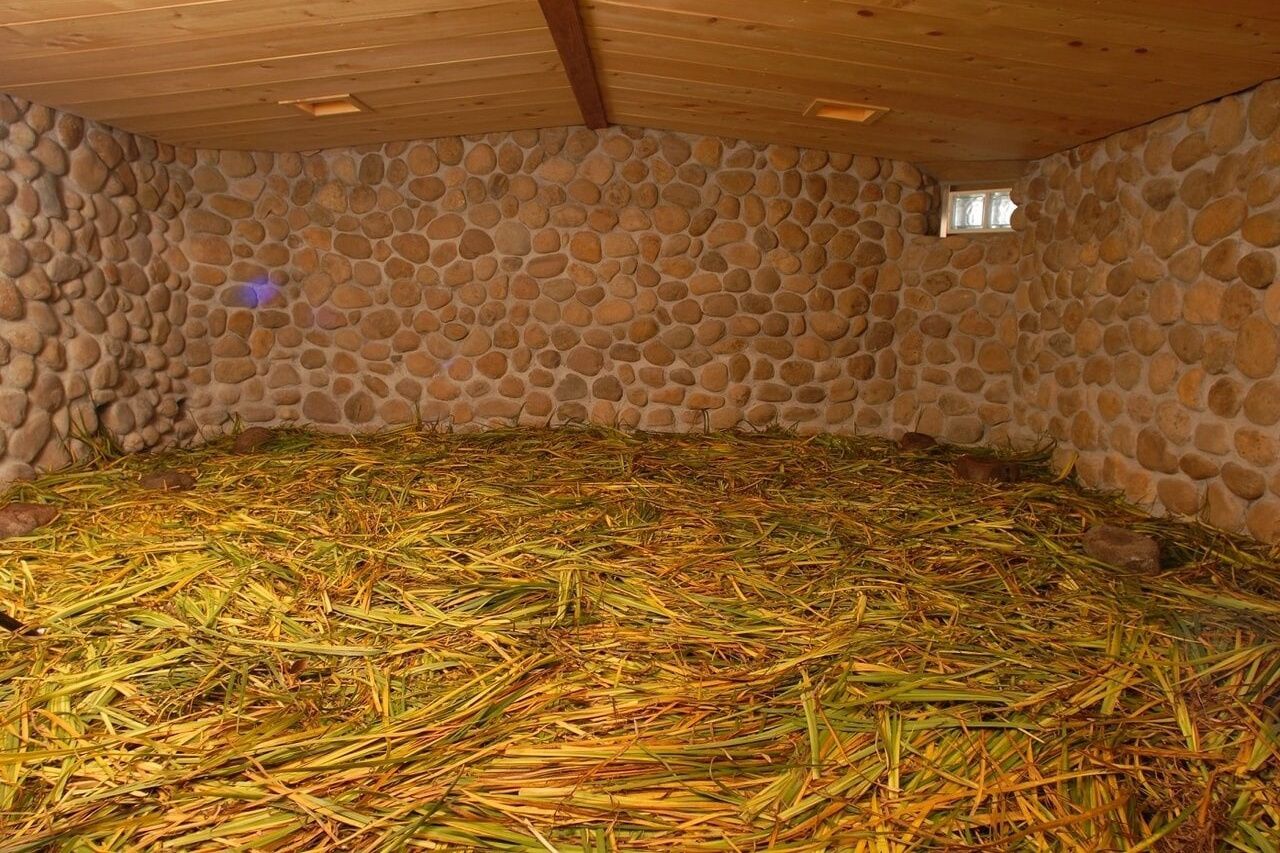
鉄輪むし湯
750-year-old herbal steam cave founded by a wandering monk
Founded in 1276 by wandering Buddhist monk Ippen Shonin, making it one of the oldest therapeutic baths in Japan with 750+ years of continuous use. The experience is unlike any standard onsen: you lie on a floor spread with sekisho medicinal herbs inside a stone steam chamber where volcanic steam rises at 60–70°C. Just 8–10 minutes is said to equal 30 minutes in a conventional sauna for detox effect. Entry ¥700, walk-in only, no reservations needed or accepted. A rare foot steam bath is also available on-site. Tattoo-friendly.
View place details→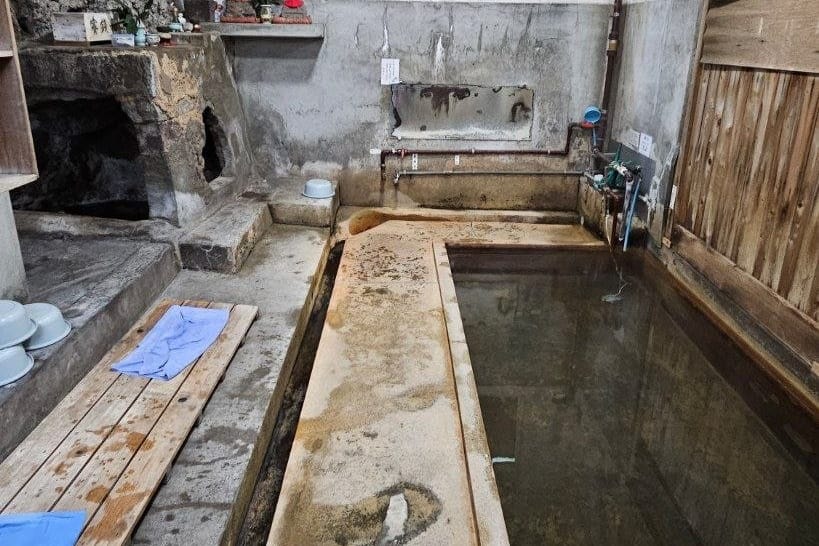
谷の湯
Honor-system local bath with a Buddhist guardian deity
One of Kannawa's most atmospheric sento, tucked along a river that runs with steaming hot water, the kind of place few tourists find. Entry is just ¥150, dropped into a gray pipe at the entrance on the honor system. Inside, a stern-faced statue of Fudo Myoo (Acala, the Buddhist deity of fire and immovable will) watches over the men's bath, said to purge evil passions. The source water comes out at nearly 90°C and is carefully tempered overnight, so morning bathers enter perfectly pure, freshly prepared water with notably silky texture.
View place details→Myoban
6
A hillside district known for sulfur-rich milky blue waters and traditional yunohana (mineral salt) production huts.
別府温泉保養ランド【泥湯】
Legendary volcanic mud bath with mixed-gender outdoor pool
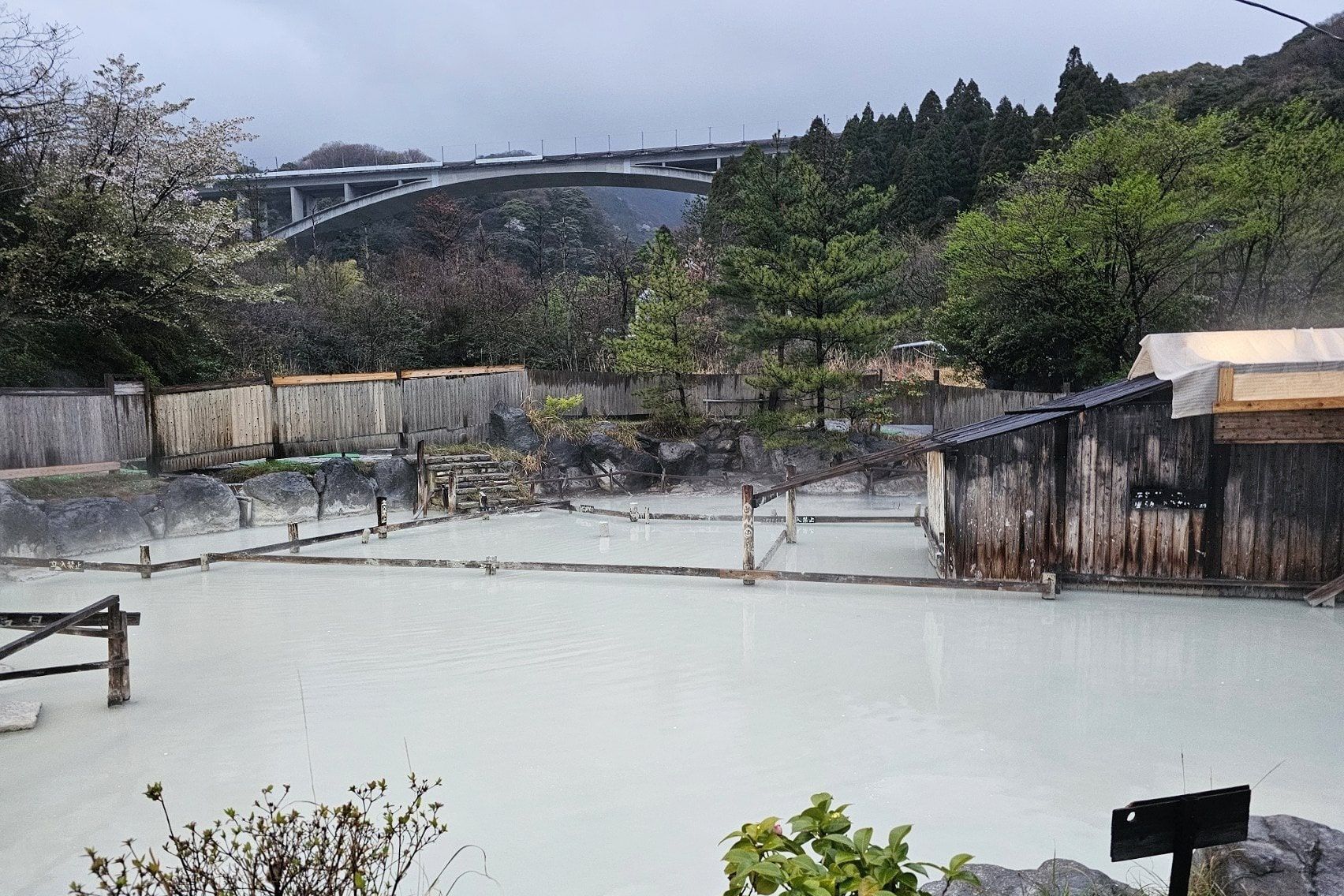
Beppu's most famous mud bath, a milky, volcanic ash-enriched pool where the recommended technique is to scoop mud from the bottom and rub it into your skin as a natural exfoliant and face mask. The outdoor mud bath is one of Japan's few remaining mixed-gender (konyoku) baths, divided only by a bamboo railing, a rare surviving example of traditional mixed bathing. The sulfur-rich Myoban waters are known for their skin-smoothing effects. Indoor mud baths are gender-separated. Entry approximately ¥1,500.
View place details→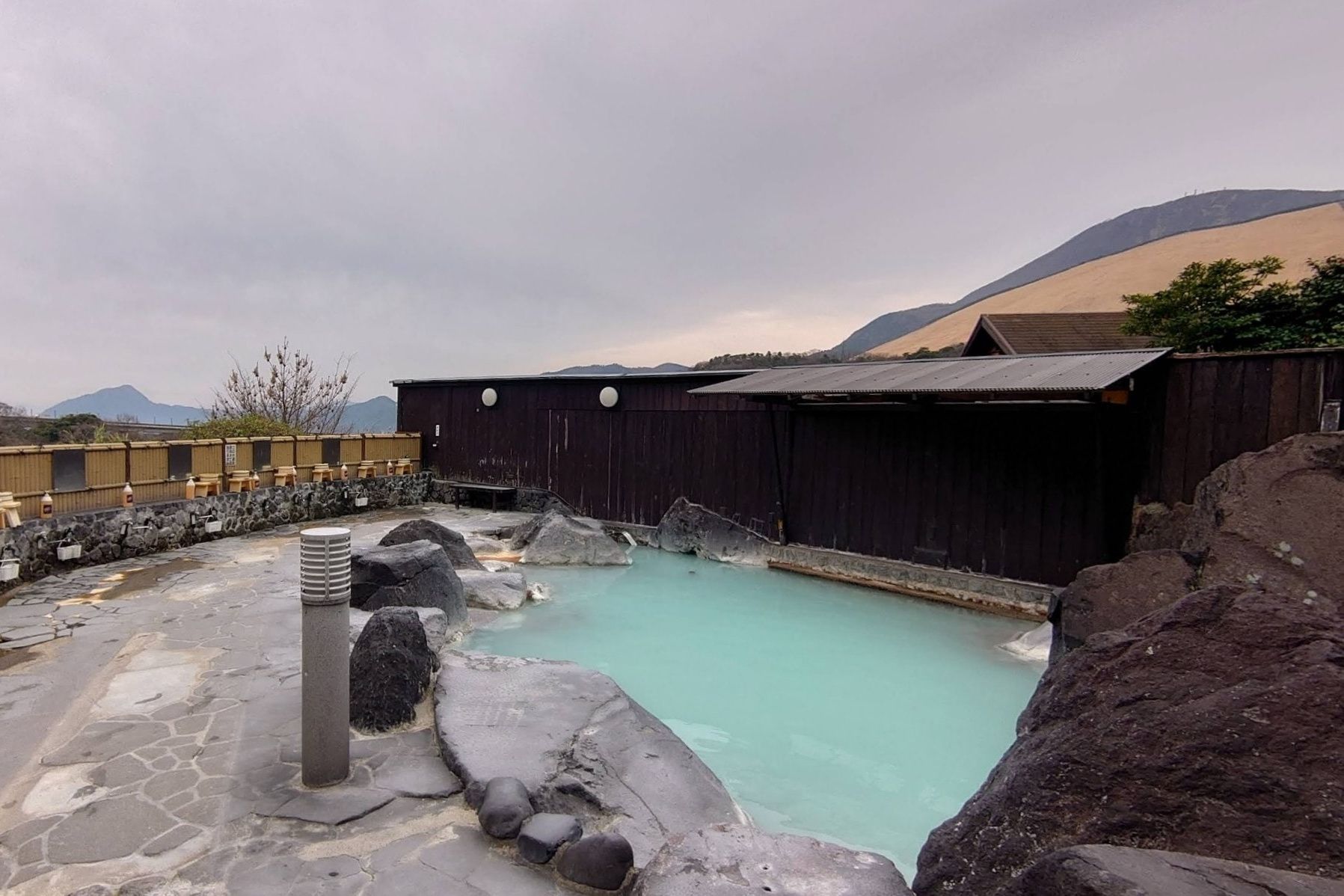
みょうばん湯の里 大露天岩風呂
300-year-old open-air bath with thatched-roof huts and silky blue water
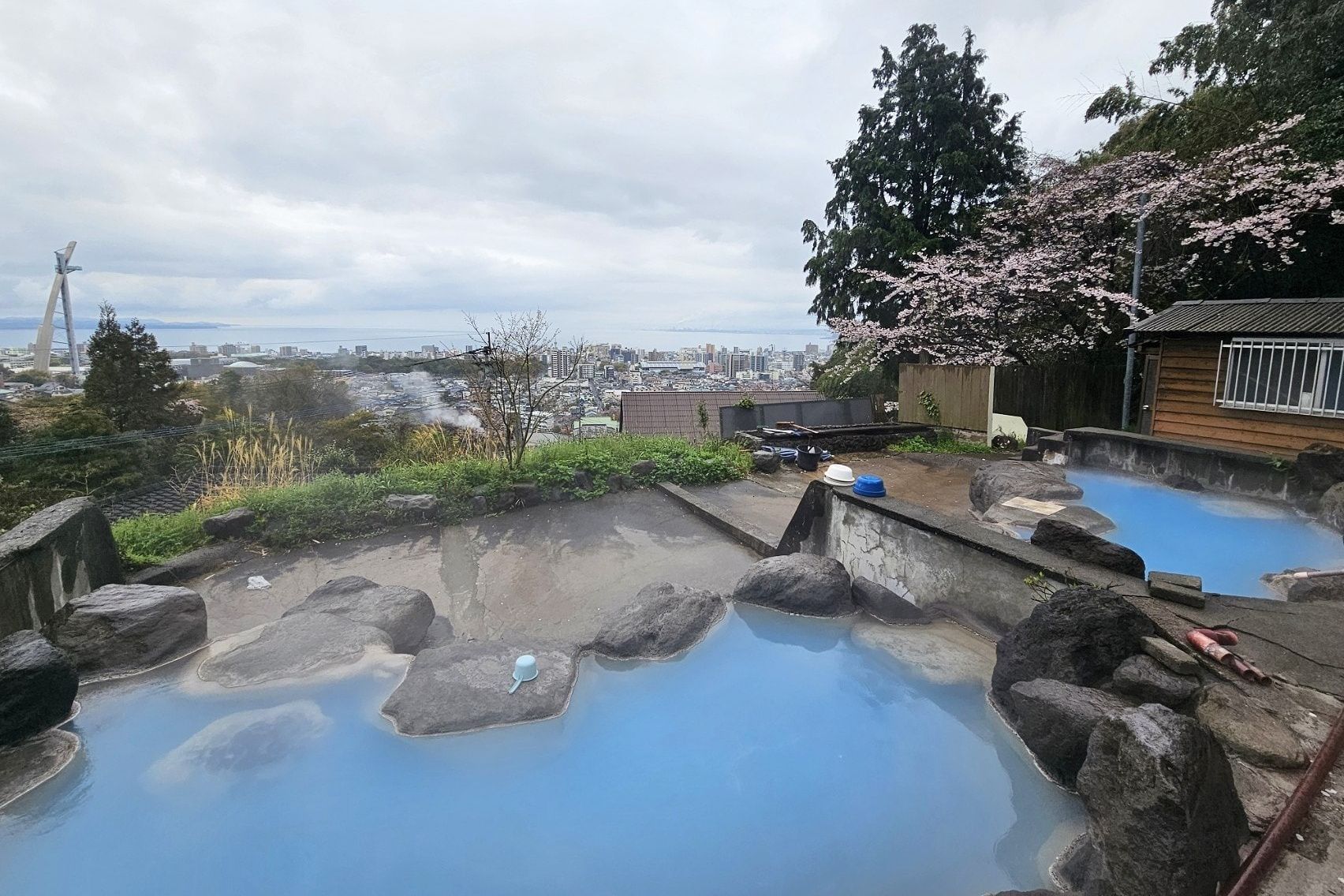
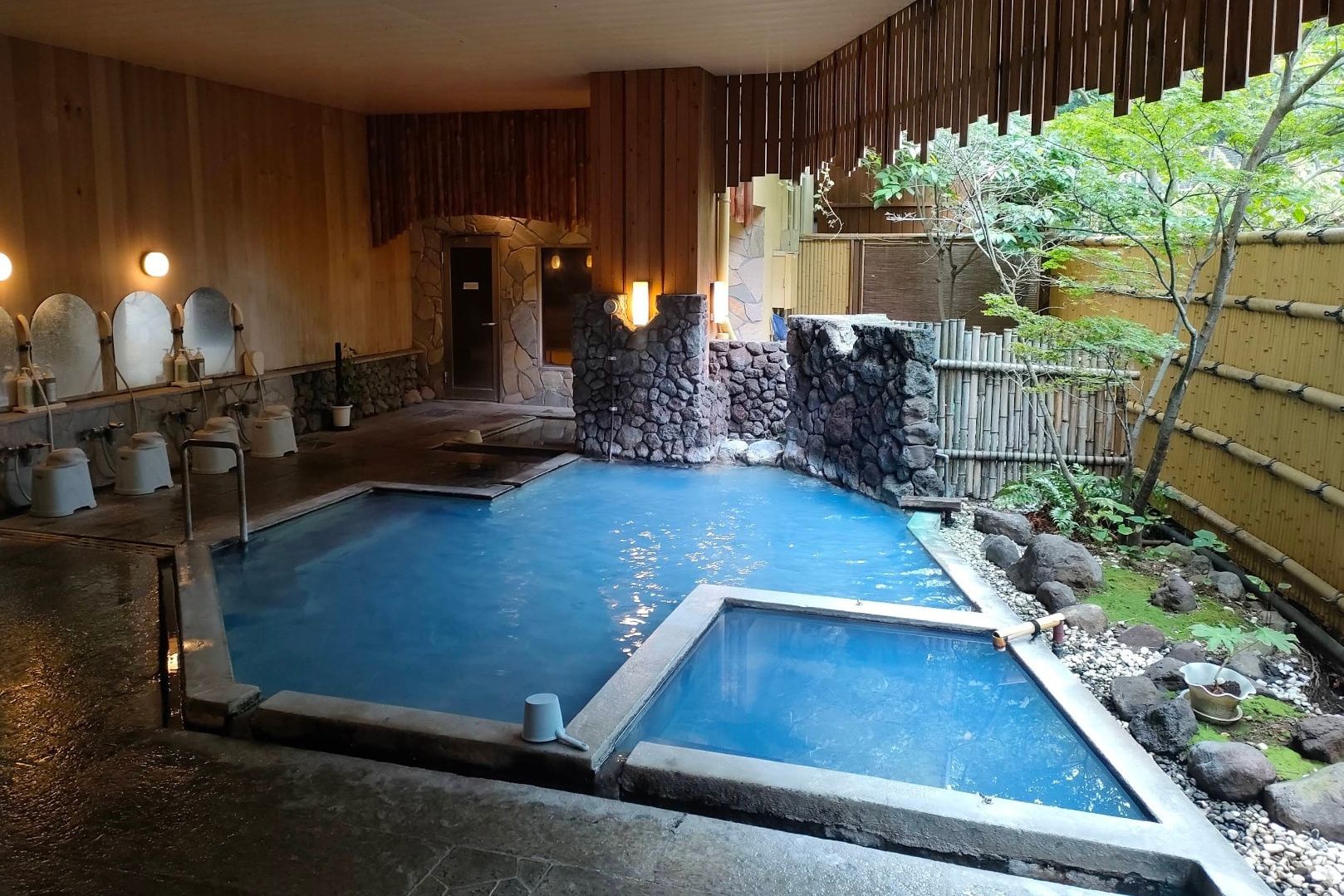
Operating continuously since 1725 during the Edo period, this is one of Beppu's most historically significant onsen facilities and its highest-elevation bath at 350 meters. The grounds are dotted with thatched-roof yunohana huts, the same traditional structures used for centuries to produce yunohana mineral bath salts from onsen steam. Private baths are designed to mirror these huts with bamboo walls and rock tubs. The water is a silky blue-to-turquoise sulfur spring known for skin benefits, with sweeping views across the city to the bay.
View place details→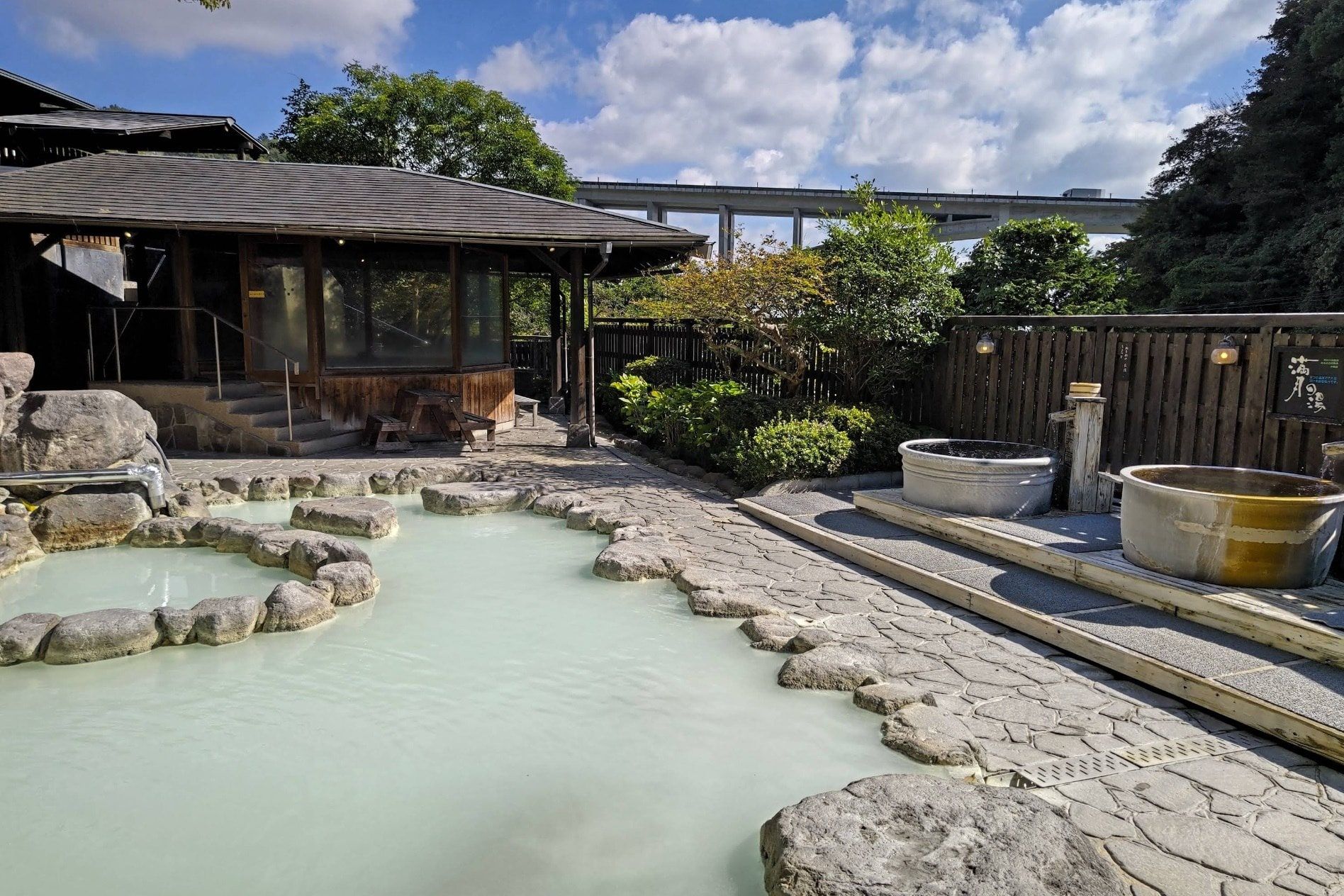
湯屋えびす
Two distinct spring types in Myoban's oldest ryokan
The adjacent Ebisuya Ryokan has been running since 1874, making it the oldest in the Myoban area, and the bathhouse carries that same historic character with a retro-modern atmosphere. Two distinct water types are on offer: milky blue-white sulfur springs on the first floor in cedar-lined outdoor baths, and clearer magnesium-rich waters on the second floor in both stone baths and cave-style outdoor pools. Tattoo-friendly and welcoming to international visitors, one of the more accessible traditional onsen in the area.
View place details→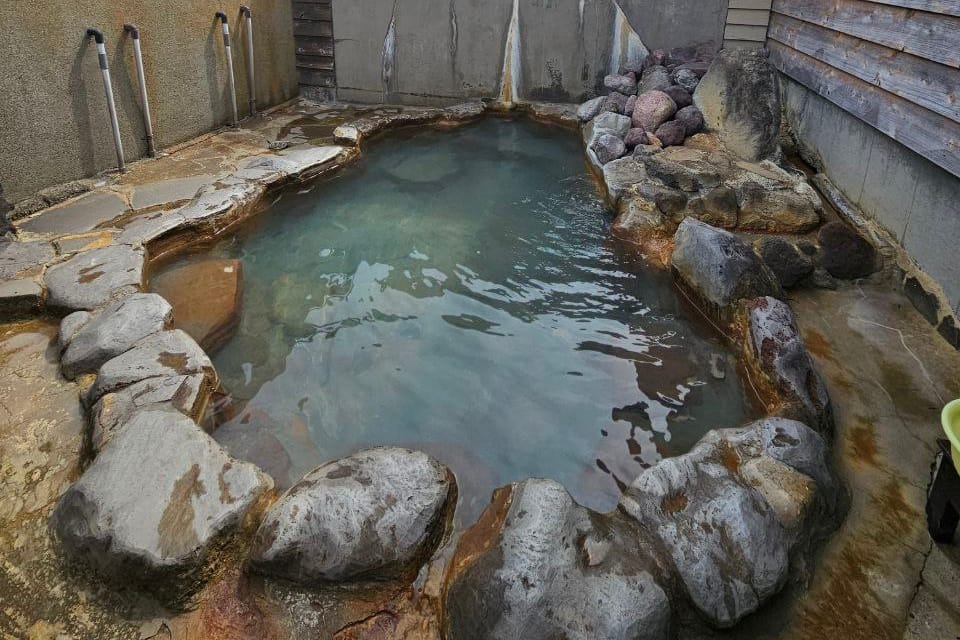
奥みょうばん山荘
Remote mountain lodge with private baths at just ¥550
Set deep past steaming pipes and thatched yunohana huts, this lodge genuinely feels like the end of the road, well-known among locals but easy to miss as a visitor. All three baths are private (two indoor, one large outdoor), and the water is emptied and refilled daily with fresh spring water, which the owner describes as having the mineral punch of a just-opened bottle of soda. At just ¥550 per person, it's one of the best-value private onsen in Beppu. Overnight stays in a traditional Japanese house are also available.
View place details→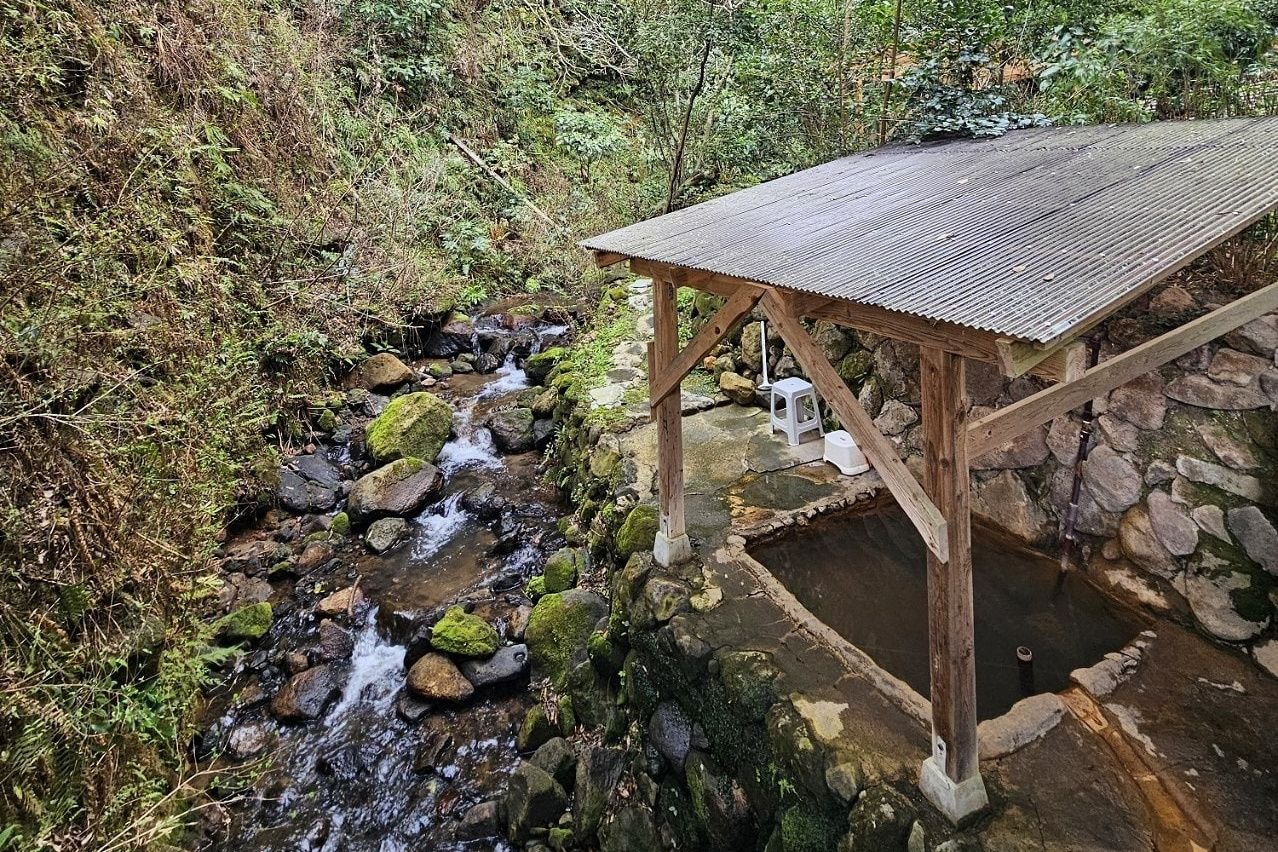
湯山の里温泉
Seven natural springs hidden in a bamboo forest
Guests check in at what feels like a private family home, then walk a bamboo forest path to reach a cluster of seven natural springs varying in temperature and mineral content, plus a natural waterfall pool. The bamboo-lined interiors, stone floors, and forest views make this one of Beppu's most atmospheric private baths. The owner traces the site's history back over a hundred years to when the land was lined with yunohana huts. Jigoku-mushi steam cooking using natural hot spring steam is also available.
View place details→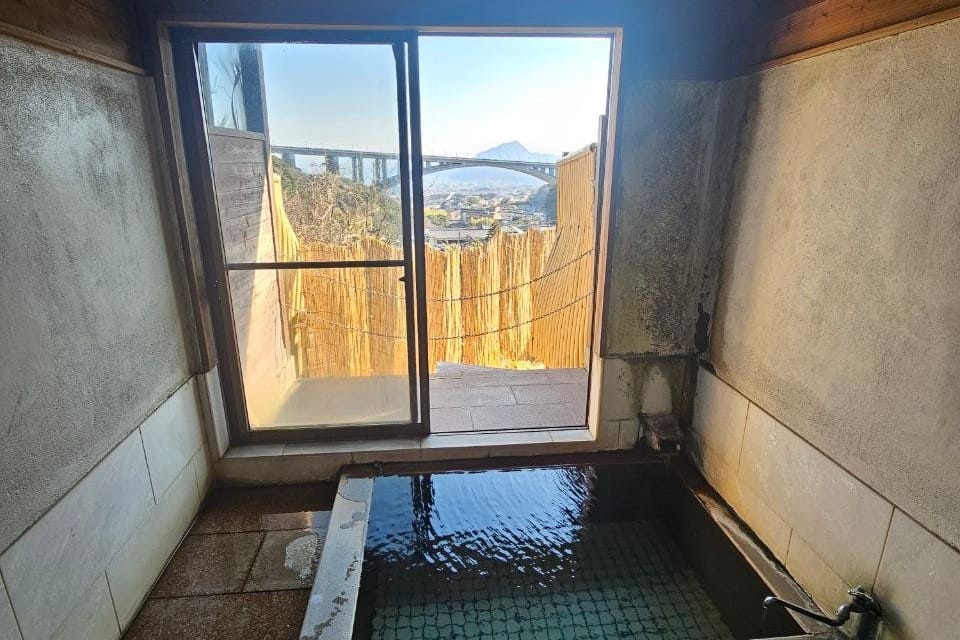
山の湯・家族風呂
Mountain-top private baths overlooking Myoban Bridge and Beppu Bay
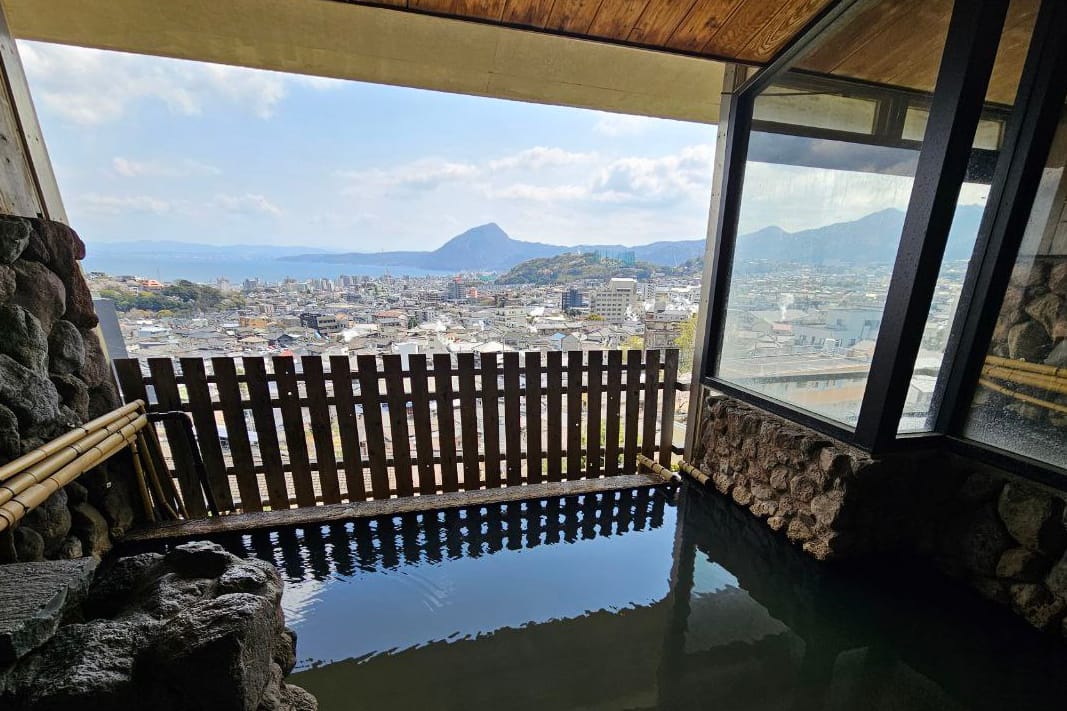
A mountain-cabin-style bathhouse with one of the most scenic vantage points in Beppu: a sweeping panorama that takes in the great arch of Myoban Bridge, Beppu Bay, and Mount Takasaki. The water is a milky white sulfur spring with yunohana mineral flakes floating on the surface, a hallmark of authentic Myoban water. The large boulder observation bath can comfortably fit 5–6 adults, while the private family bath is quiet and secluded, well-suited for families with small children.
View place details→Kamegawa
3
A coastal district offering sand baths on the beach, classic architecture, and luxury resort bathing.
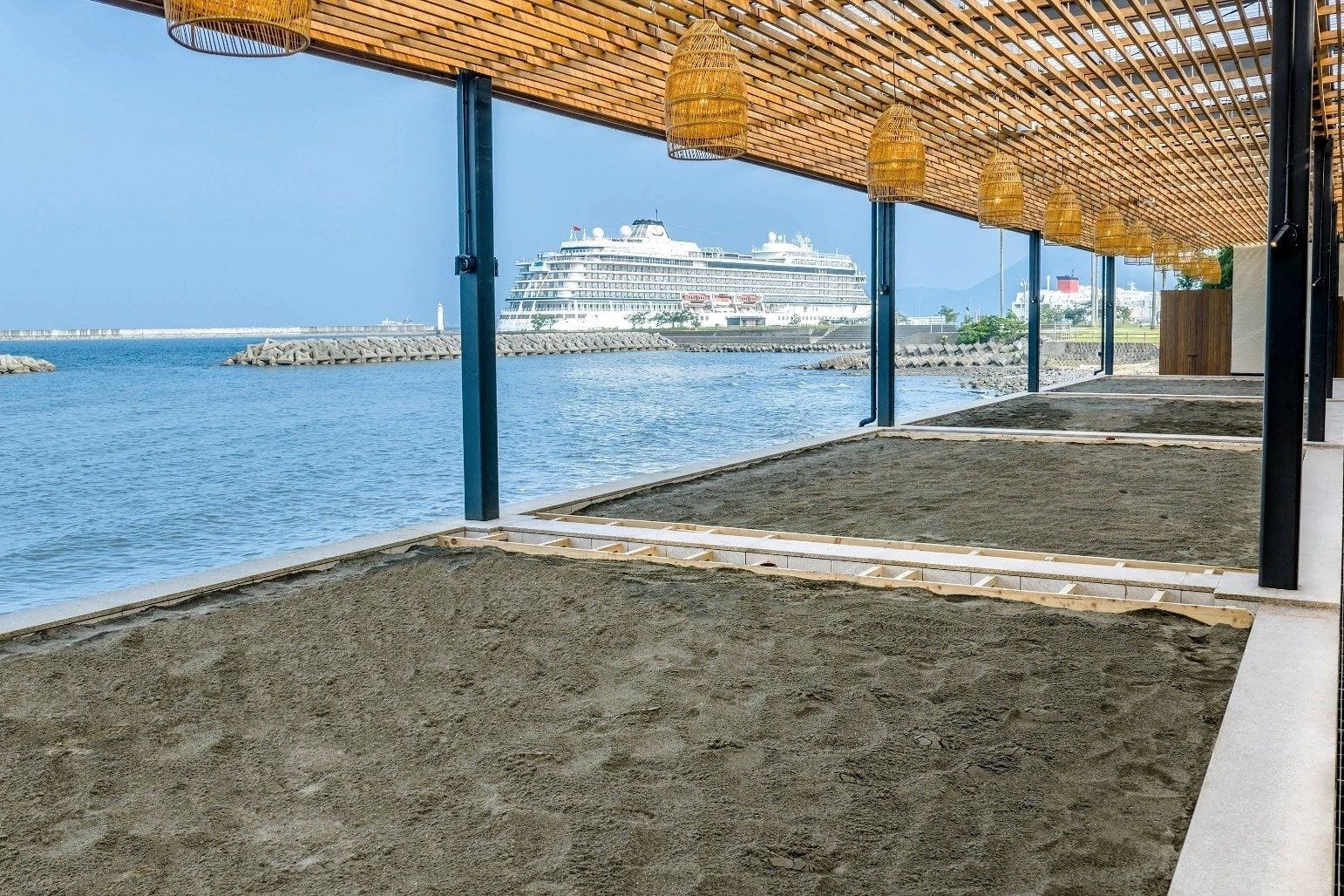
Sand SPA(別府海浜砂湯)
Sand bath on the ocean shore with Beppu Bay views
Located on Shoningahama Beach, the only seaside park in Beppu, this is one of the few places in Japan where you can take a sand bath with an ocean view. Staff called sunakake-san (sand sprinklers) bury guests in geothermally heated sand for about 10 minutes, warming the body from the outside in. The practice traces back to the Heian period, with the site's name referencing the holy priest Shonin who visited in 1276. A free foot bath facing Beppu Bay is available for those waiting or not bathing.
View place details→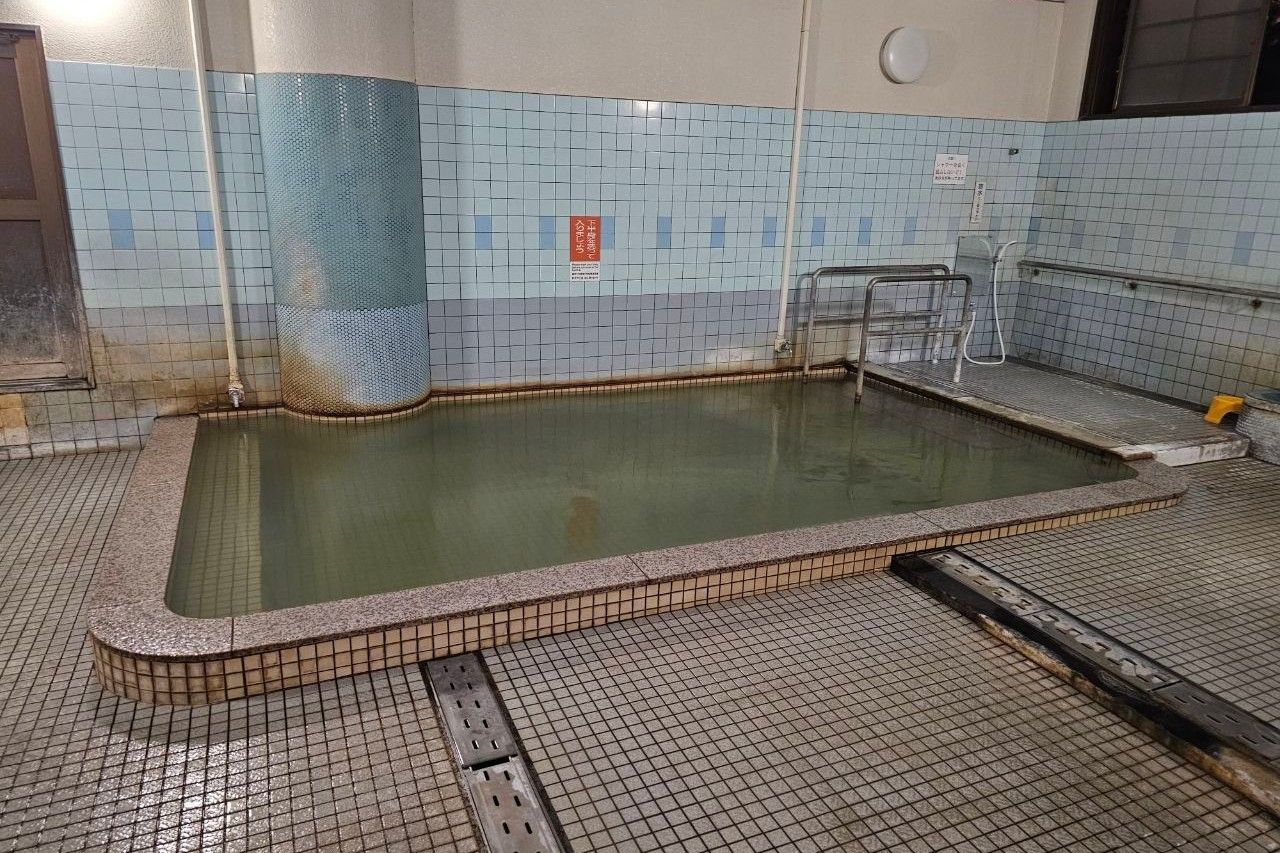
浜田温泉
Classic bathhouse facing its own former building, now an onsen museum
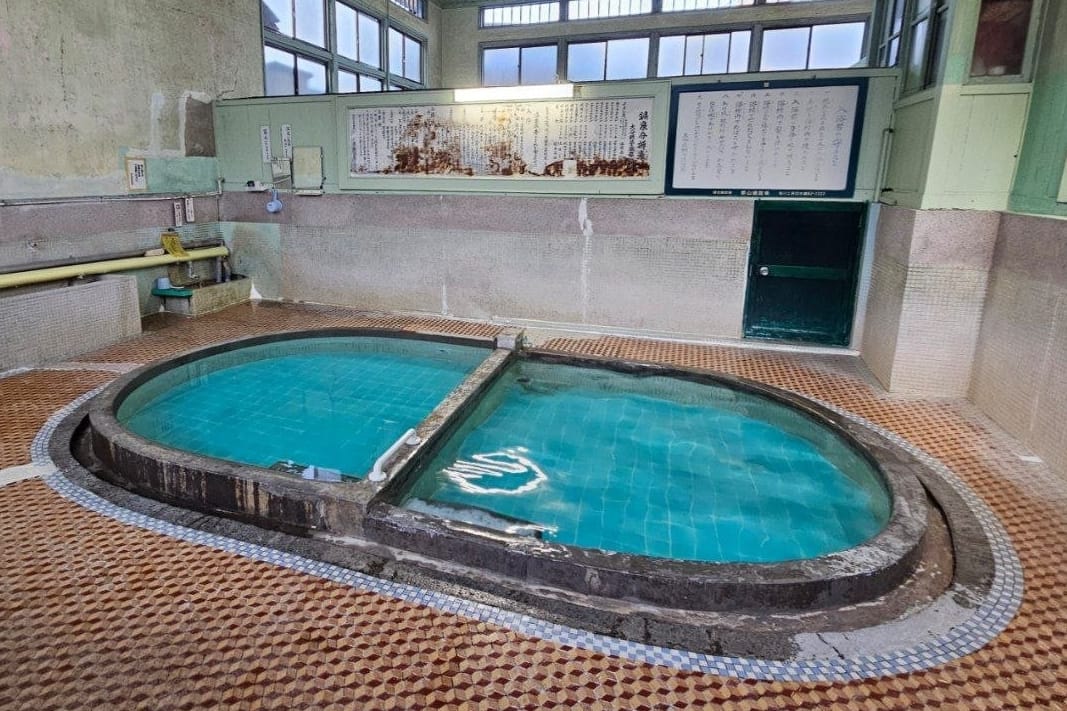
First discovered around 1897, the current building is a 2002 rebuild of the 1935 original, with karahafu-style ornamental gabling that gives it a handsome, nostalgic character. Directly across the road sits the former bathhouse building, now preserved as a registered tangible national cultural property and functioning as an onsen museum, so the two together pair living bathhouse culture with architectural history. The facility is notably barrier-free with ramped access, wide passageways, and handrails throughout.
View place details→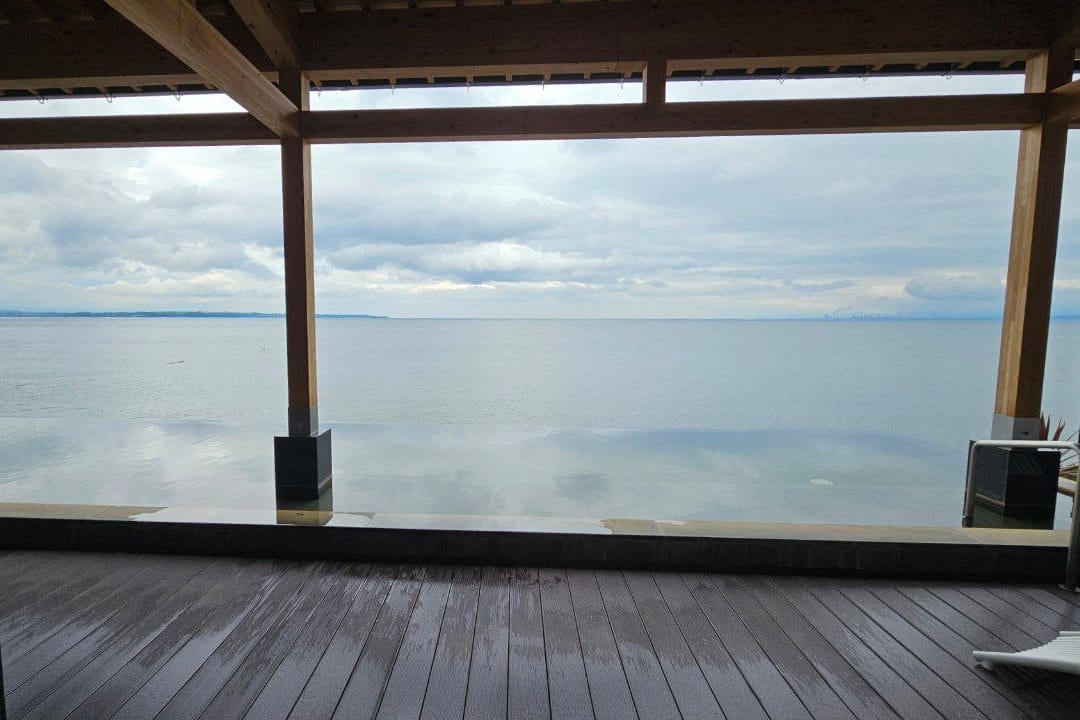
AMANE Resort Seikai(潮騒の宿 晴海)
Infinity onsen at sea level with panoramic Beppu Bay views
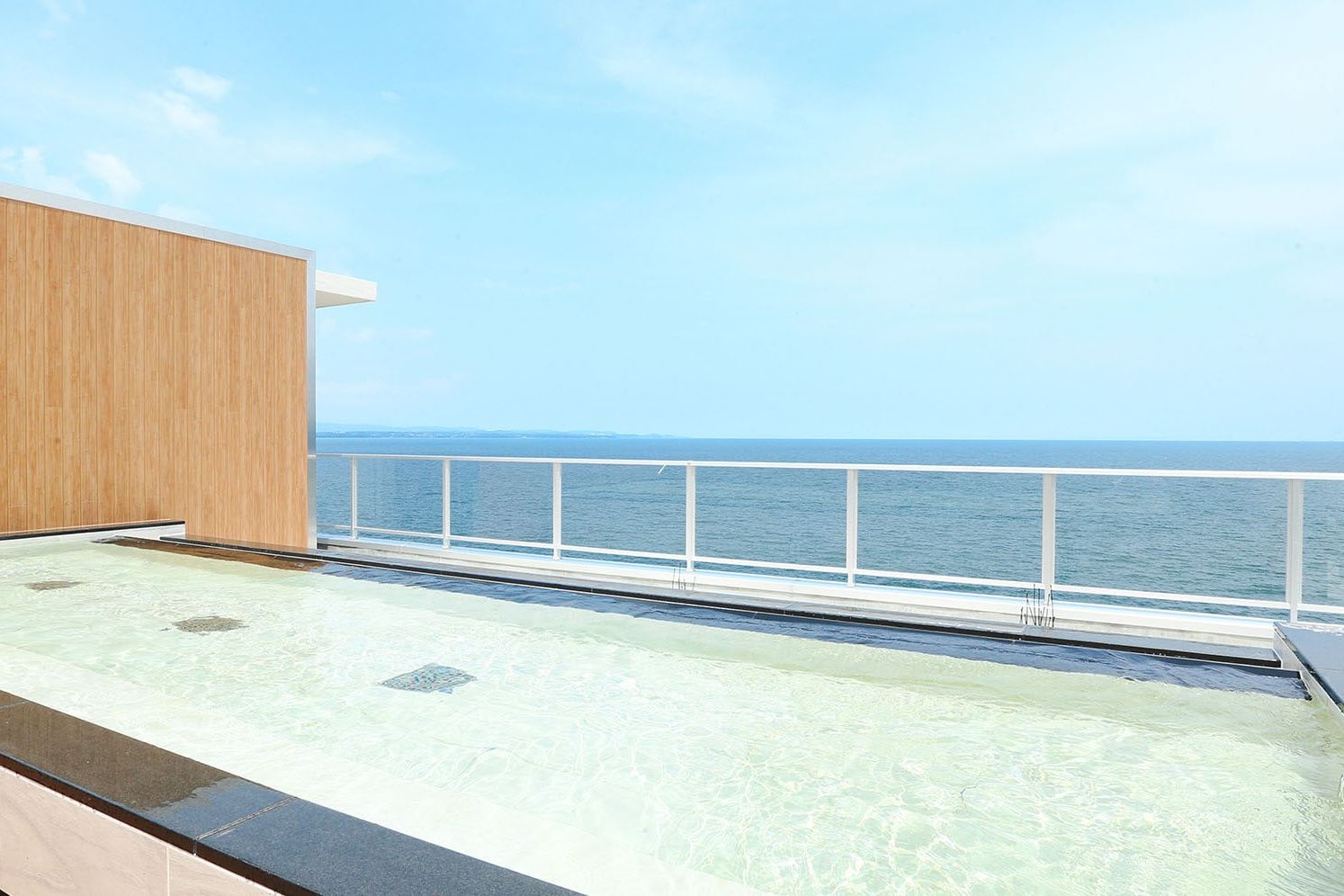
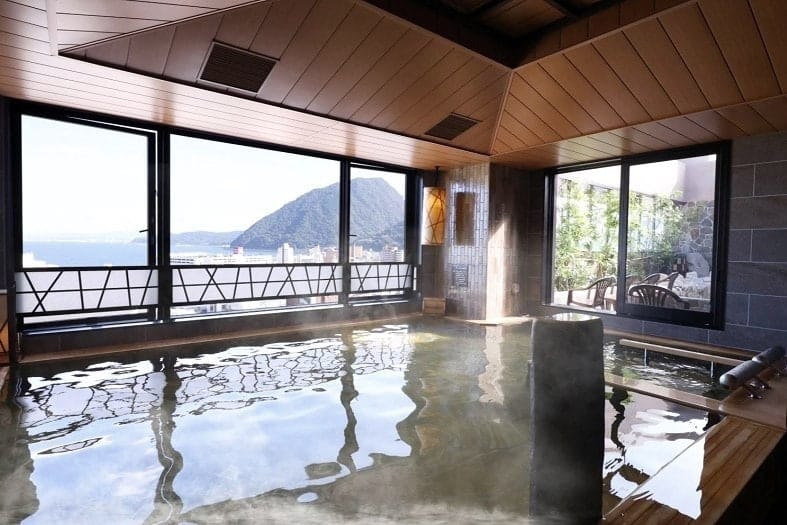
This boutique resort sits so close to Beppu Bay that the ocean feels like an extension of the bath itself. The ground-floor 'Shiosai no Yu' is nicknamed 'the onsen at zero meters above sea level': you can almost reach the seawater from the tub. The eighth-floor terrace bath, 'Shoyo no Yu,' delivers a 180-degree panoramic view over the bay. Day-use bathing is available without an overnight stay, so you can drop in for a single visit.
View place details→Hamawaki
1
One of Beppu's oldest onsen districts, home to intimate neighborhood baths and cultural encounters.
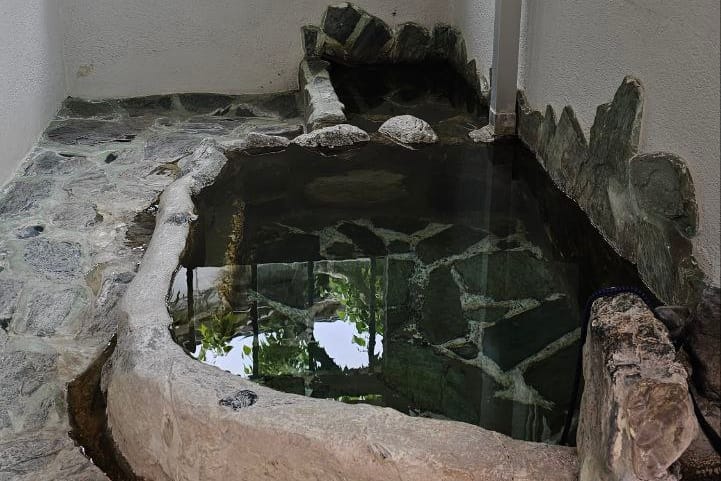
茶房 たかさき
Order a coffee, get access to a private hot spring
This place is essentially Mr. Takasaki himself, a retired community organizer who has completed Beppu's 88-onsen pilgrimage circuit ten times and founded the Beppu Onsen Association. The concept is simple: order a drink at the family-run cafe and you get access to the private hot spring bath. Mr. Takasaki talks every visitor through onsen history and culture, and has taken to using Google Translate to bridge the language gap with foreign guests. He also produced a free neighborhood onsen map and leads volunteer walking tours, so a visit feels more like a personal cultural encounter than a typical bath stop.
View place details→Kankaiji
2
A highland district with panoramic views over Beppu Bay, home to grand resort onsen and retro amusement.
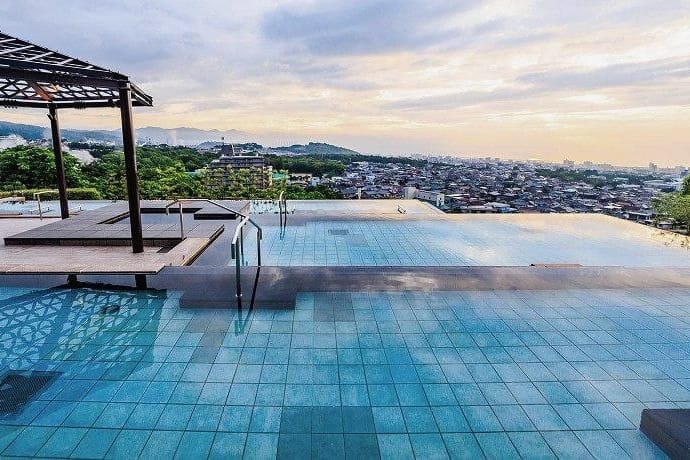
別府温泉 杉乃井ホテル
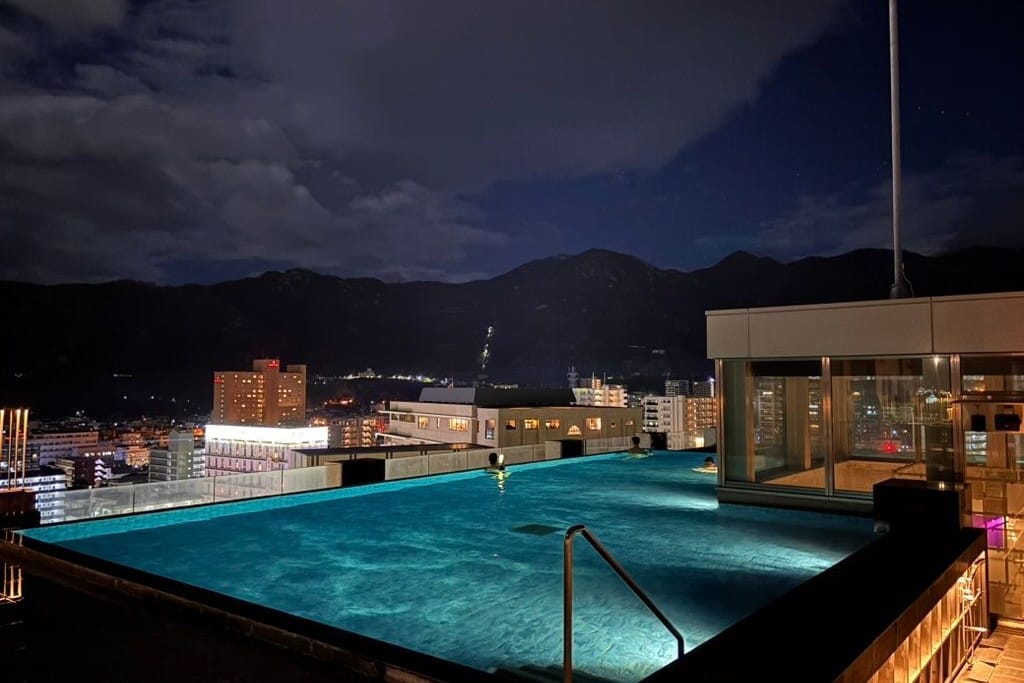
Grand resort with cascading rice-terrace infinity pools
One of Beppu's largest resort hotels, Suginoi's centerpiece is the Tanayu bath complex: a five-tiered cascading series of open-air pools built to resemble traditional Japanese rice terraces, all set against panoramic views of Beppu Bay. The Aqua Garden adds an infinity observation bath where the water appears to blend into the sky and sea, with a fountain-and-light show set to music each evening. It's less a quiet ryokan and more a full resort: think swim rings in the onsen, a water park, and spectacle on a grand scale.
View place details→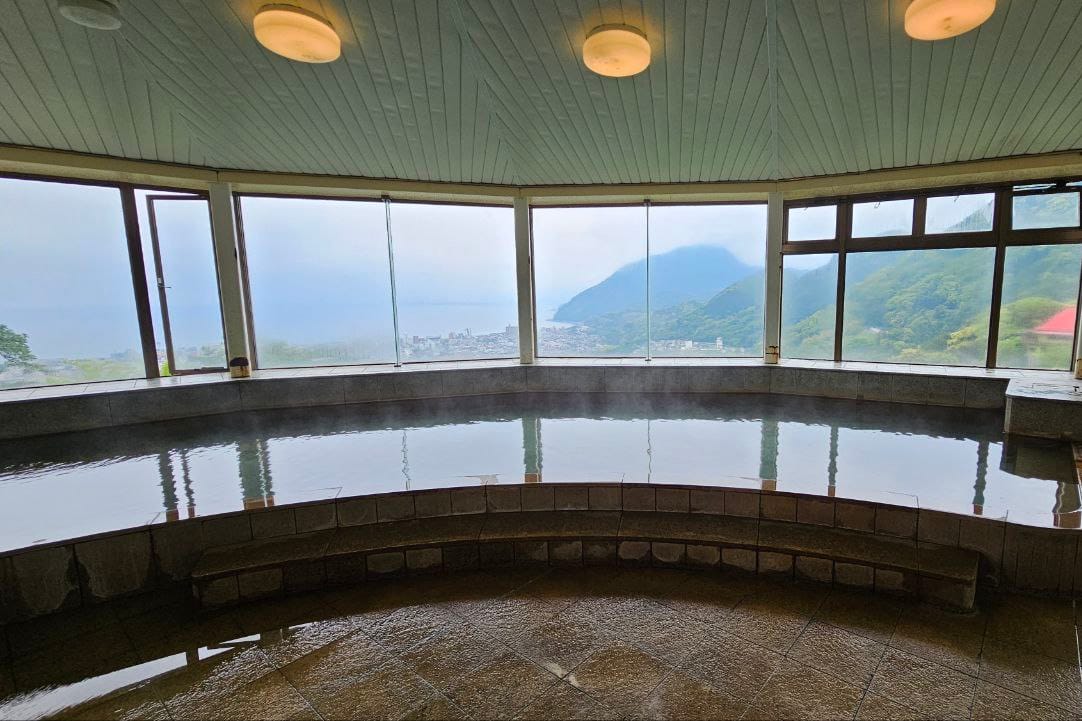
別府ラクテンチ 絶景の湯
Panoramic onsen inside Kyushu's oldest Showa-era amusement park
Founded in 1929, Rakutenchi is the oldest amusement park in Kyushu and a beloved piece of Showa-era nostalgia: retro rides, Japan's only double-decker Ferris wheel, a tree-threading roller coaster, and arcade games sit alongside panoramic onsen baths with uninterrupted views over Beppu Bay. The onsen is included in the park entry ticket, and guests ride a funicular railway up a 30-degree slope to reach the park before soaking with the whole city spread below. Few places combine amusement-park rides and an onsen soak in a single visit.
View place details→Districts
8 sub-areas within Beppu OnsenPlaces in this area
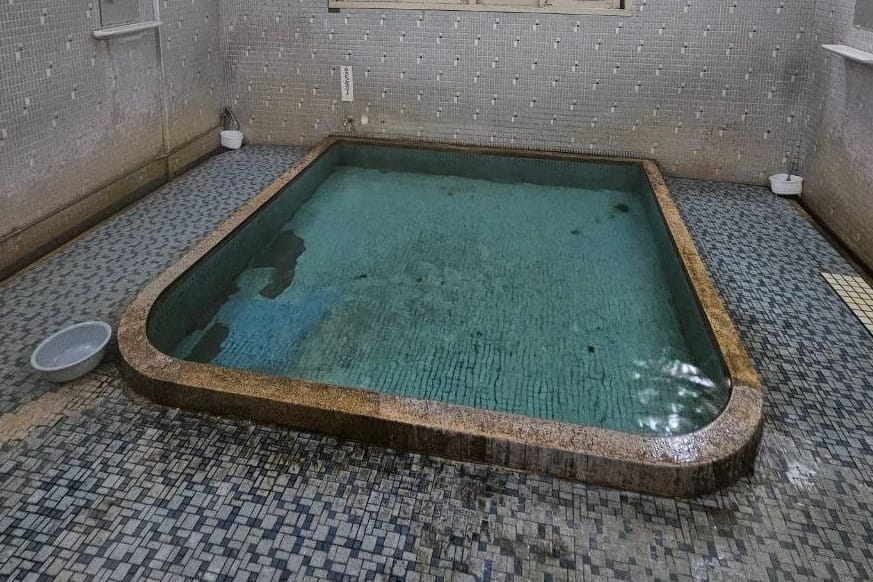
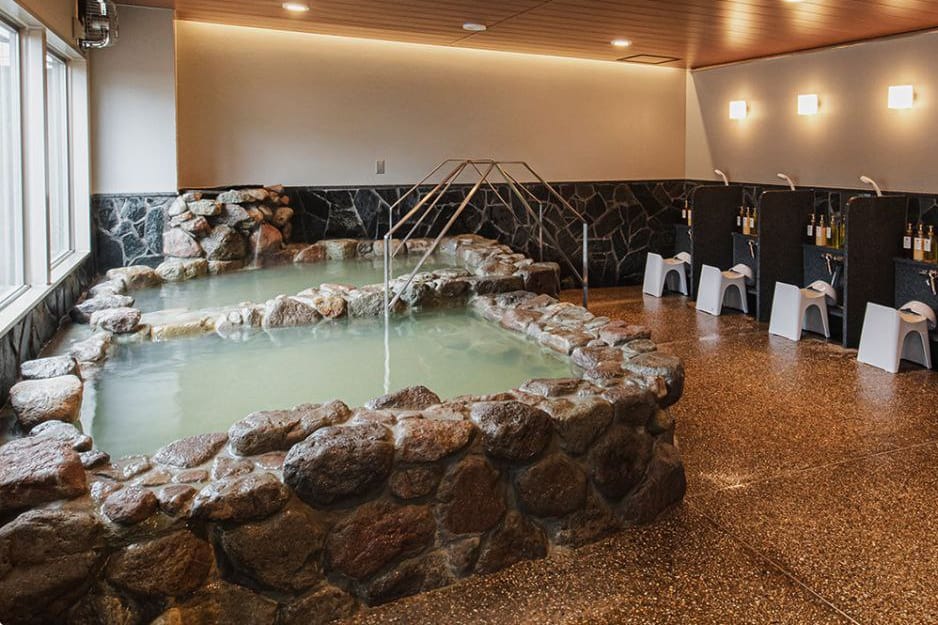
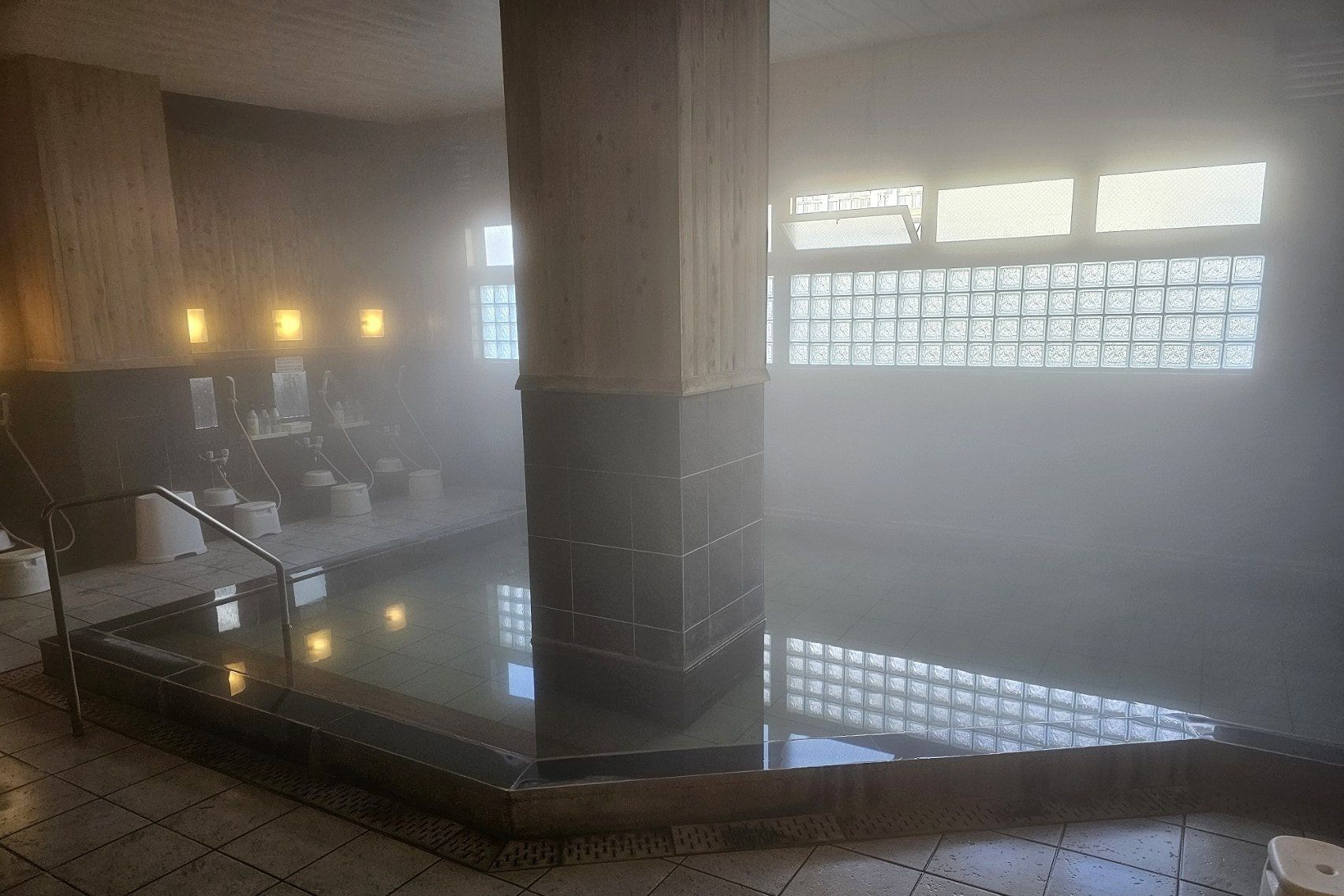
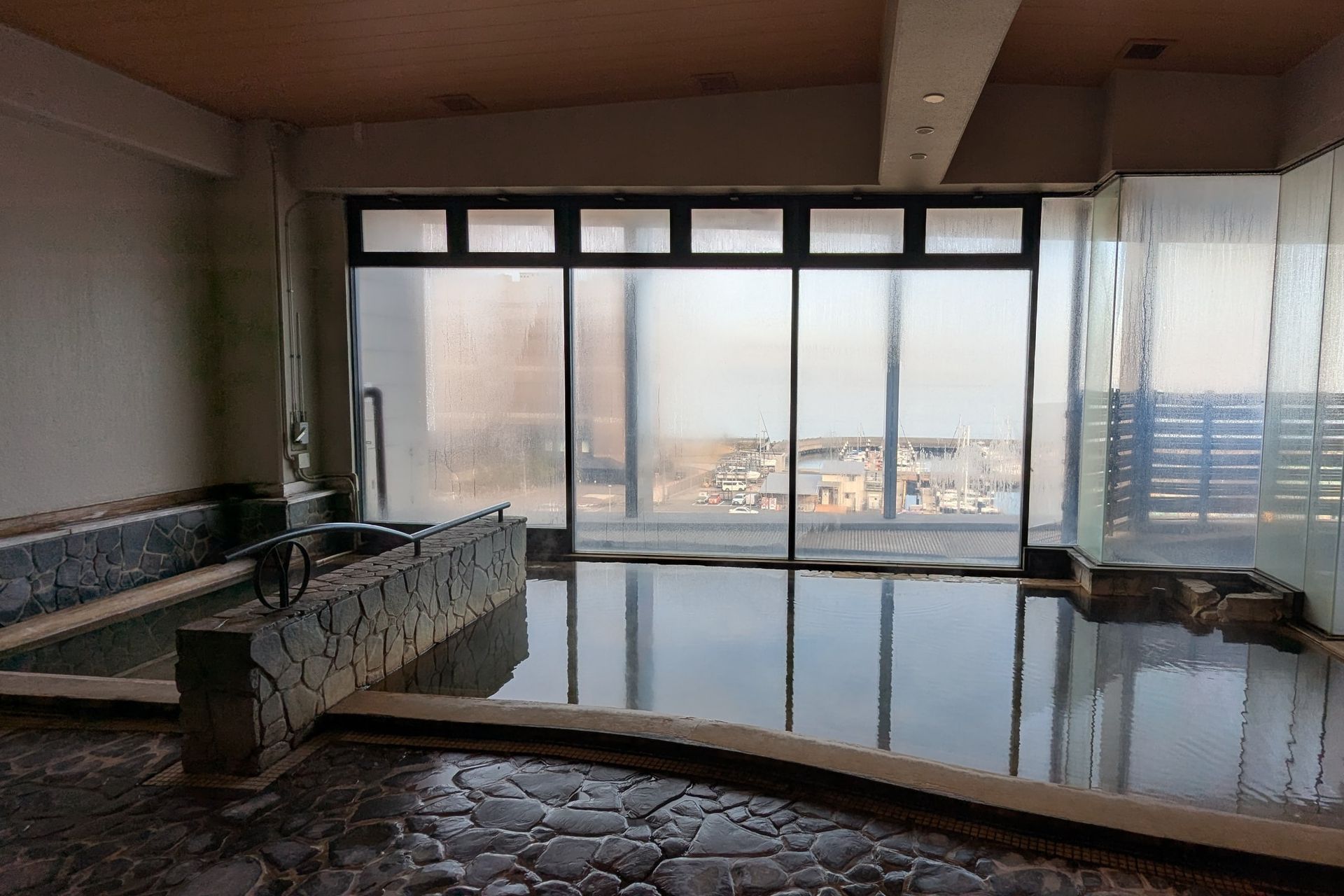
189 places · Sorted by rating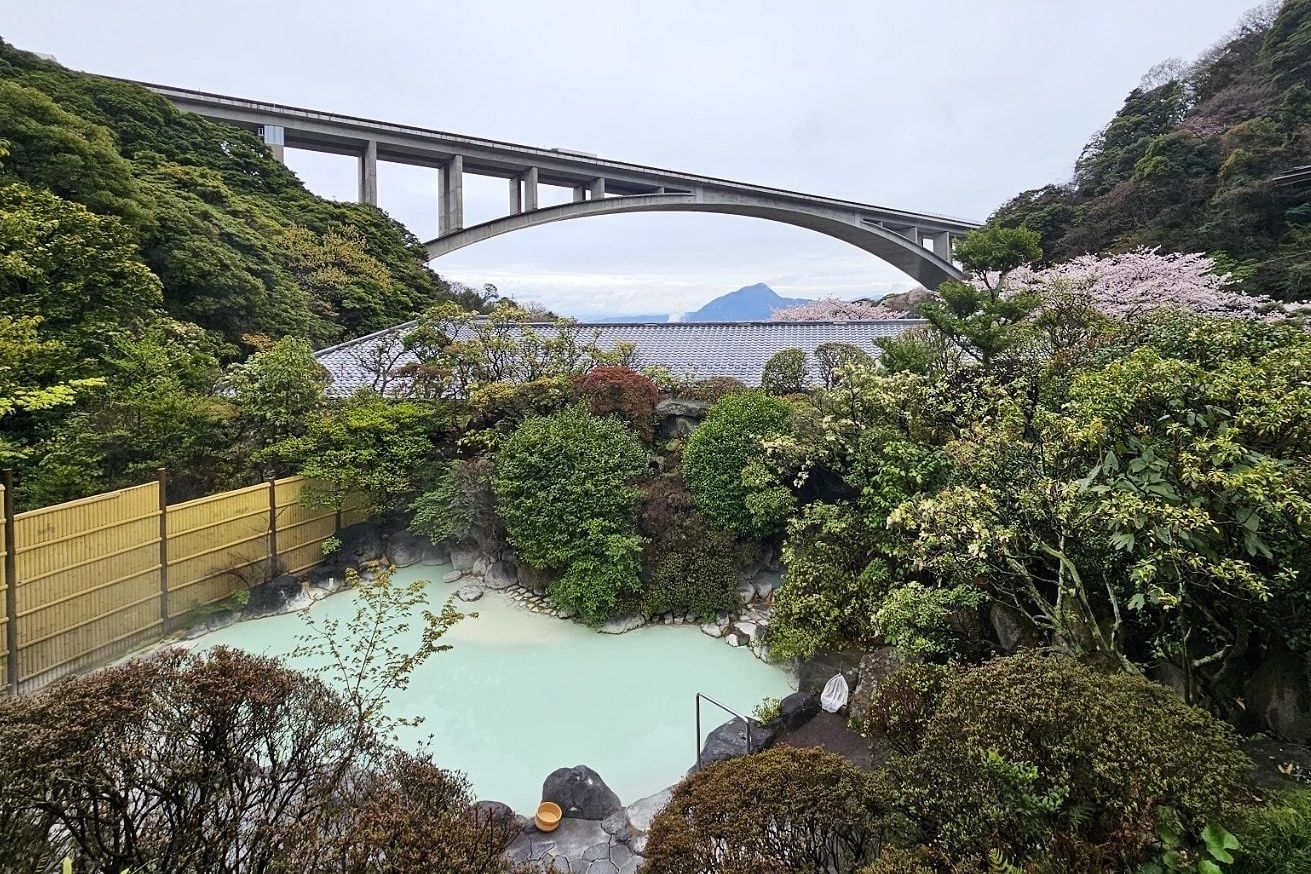

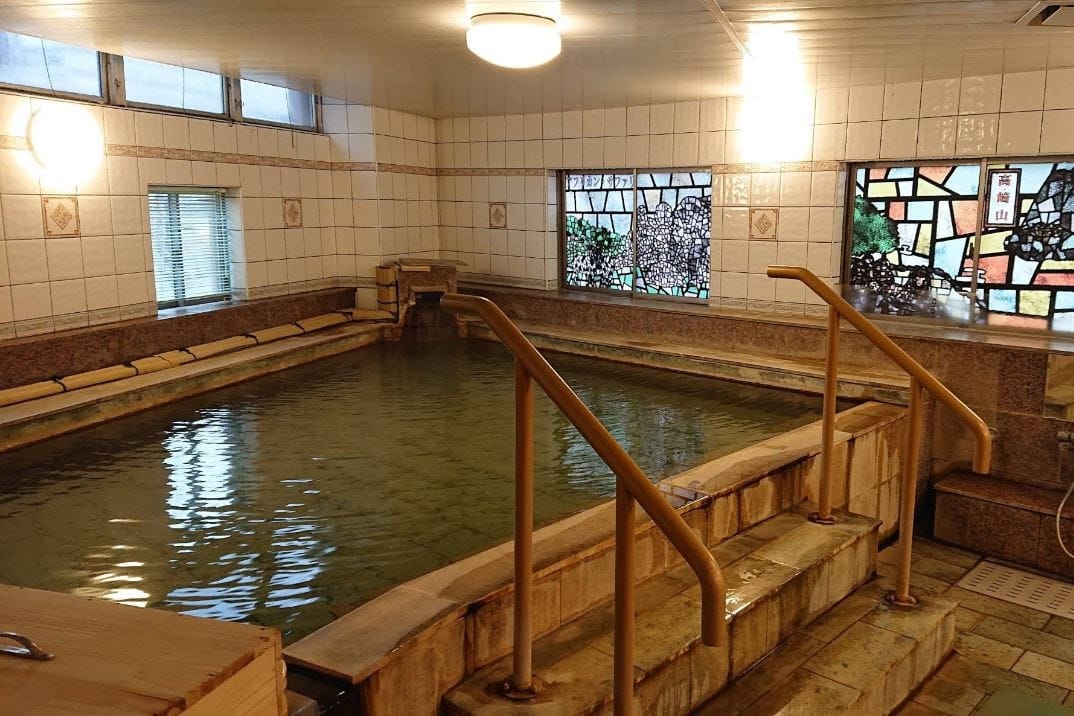
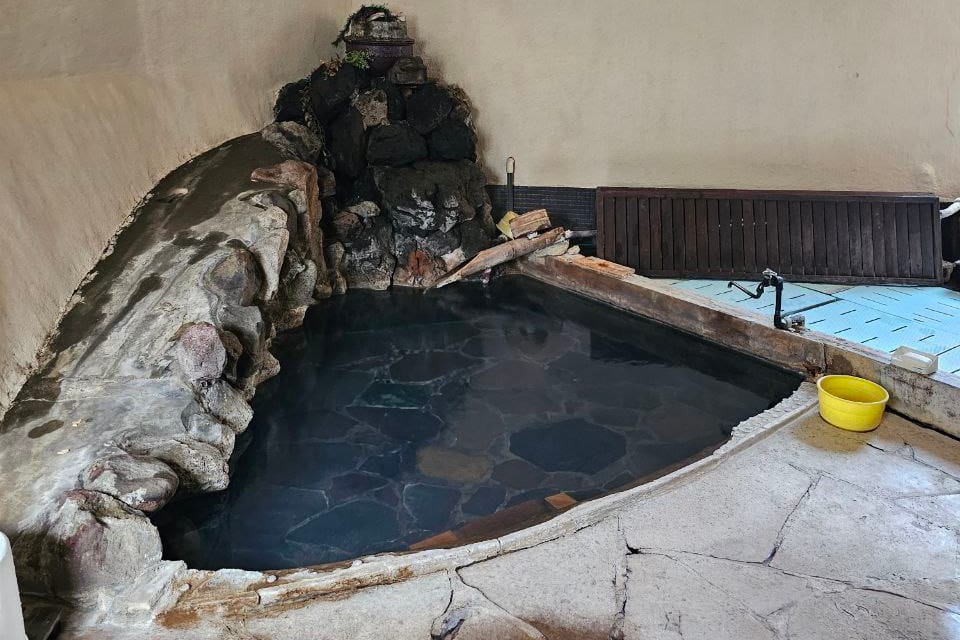
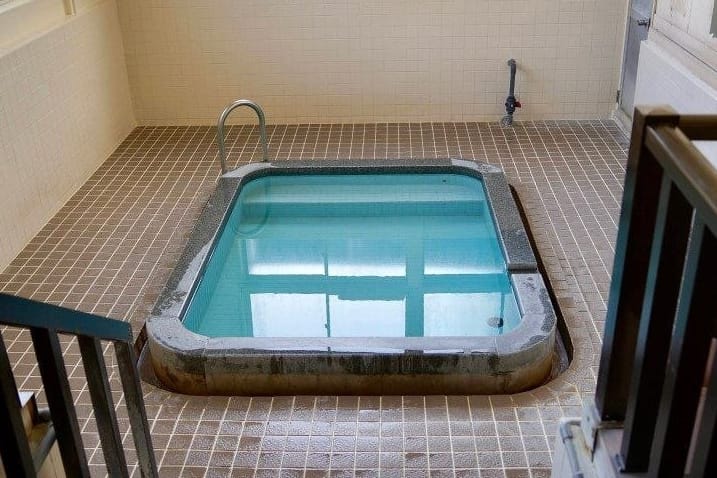

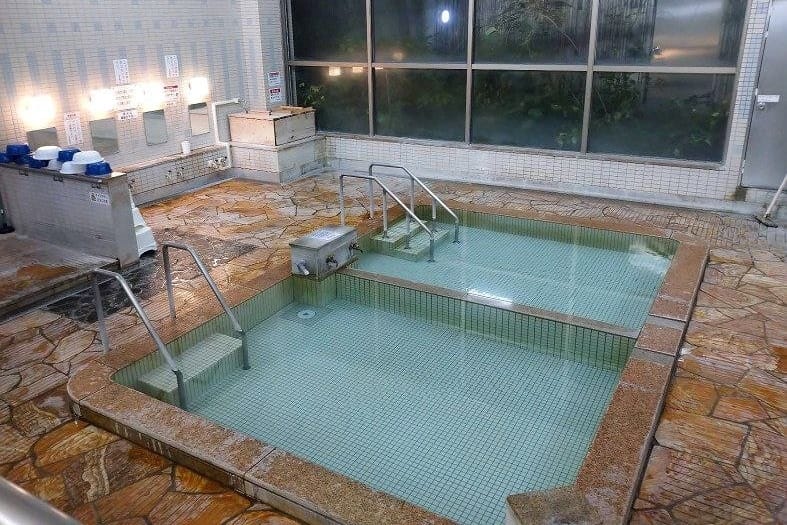
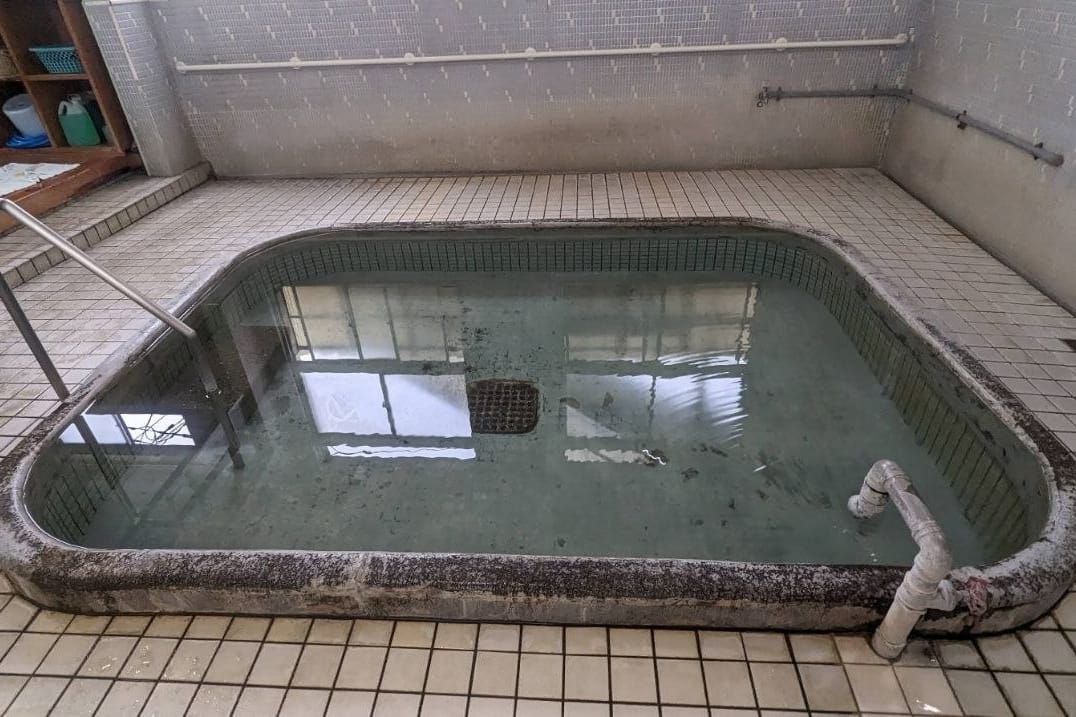
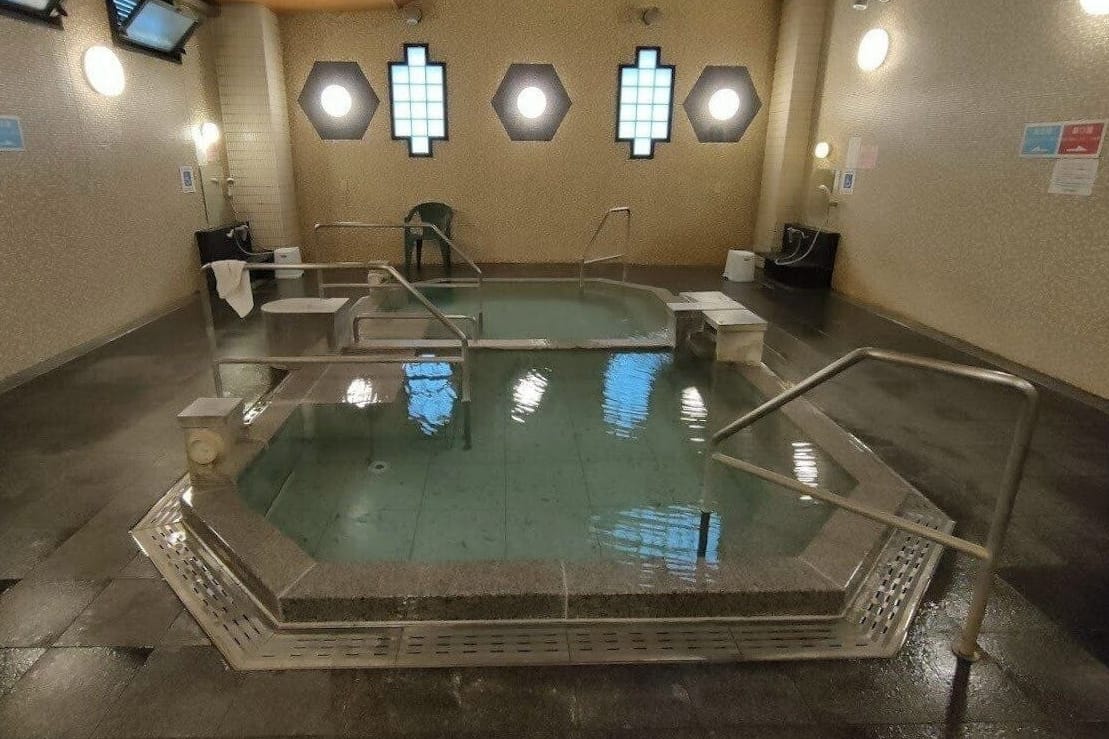
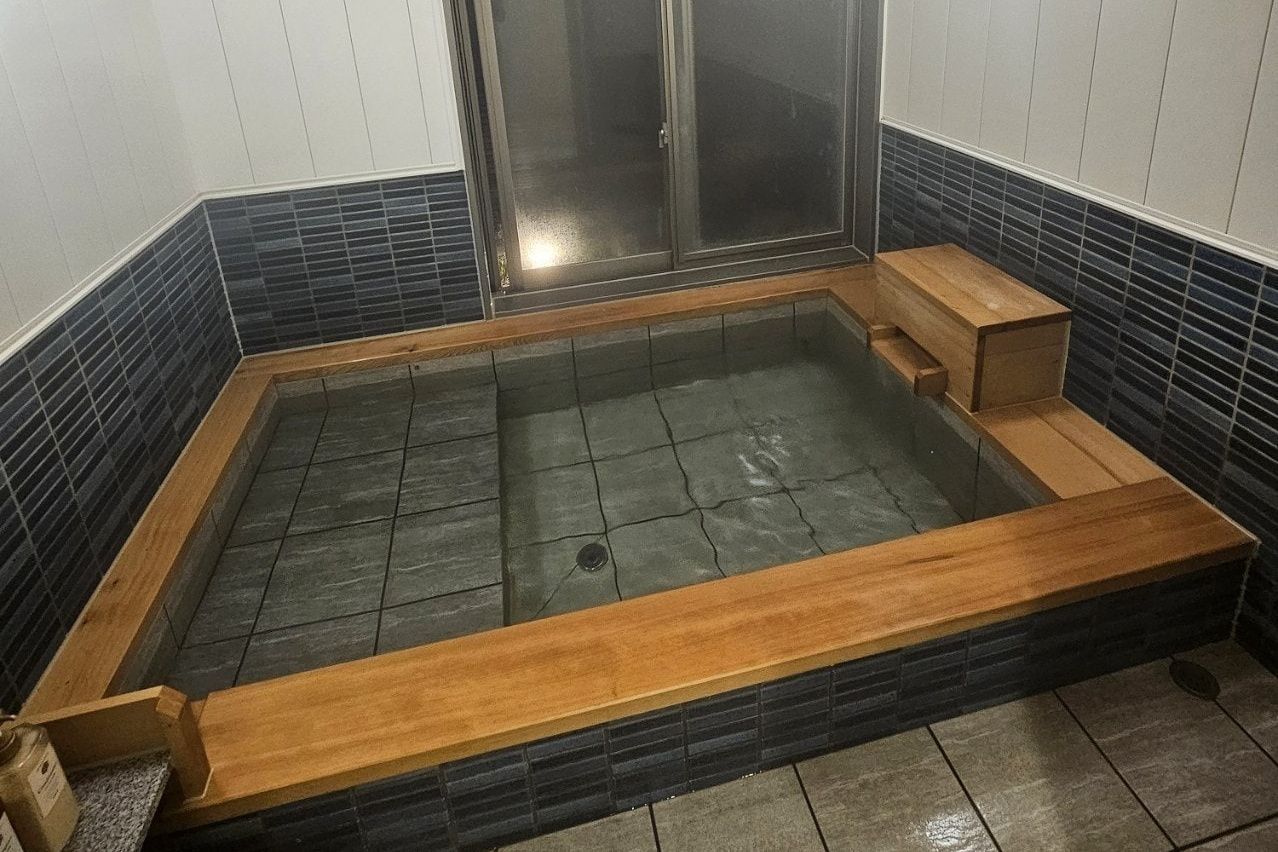
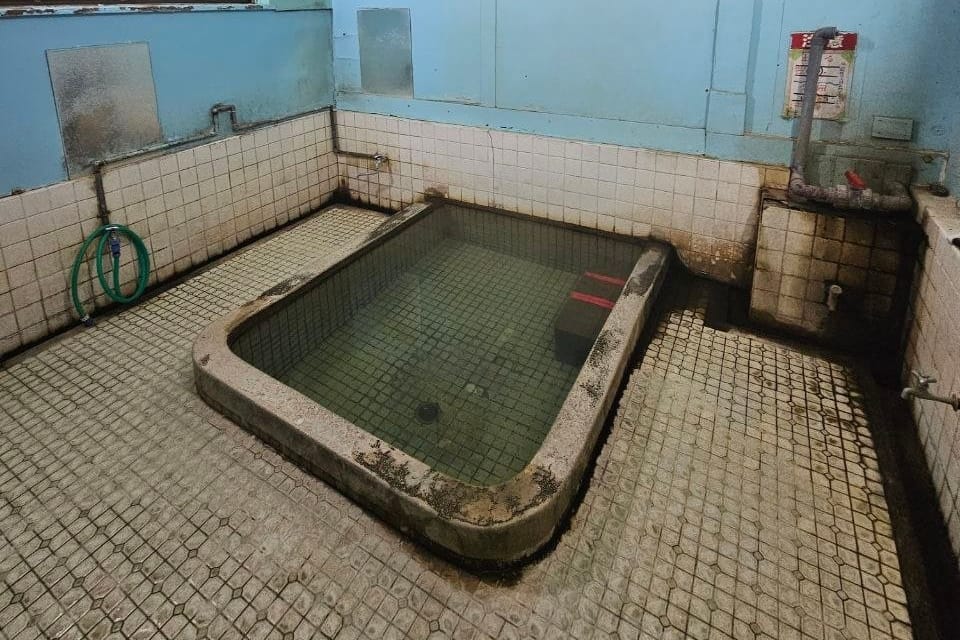
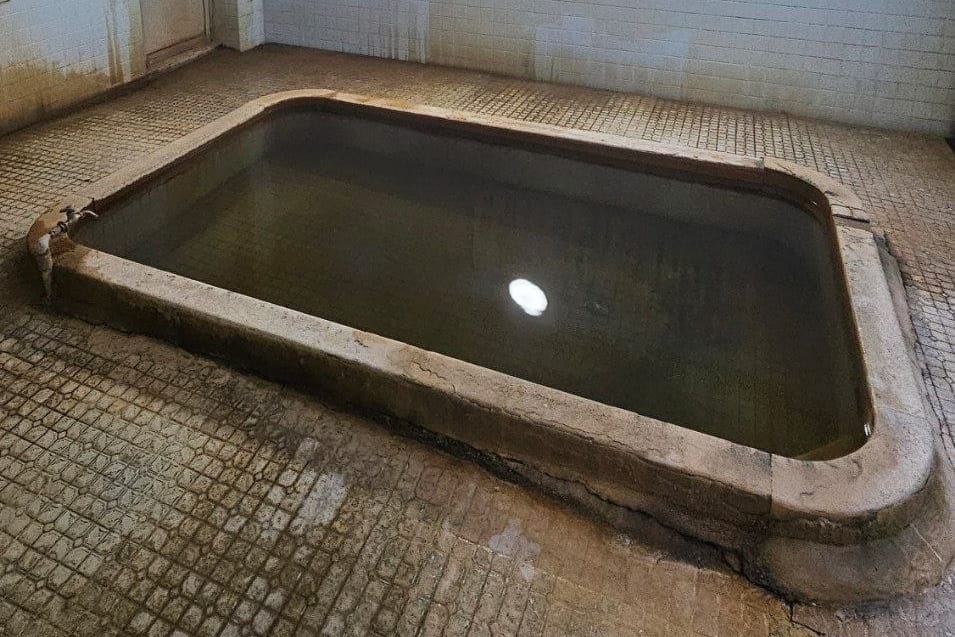
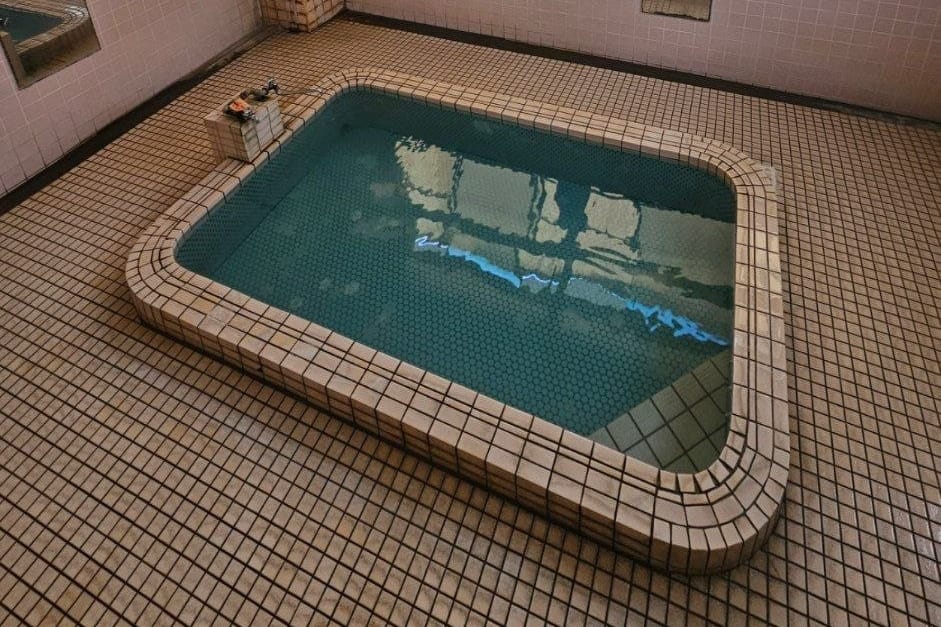
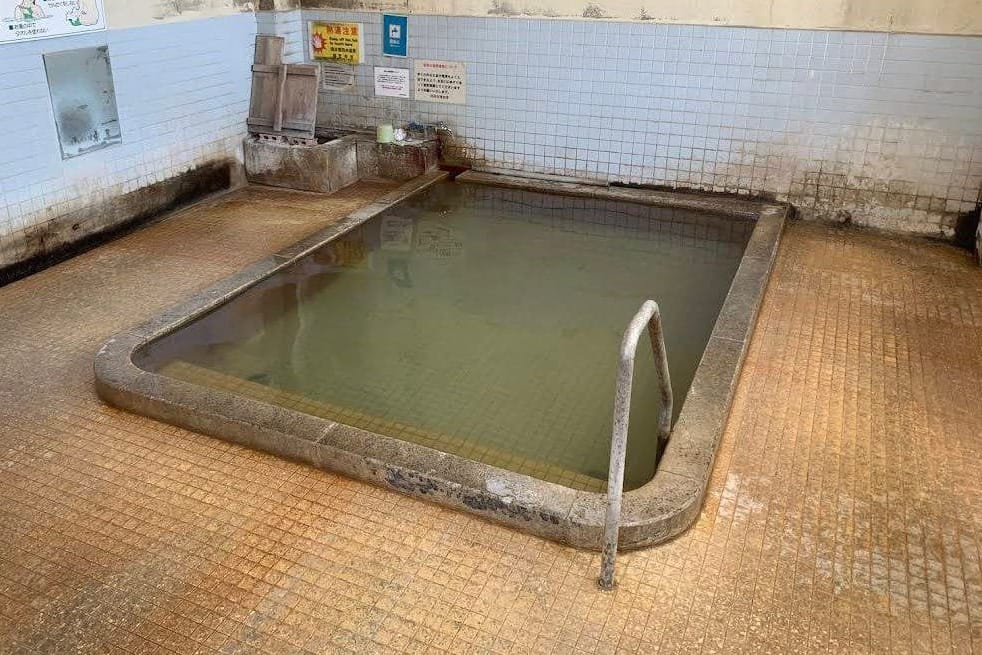
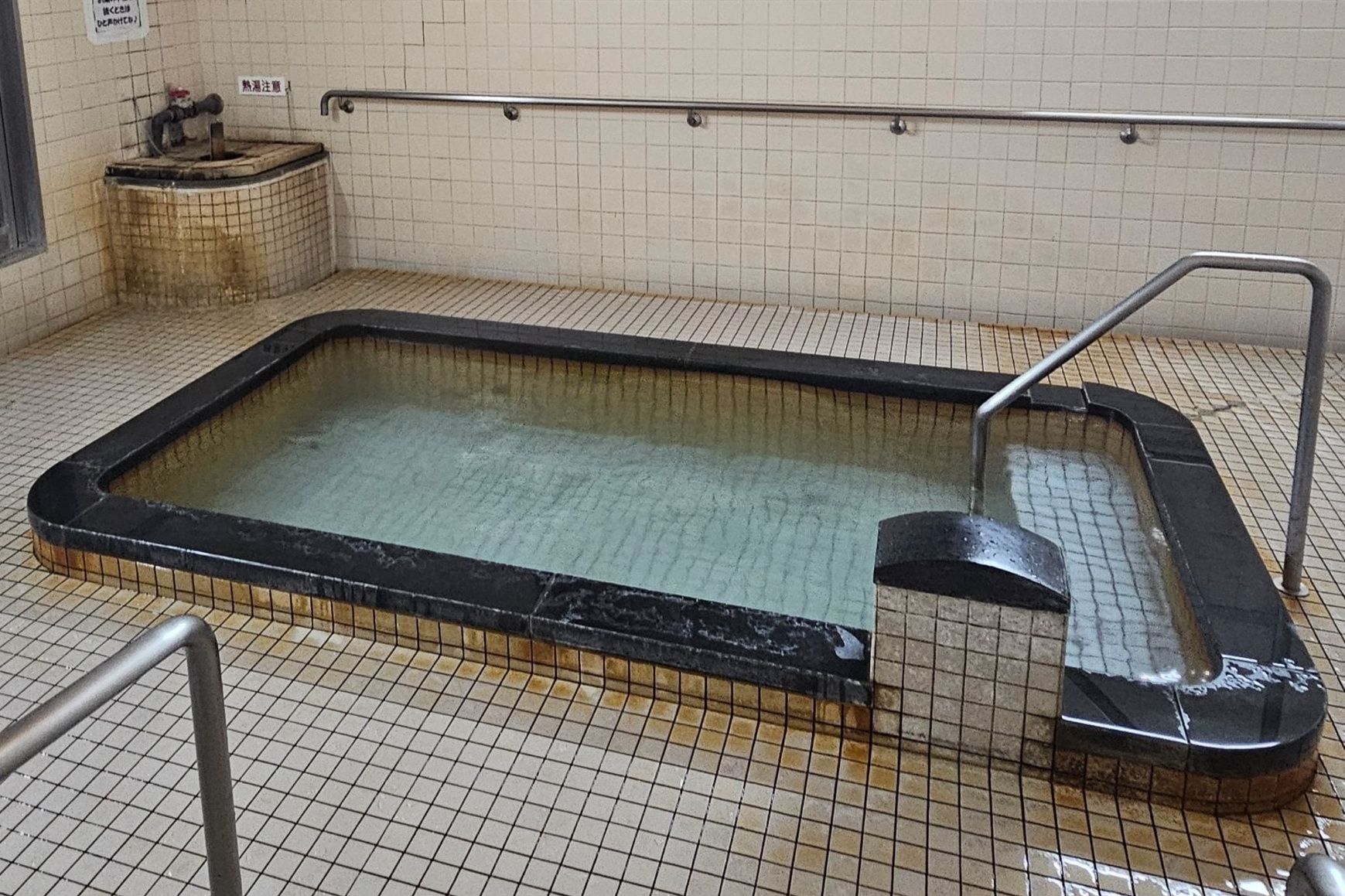



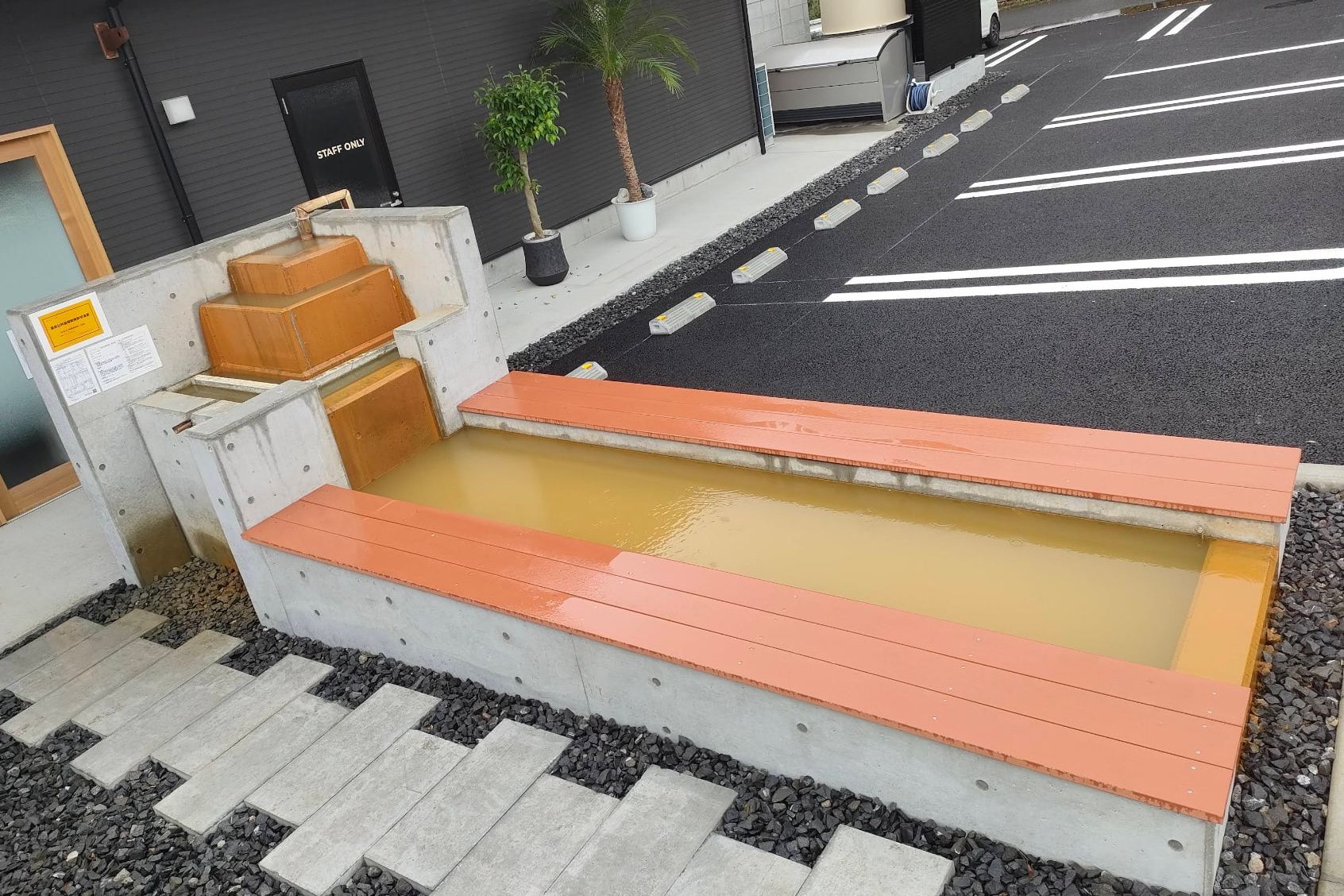
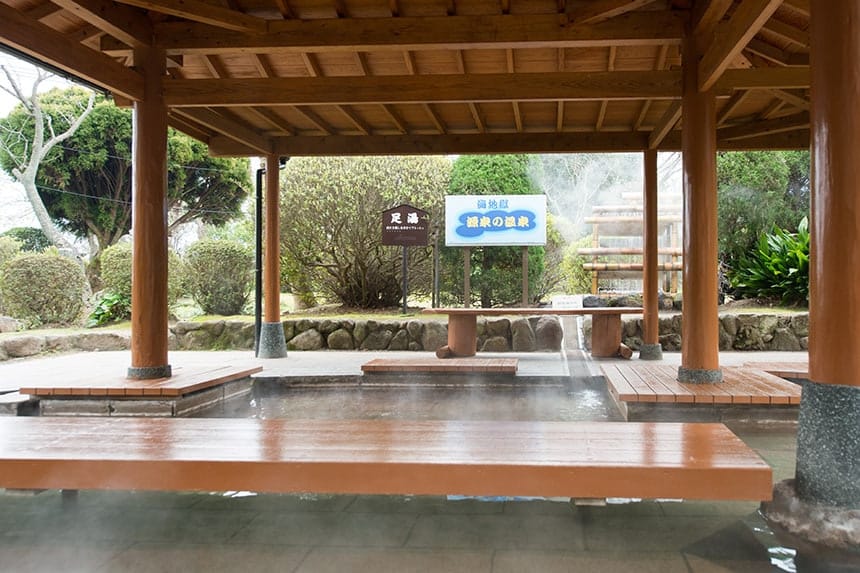
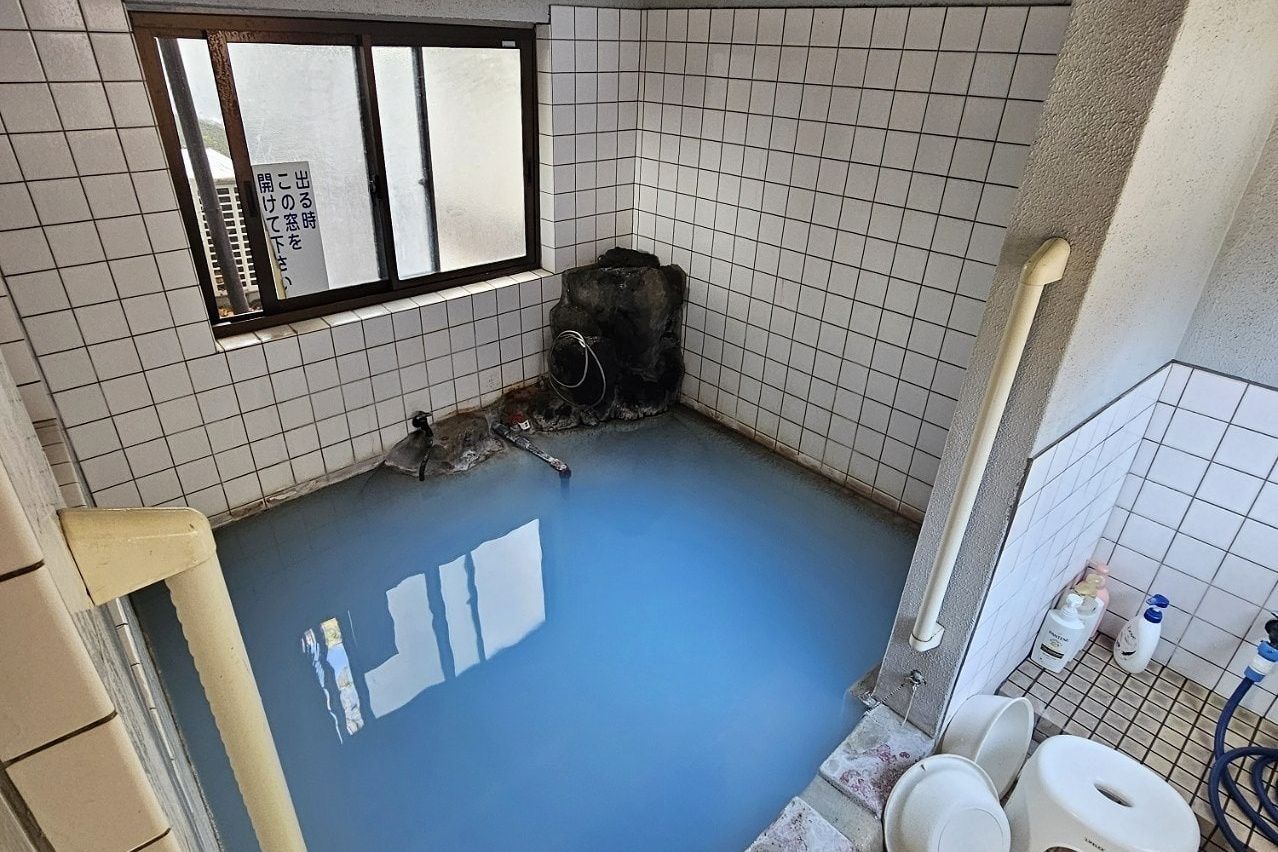
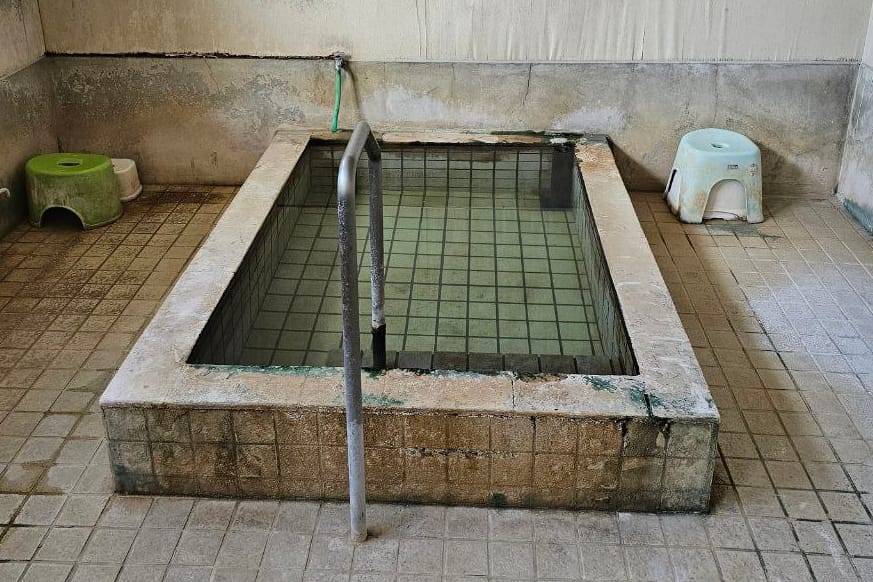
Closed & restricted
8
On the map
Loading map…
Nearby onsenchi
Within 50 kmSources
- Beppu Hatto Onsen-do — official portalofficial— Beppu City Tourism Office. Master list of the ~150 participating facilities, the Spaport booklet rules, and the Meijin / Eisei Meijin ladders.
- Beppu Hatto Onsen Matsuriofficial— Official festival site. Early April. Ogiyama Fire Festival, Yu-bukkake Matsuri, the Furo Marathon, and the Beppu Songkran cross-cultural events.
- Beppu City — municipal websiteofficial— Source for historical claims about the eight-district designation and the 1911 Nippo rail opening.
- Beppu Jigoku Meguri — official associationofficial— The Seven Hells tour. Source for the National Place of Scenic Beauty designations and the Bungo Fudoki reference.
- Visit Oita — prefectural tourismofficial— General visitor-facing context for Oita prefecture.