
Unzen Onsen
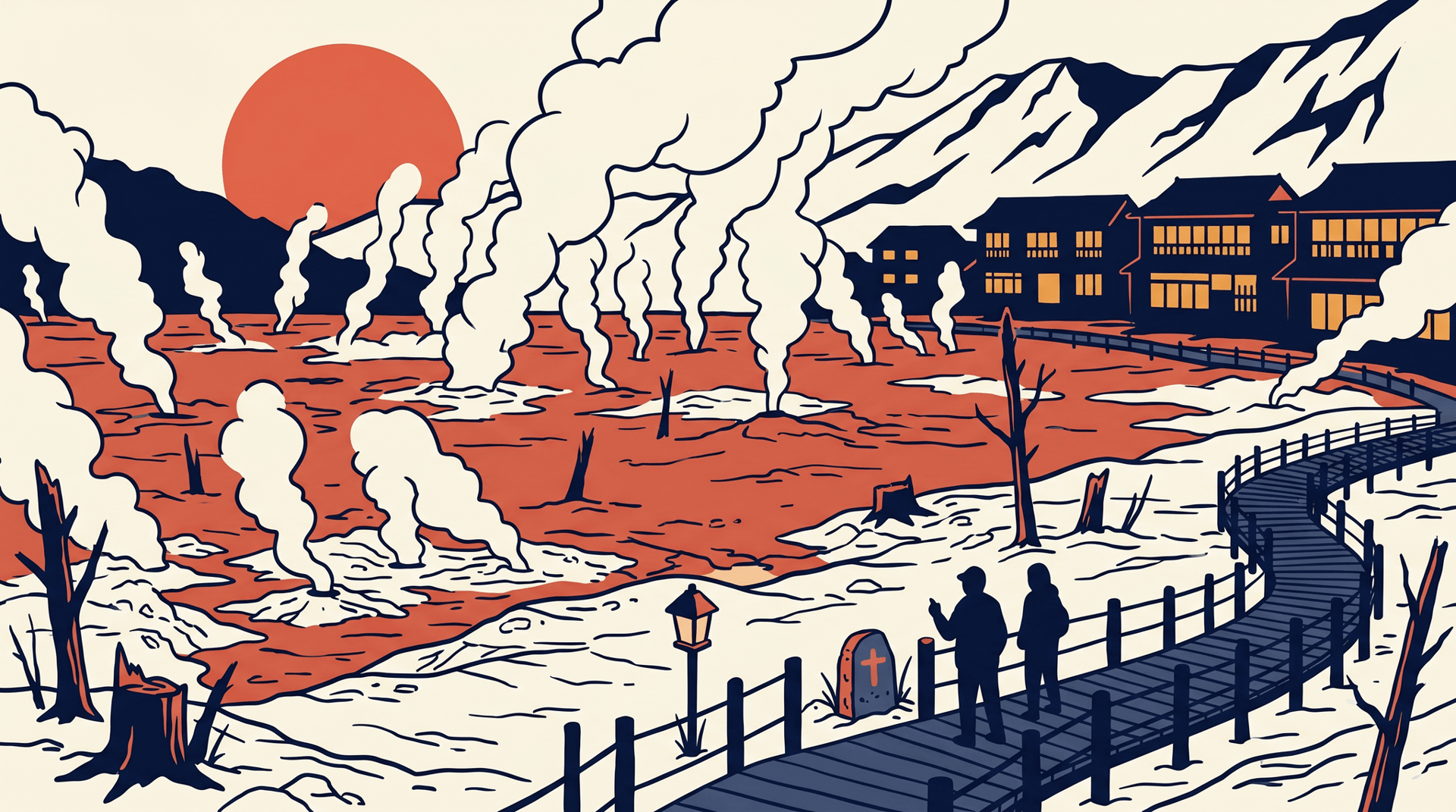
雲仙温泉Nagasaki highland onsen inside Unzen-Amakusa National Park (Japan's first, 1934). Steam vents of the Unzen Jigoku spread through the town center.
A spa town with two histories
Legend dates the opening of Unzen to 701, when the priest Gyoki is said to have founded Onsen-san Manmyo-ji on the steaming plateau at the heart of the Shimabara Peninsula. For nearly a thousand years the site was a mountain temple complex with adjacent springs; it became a regulated bathing town only in 1672, when the Shimabara lord Matsudaira Tadafusa appointed an official yumori (spring keeper) to manage the waters.
Between those two dates fall the years Unzen does not advertise on its postcards. From 1627 to 1632, the same boiling vents that now run through the centre of town were used by the Shimabara domain to torture Christians who refused to recant. Victims were doused with scalding spring water, or thrown into the pools in front of family. Thirty-three are recorded as having been killed at Unzen Jigoku; twenty-nine of them were beatified by Rome in 2007. A simple cross above the boardwalks marks the site.
In 1934, Unzen became the centrepiece of Japan's very first national park (extended in 1956 to include the Amakusa islands and renamed accordingly).
Sulfurous steam and a cool plateau
Unzen sits at roughly 700 metres above sea level, on the saddle between the peaks of the volcanic Unzen range. The town itself is built around the Unzen Jigoku ("Unzen Hells"): an open field of sulfurous fumaroles, milky hot pools, and hissing steam vents, crossed by wooden boardwalks that take about forty minutes to walk end to end. The smell of sulfur is unmistakable, and on cold mornings the entire centre of town vanishes into white steam.
The altitude is also why Unzen became a summer retreat for foreigners in the Meiji and Taisho eras. After the North China Daily News published a piece on the springs in 1889, Shanghai-based Westerners began arriving by ship from Nagasaki; by 1913 the town had a golf course and tennis courts to entertain them, and the cool, dry summers earned Unzen the nickname "the Karuizawa of Kyushu" in foreign guidebooks.
The volcano next door
The Unzen range last erupted from 1990 to 1995. On 3 June 1991, a pyroclastic flow from Fugen-dake killed forty-three people, including the volcanologists Katia and Maurice Krafft and Harry Glicken. The eruption built a new lava dome, Heisei-shinzan (1,486 m), now the highest peak in the range and visible from the Nita Pass ropeway, which lifts visitors above the plateau for views over the Ariake Sea and, in late October and early November, the most photographed autumn foliage on Kyushu.
Places in this area
13 places · Sorted by rating
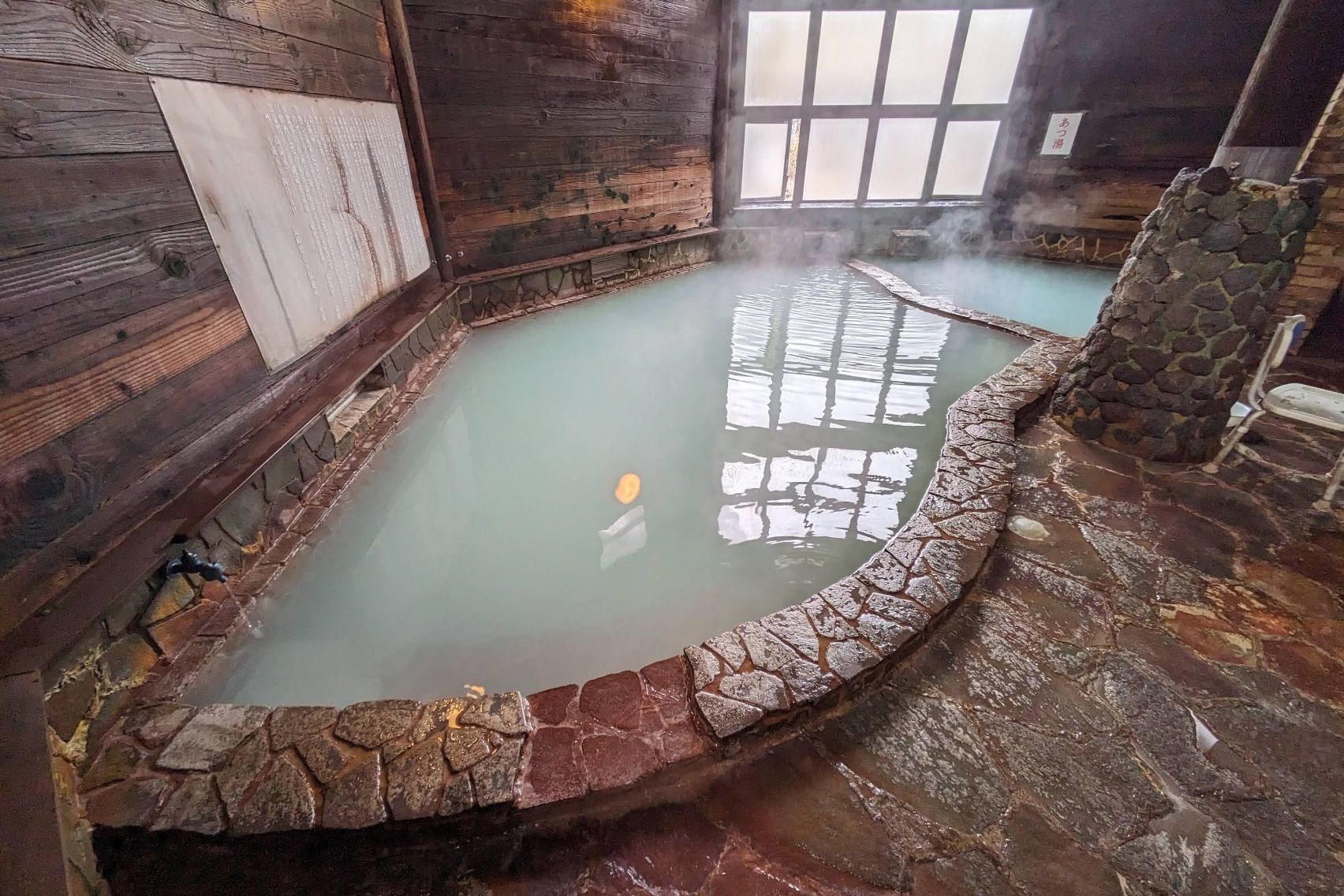
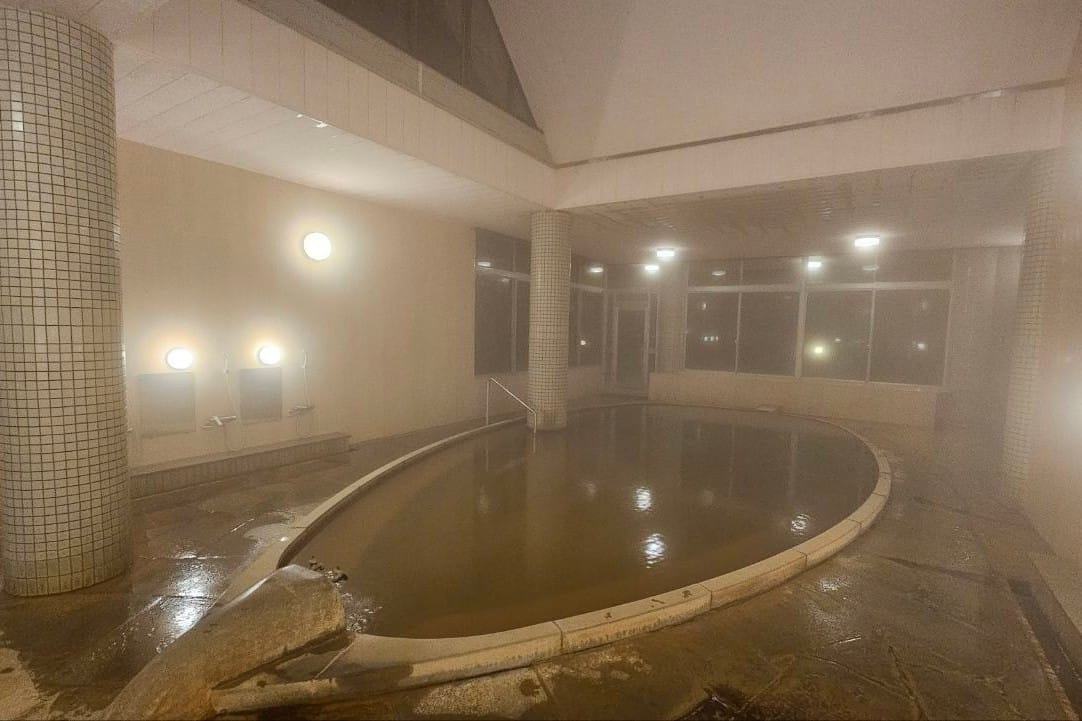 Lodging
雲仙スカイホテル
Nagasaki
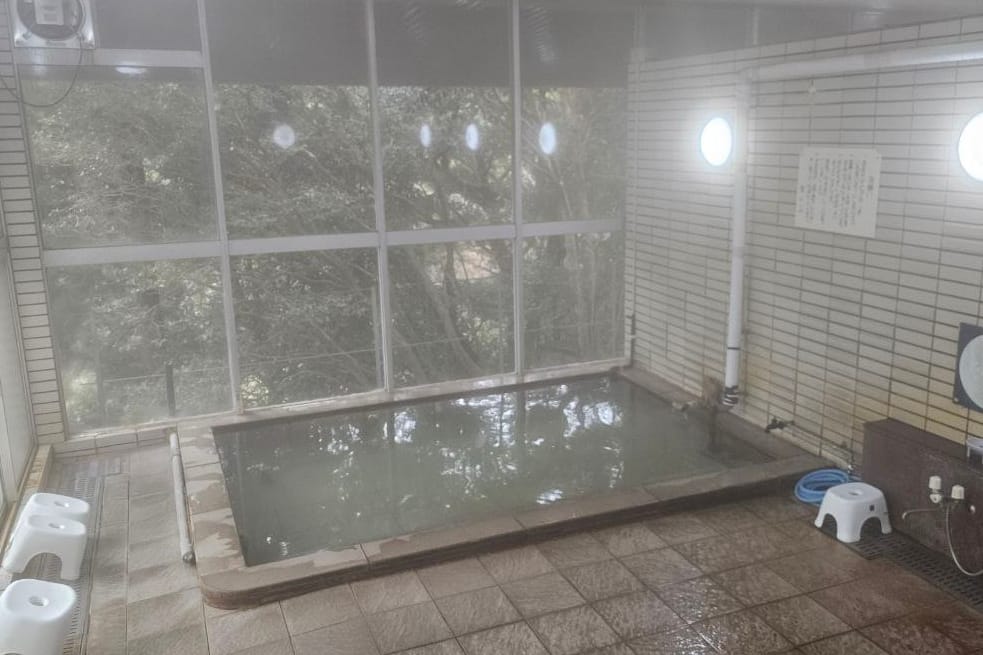
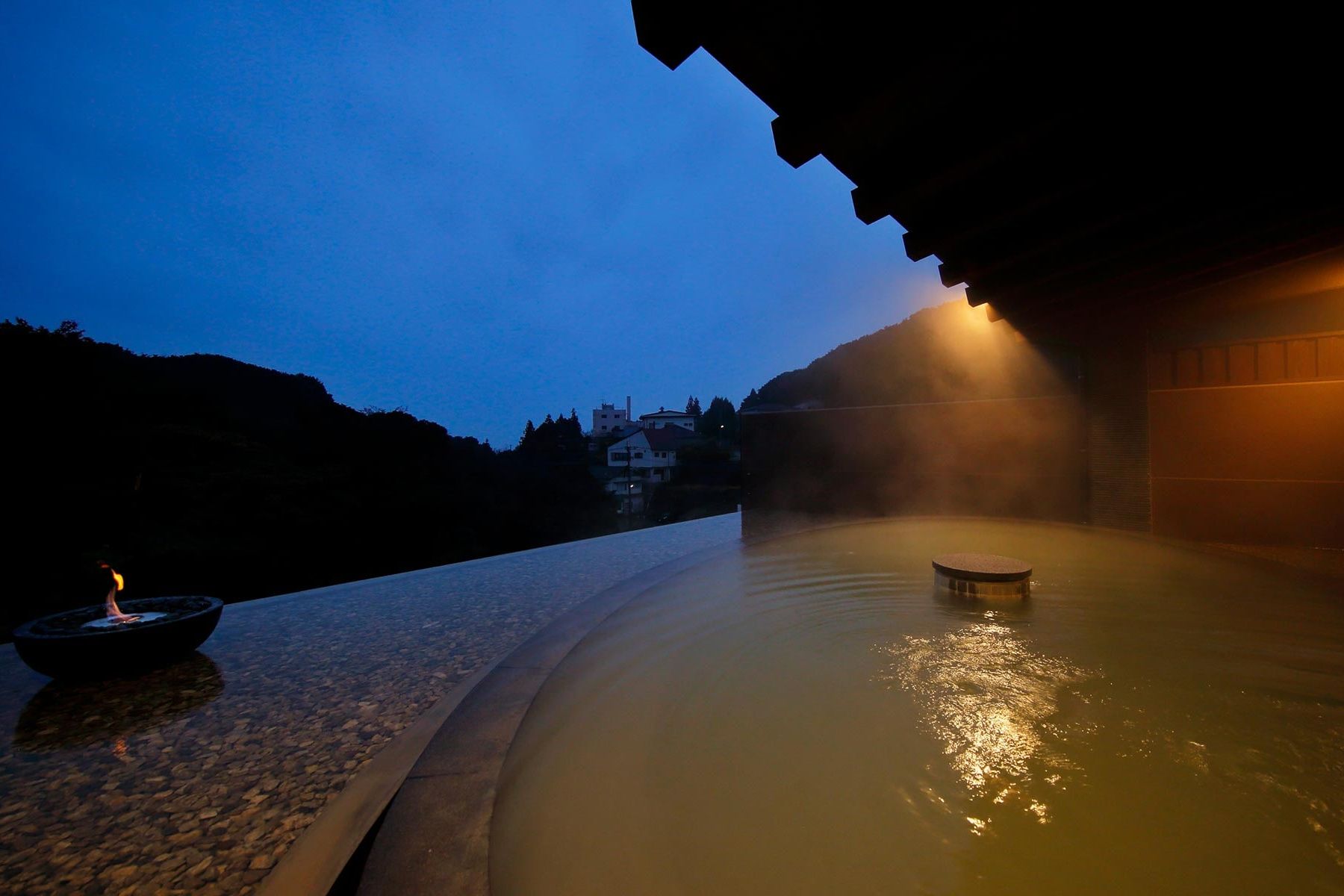
雲仙いわき旅館
Nagasaki
On the map
Loading map…
Nearby onsenchi
Within 50 kmSources
- Unzen Tourist Association — official siteofficial— Find UNZEN. Operated by the Unzen Tourism Bureau. General visitor information, the Unzen Jigoku boardwalk map, ryokan listings.
- Unzen Tourist Association — Christian martyrdom historyofficial— Source for the 1627–1632 Unzen Jigoku torture period and the count of 33 martyrs.
- Unzen-Amakusa National Park — Ministry of the Environmentofficial— Source for the 1934 first-national-park designation and the 1956 extension that added the Amakusa archipelago.
- Mount Unzen — Wikipedia— Source for the 1990–1995 Heisei eruption, the June 3 1991 pyroclastic flow, and the formation of Heisei-shinzan (1,486 m).
- 雲仙温泉 — Wikipedia (Japanese)— Source for the 701 Gyoki founding legend (Onsen-san Manmyo-ji) and the 1672 designation of a yumori under the Shimabara domain.