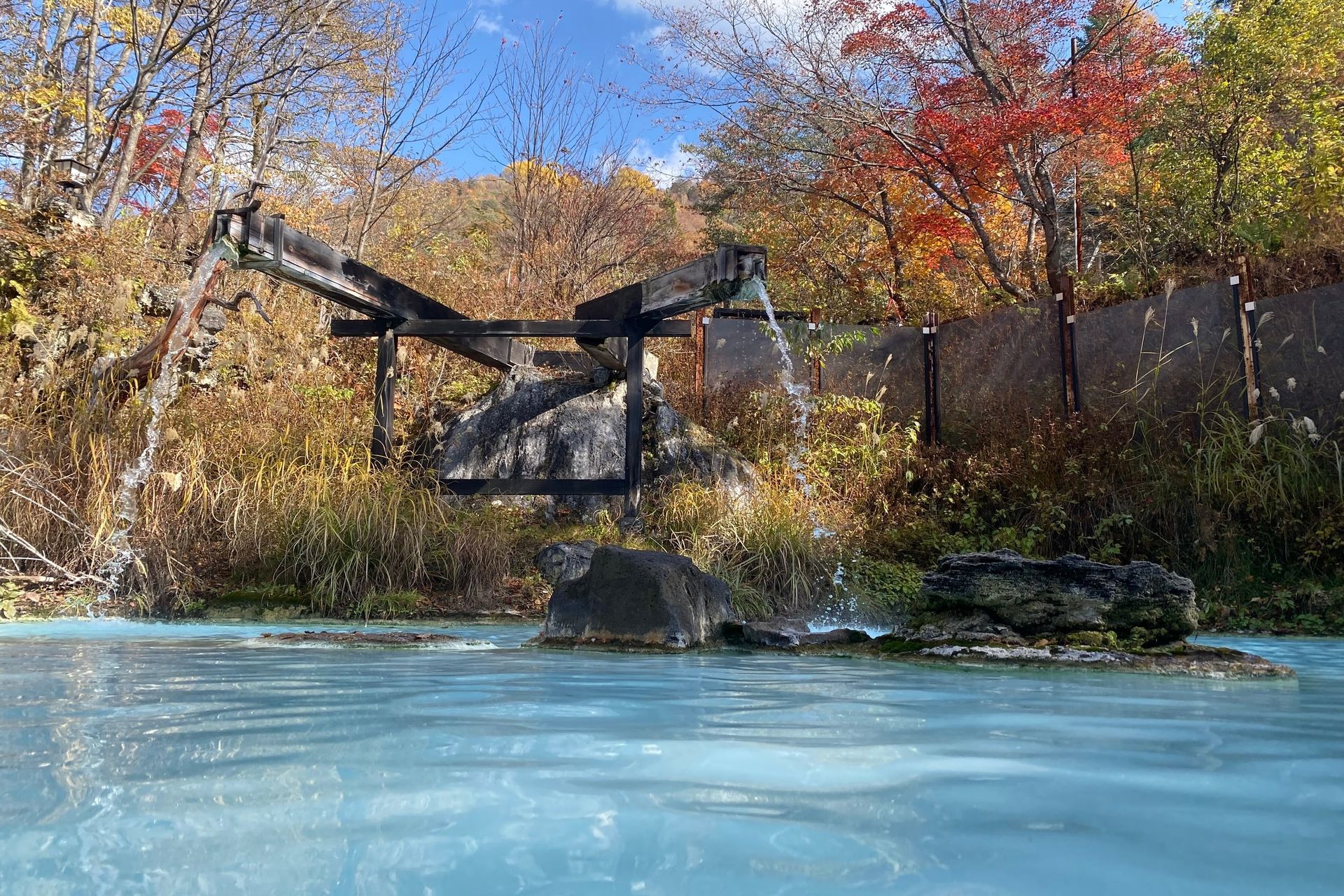
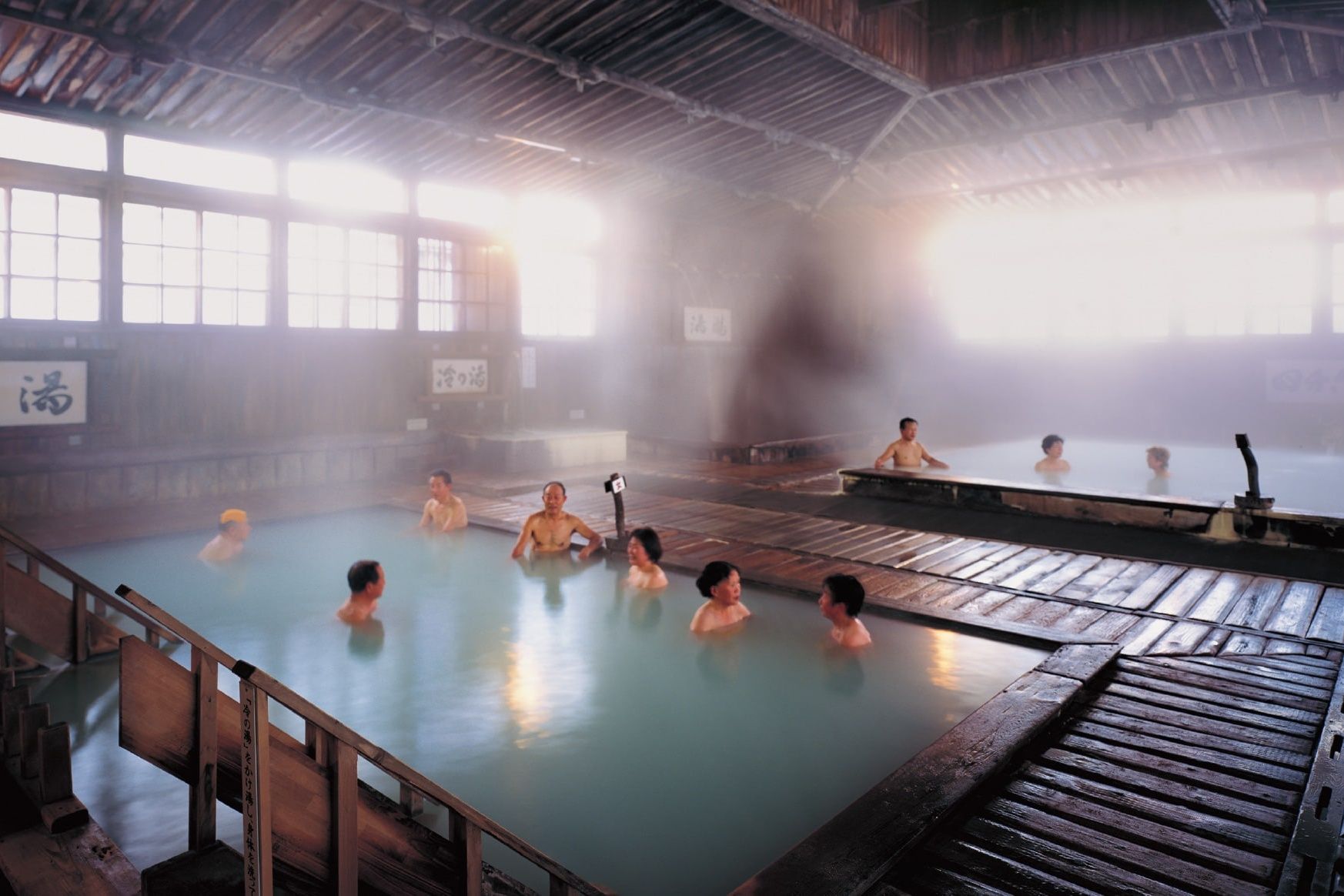
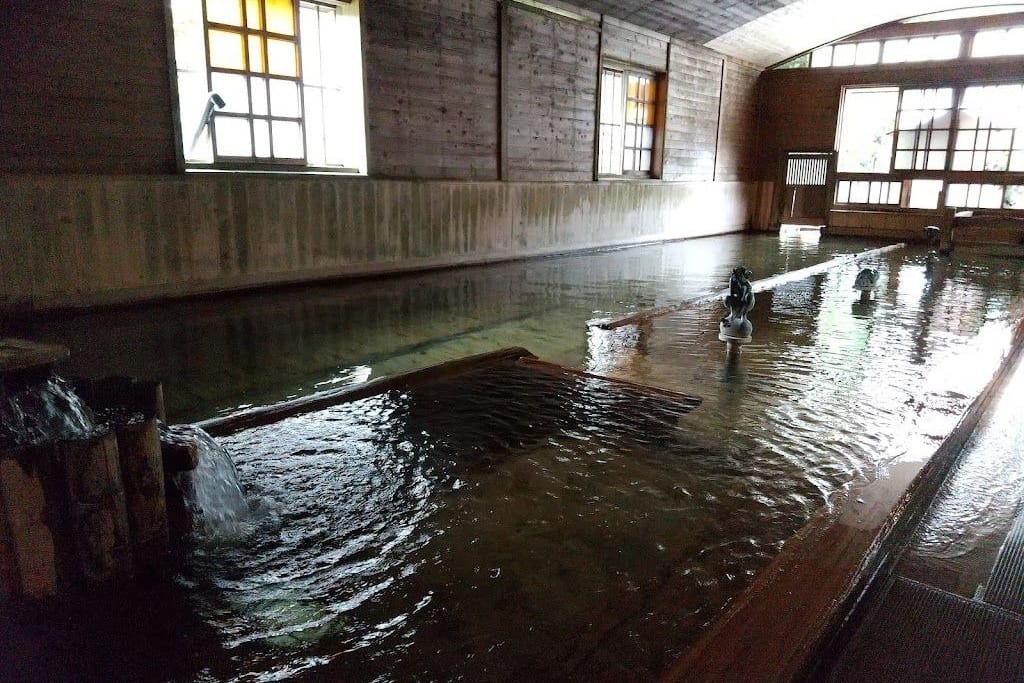
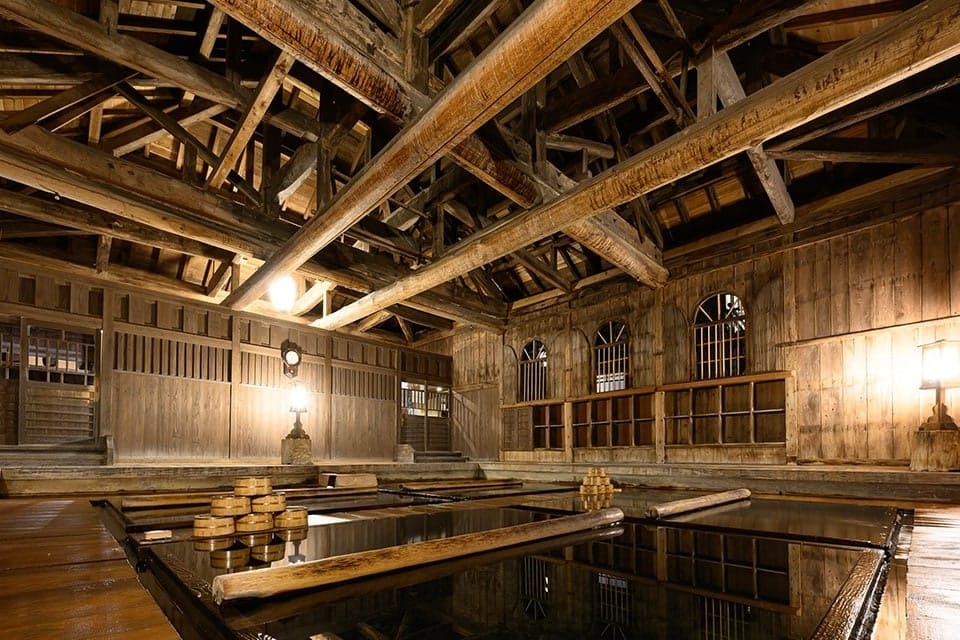
For most of Japanese history, mixed bathing was simply how people bathed. In the towns of the Edo period the public bath was a social hub, and sharing the water carried no shame. When Commodore Perry's expedition reached Japan in the 1850s, Western visitors were scandalized: the expedition's official report (the Narrative of the Perry Expedition, compiled by Francis Hawks, 1856) complained that a mixed bath "was not calculated to impress the Americans with a very favorable opinion of the morals of the inhabitants," and the offending illustration was quietly dropped from the book's later editions.
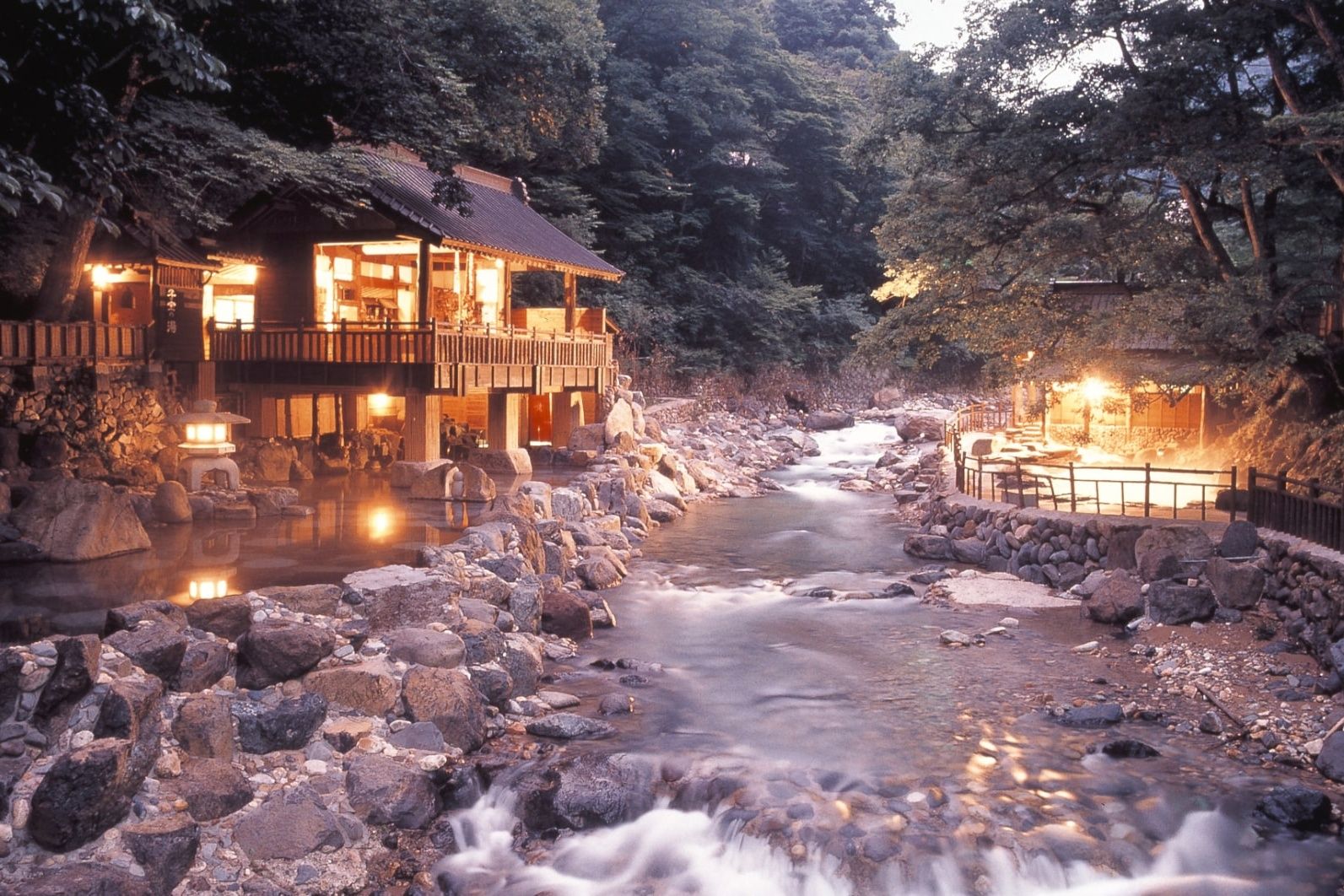
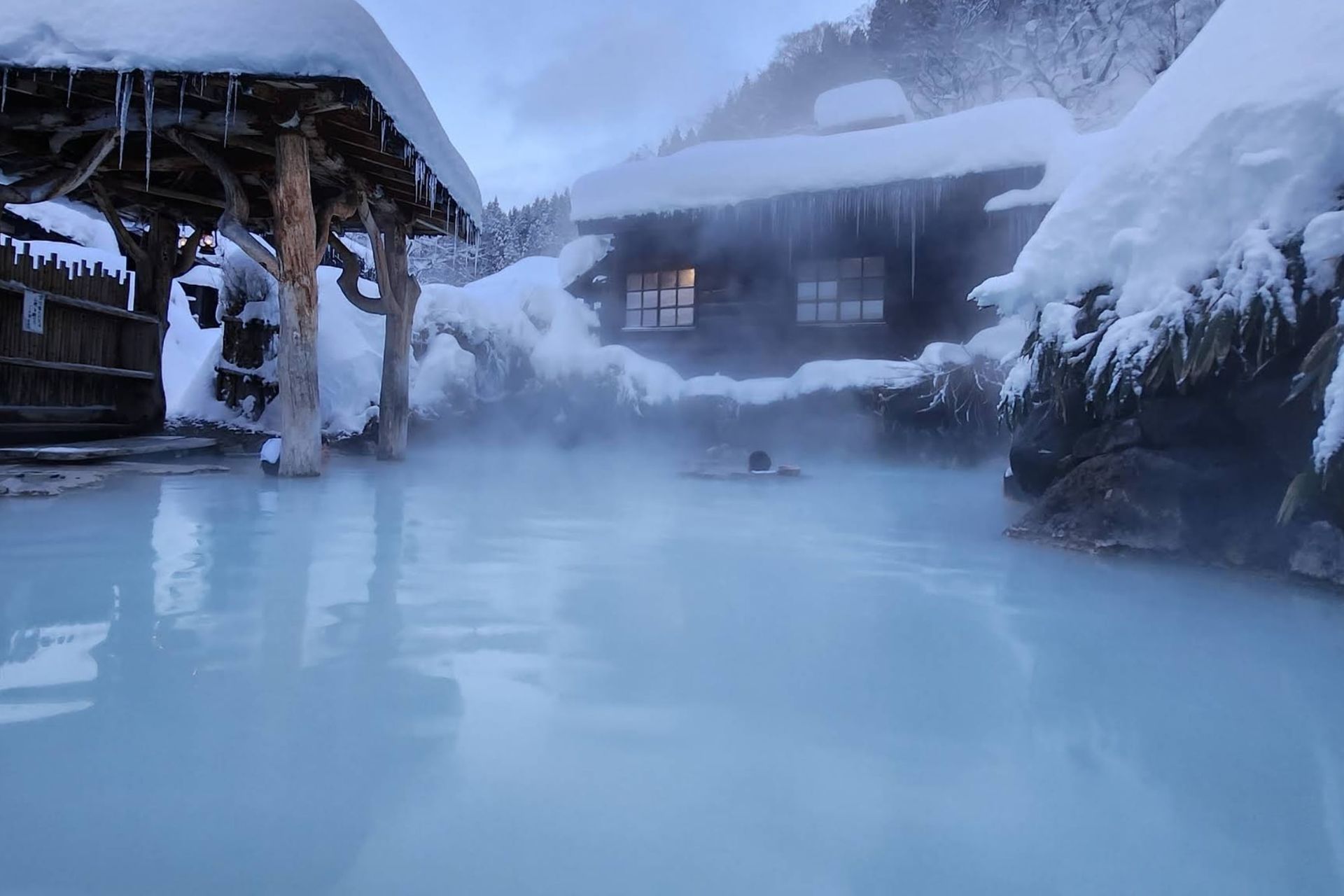
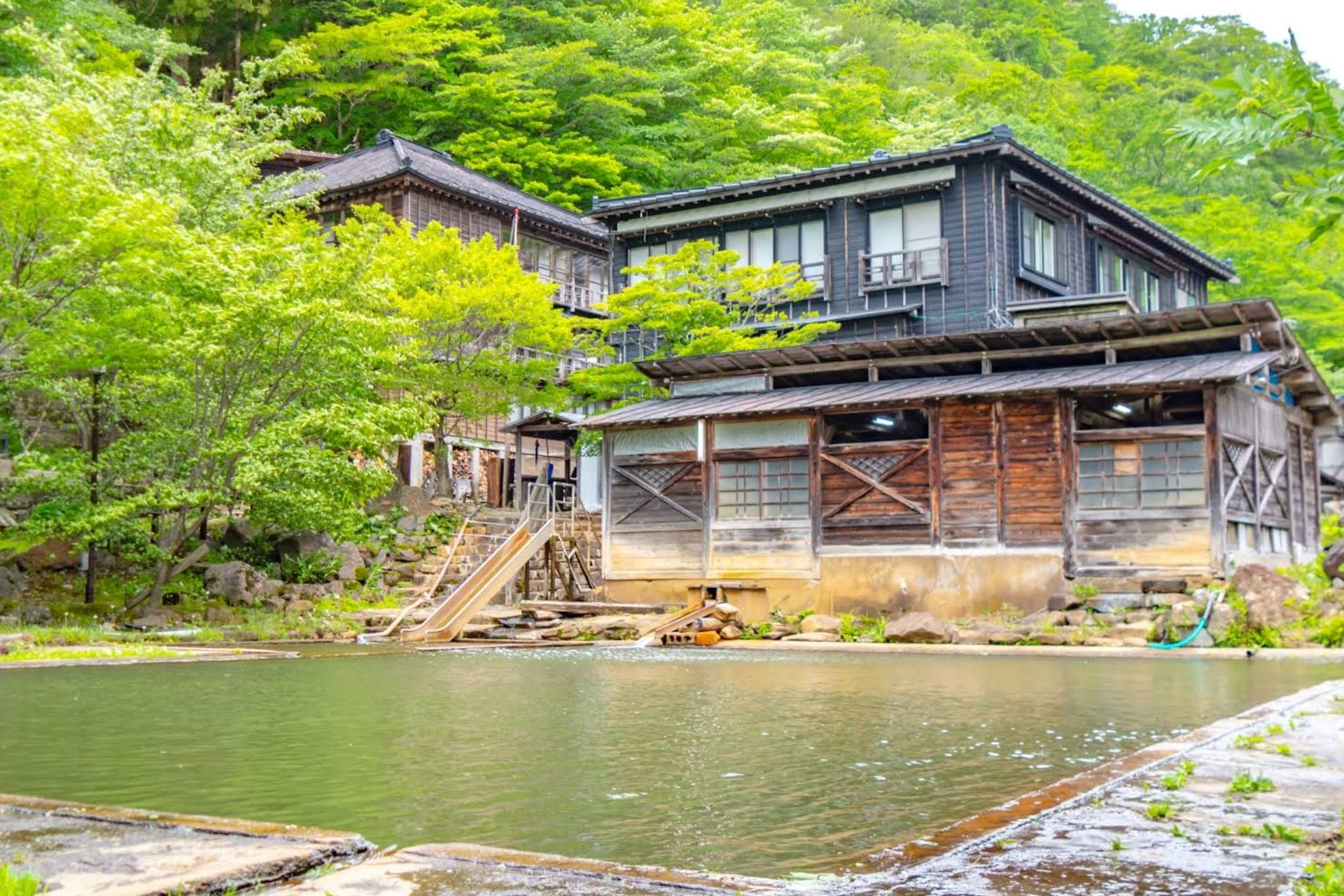
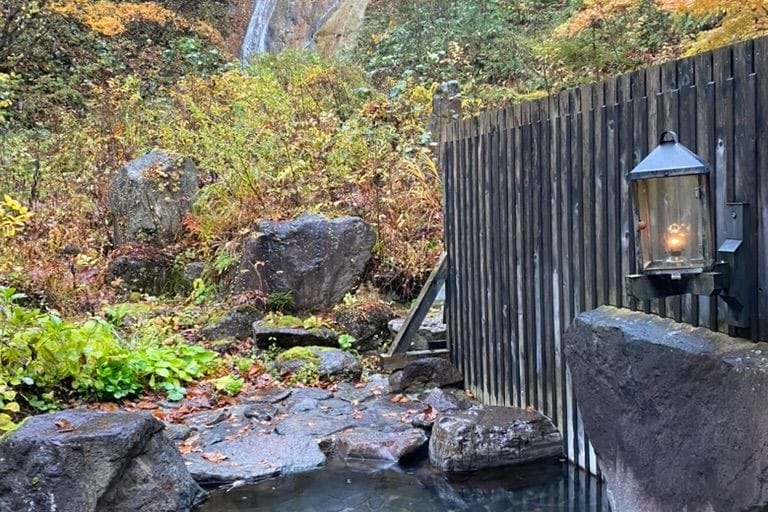
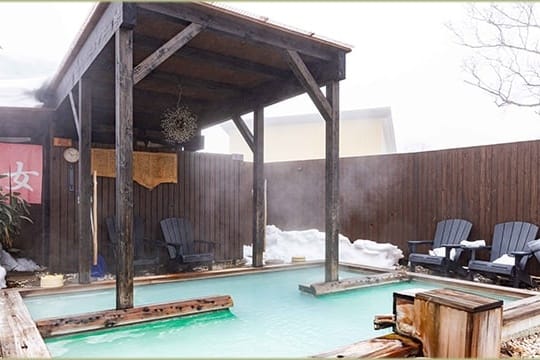
Eager to be seen as civilized, the Meiji government banned mixed bathing in towns in February 1869, and from 1879 Tokyo began licensing bathhouses under rules that enforced it. Crucially, the ban only forbade new mixed baths; the ones that already existed were allowed to continue. That rule still holds, which is why konyoku can never be created anew, only inherited, and why it survives mostly in the remote hot-spring valleys of Tohoku and the mountains, beyond the reach of city ordinances.
No official count of mixed baths exists; the often-quoted fall from around 1,200 in the 1990s to a few hundred today comes from a single onsen documentarian, not a census. But the decline is real, and it has not gone unnoticed. In 2021 Japan's Environment Ministry ran a "Mixed Bathing in 10 Years" project to help preserve the tradition, openly studying problems like the loitering wani and trialing bathing wraps. The baths that survive do so because their owners, and their bathers, still believe they are worth keeping.