
Minakami Onsen-kyo
水上温泉郷Group of 18 onsen along the upper Tone River in northern Gunma, surrounded by Tanigawa-dake. Big snow country with skiing, rafting, and rotenburo.
Eighteen springs at the head of the Tone
Minakami Onsen-kyo is not a single town but a chain of springs strung along the upper Tone river as it drops out of the Mikuni range into Gunma. The historic core, Minakami Onsen, is credited by local legend to the wandering monk Kaion, who is said to have spotted steam rising from the cliffs above the river during the Eiroku era. For centuries the valley stayed remote, but when the JR Joetsu Line reached Minakami station in 1931 the springs were suddenly within an afternoon of Ueno, and the resort took its modern shape almost immediately. Showa-era literary travellers followed the line up: the poets Yosano Akiko and Wakayama Bokusui both stayed in the valley, and Dazai Osamu spent time at Tanigawa Onsen in 1936.
The eight original springs (Minakami, Tanigawa, Unose, Yubiso, Mukoyama, Takaragawa, Yunokoya, Uenohara) were joined by ten more after the 2005 merger that formed the current Minakami town, giving the resort its Minakami Juhachi-yu ("eighteen springs of Minakami") billing. Each district keeps its own source, its own water character, and in most cases its own cluster of ryokan.
Under Tanigawa, on white water
The valley sits directly beneath Mt. Tanigawa-dake, a 1,977 m peak on the Gunma–Niigata border that doubles as one of the Hyakumeizan and one of the deadliest hiking mountains in Japan, with sheer east-face walls that have claimed more lives than any other peak in the world. The Tanigawadake ropeway lifts walkers up the gentler western side to Tenjindaira, where the view back over the headwater basin makes the geography of the resort legible in a glance.
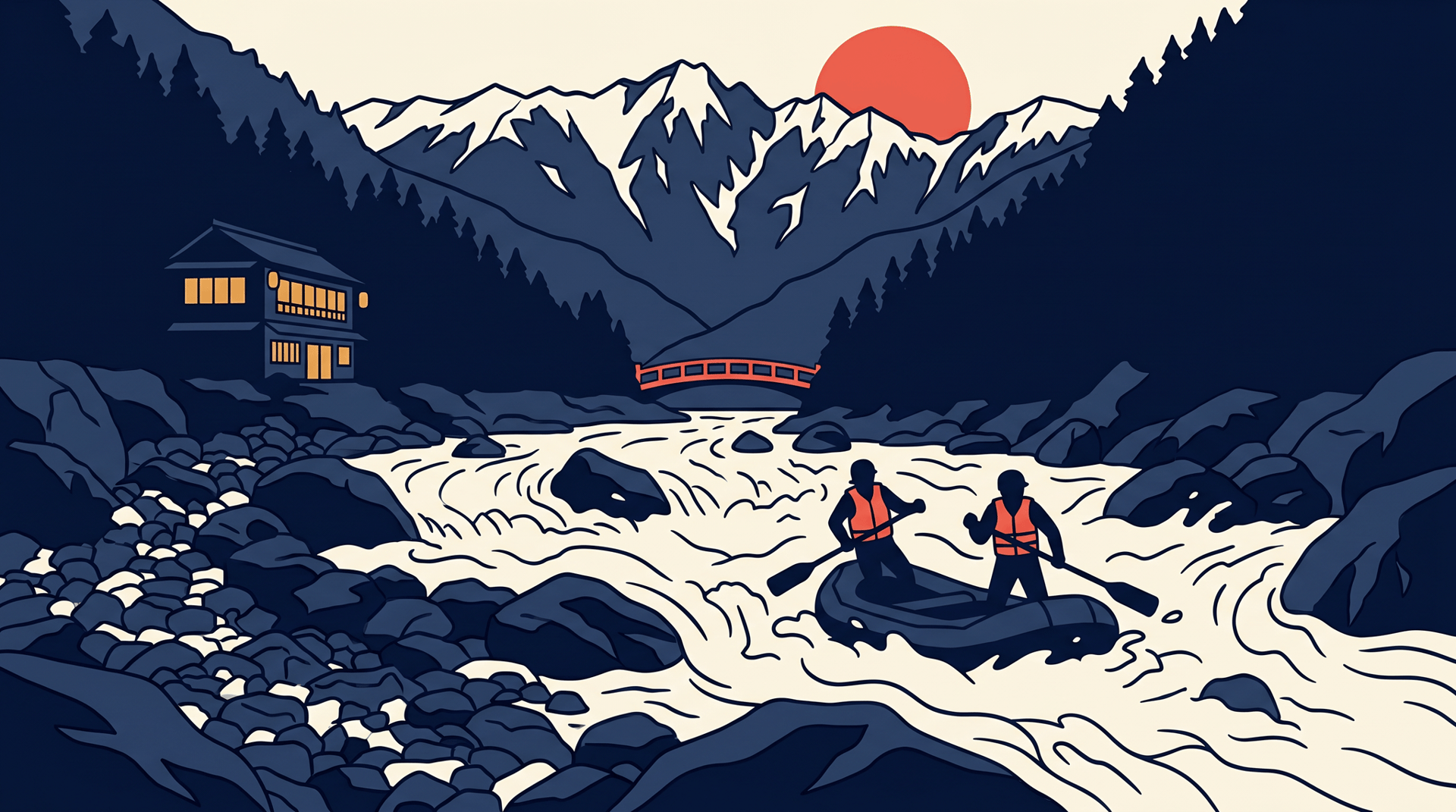
The same gradient that makes the mountain dangerous makes the river loud. The Tone arrives at Minakami as grade-four whitewater, fed by snowmelt through spring and summer, and the valley is generally regarded as the birthplace of commercial rafting in Japan: outfitters here ran the first domestic tours in the 1990s, and the town now markets itself as a year-round adventure-sports base for canyoning, bungee, paragliding and kayaking alongside the bathing. Summers stay cool. In winter the snow piles up and the same operators switch to ski terrain.
Steam trains, mixed baths, ropeways
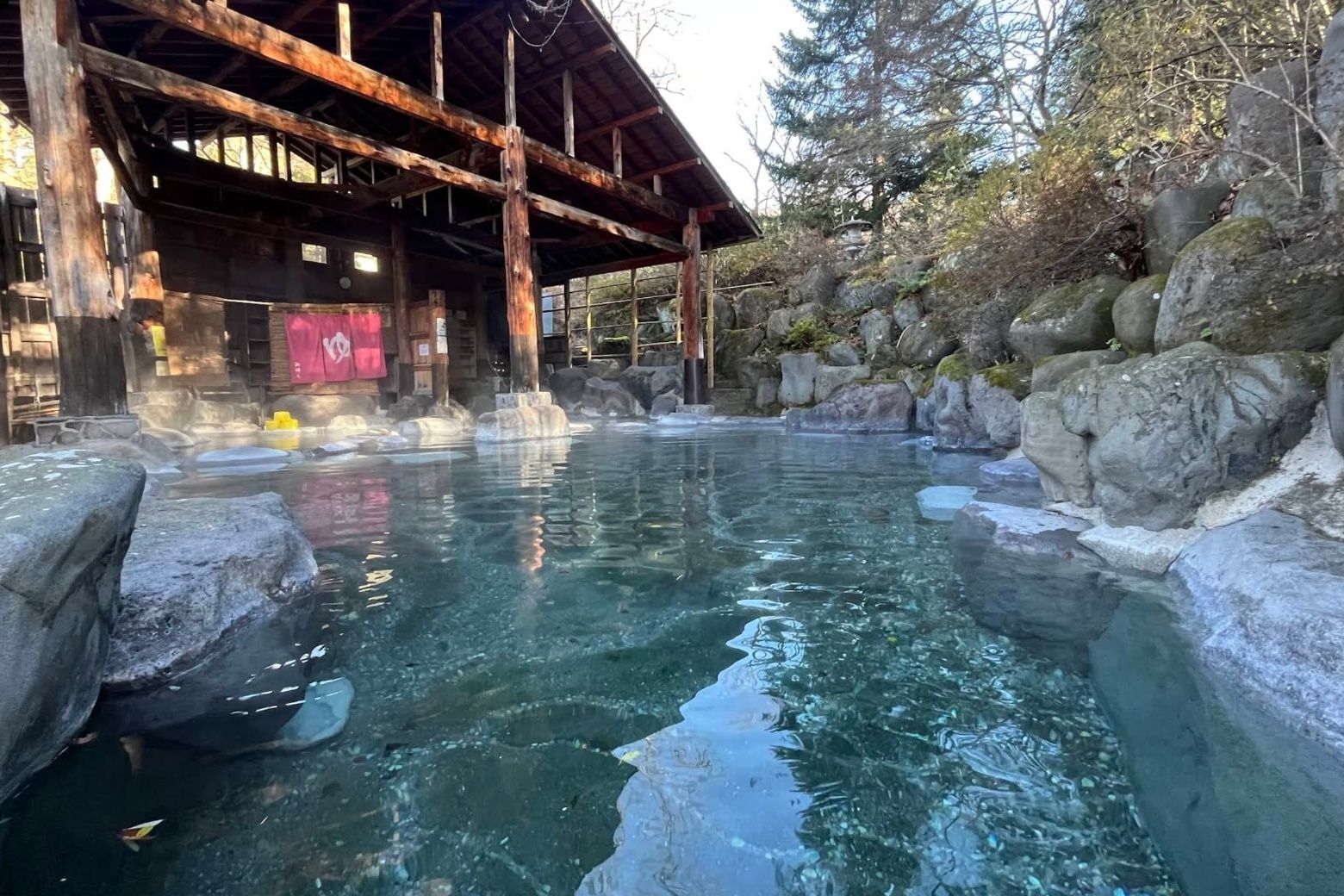
The SL Minakami, a JR East steam train running up from Takasaki on weekends, still terminates at Minakami station, a Showa-resort detail that has outlived the era that built it. Half an hour upstream, Hoshi Onsen Chojukan keeps an Edo-period wooden bathhouse with a mixed-bathing main pool fed from below by the gravel of its own bed, one of the most photographed onsen interiors in the country.
Districts
5 sub-areas within Minakami Onsen-kyoPlaces in this area
27 places · Sorted by rating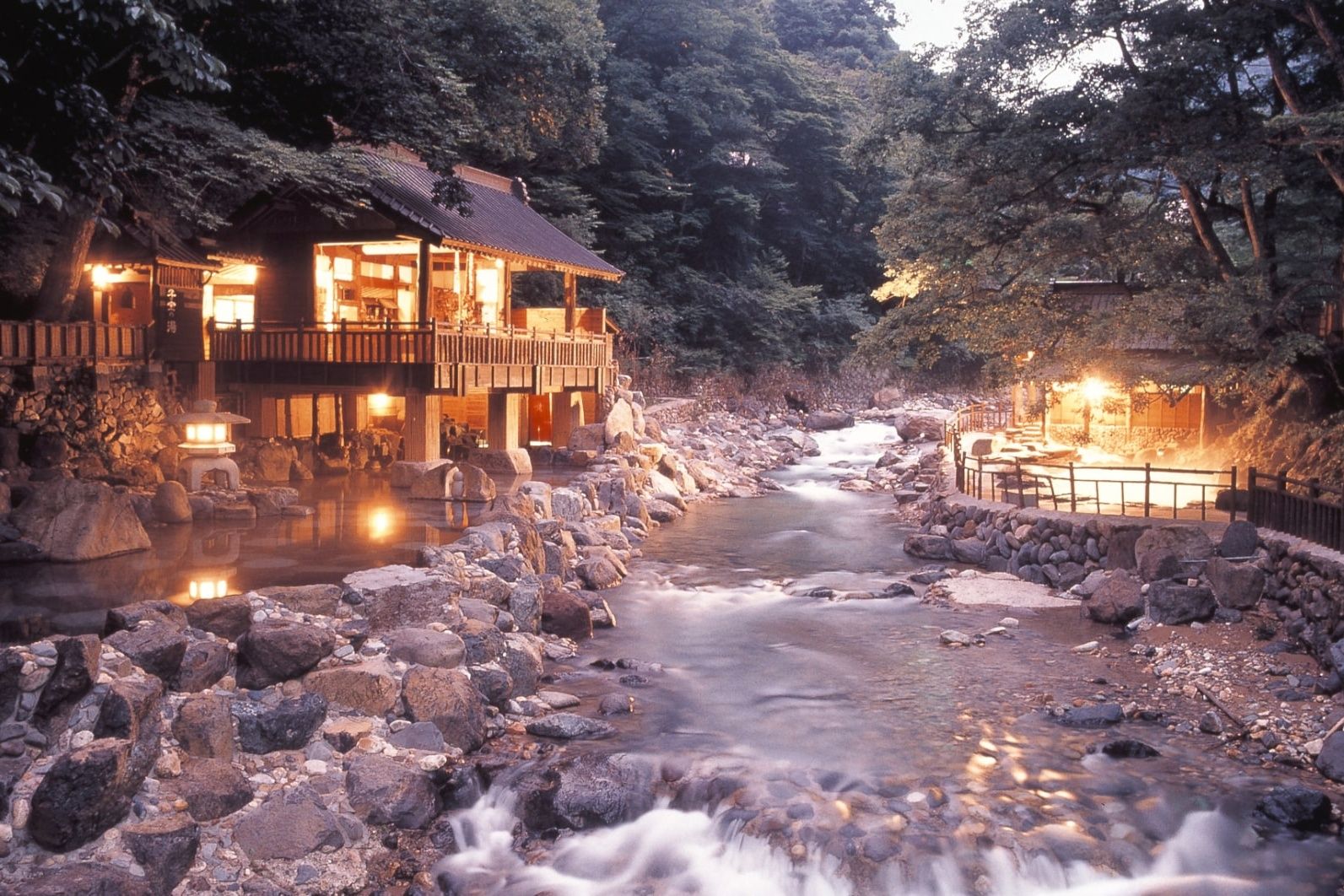
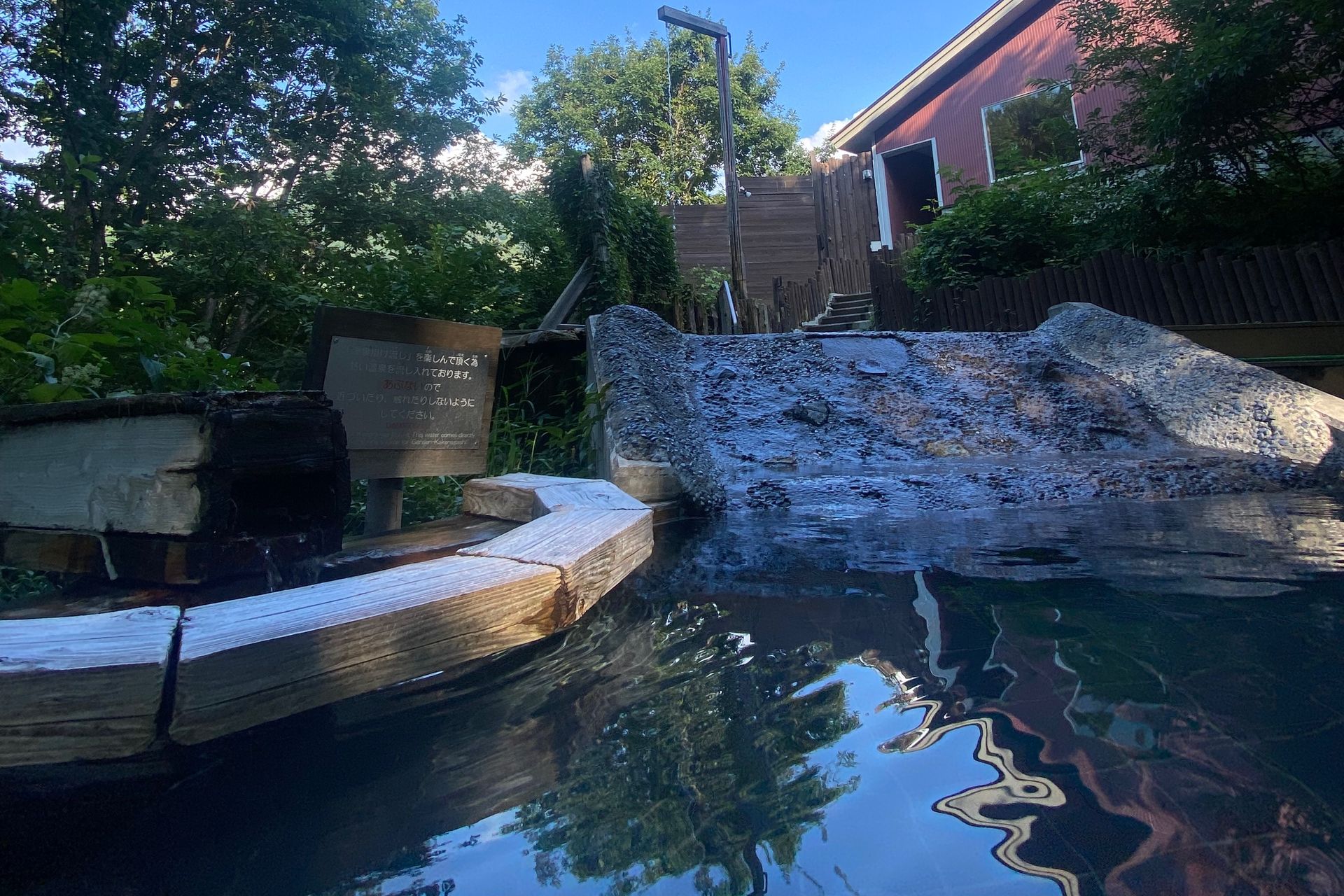
大峰館
Gunma
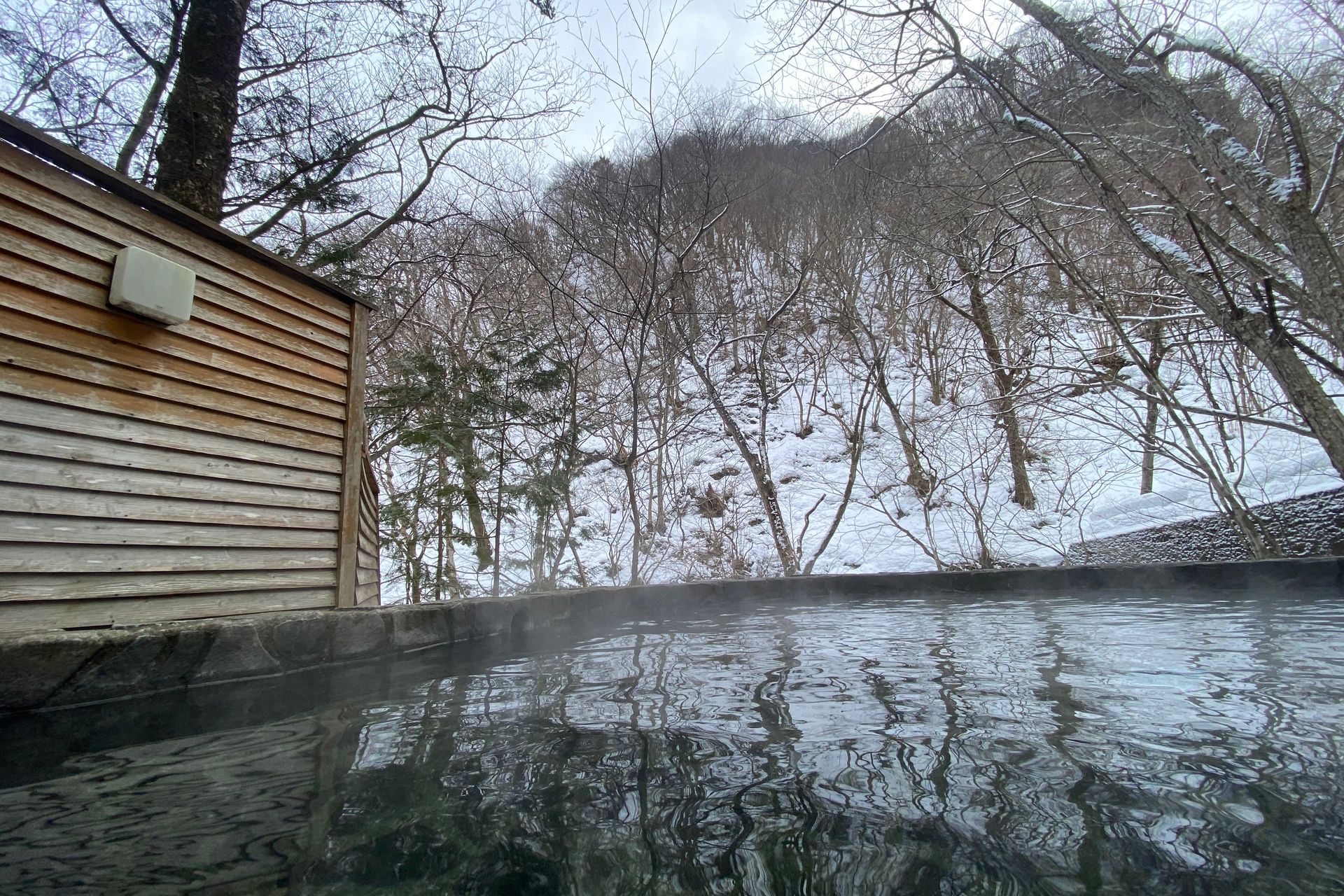
辰巳館
Gunma
湯元館
Gunma
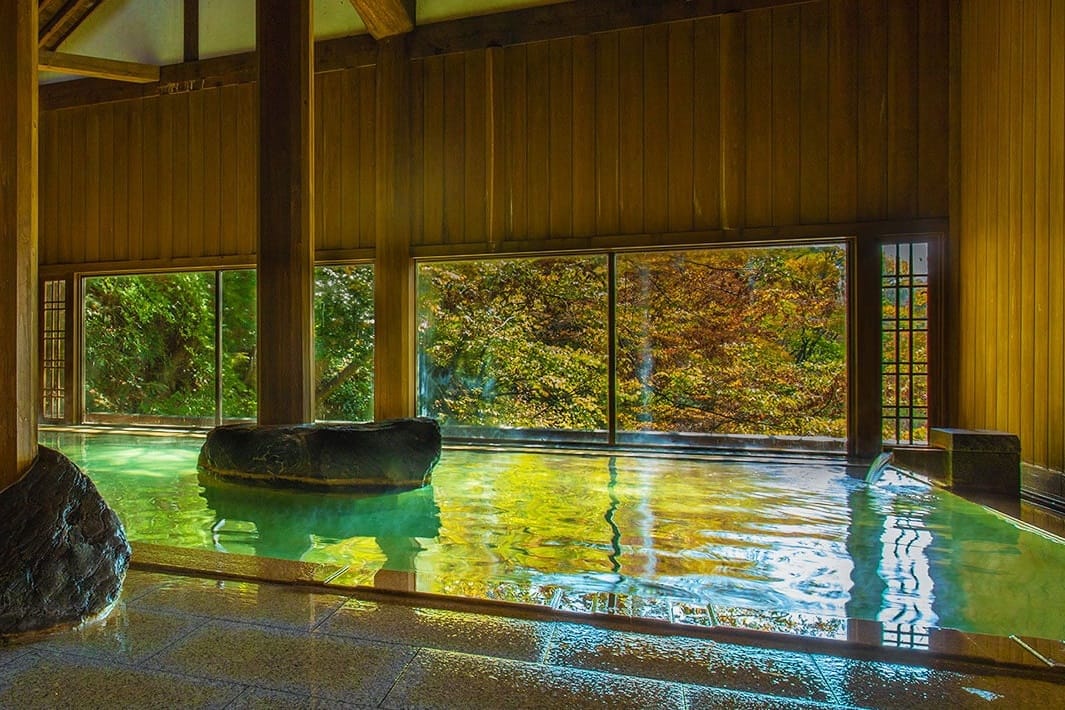
別亭 やえ野
Gunma
Closed & restricted
1
On the map
Loading map…
Nearby onsenchi
Within 50 kmSources
- Minakami Onsen Tourism Associationofficial— Town tourism office. Reference for the eighteen-spring composition of the resort and current onsen-town programming.
- Wikipedia, Minakami Onsen-kyo— Source for the original eight springs plus the ten added at the 2005 municipal merger, and the Showa-era literary clientele.
- JNTO, Minakami Onsenofficial— Japan National Tourism Organization page used to cross-check access from Tokyo via the JR Joetsu Line and the Tone river headwaters setting.
- Visit Gunma, Tanigawa Onsenofficial— Prefectural tourism context for the Mt. Tanigawa-dake valley and the constituent springs upstream of central Minakami.
- Japan-Guide, Minakami hot spring baths— Backs the modern positioning as Japan's rafting and outdoor-sports hub on the upper Tone.