
Ureshino Onsen
嬉野温泉One of Japan's three great beauty-skin springs, in the tea hills of Saga: silky sodium-bicarbonate water that leaves skin smooth, a river running through the resort, and the melting onsen yudofu simmered in the spring itself.
Waters fit for an empress
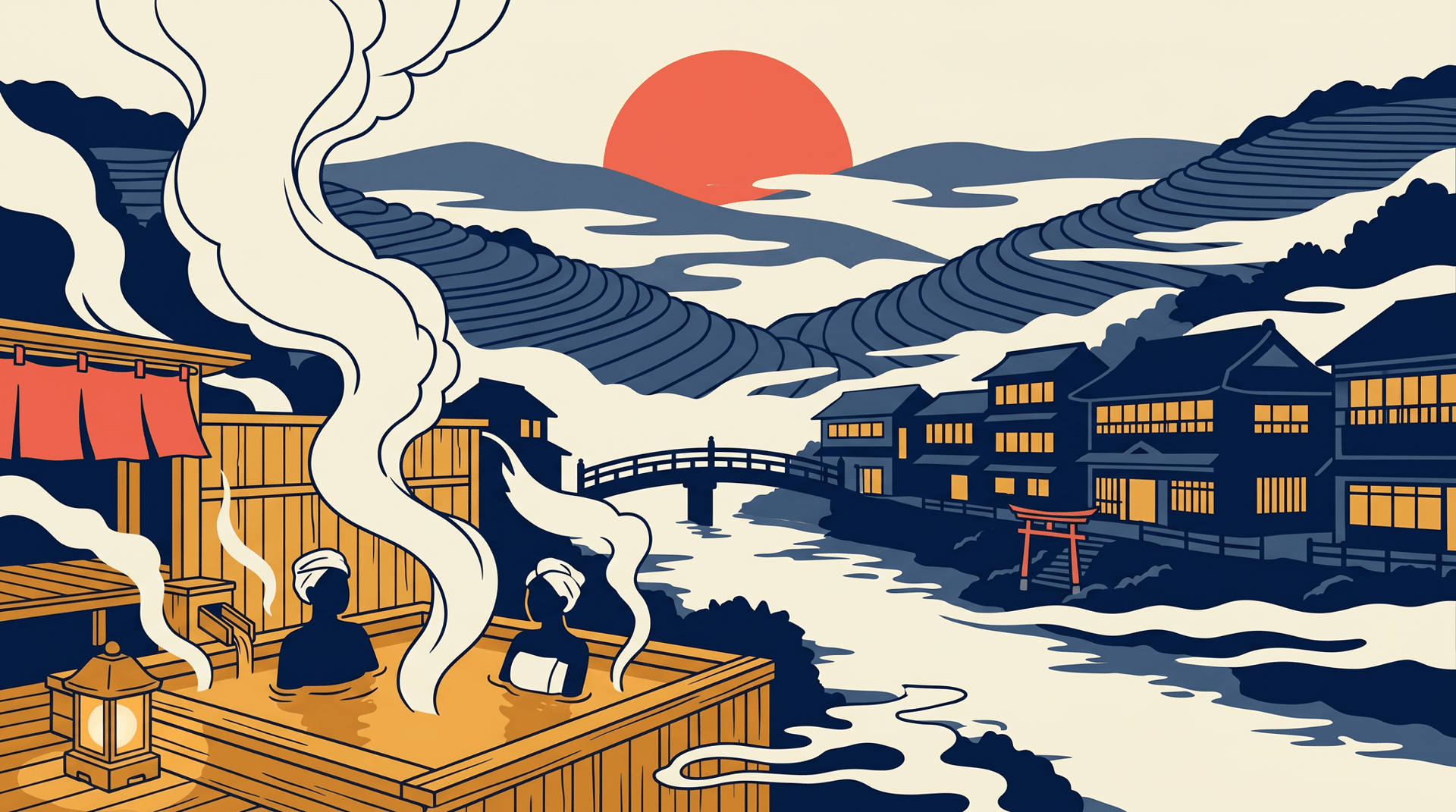
Ureshino sits in a misty river basin in western Saga Prefecture, in northern Kyushu, where the Ureshino River (嬉野川) runs through the middle of the resort. Folk tradition ties the name to the empress Jingu (神功皇后), who is said to have passed through on her way home from campaign and watched a wounded white heron bathe its wings and recover its flight in the steaming water. She had her own injured soldiers soak, and when their wounds healed the relief drew the cry "Ah, ureshii no" ("how glad I am"), supposedly the root of Ureshino (嬉野). Etymologists prefer a plainer origin, from the ure ("upper reaches") of the river plain, but the legend has stuck because it fits the water. This is, above all, a healing spring, and the empress's name has clung to it for centuries.
The silkiest of the beauty-skin springs
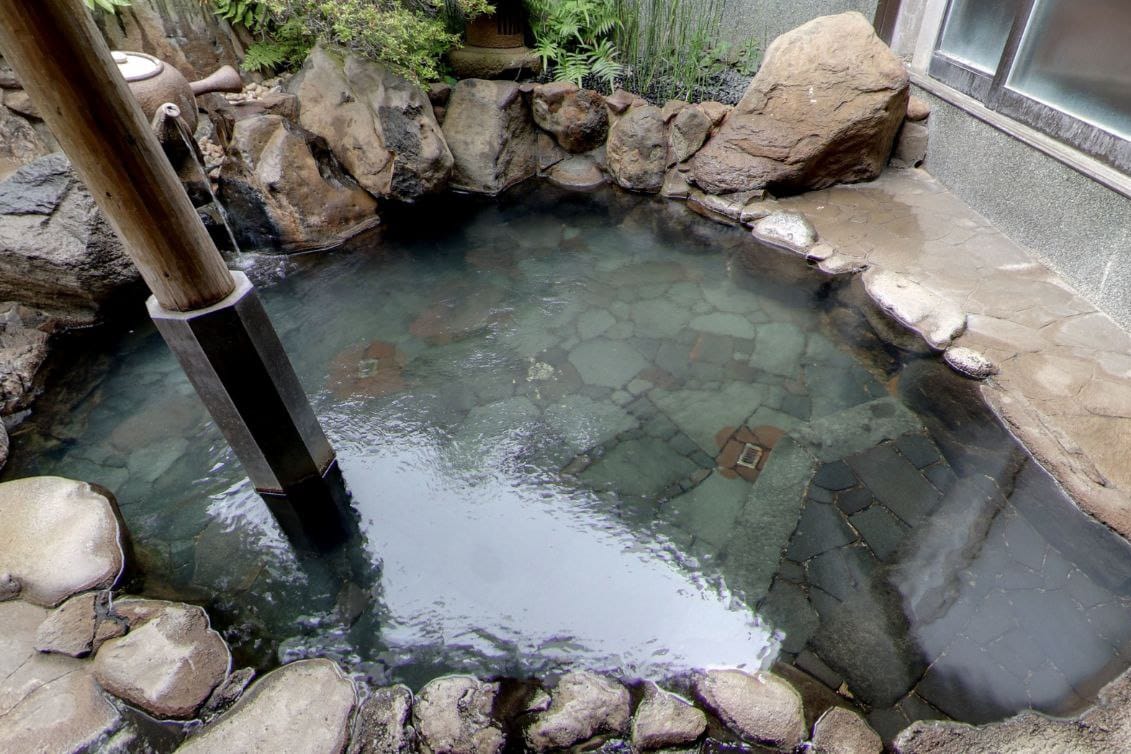
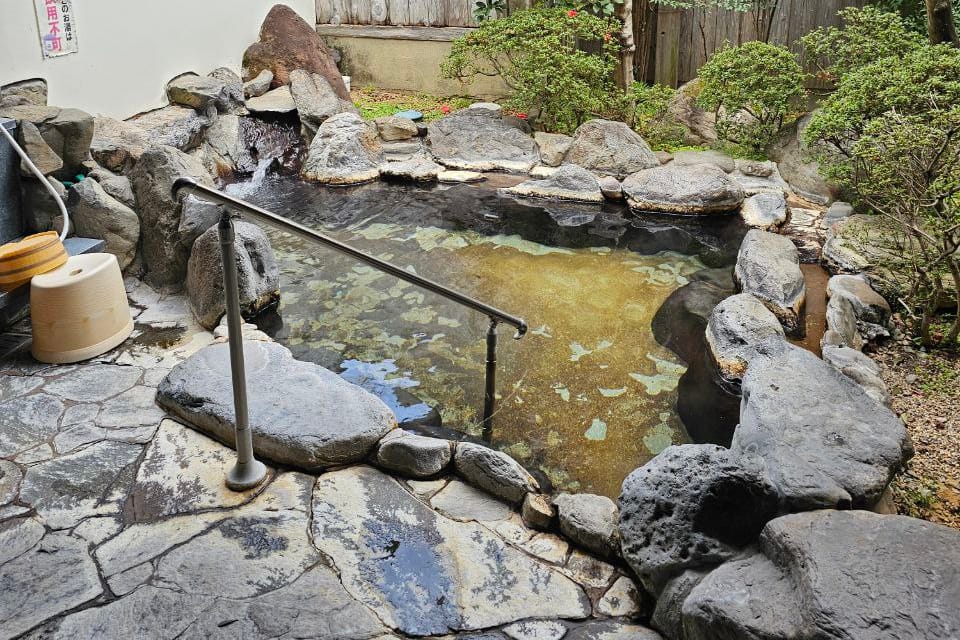
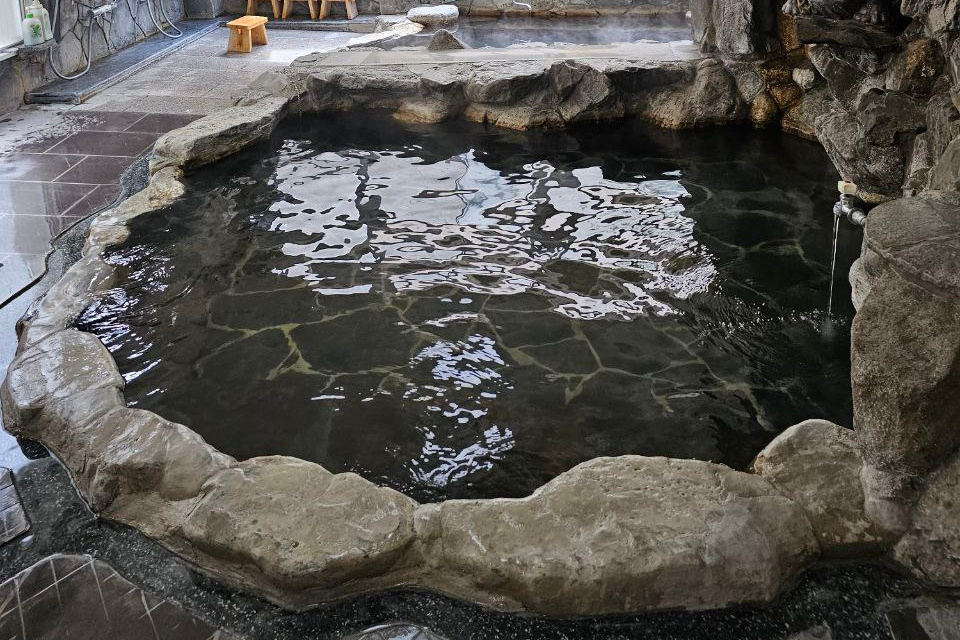
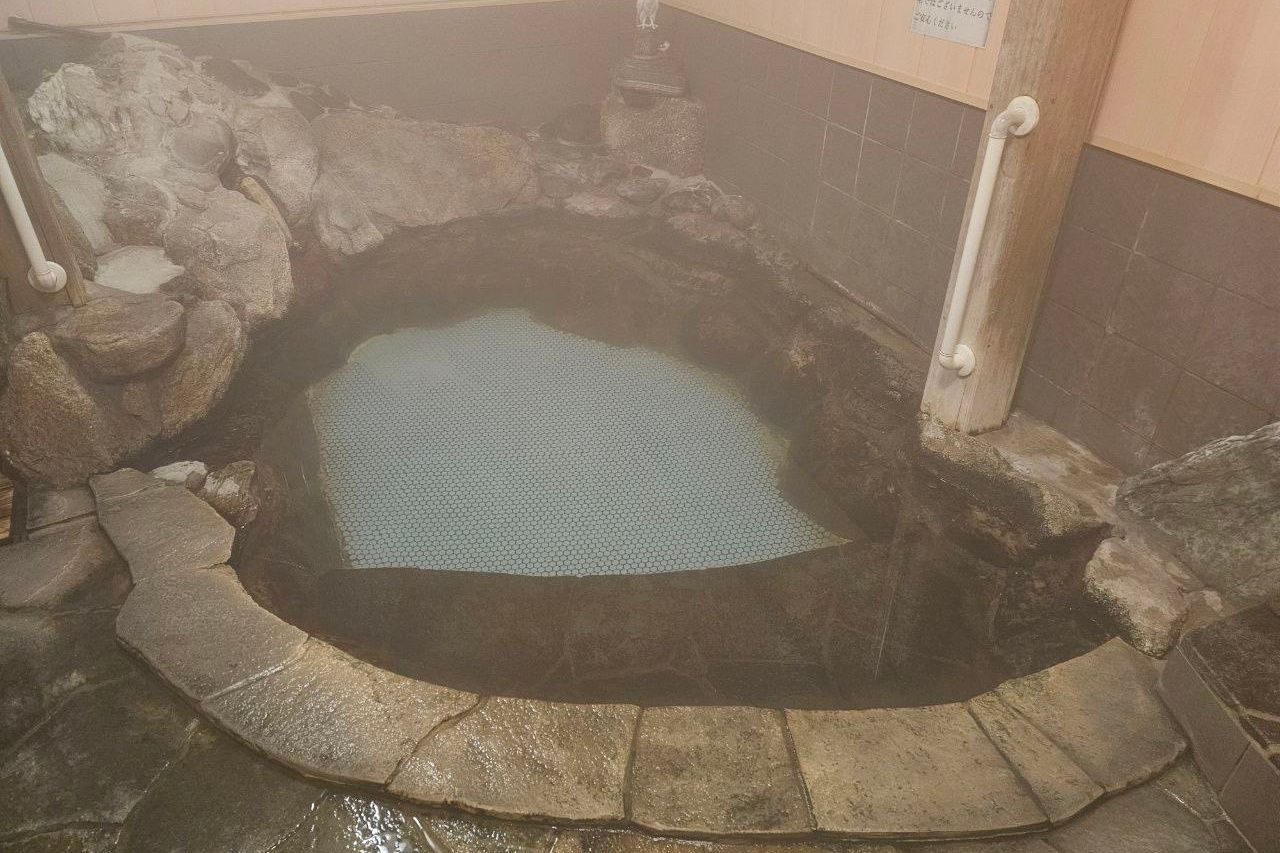
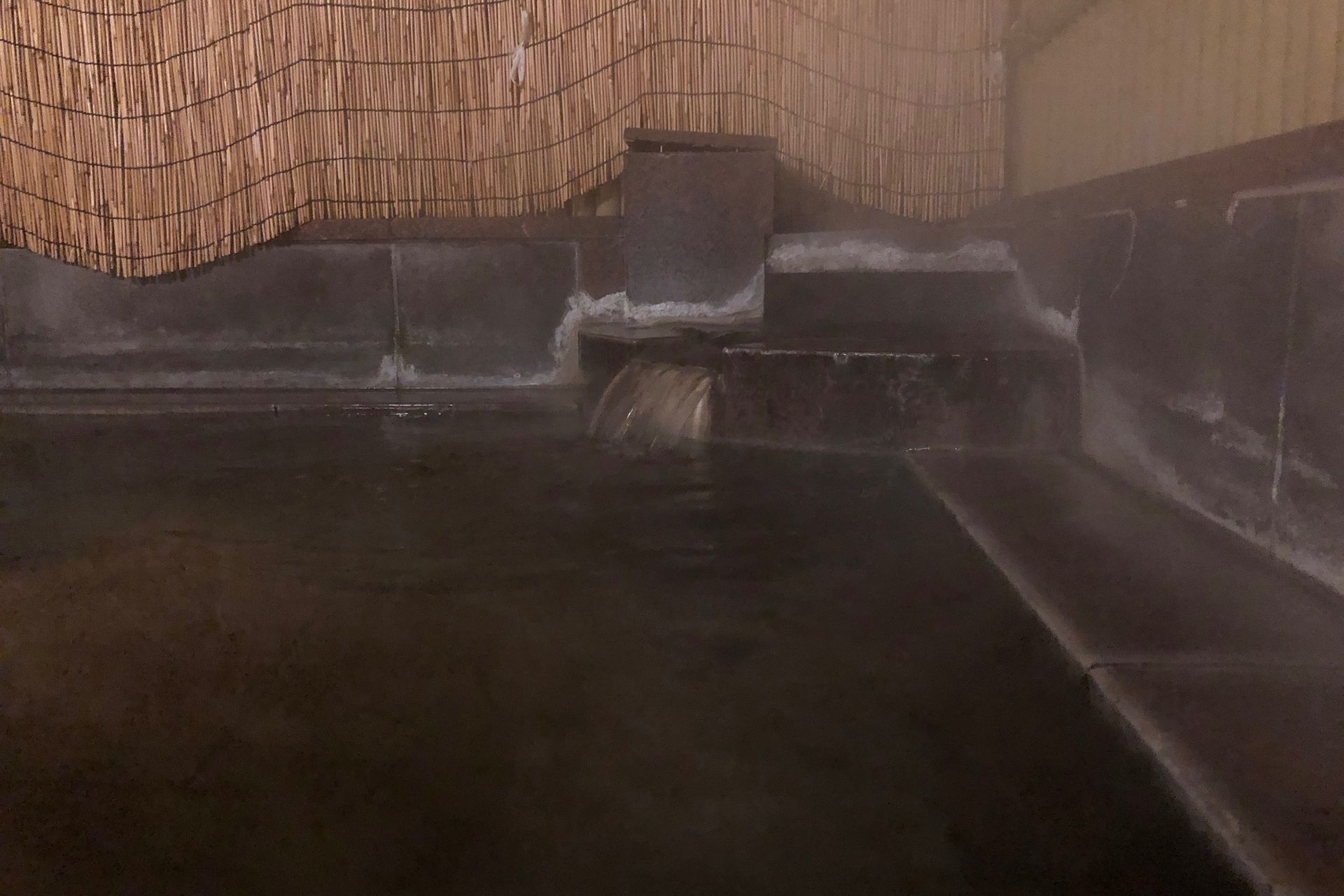
Ureshino is counted among Japan's three great beauty-skin springs (日本三大美肌の湯), alongside Hinokami in Shimane and Kitsuregawa in Tochigi. The water is a clear sodium bicarbonate spring (重曹泉 / 炭酸水素塩泉), weakly alkaline and rich in sodium, and it rises very hot from the ground. The bicarbonate softens and emulsifies the skin's surface, lifting old keratin and sebum so that the bath leaves the skin notably smooth and slippery, the tsuru-tsuru feel locals describe. The same chemistry produces the town's signature dish, onsen yudofu (温泉湯どうふ): blocks of tofu are simmered directly in the alkaline spring water until the soy protein breaks down, the edges dissolve, and the broth turns a milky soy colour, leaving the tofu silky enough to drink. It is sold all along the arcade and served in the ryokan.
Tea fields, a shrine, and the new line
The hills around the town are stitched with terraced fields of Ureshino tea (嬉野茶), one of Japan's distinctive tamaryokucha (玉緑茶) or guricha, with leaves curled into commas rather than rolled into needles, made here by both steaming and the older pan-firing method. In the heart of the arcade stands Toyotamahime Shrine (豊玉姫神社), dedicated to a sea-god's daughter famed for her flawless skin and worshipped as a deity of beauty; her messenger is a white catfish (なまず様), and visitors ladle spring water over its stone image to pray for clear skin. Access has been transformed since the Nishi-Kyushu Shinkansen opened in 2022: trains now call at Ureshino-Onsen Station (嬉野温泉駅), a short bus ride from the baths, while Takeo-Onsen Station anchors the line's eastern end.
Places in this area
27 places · Sorted by rating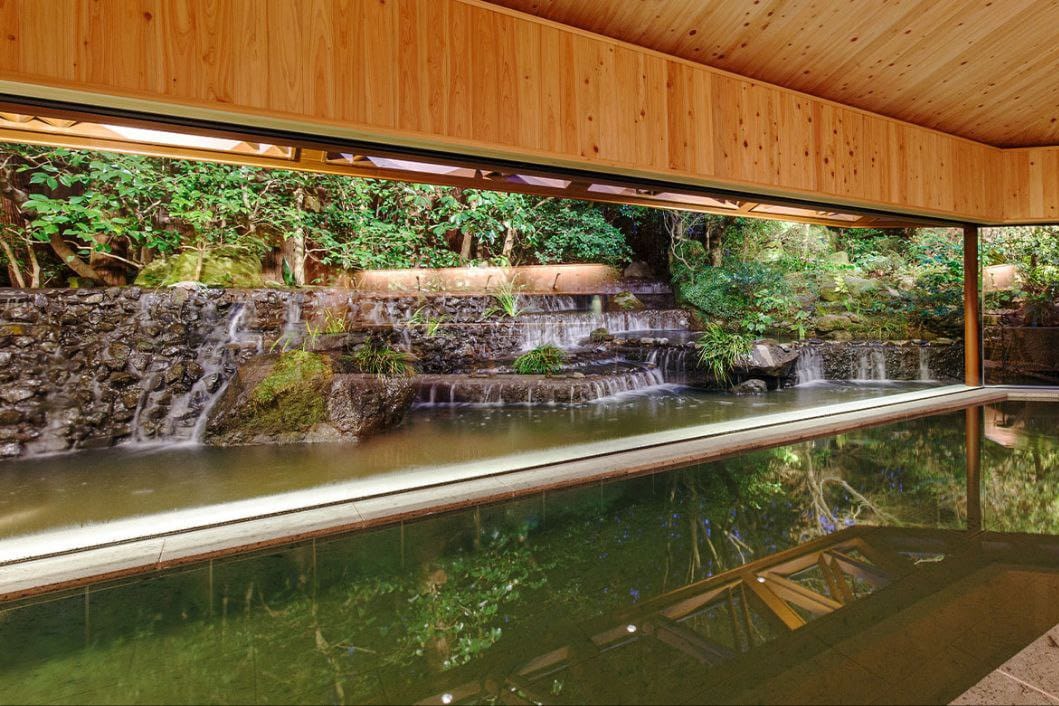
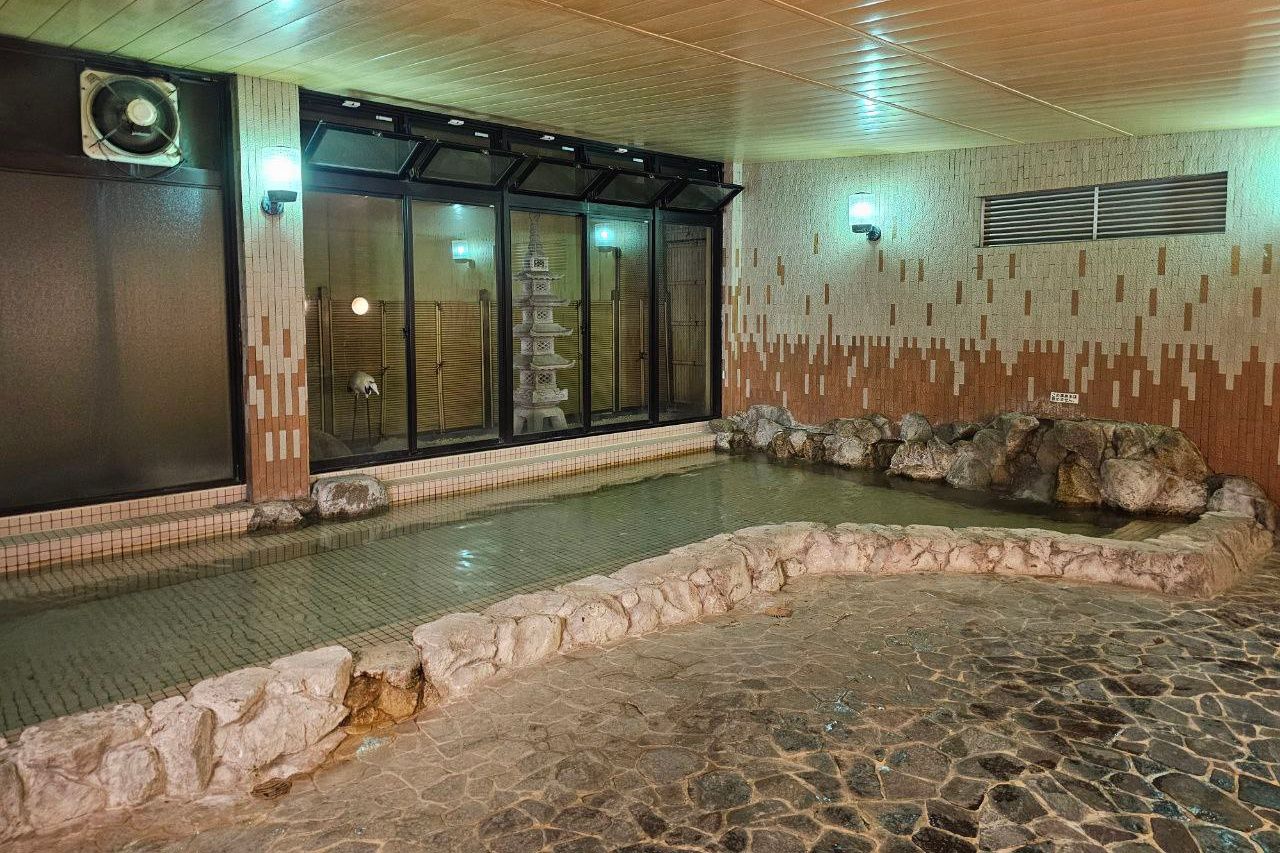
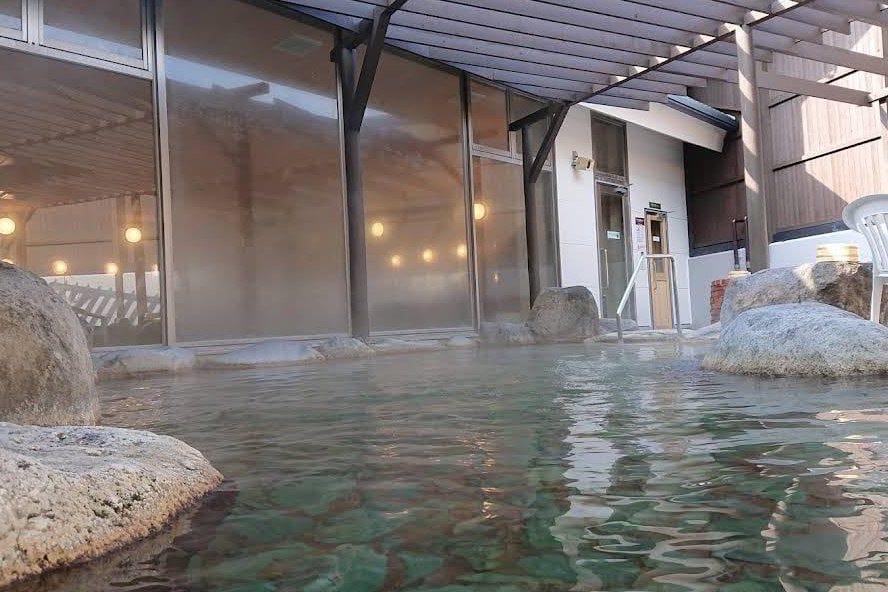
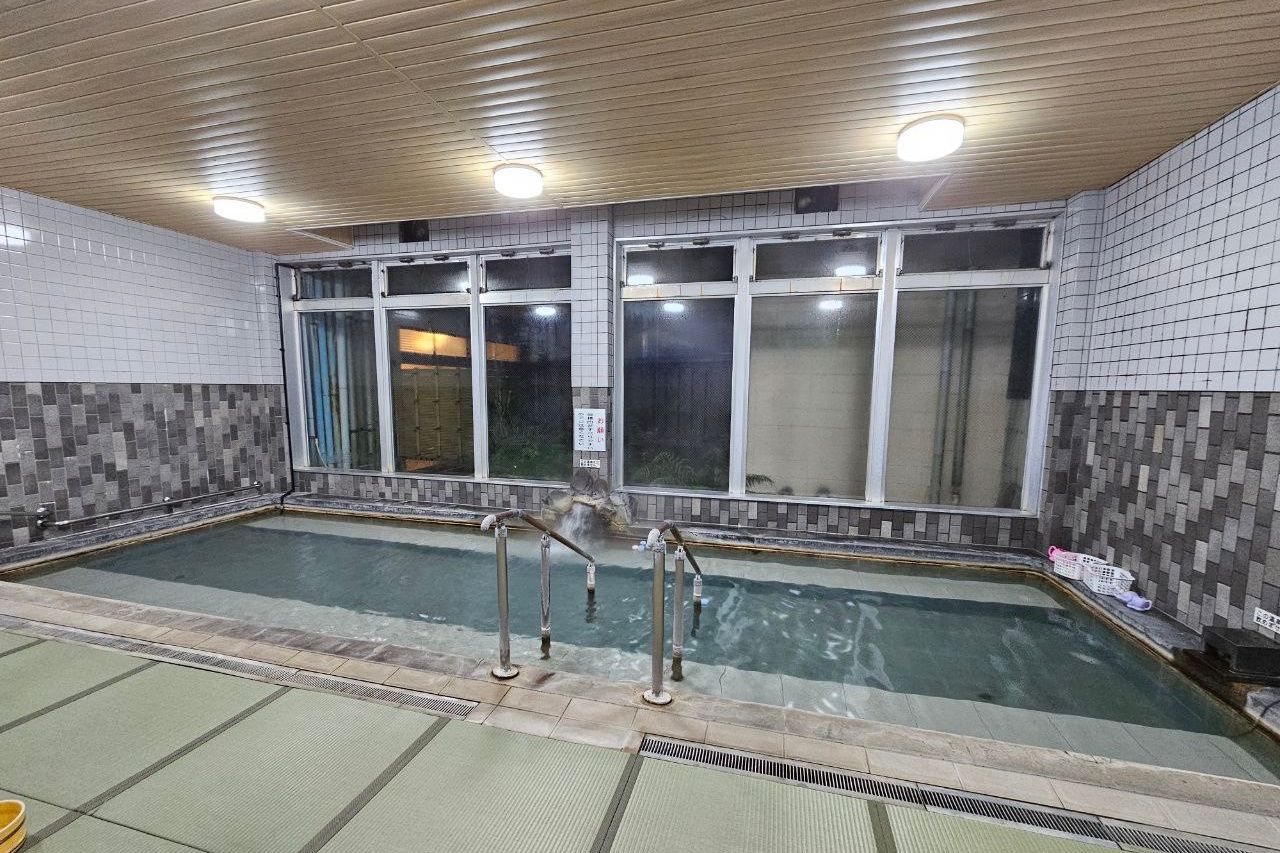
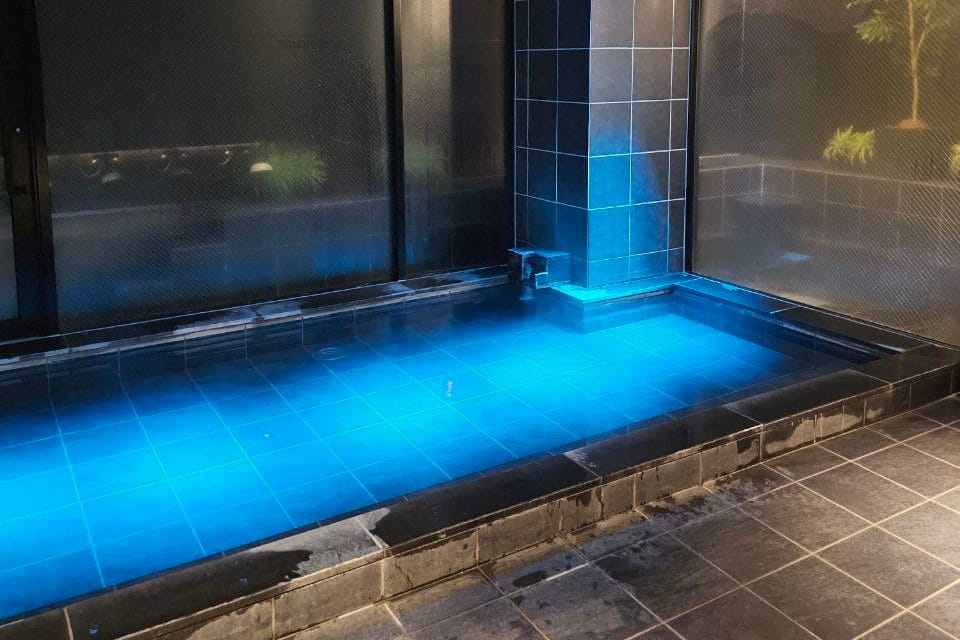
On the map
Loading map…
Nearby onsenchi
Within 50 kmSources
- Ureshino Onsen Tourism Association — Why It Is Called a Beauty-Skin Springofficial— Association page explaining the sodium-bicarbonate water and the three great beauty-skin springs.
- Ureshino City — Characteristics of Ureshino Teaofficial— Municipal page on the curled tamaryokucha leaf and the steamed and pan-fired production methods.
- Toyotamahime Shrine and the White Catfish — A Visitor's Guide— Local guide to the beauty deity Toyotamahime and her catfish messenger revered for skin.
- Ureshino, Saga — Wikipedia (EN)— General reference for the city, the spa district, the tea industry, and rail access.