Koyokan
鹿沢温泉 紅葉館かざわおんせん こうようかん
The last inn at a centuries-old toji hot spring in the Gunma mountains
Day Use
YesDay-use bathing runs roughly 10:00 to 16:00 (the closing time is approximate). Entry is through the soba restaurant, which is closed on Tuesdays.
500 yen for adults, 300 yen for children under elementary-school age. An optional day-use set with zaru soba is 1,200 yen.
Bathing & Water
Uses natural hot spring water
Open-air outdoor bath
Site's own bathing-facility list names only indoor bath + utaseyu, no rotenburo; corroborated by the 日本秘湯を守る会 provider listing (内湯:2 露天:0). A nifty.com generic amenity-tag list separately suggests 露天風呂, but that appears to be a template tag rather than a stated fact for this listing, so it was not used.
Enclosed indoor bathing area
Bathing Arrangements
Shared bathing area for all genders
Policies & Services
Welcomes children and families
Day-use bathing has a discounted price tier for children under elementary-school age, implying children are accepted.
A restaurant or dining room open to visitors, not only meals for overnight guests
Soba restaurant (蕎麦処) is the day-use entry point and open to day-trip visitors; overnight guests' kaiseki dinner/breakfast are served separately in the main dining room.
Shower, wash stations, soap and shampoo provided
A Dec 2025 review states the indoor bath has no shower and hair is washed by dousing with hot water (traditional toji-style); the official site does not describe washing facilities either way.
Towels to rent or borrow at the desk
A day-use aggregator listing shows towels are sold (販売), not rented, for 300 yen.
On-site or nearby parking available
Views
 Forest
Highlights
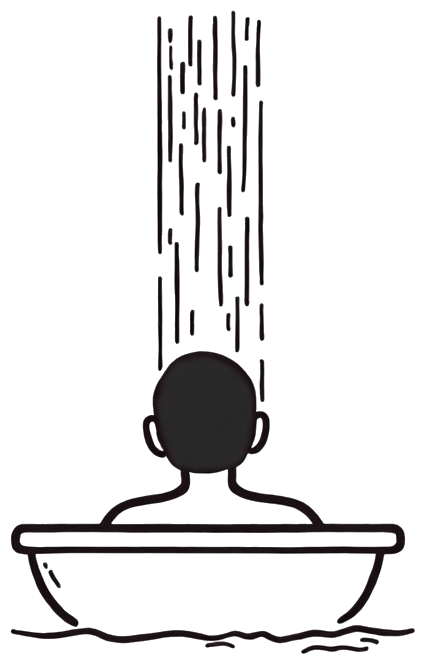 Utaseyu
Programs
About
Koyokan is the last inn standing at Kazawa Onsen, a toji (湯治, hot-spring cure) hamlet high in the Gunma mountains where people have bathed since the Kamakura era. Two springs feed the baths with nothing added or heated: Kumoi-no-yu (雲井の湯) fills the main tub with soft, faintly cloudy, blue-tinged water, and the separate Ryugu-no-yu (竜宮の湯) spring feeds a falling-water utaseyu (打たせ湯) bath. There's just one indoor bath for men and one for women, with no rotenburo. Bathing follows old toji custom: guests rinse off by dousing with hot water instead of using a shower. The inn itself dates to 1869. The other ryokan that once lined this hot-spring hamlet burned down and were never rebuilt, so Koyokan is what remains. A 2013 renovation added a wood-heavy new wing next to the older building, set among forest where the only sounds are a stream and birdsong. It's also remembered as the birthplace of the mountaineering song "Yukiyama Sanka" (Snow Mountain Hymn), written in 1926 when a Kyoto university climbing club got snowed in here during a storm.
Loading map…
Reserve or check availability on a booking site.
No reviews yet
Be the first to share your experience!
Last updated September 22, 2026