Hokkaido
10 onsen areas
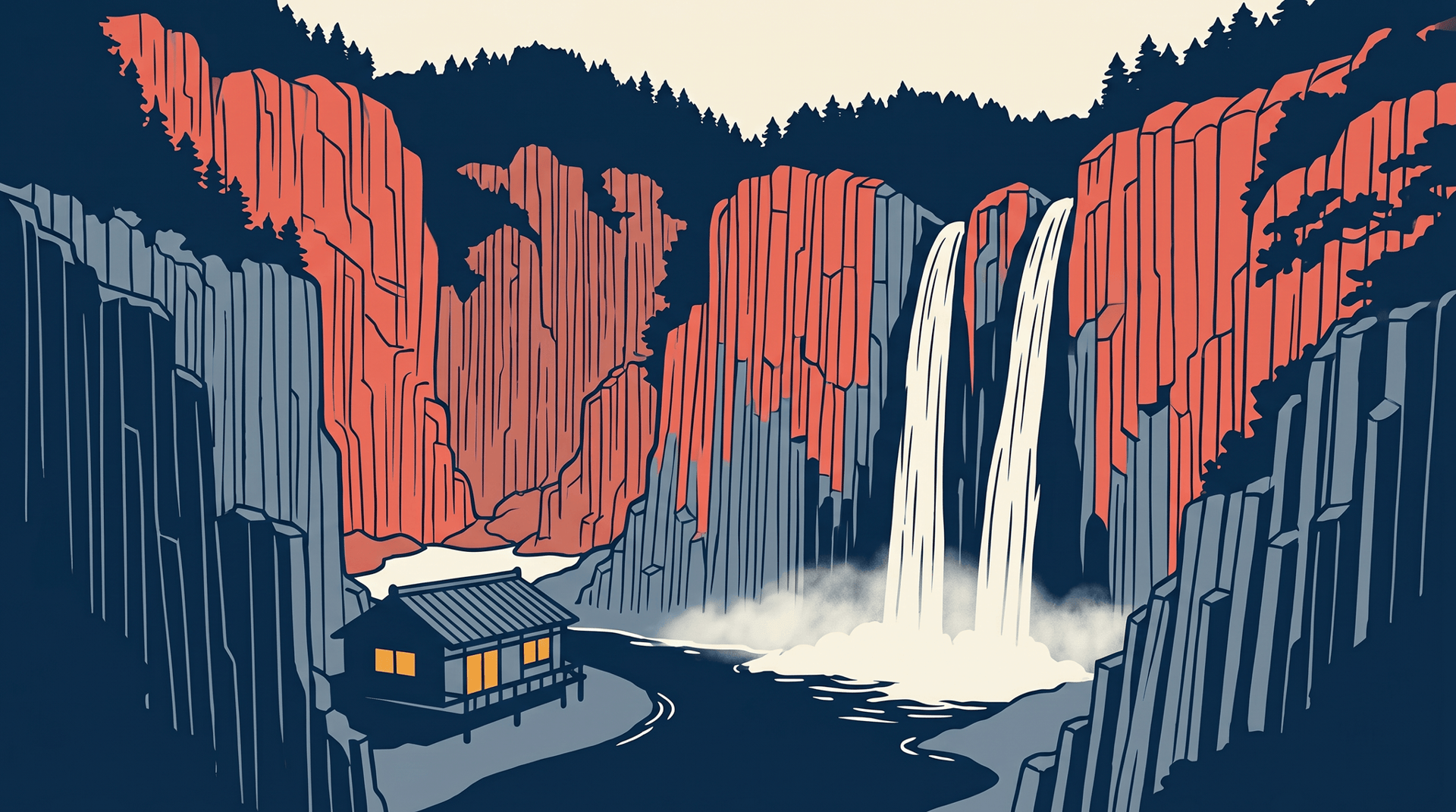

Sounkyo Onsen
Gorge onsen at the entrance to Daisetsuzan, Hokkaido's largest national park. Sodium chloride springs at the foot of 100-meter columnar cliffs and the Ginga + Ryusei waterfalls.
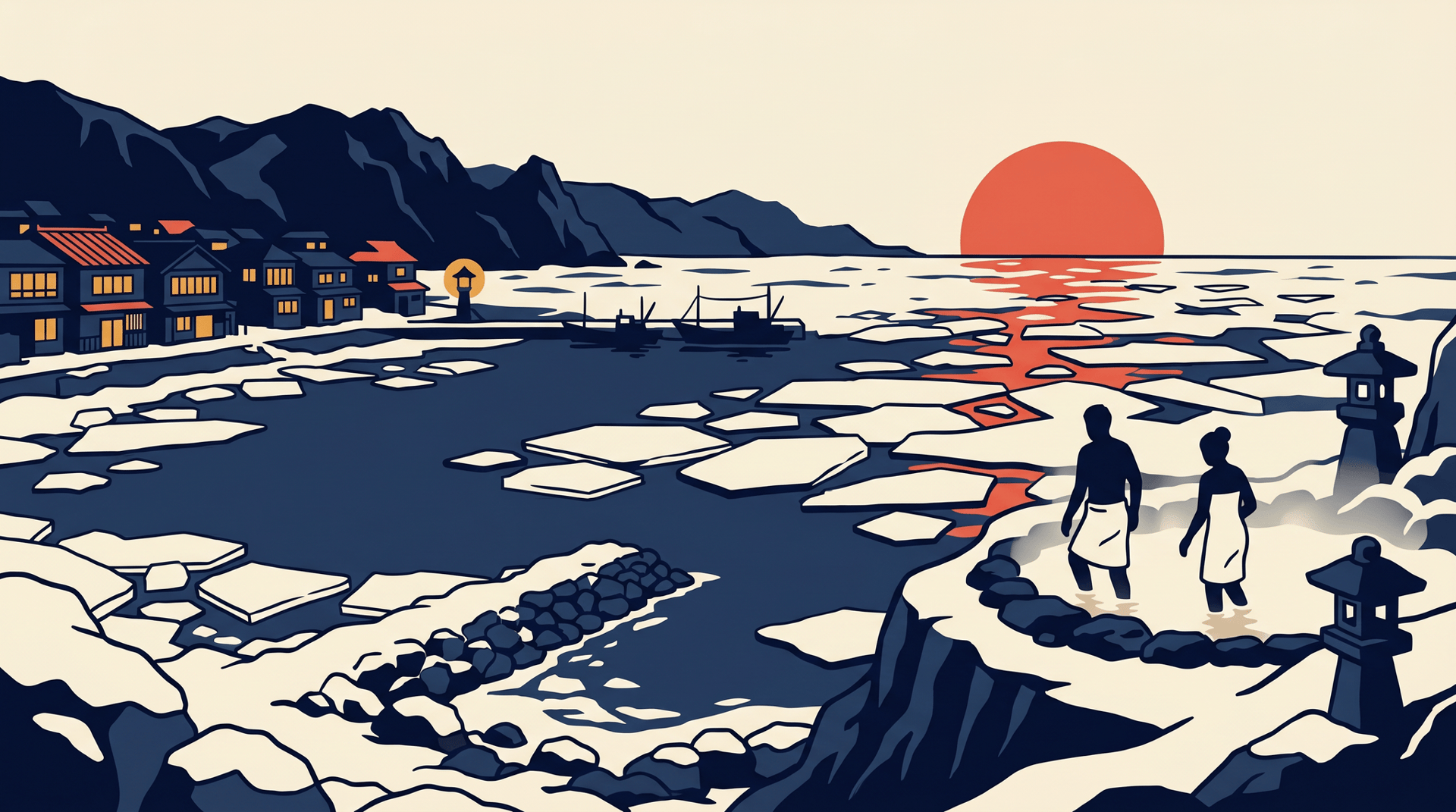

Utoro Onsen
Gateway onsen to Shiretoko, the easternmost UNESCO World Heritage site in Japan. Sodium chloride springs on the Okhotsk coast, with sea ice drifting past hotel windows in winter.


Niseko Onsen-kyo
World-famous ski-and-onsen region in southwest Hokkaido, with deep powder snow, Mount Yotei views, and a string of onsen (Niseko-Konbu, Yumoto, Goshiki, Hirafu) tucked into the foothills.
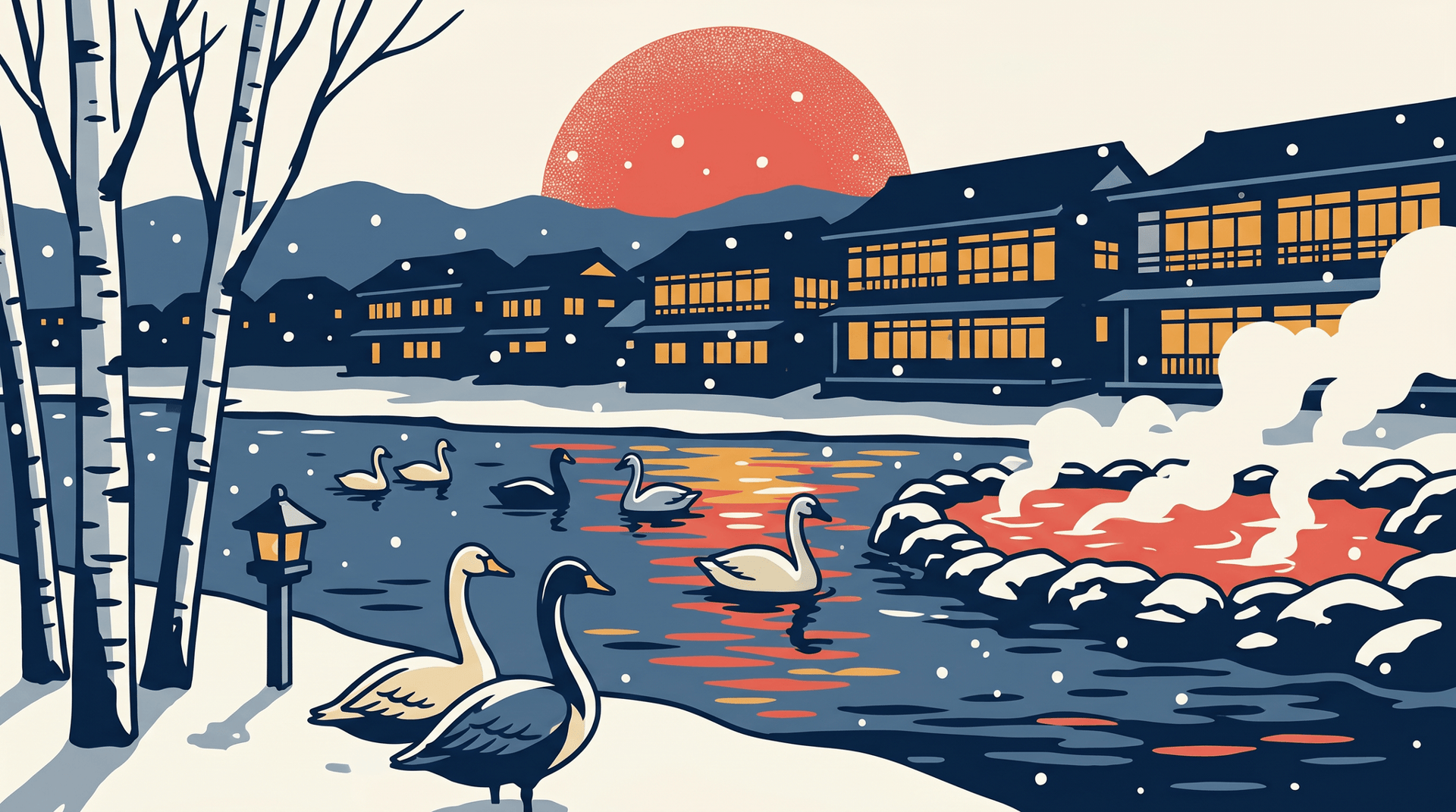

Tokachigawa Onsen
Central Hokkaido onsen by the Tokachi River, famous for its rare 'moor' springs — humic-acid waters drawn from ancient peat-bog deposits, prized for their skin-softening properties.
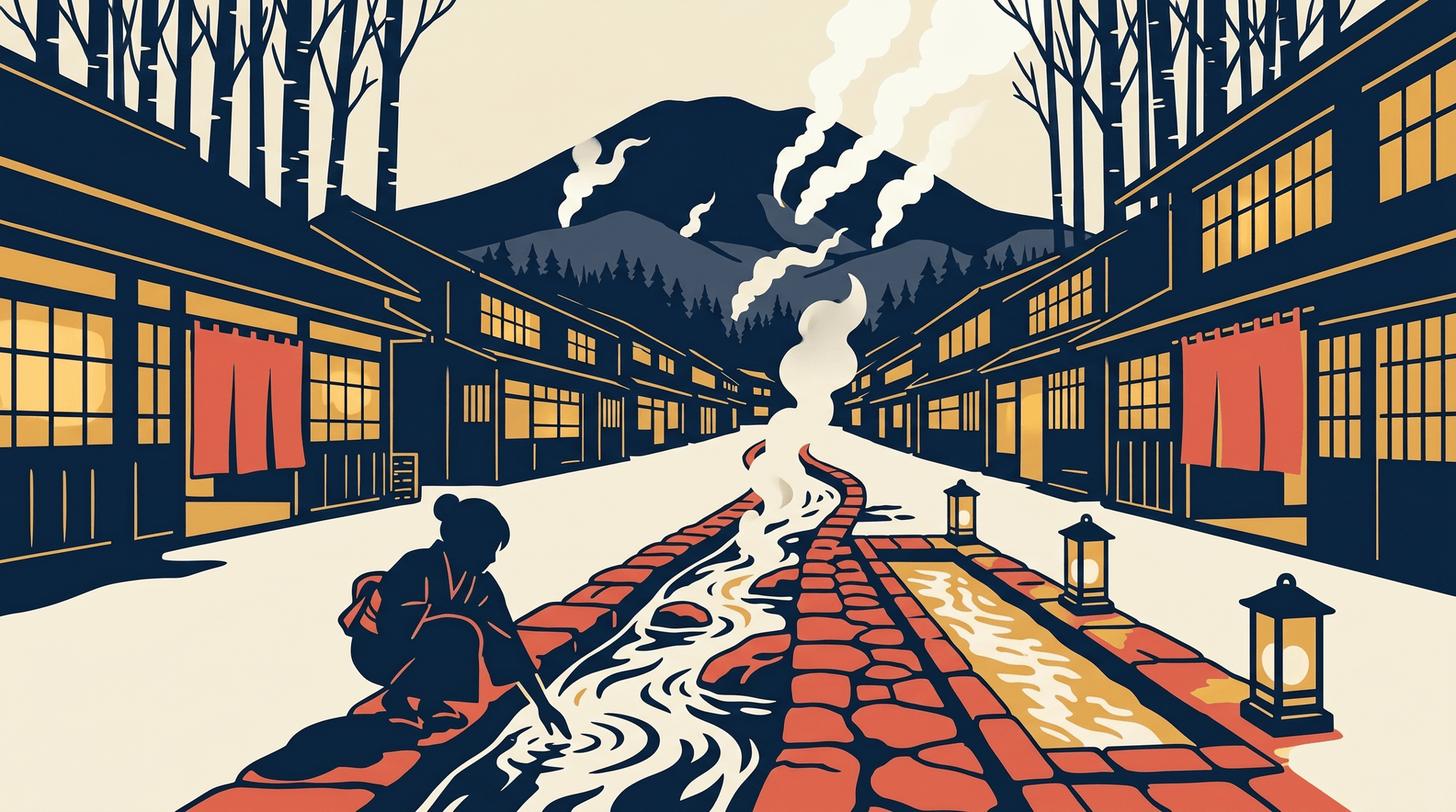

Kawayu Onsen
Strongly acidic sulfur onsen in eastern Hokkaido, in Akan-Mashu National Park near Mount Io. Hot enough at the source to flow through open canals in the town center.
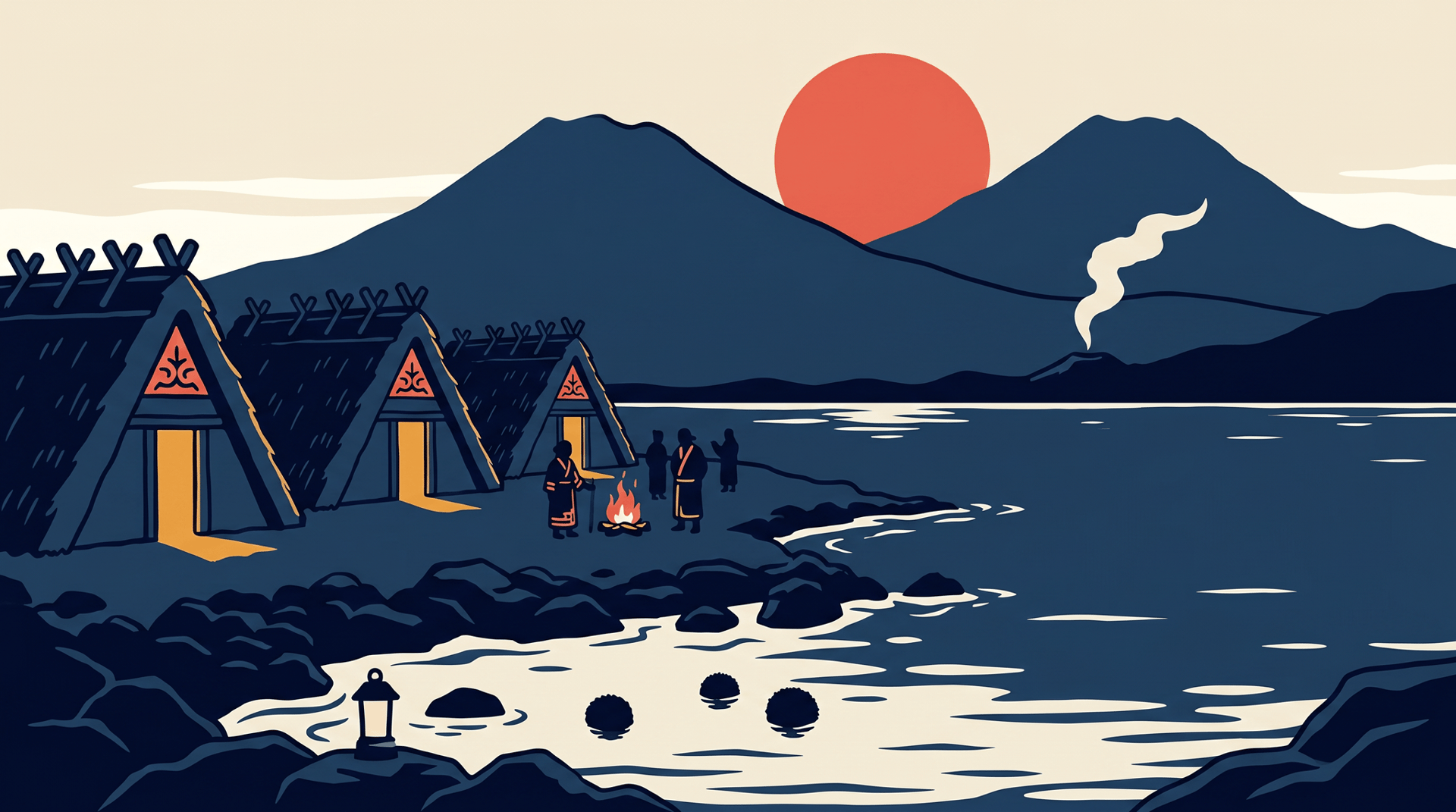

Akanko Onsen
Eastern Hokkaido lakeside onsen on Lake Akan, in Akan-Mashu National Park. Ainu culture village (Akan-kotan) and the famous marimo algae of the lake.
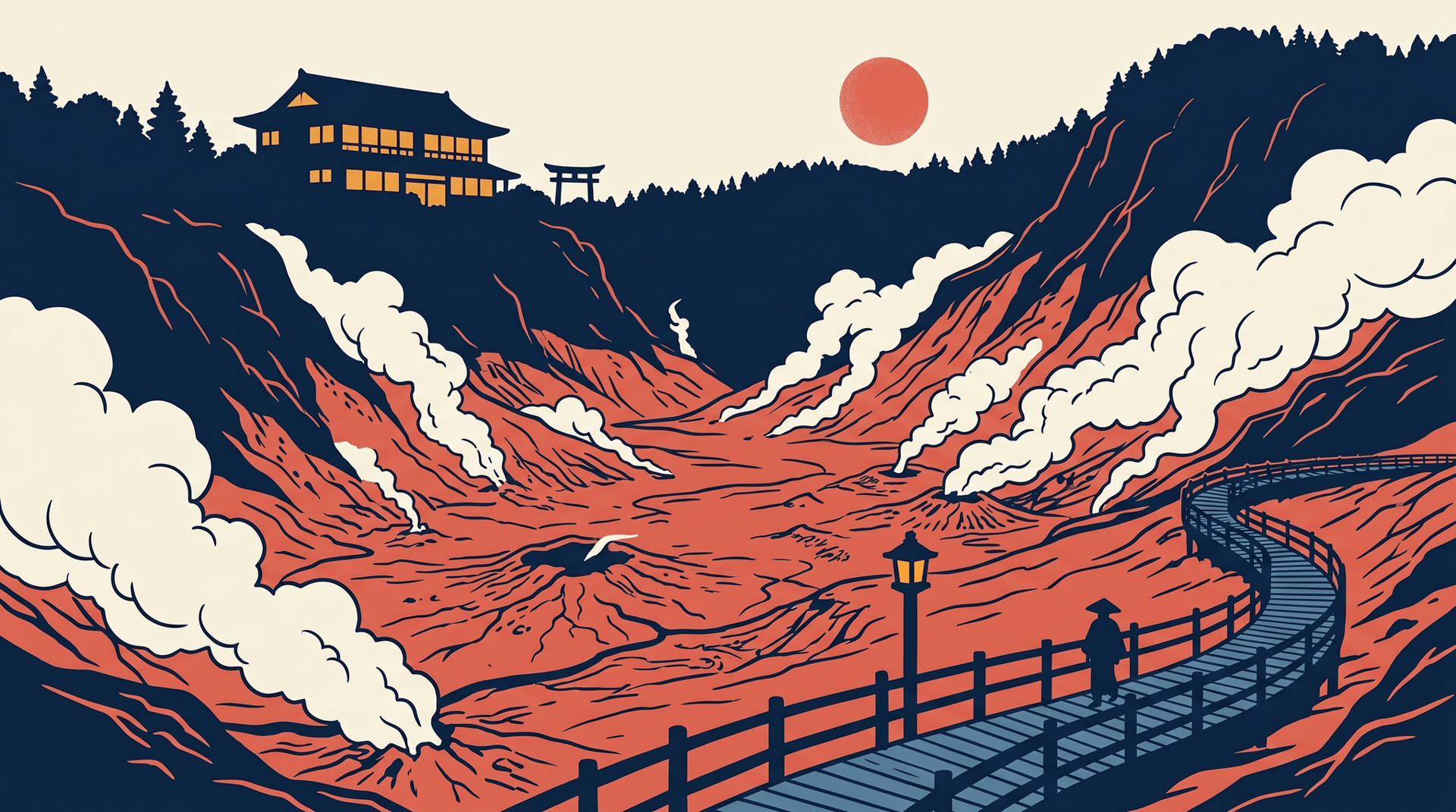

Noboribetsu Onsen
Hokkaido's biggest onsen town, fed by the steaming Jigokudani ('Hell Valley') crater. Nine different spring chemistries within walking distance.
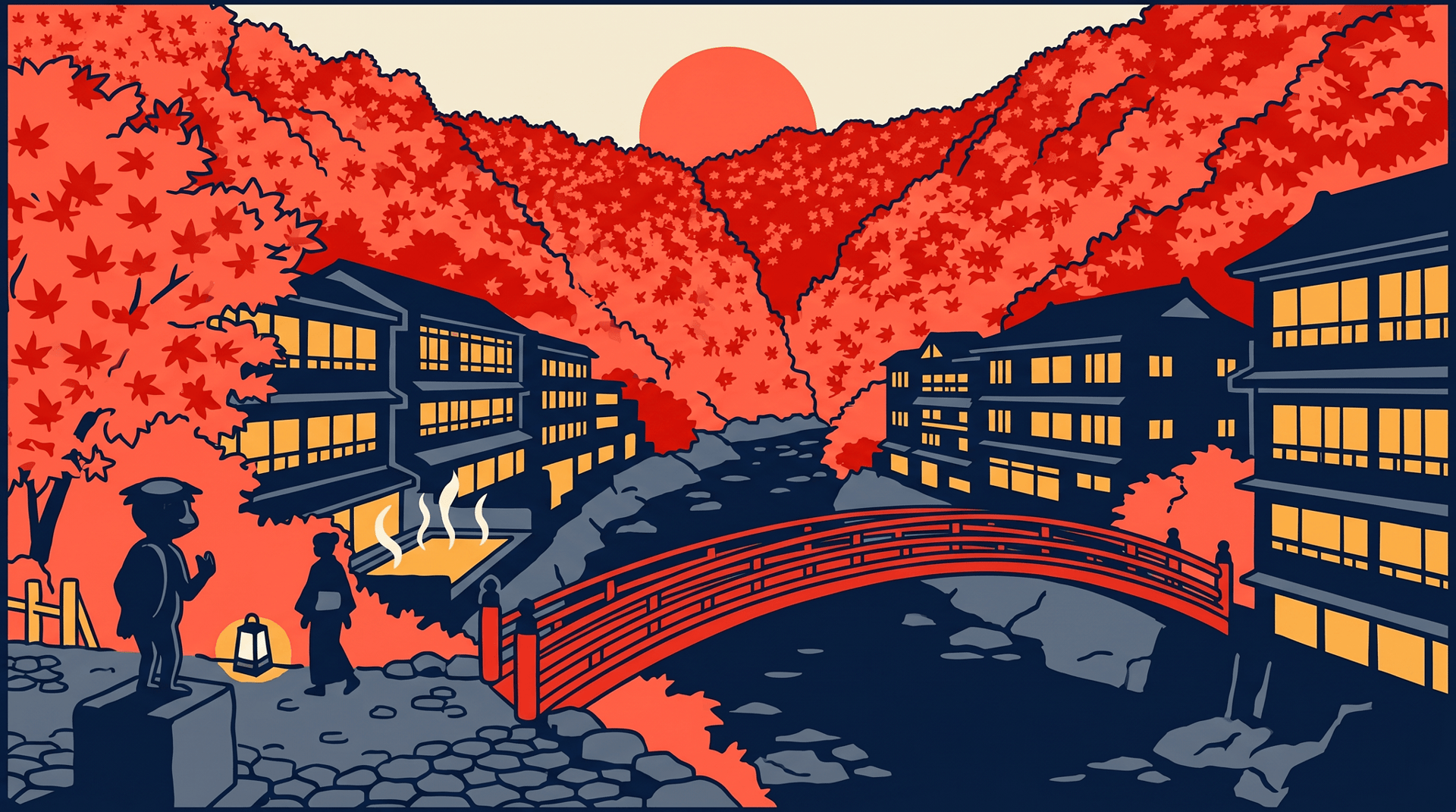

Jozankei Onsen
Sapporo's mountain onsen, an hour from the city in the Toyohira river gorge. Sodium chloride springs and 60+ ryokan along a wooded canyon.

Toyako Onsen
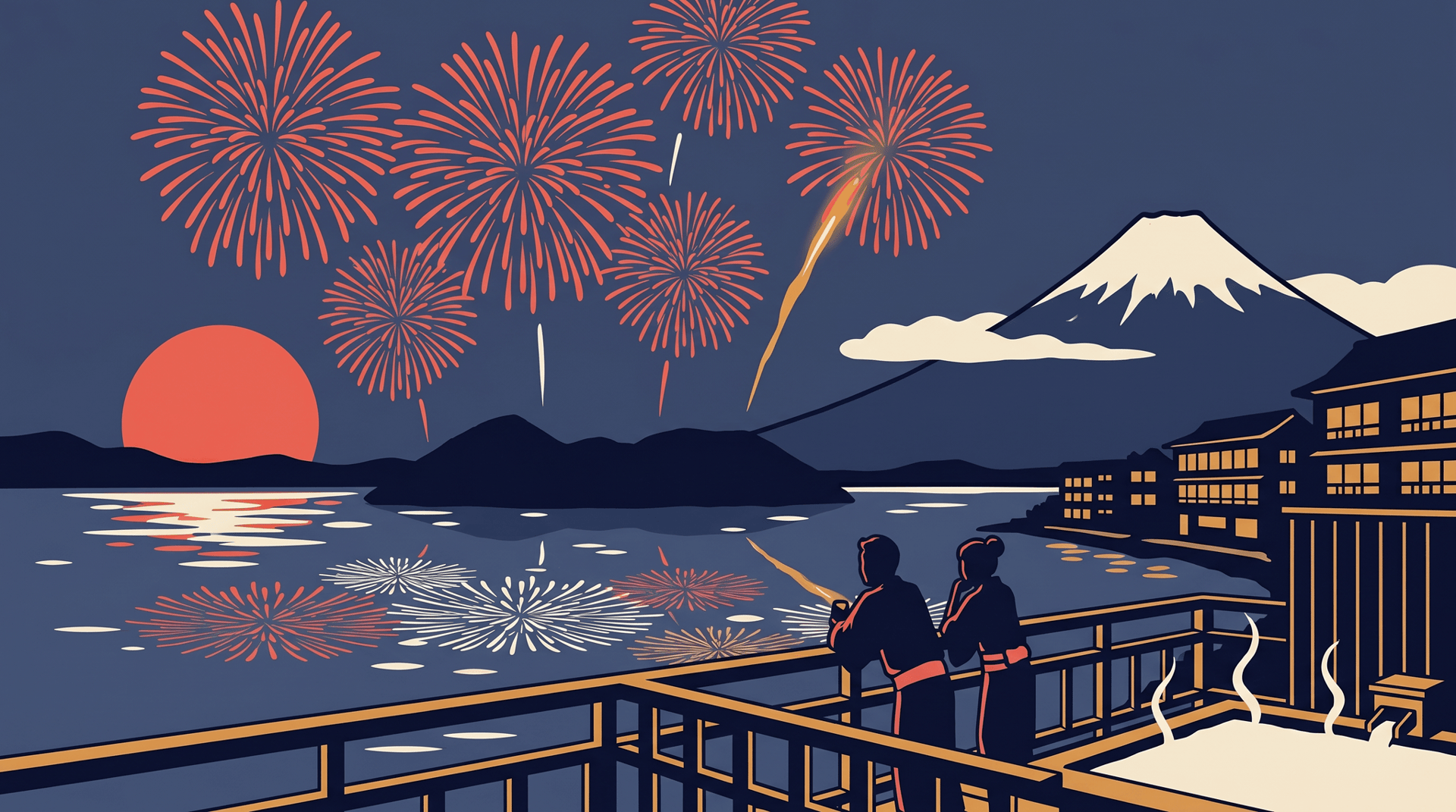
Caldera-lake onsen at the foot of the still-active Mount Usu, inside the Toya-Usu UNESCO Geopark. Nightly summer fireworks over the lake.

Yunokawa Onsen
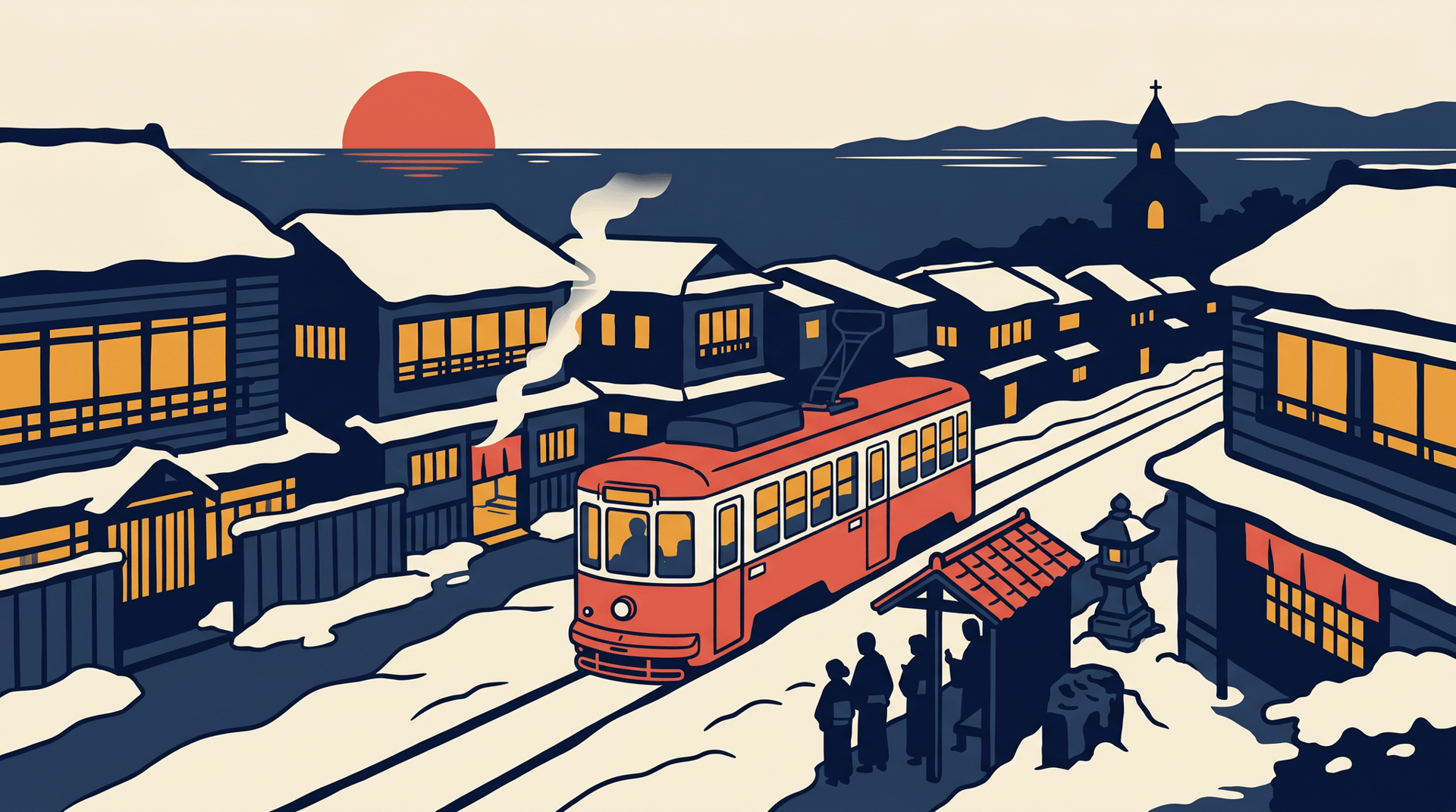
Hakodate's beachside onsen quarter, fed by 350-year-old sodium chloride springs. Famous for ryokan facing the Tsugaru Strait.