

Niseko Onsen-kyo
ニセコ温泉郷World-famous ski-and-onsen region in southwest Hokkaido, with deep powder snow, Mount Yotei views, and a string of onsen (Niseko-Konbu, Yumoto, Goshiki, Hirafu) tucked into the foothills.
A string of bath hamlets at the foot of Annupuri
Niseko Onsen-kyo is not a town but a loose necklace of small bath districts strung along the eastern foot of Mt. Niseko-Annupuri and spilling east toward the perfect cone of Mt. Yotei. The Japan Spa Association lists four members under the name, Konbu, Annupuri, Yumoto and Goshiki, and in practice the ski-side hamlets of Hirafu and Moiwa belong to the same family of waters. The oldest inn on record, Koikawa Onsen Ryokan in Konbu, opened in 1899; Goshiki, the highest of the group at 750 metres, has run continuously since 1930. Through the Meiji and Taisho years these were modest toji villages reached from the new railway, then in the postwar decades the slopes above them were laid out as ski runs, and from the early 2000s an Australian-led international boom turned Hirafu into one of the most cosmopolitan winter villages in Japan. In 1958 the group of districts was inscribed as a National Health Resort.
Four waters, four moods
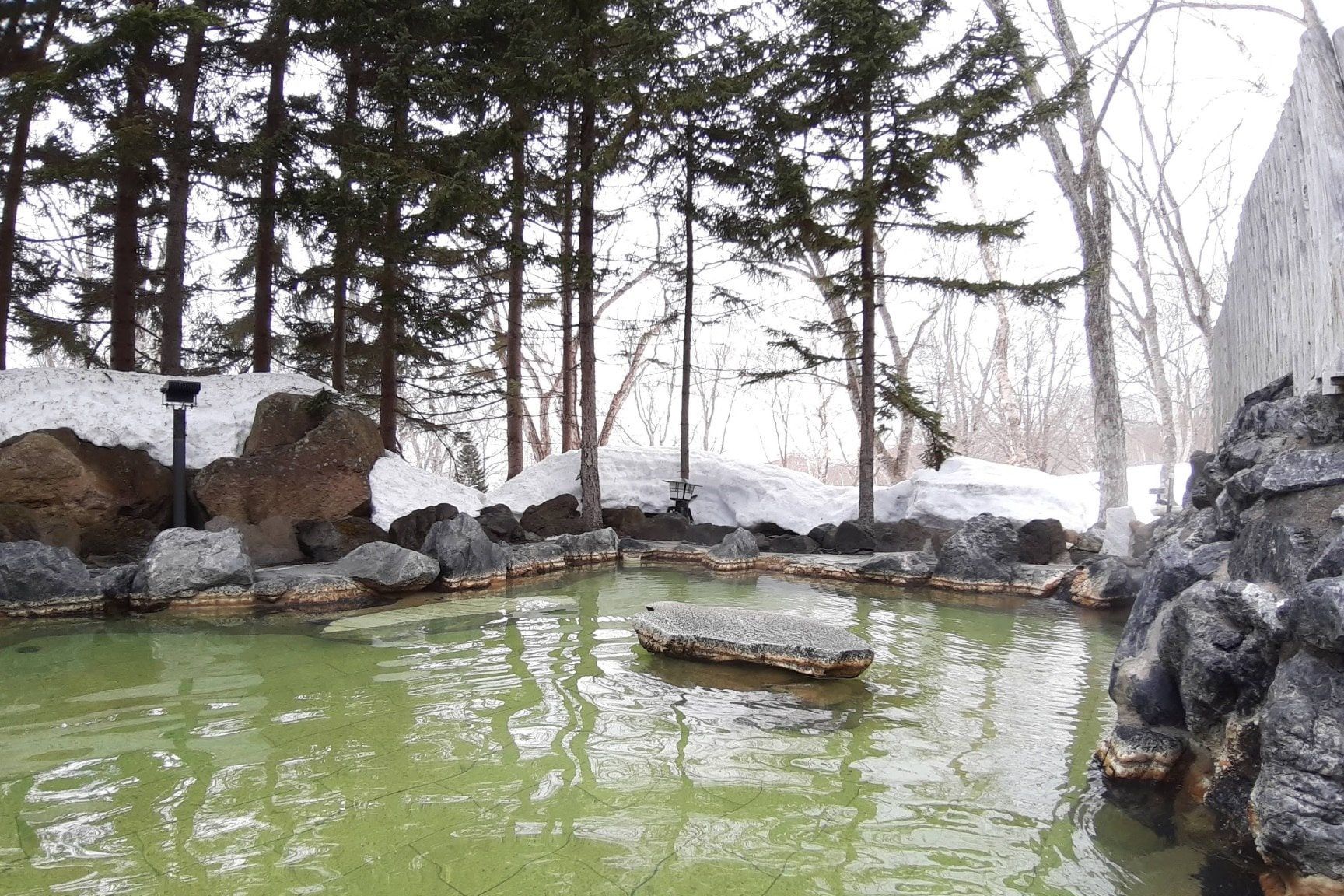
Each district keeps a distinct character because the water under it is different. Goshiki pours an acidic sulfur spring (pH 2.6, 76°C at the source) whose colour is said to shift through five shades with the light; the inn's free outdoor rotenburo sits in a saddle between Annupuri and Iwaonupuri. Konbu, the largest of the cluster, is a chloride spring, slick and warming, and lines a wooded stream that turns red in October. Yumoto is sulfurous and ties to the Oyunuma steam lake, where rare io-no-tama, sulfur balls, form on the bottom. Annupuri, added to the designated area in 2024, is bicarbonate-rich and gentle on the skin. The context for all of them is the same: world-class powder snow off the Sea of Japan, and quiet wooden inns spaced minutes apart by road rather than huddled along one street.
Ski lines above, Yotei across the valley
In winter the lifts open straight out of Hirafu, Annupuri, Hanazono and Moiwa onto a single linked mountain; in summer the ridge between Annupuri and Iwaonupuri offers a short alpine traverse that finishes with a soak at Goshiki. From the eastern baths the view across the Shiribetsu valley is held by Mt. Yotei, the Ezo-Fuji, whose snow hangs on into June.
Districts
3 sub-areas within Niseko Onsen-kyoPlaces in this area
24 places · Sorted by rating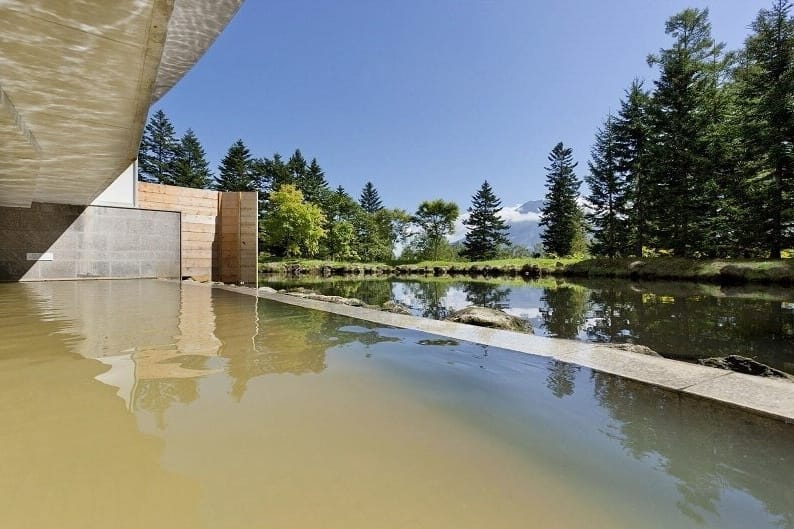
 Lodging
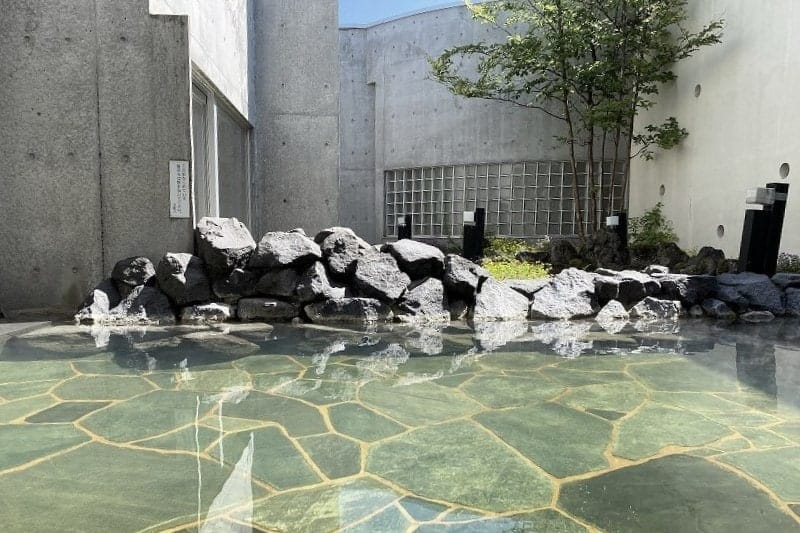
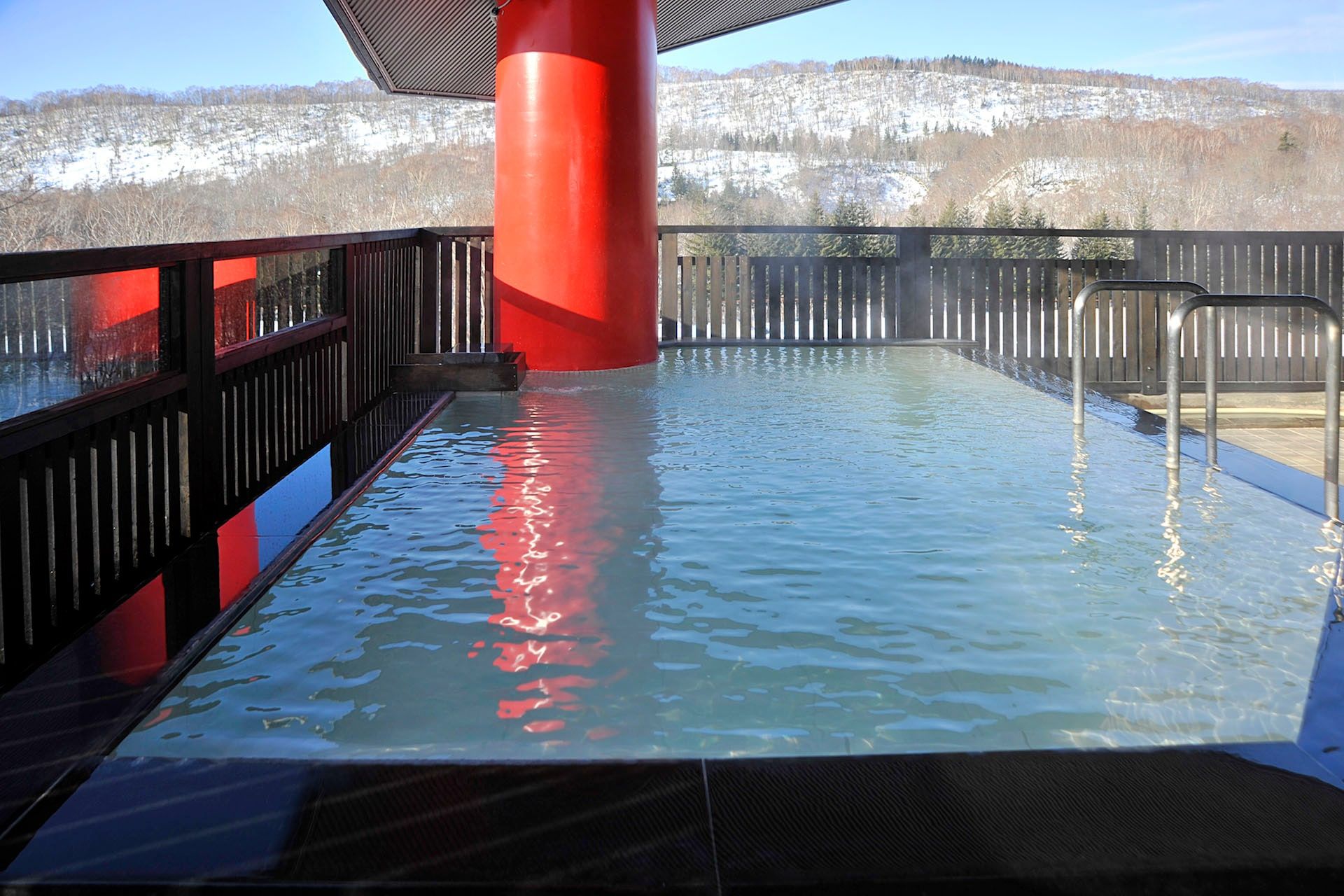
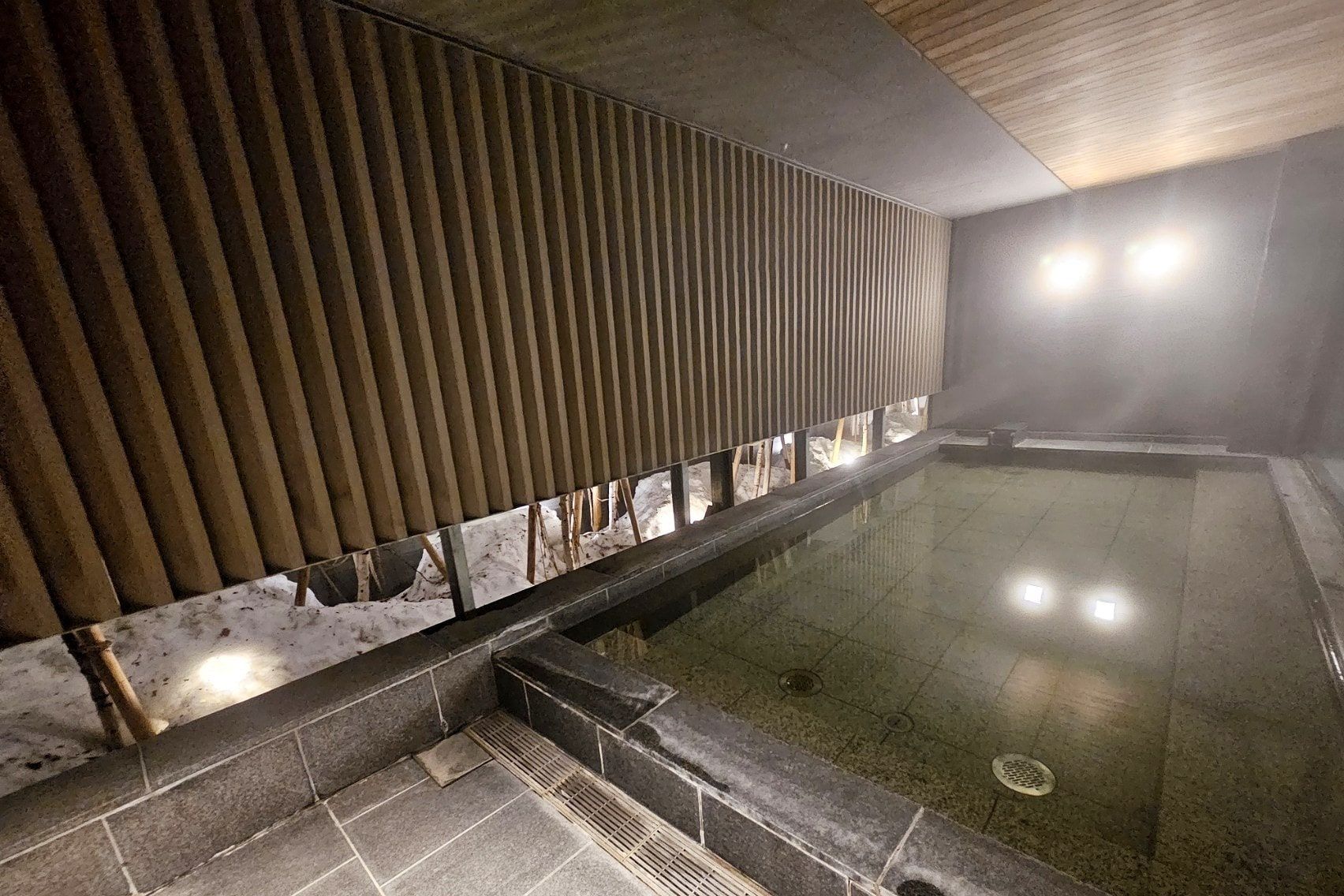
ニセコアンヌプリ温泉 湯心亭
Hokkaido
 Lodging
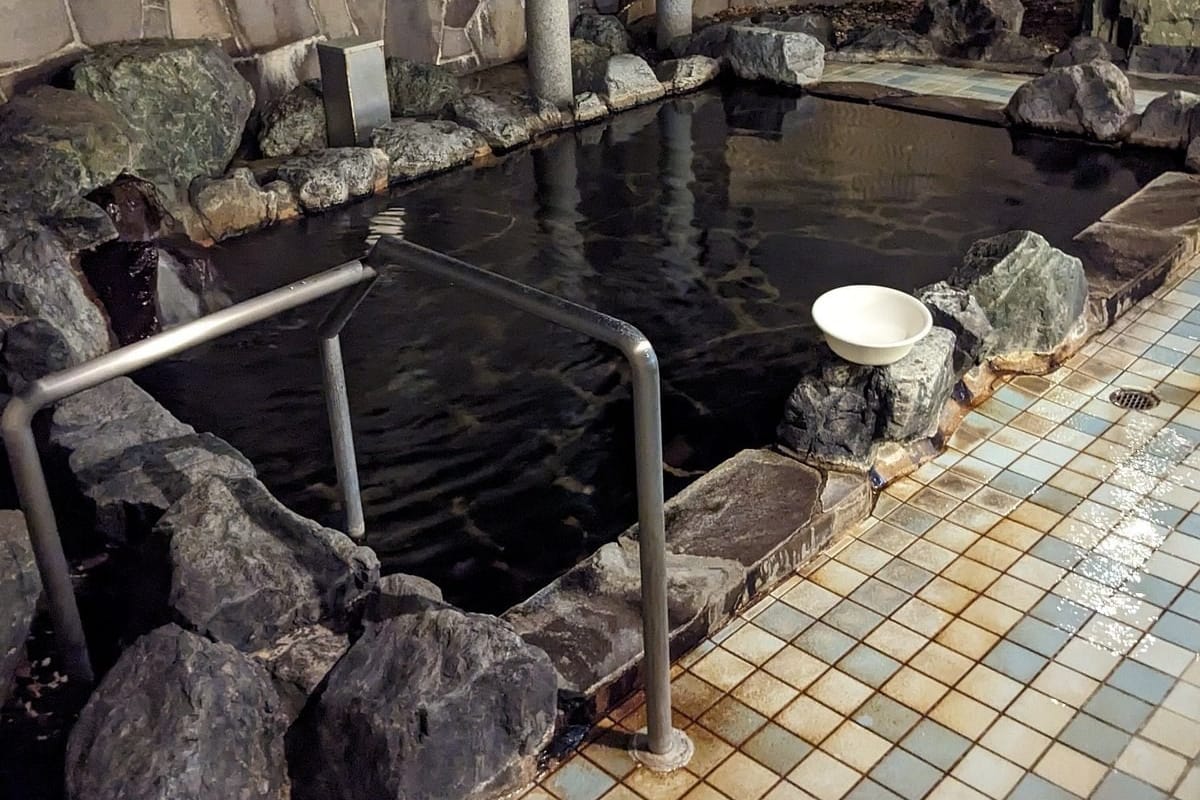
山翠ニセコ
Hokkaido
 Lodging
幽泉閣
Hokkaido
湯ごもりの宿 アダージョ
Hokkaido
黄金温泉
Hokkaido
MUWA NISEKO
Hokkaido
ニセコ羊蹄の宿 楽 水山
Hokkaido
ゆころ温泉
Hokkaido
月美の宿 紅葉音
Hokkaido
On the map
Loading map…
Nearby onsenchi
Within 50 kmSources
- Niseko Resort Tourist Association — Hot Springsofficial— Town tourism office. Source for the roster of bath districts gathered under the Niseko Onsen-kyo banner.
- Japan Spa Association — Niseko Onsen-kyo (National Health Resort)official— Reference for the four constituent districts (Konbu, Annupuri, Yumoto, Goshiki), their water classes, and the National Health Resort designation.
- Niseko Goshiki Onsen Ryokanofficial— Single-inn district between Mt. Niseko-Annupuri and Mt. Iwaonupuri. Source for the 1930 founding, 750 m altitude, and acidic-sulfur water.
- Wikipedia (JA) — Goshiki Onsen (Hokkaido)— Water chemistry (76.1°C, pH 2.6) and the 1958 inclusion in the National Health Resort programme.
- Wikipedia — Niseko— Background on ski-resort development, the 2000s Australian-led international boom, and the area's geography around Mt. Yotei.