

Ibusuki Onsen
指宿温泉Southern-Kyushu beach onsen famous for natural sand baths — bathers are buried in geothermally-warmed sand by the ocean.
Three centuries of being buried at Surigahama
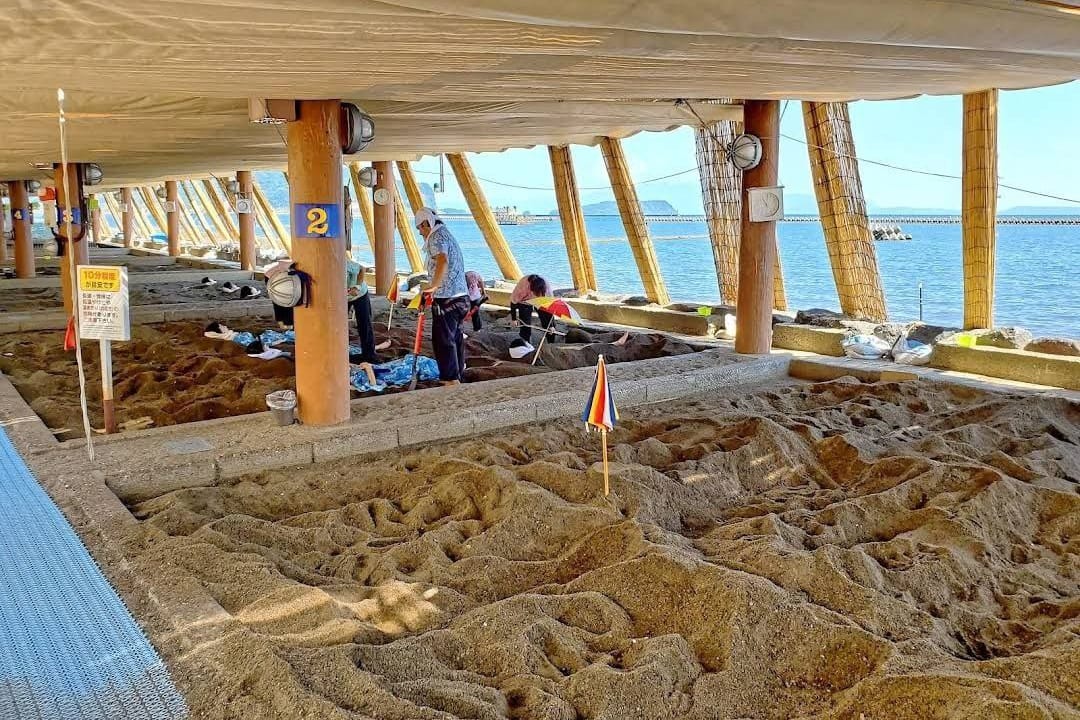
Therapeutic burial in the geothermally heated sand of Surigahama is documented at Ibusuki from 1703 (Genroku 16), and by 1843 the practice was prominent enough to be described in Sangoku Meisho Zue, the great geographic survey of Satsuma, Osumi and Hyuga. Earlier still, the Portuguese trader Jorge Álvares, who scouted Japan ahead of Francis Xavier, recorded people "dug into the sand and lying there" in a passage that reads exactly like suna-mushi five centuries before the modern facility opened.
The town has treated the sand as medicine ever since. By the early 1950s a few thousand patients a year were coming for cures; after Sunamushi Kaikan Saraku opened on Surigahama in 1996 that number rose past 270,000. A Kagoshima University study has measured that inhaling the warm steam from the sand improves circulation more sharply than a standard hot-spring soak.
How the bath actually works
You change into a thin yukata at the bathhouse, walk down to the beach, and lie in a shallow trench an obaasan has scraped out of the sand. She shovels the 50–55°C wet sand back over you up to the neck, settles a folded towel under your head and a wooden roof frame over your face, and leaves you to sweat for ten to fifteen minutes. The weight is real, and the heat pulses through the whole body. When you can no longer stand it, you sit up, brush off, and finish in a normal indoor onsen.
Above the trench the view is volcanic and tropical at once. Mt. Kaimon (開聞岳, 924 m), the perfect cone the southern Satsuma calls Satsuma Fuji, rises offshore over the water; the peninsula sits on Japan's southern edge, mild enough for hibiscus and bougainvillea in town and for this to count as the southernmost active onsen culture in Kyushu.
Beyond the sand
Kaimon itself is one of the 100 Famous Mountains of Japan and a clean half-day climb: a single spiraling trail, about two hours up from the trailhead, with the Pacific on one side and Lake Ikeda's caldera on the other. The flatter alternative is the Yaeyama plateau cycling course through tea fields and seasonal flower rows that bloom into the winter months, when most of mainland Japan is closed for the season.
Places in this area
15 places · Sorted by rating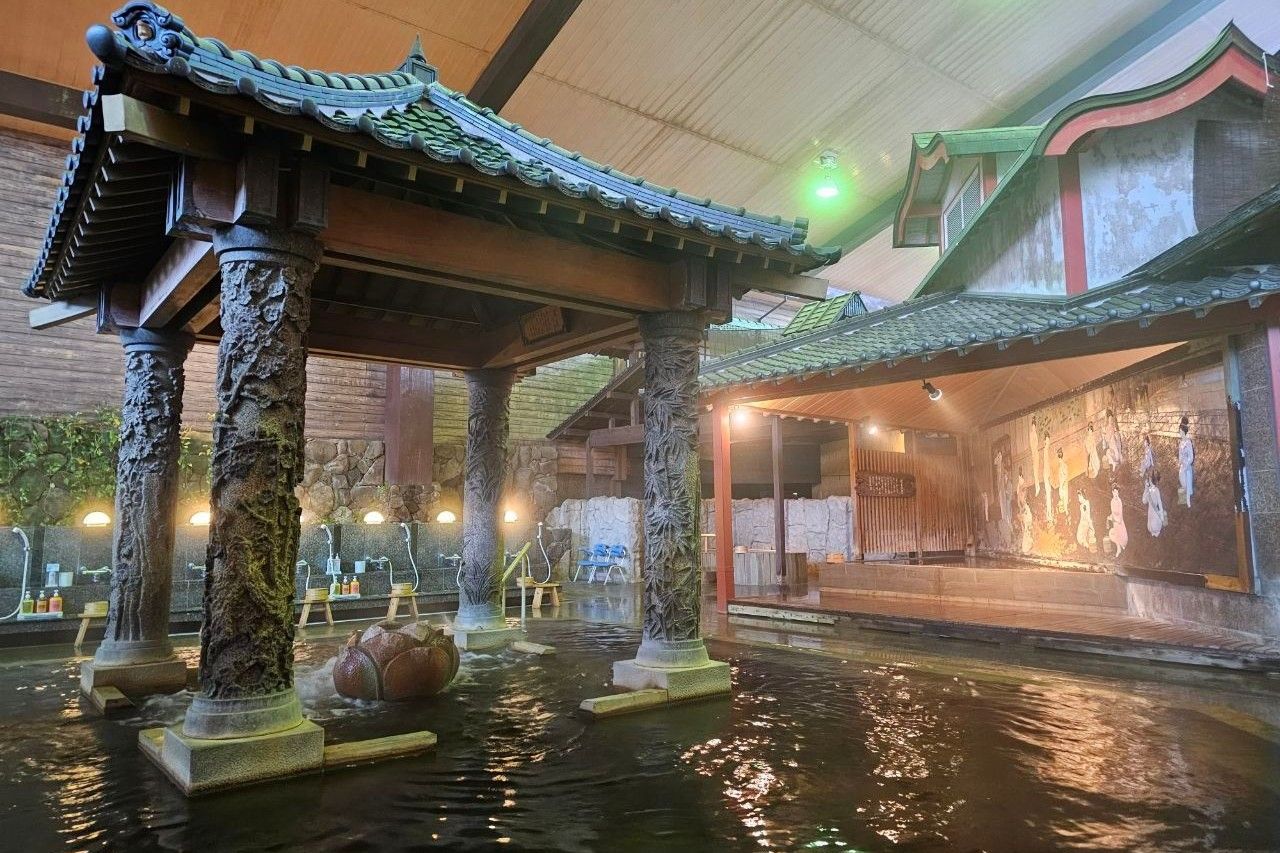 Lodging
指宿白水館
Kagoshima
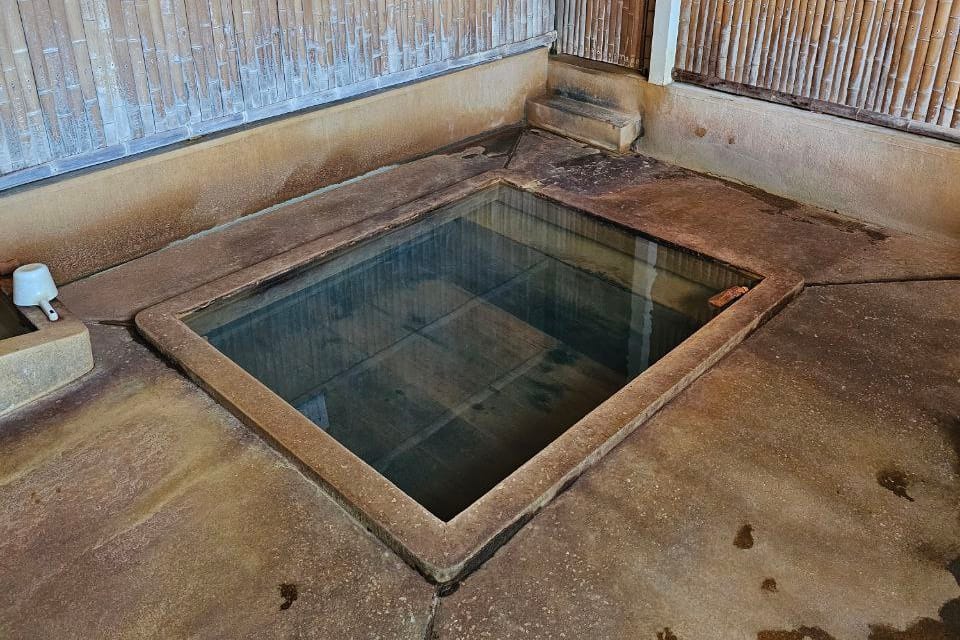 Public Bathhouse
弥次ヶ湯温泉
Kagoshima
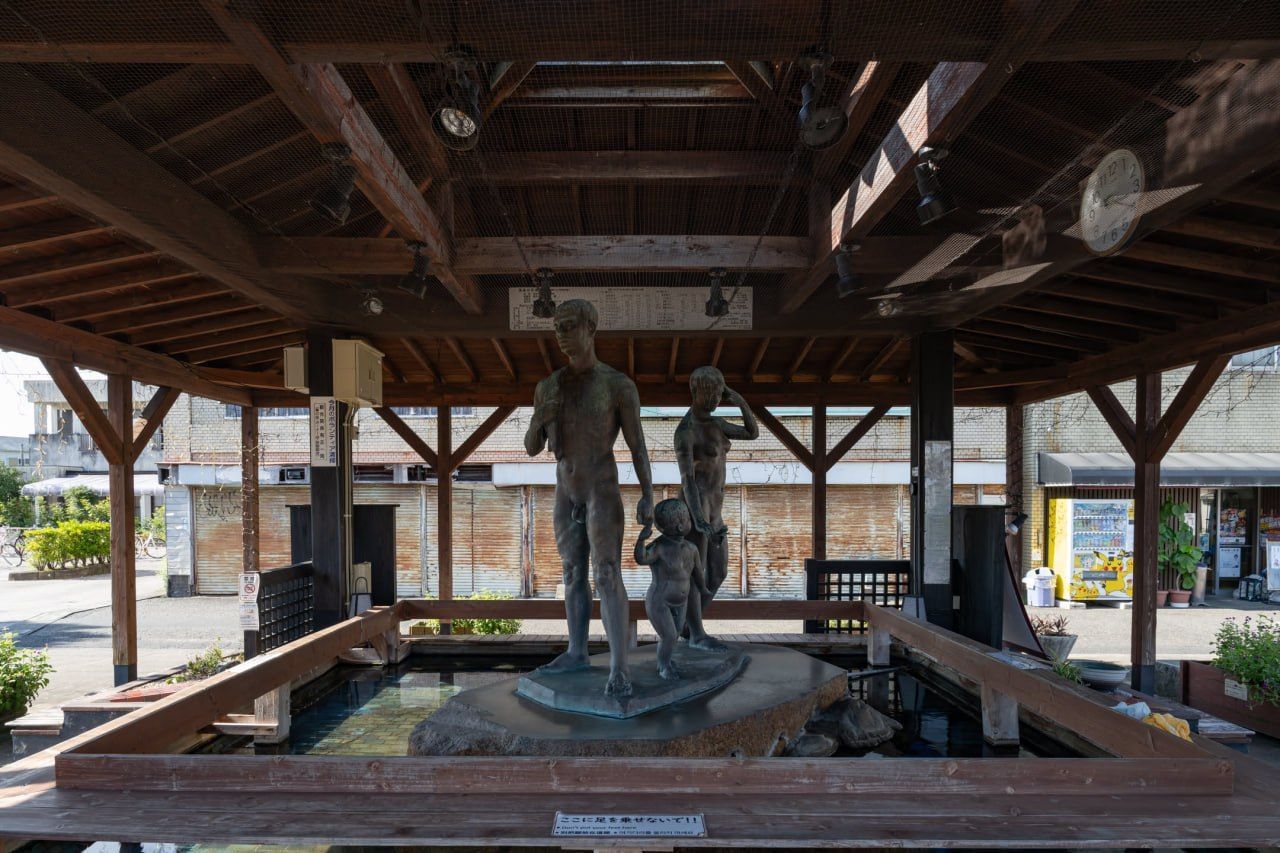
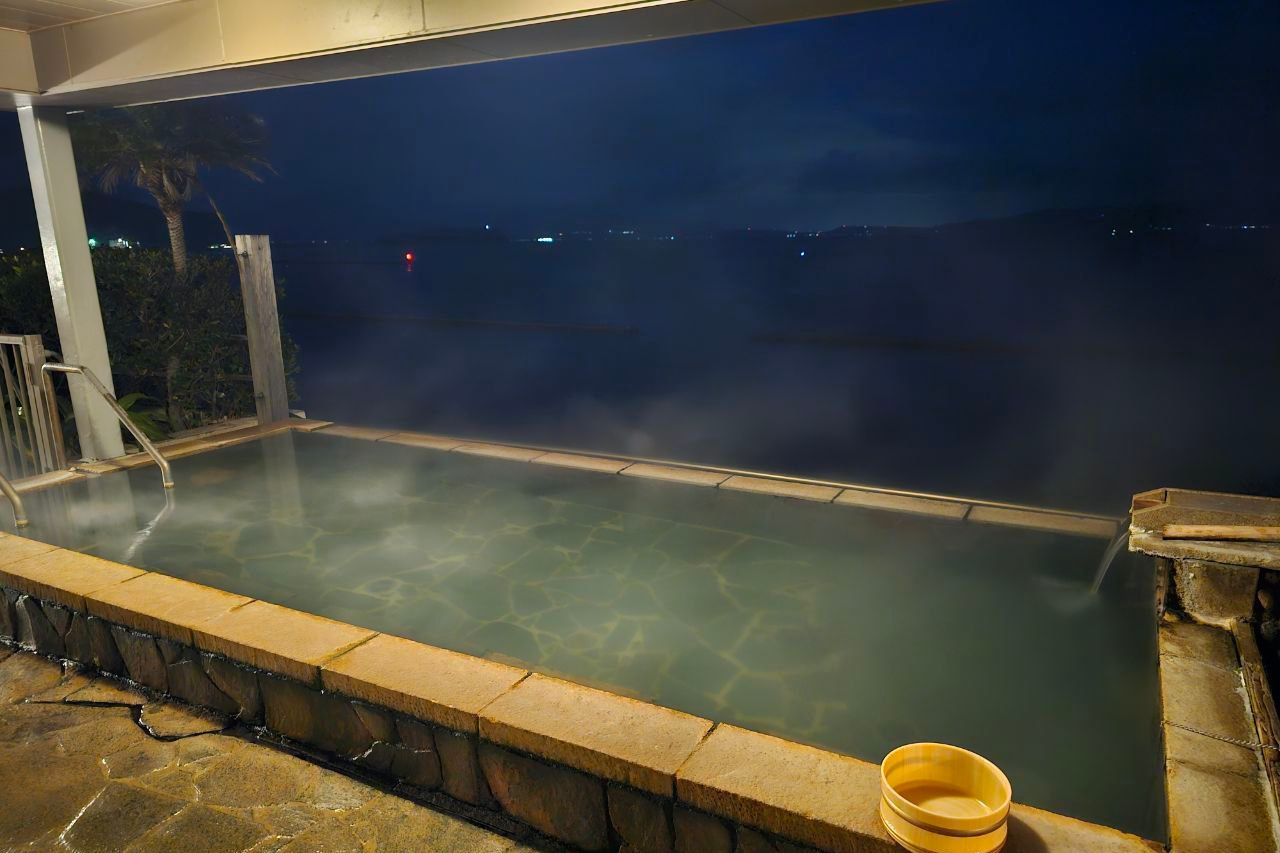
指宿温泉 ホテル翔月
Kagoshima
指宿海上ホテル
Kagoshima
指宿ロイヤルホテル
Kagoshima
休暇村指宿
Kagoshima
家族温泉 野の香
Kagoshima
ローズマリーホテル
Kagoshima
On the map
Loading map…
Nearby onsenchi
Within 50 kmNo nearby onsenchi within range.
Sources
- Ibusuki Tourism Net hot-springs portalofficial— City tourism office. Lists the five families of facilities (sand bath, scenic open-air, public bathhouses, foot baths, day-use) and groups them across four sub-areas from Ibusuki Station to Kaimon-dake.
- Sunamushi Kaikan Saraku, about the sand bathofficial— Largest sand-bath facility on Surigahama. Source for the 1703 (Genroku 16) earliest written record of suna-mushi-yu therapy and the post-1996 visitor numbers.
- Wikipedia, Ibusuki Onsen— Background on the onsen group around Surigahama and its place in the southern Satsuma Peninsula.
- JNTO on Kaimondake, the Satsuma Fujiofficial— Reference for the 924 m cone offshore from Ibusuki, its inclusion in the 100 Famous Mountains of Japan, and the standard hiking loop.
- Welcome Kyushu, Ibusuki Onsenofficial— Regional tourism context: sand temperature range and the Kagoshima University study on steam inhalation.