

Naruko Onsen-kyo
鳴子温泉郷Five-area onsen group in the Naruko Gorge of Miyagi, famed for a wide range of spring chemistries within a few kilometers and for Naruko kokeshi dolls.
A thousand years in the Ou mountains
Naruko sits in the upper reaches of the Eai River in northern Miyagi, where the chronicle Shoku Nihon Koki records a sudden eruption at Mount Toriyama in 837 CE that left behind a roaring spring. The name Naruko (鳴子, "the place that cries out") is folk-etymologically tied to that birth. The poet Matsuo Basho passed through in 1689 on the journey that became Oku no Hosomichi, crossing the old Shitomae barrier and noting the "Naruko no Yu" in his account. Minamoto no Yoshitsune is said to have rested here on his flight north toward Hiraizumi.
The modern resort is an umbrella name for five villages, each with its own water and its own character: Naruko at the rail terminus, Higashi-Naruko with its old riverside inns, Kawatabi (the oldest of the five, long prescribed for beriberi), Nakayamadaira along the Otani River, and Onikobe spread across the highlands of Kurikoma. Around 400 springs feed them in total.
One valley, nearly every water
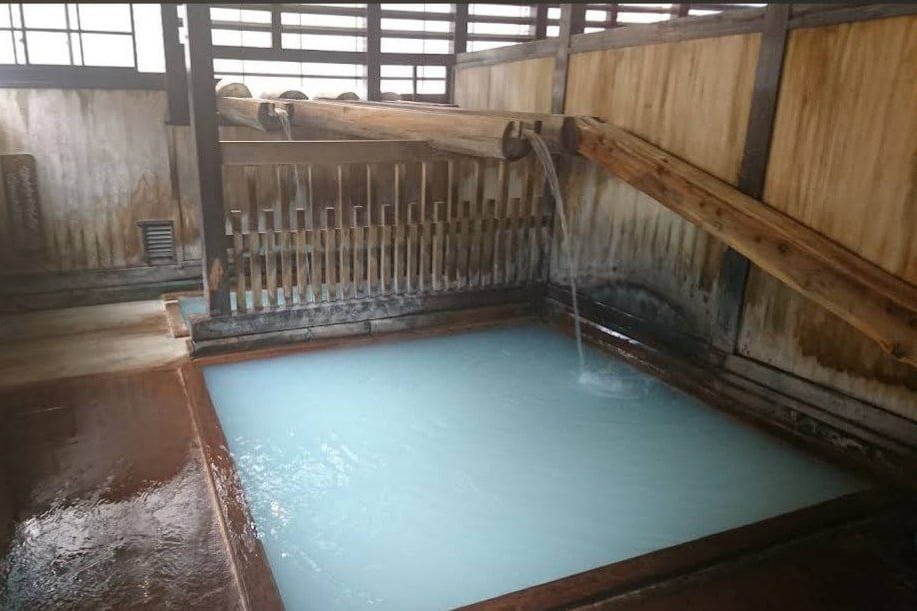
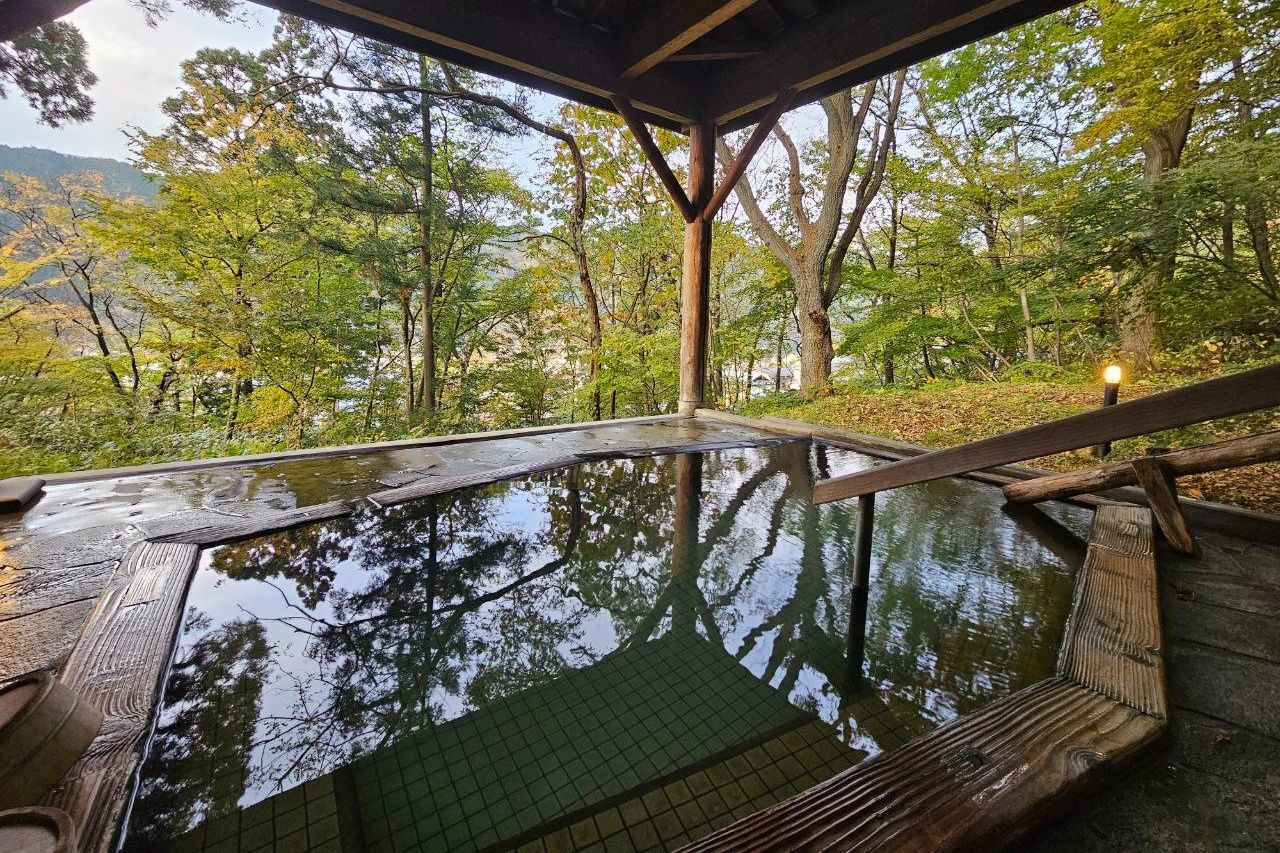
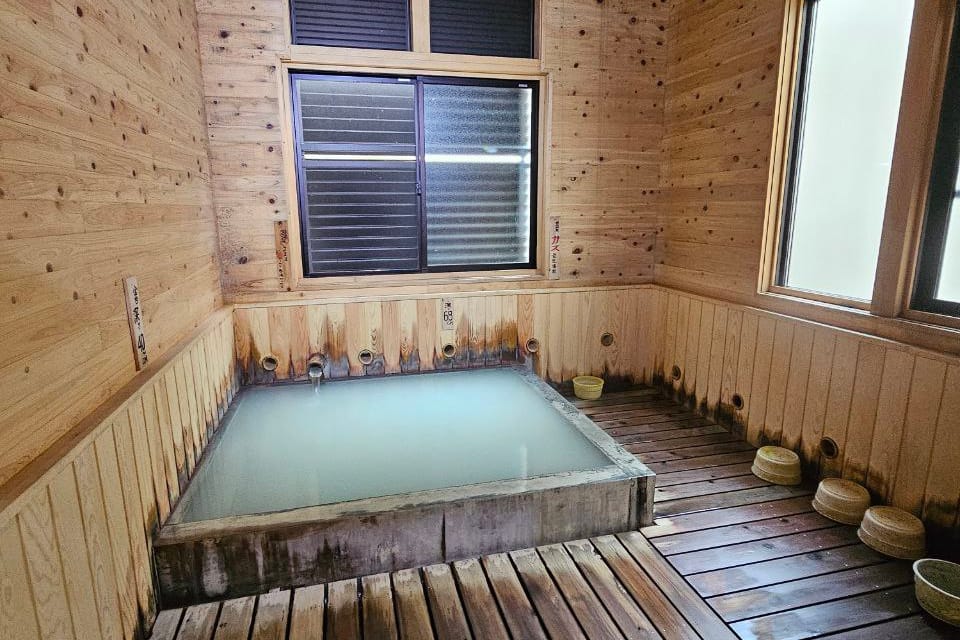
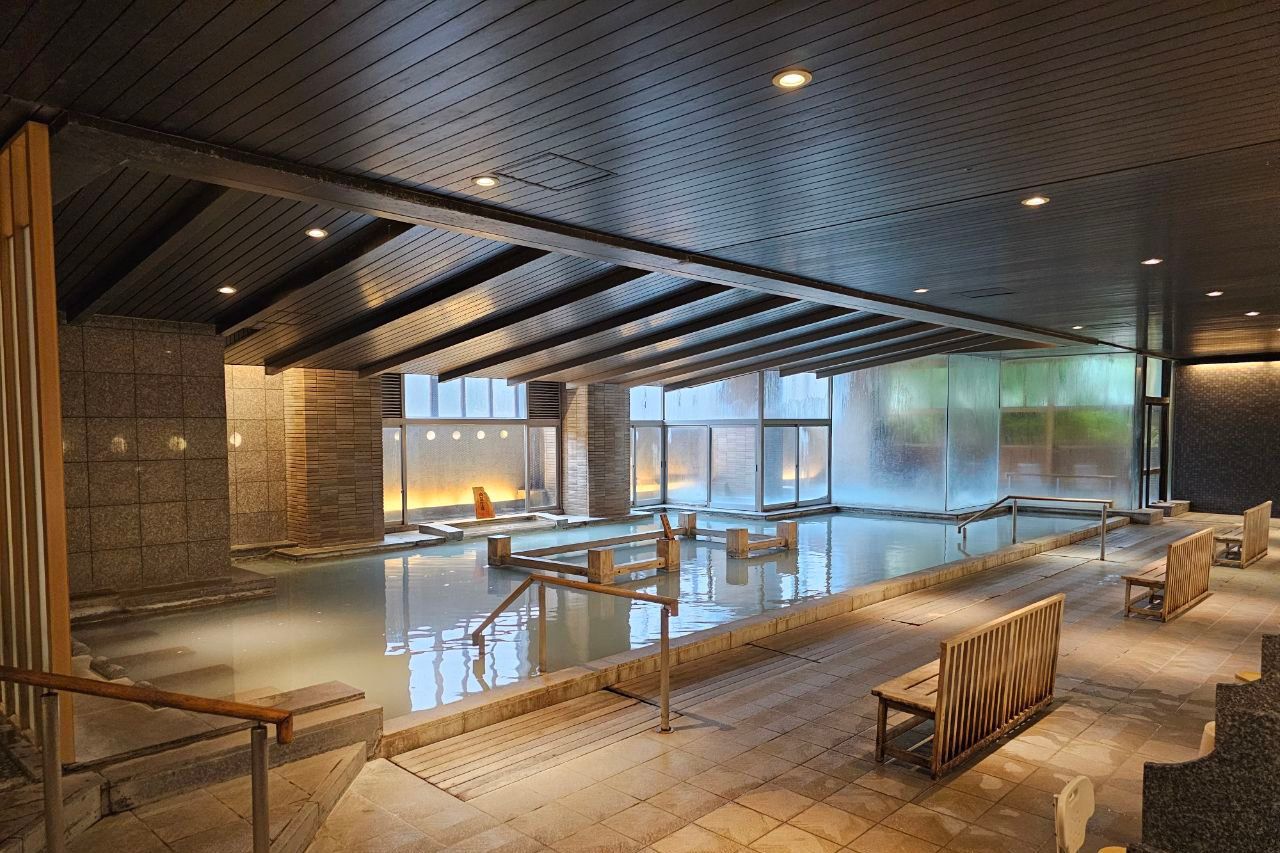
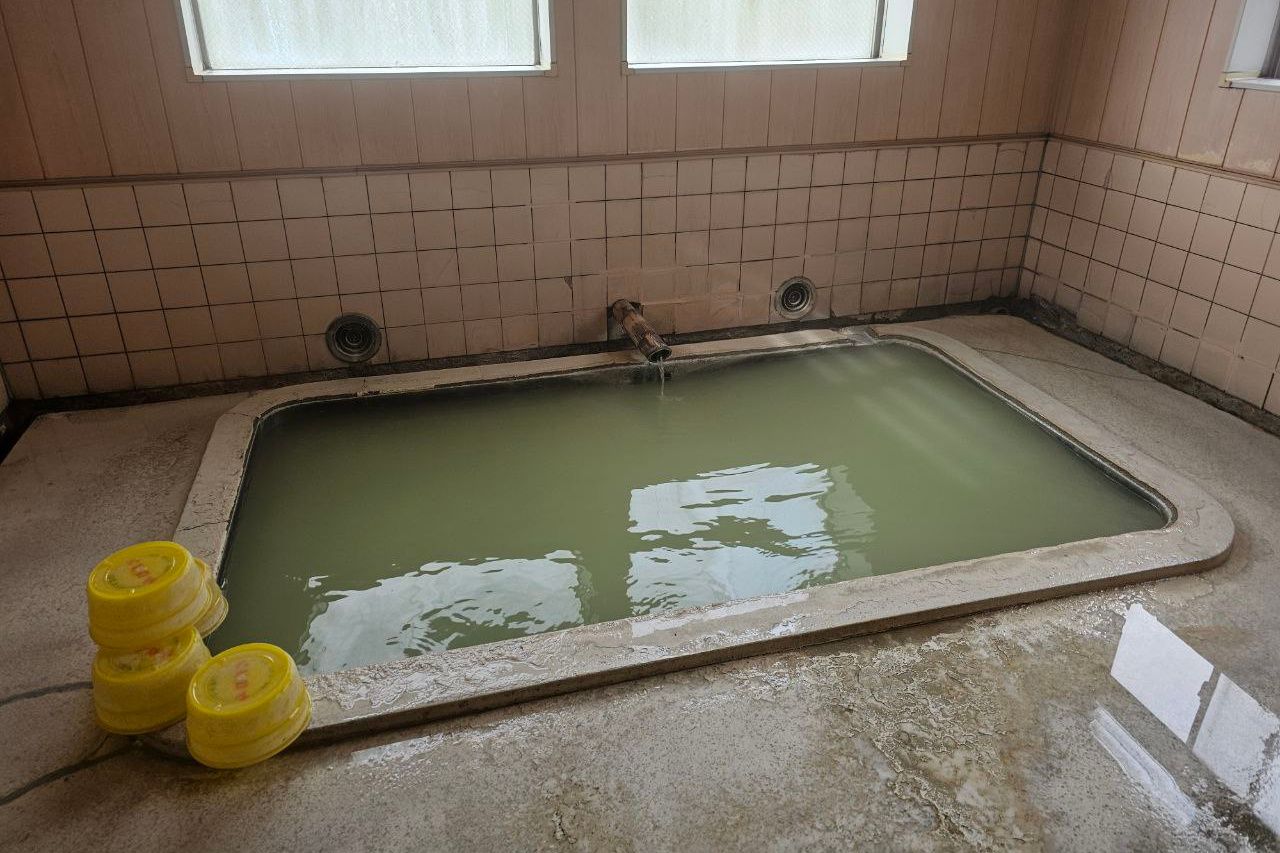
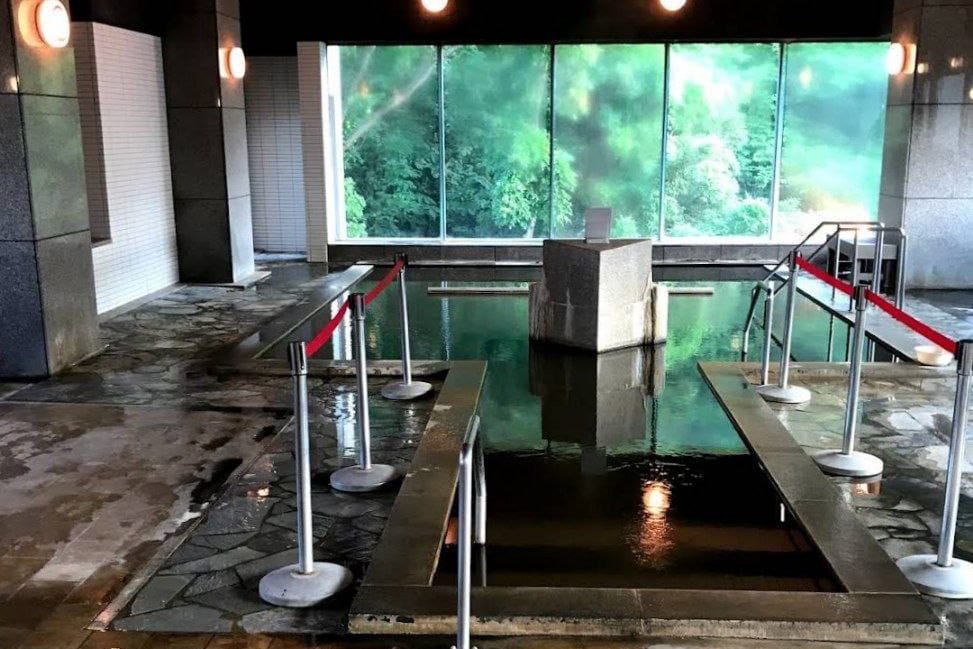
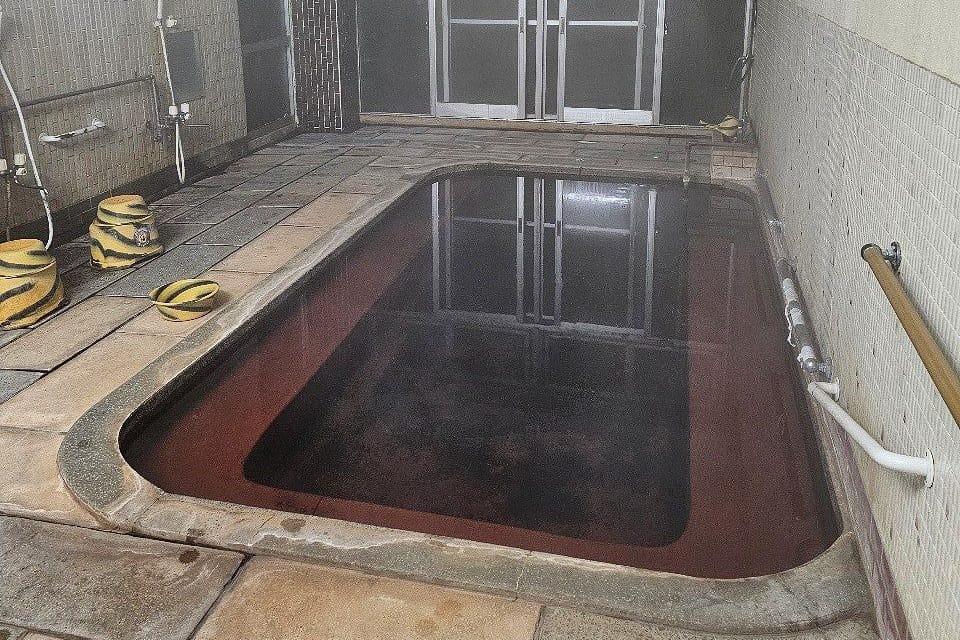
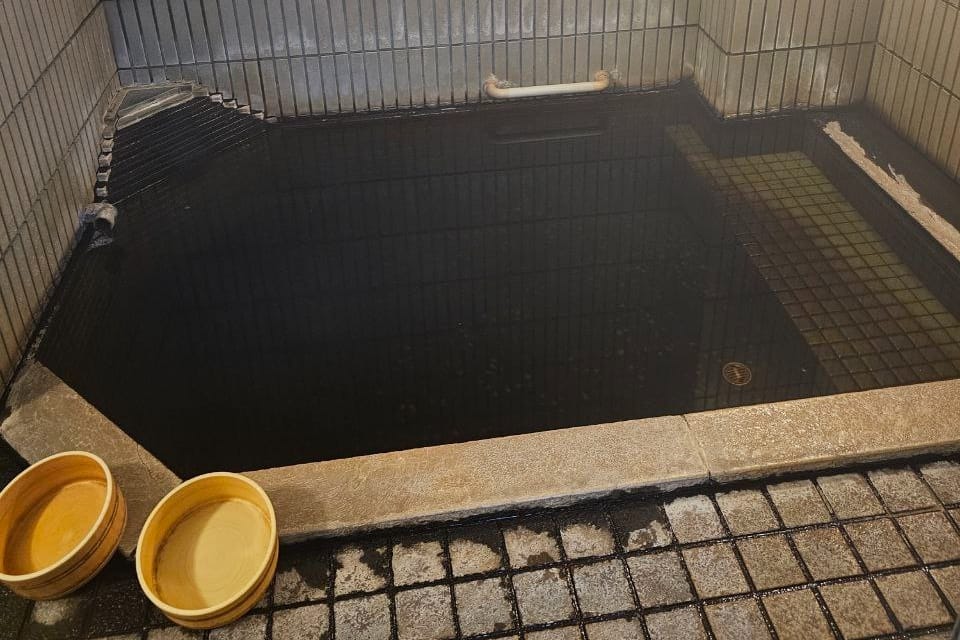
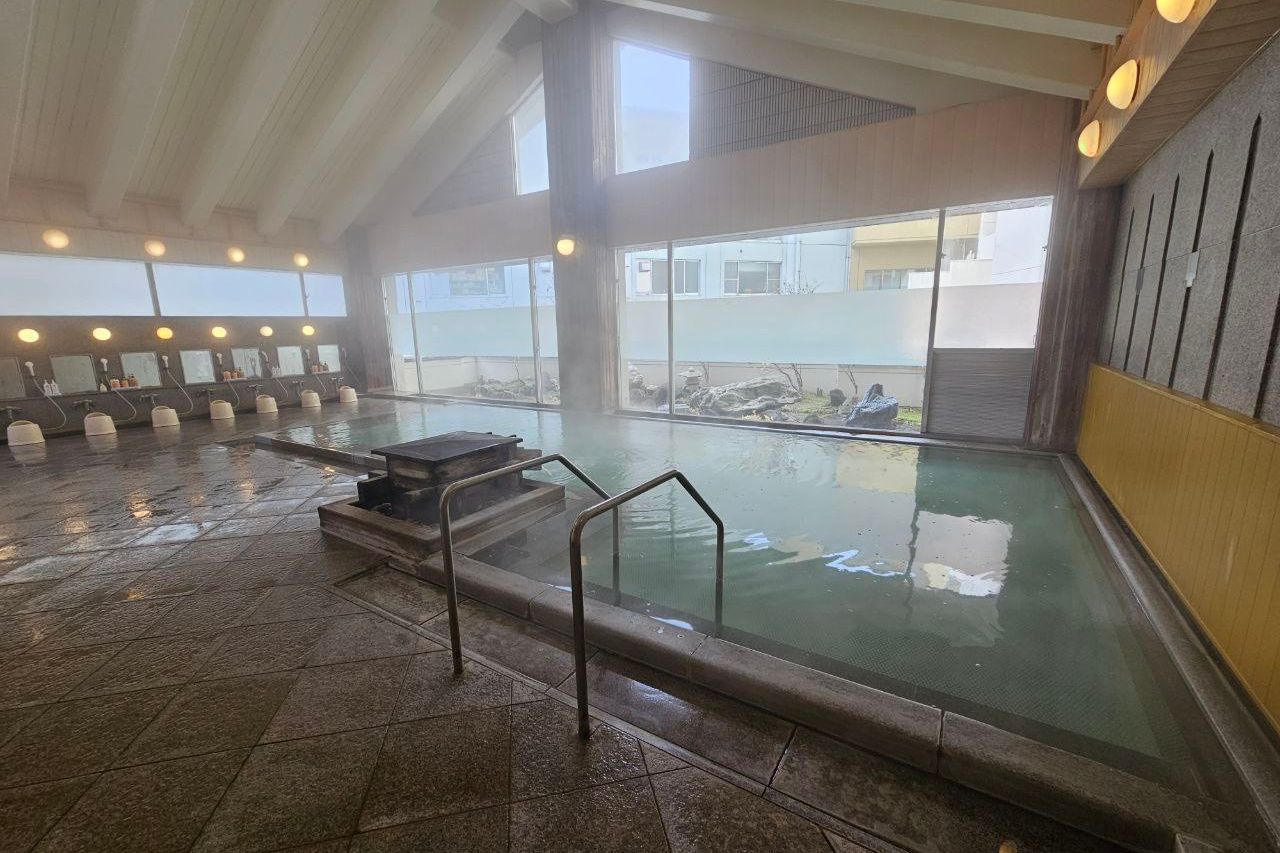
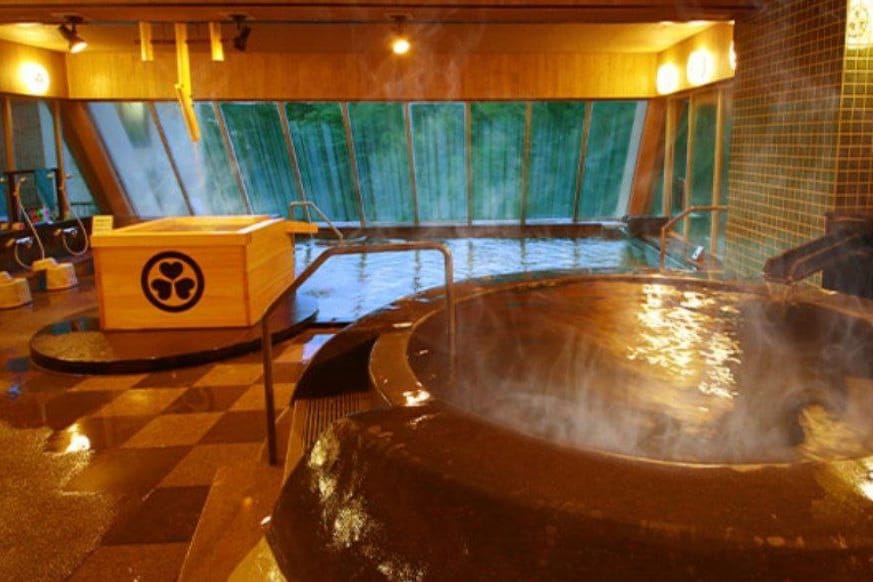
Japan classifies hot-spring waters into eleven chemical types, and Naruko is routinely cited as having nine of them within a single valley, a concentration few resorts in the country can match. The result is that moving between bathhouses is also moving between waters: milky sulfur at Taki-no-Yu, the silky "eel water" of Nakayamadaira, the iron-tinged springs of Higashi-Naruko, the bicarbonate baths of Kawatabi.
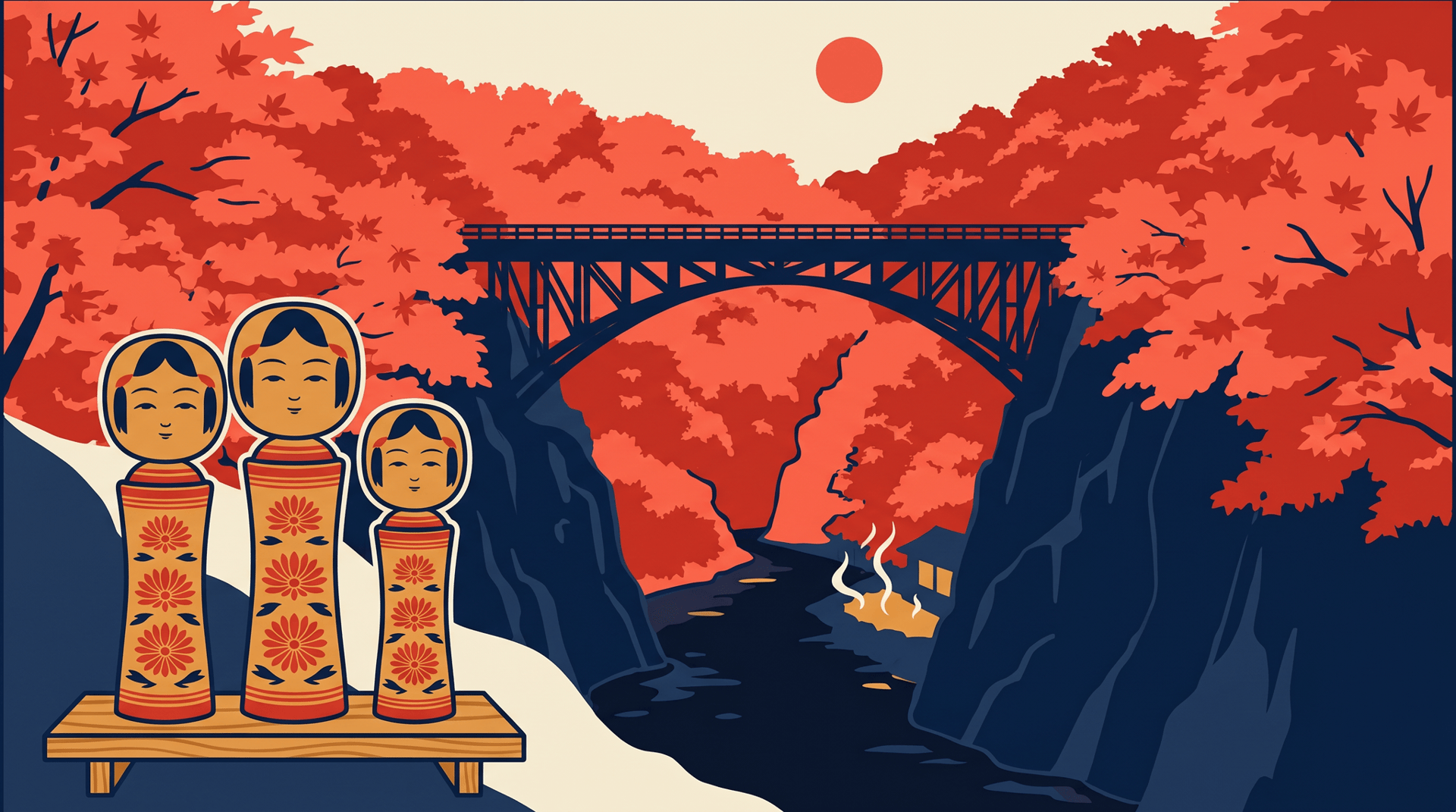
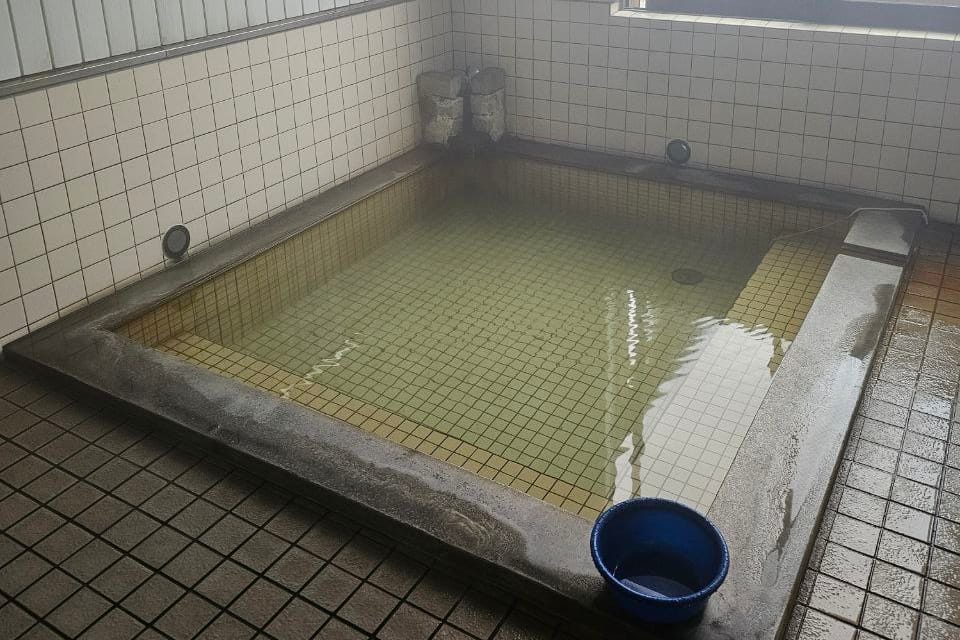
The town keeps the old wooden architecture intact. Taki-no-Yu, the public bathhouse at the foot of the Onsen Shrine approach, is the emblematic one: a small dark-timber building drawing the shrine's source, walls and floors black with mineral wear. The surrounding mountains are beech and maple, and in mid-October the cliffs of Naruko Gorge (鳴子峡), carved a hundred meters deep by the Otani River, turn into one of the most photographed foliage corridors in Tohoku.
Wood, water, and small dolls
Naruko is one of the historic centers of kokeshi, the slender wooden dolls turned on a lathe by the kijishi woodworkers of the northeast. The local style has a large round head, a slim waist, chrysanthemum-painted body, and a head joined so that turning it produces a soft squeak, unmistakable once you have heard it. Around eighty artisans still work full-time in town. Every September the All-Japan Kokeshi Festival gathers makers and collectors from across the country, with a dedication ceremony at the Onsen Shrine.
Districts
5 sub-areas within Naruko Onsen-kyoPlaces in this area
26 places · Sorted by rating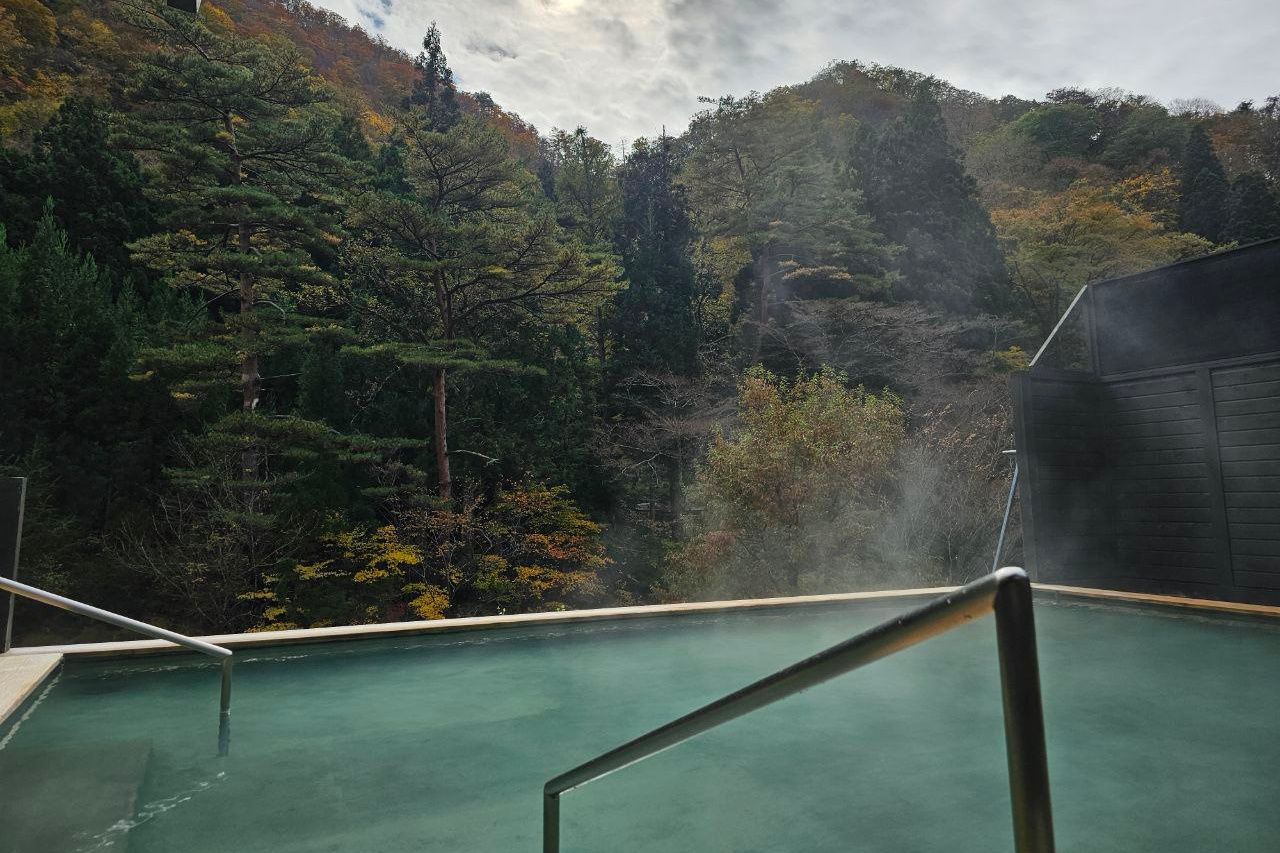
 Lodging
鳴子ホテル
Miyagi
 Lodging
いさぜん旅館
Miyagi
 Lodging
岡崎荘
Miyagi
鳴子風雅
Miyagi
鳴子旅館
Miyagi
高友旅館
Miyagi
On the map
Loading map…
Nearby onsenchi
Within 50 kmSources
- Naruko Onsen-kyo Tourism Associationofficial— Umbrella tourism office for the five constituent onsen. Reference for Taki-no-Yu, the bath-hopping ticket, and area events.
- Naruko Onsen Tourism Associationofficial— Town-level association for Naruko Onsen proper, including the kokeshi craft pages and shrine information.
- Wikipedia, Naruko Onsen (Japanese)— Backs the 837 CE entry in Shoku Nihon Koki and the Oku no Hosomichi passage. Cross-checked for spring-quality coverage.
- Nippon.com, Naruko Hot Spring Resort— Editorial source for the kokeshi tradition and the bath culture of the five villages.
- Visit Miyagi, Naruko Gorge autumn colorsofficial— Prefectural tourism reference for the Otani River gorge and the autumn foliage season.