
Arima Onsen
有馬温泉One of Japan's three ancient onsen (Sankoyu), tucked behind the Mount Rokko ridge from Kobe. Gold (iron-bearing) and silver (carbonated/radon) springs.
A bath older than the chronicles
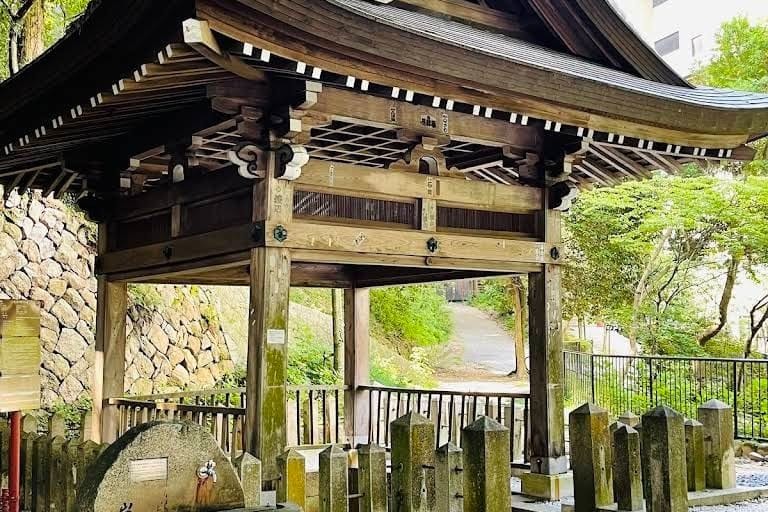
Arima is one of the three ancient springs of Japan, named alongside Dogo in Ehime and Nanki-Shirahama in Wakayama. The Nihon Shoki records that Emperor Jomei stayed here in 631 to recover from illness, and the Pillow Book lists Arima among the three most famous waters in the country. Two monks shape the rest of the legend: Gyoki in the 8th century, who is said to have founded the temple that now anchors the upper town, and Ninsai in the 12th, who is credited with reviving the springs after they had fallen silent.
The figure modern Arima talks about most, though, is Toyotomi Hideyoshi. He first bathed here around 1583 and returned nine times before his death. After the Keicho earthquake of 1596 wrecked the wellheads, Hideyoshi funded a complete rebuild of the source works and the temple, and put up a private villa called Yuyama Goten on the slope above. The infrastructure he commissioned held for roughly 350 years. The two stone bridges crossing the gorge through the town still carry his name and his wife Nene's.
Gold water, silver water, narrow lanes
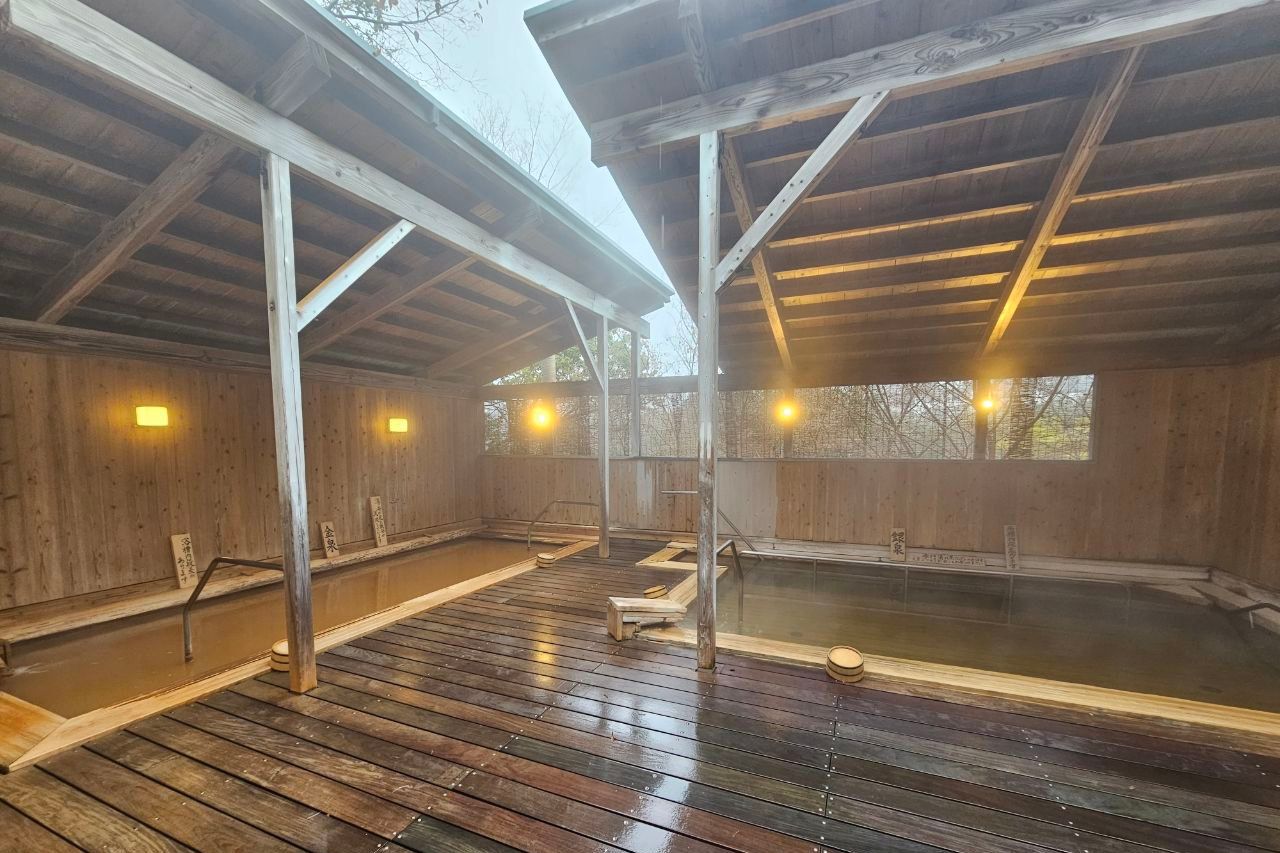
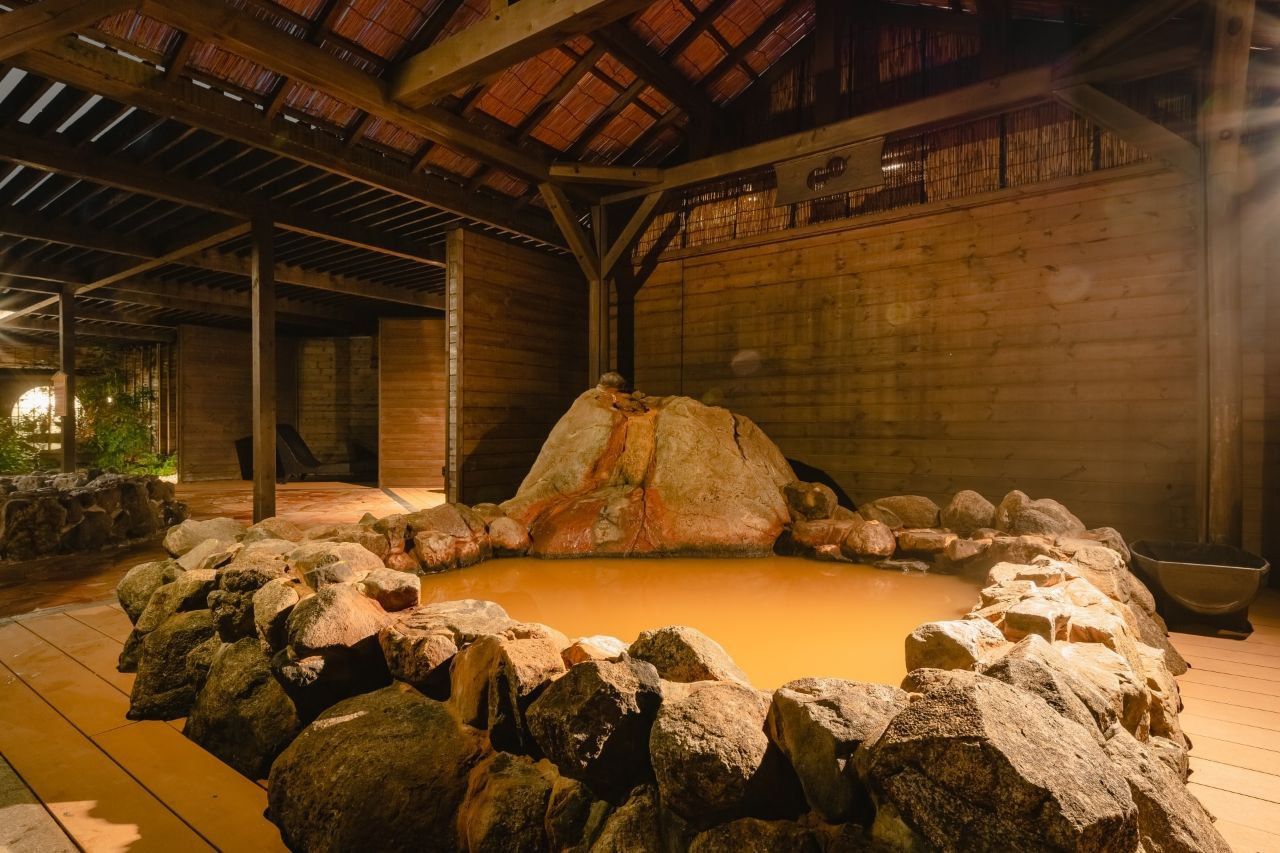
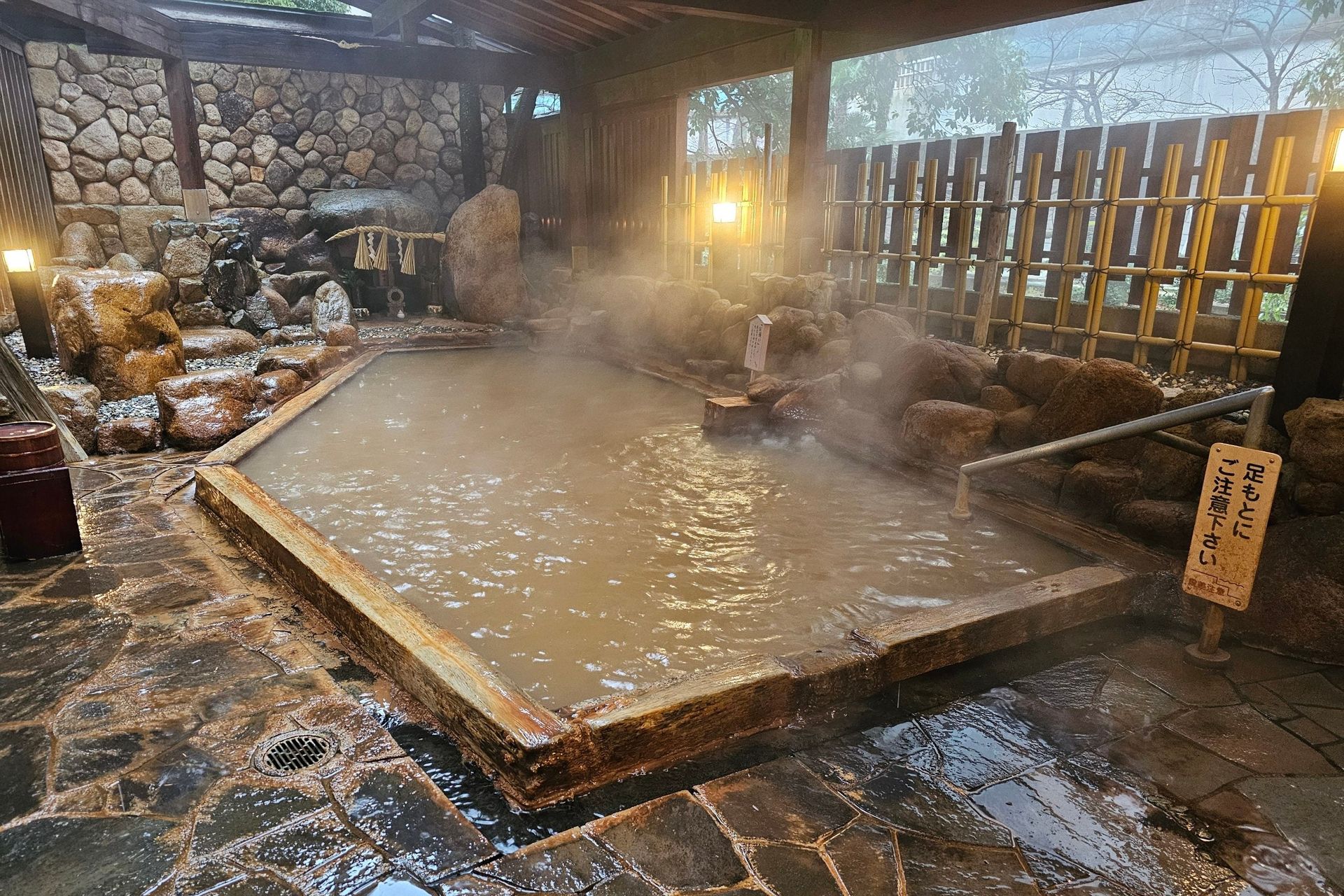
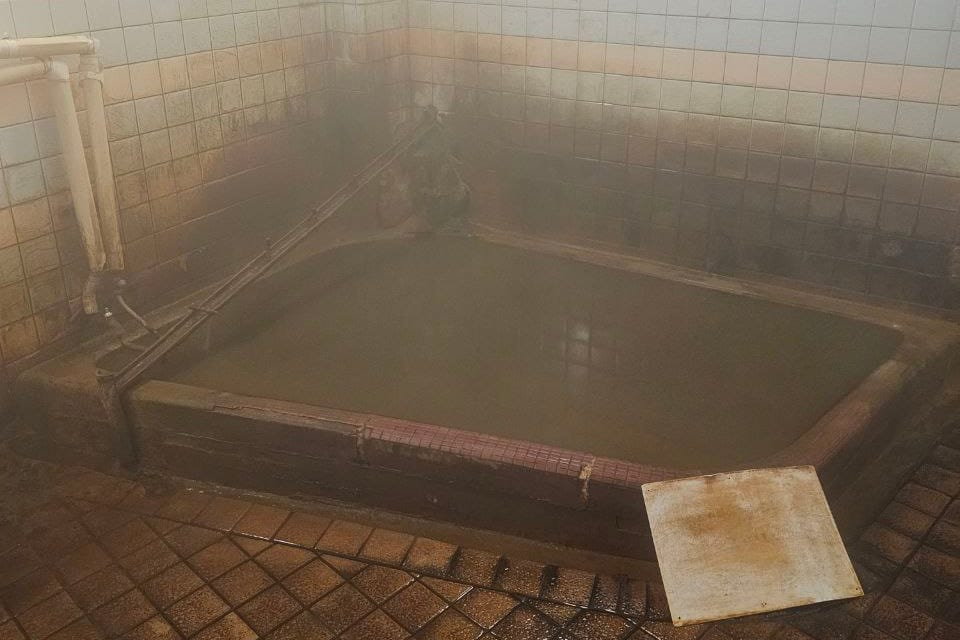
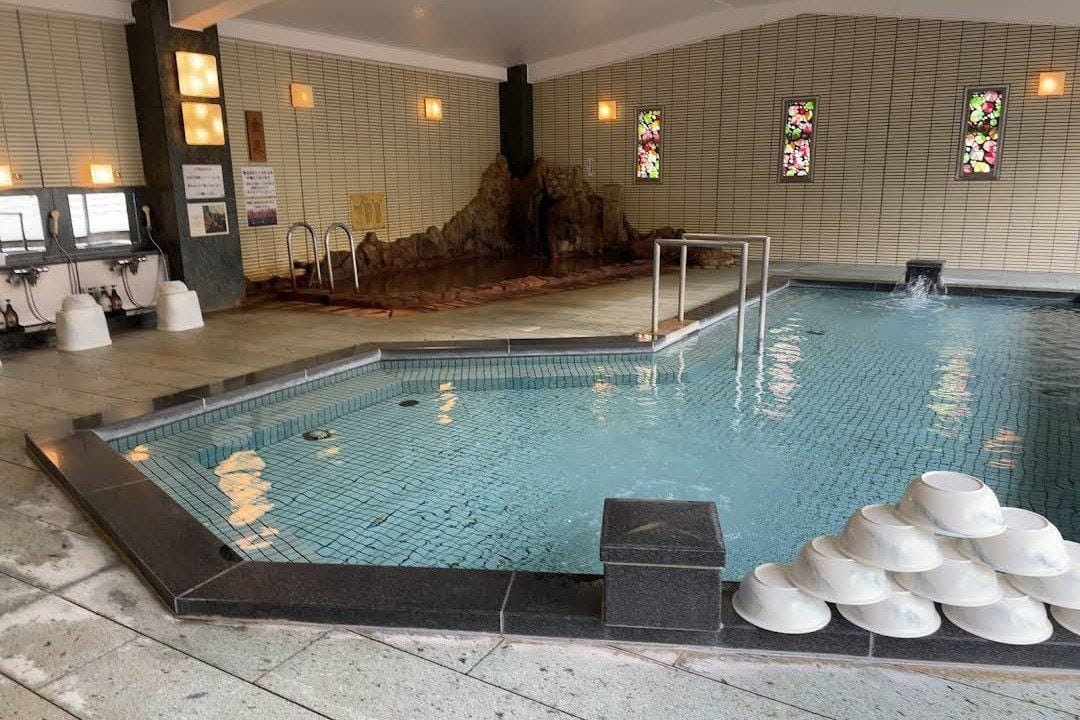
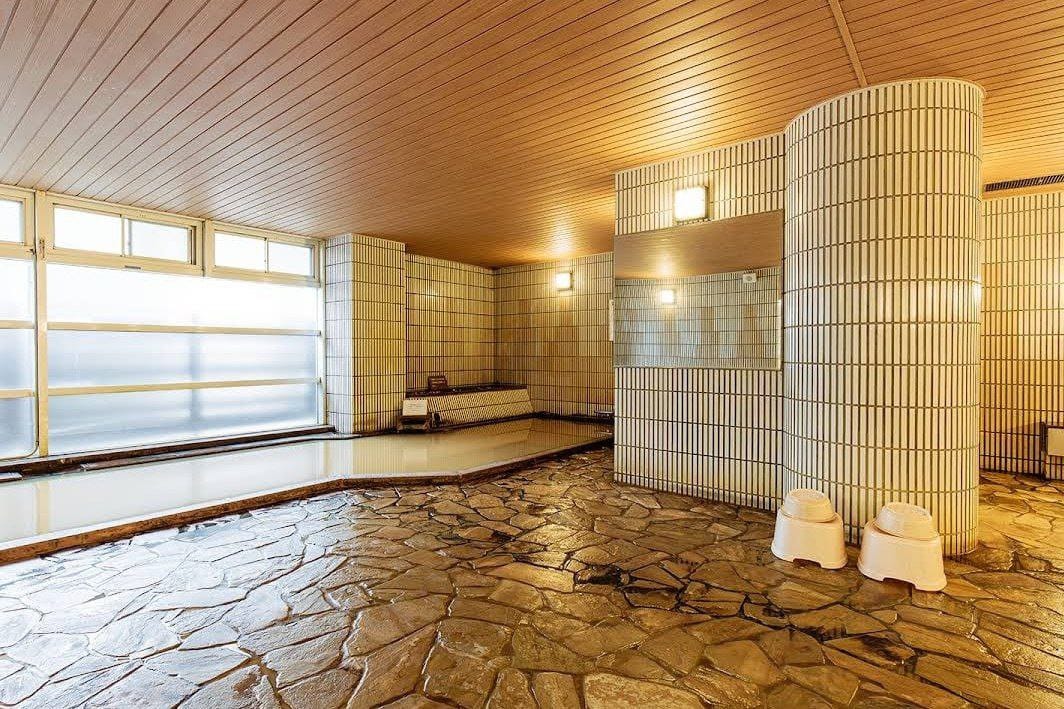
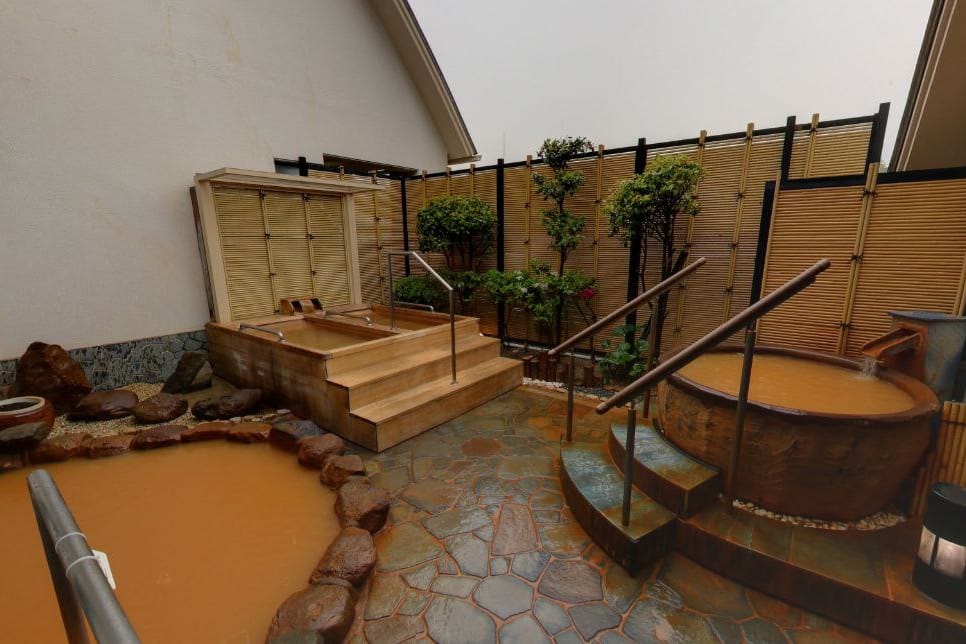
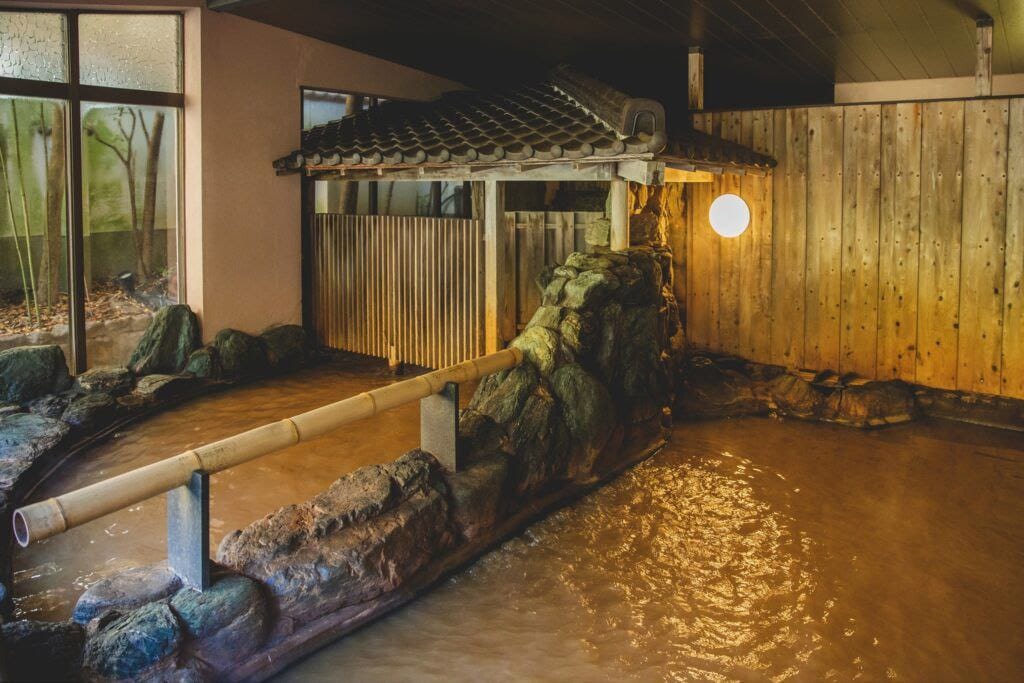
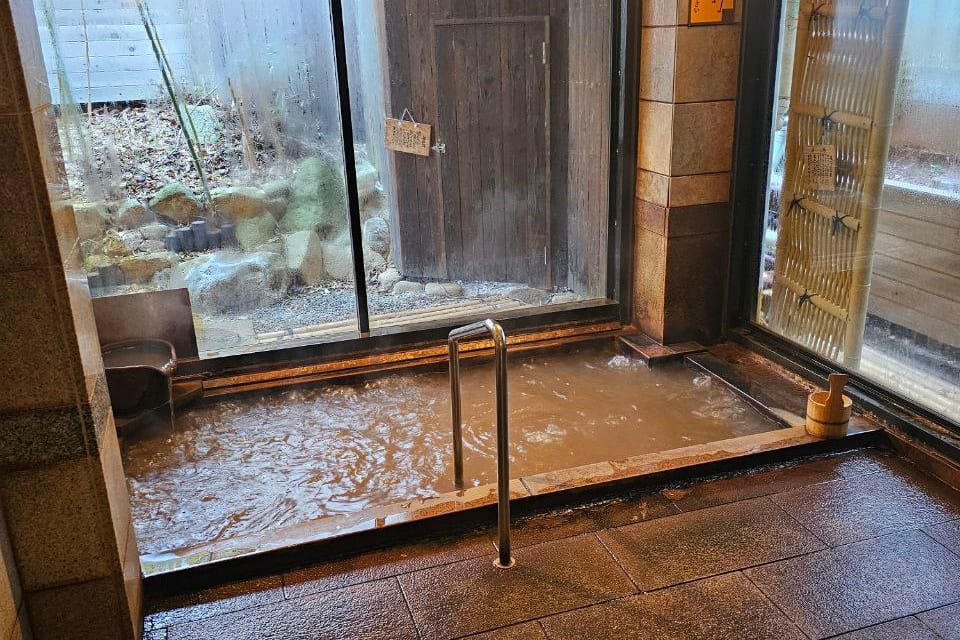
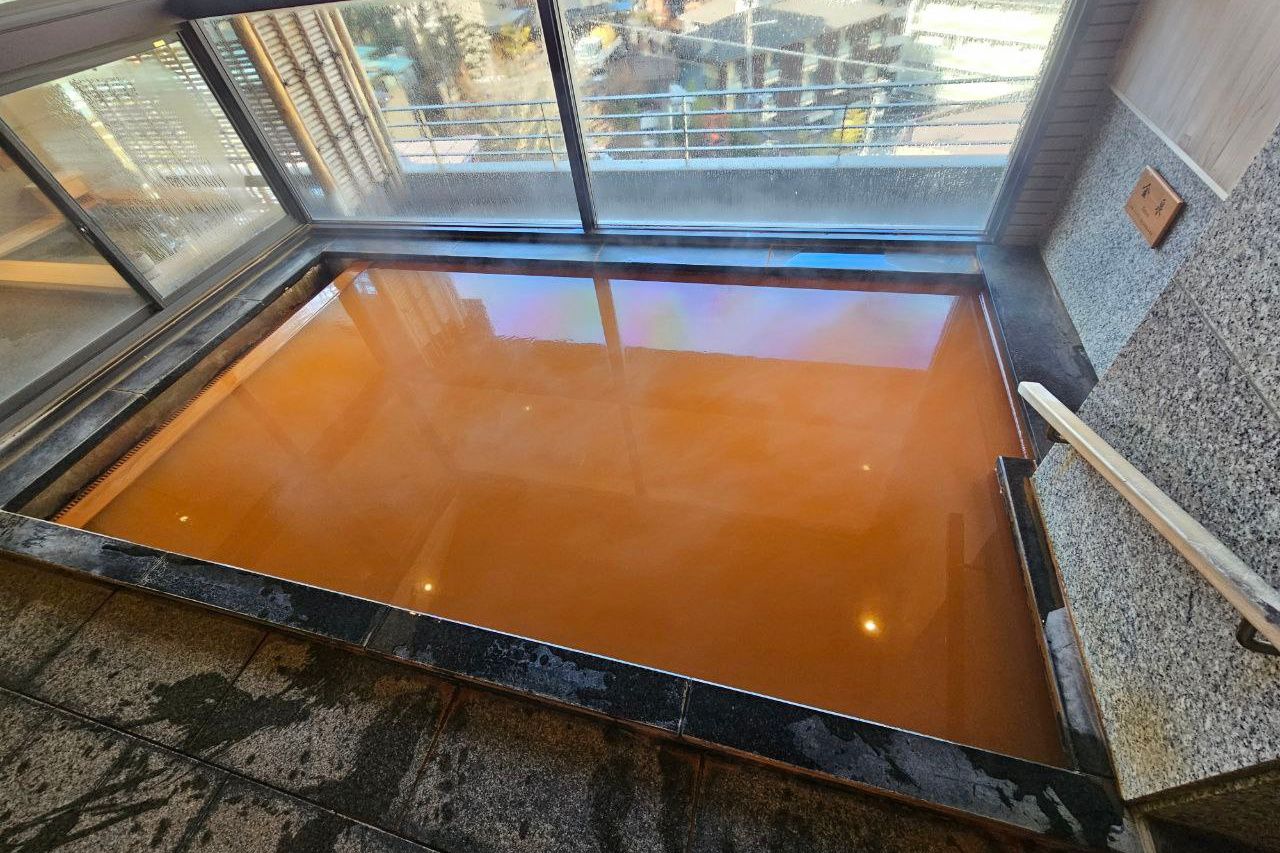
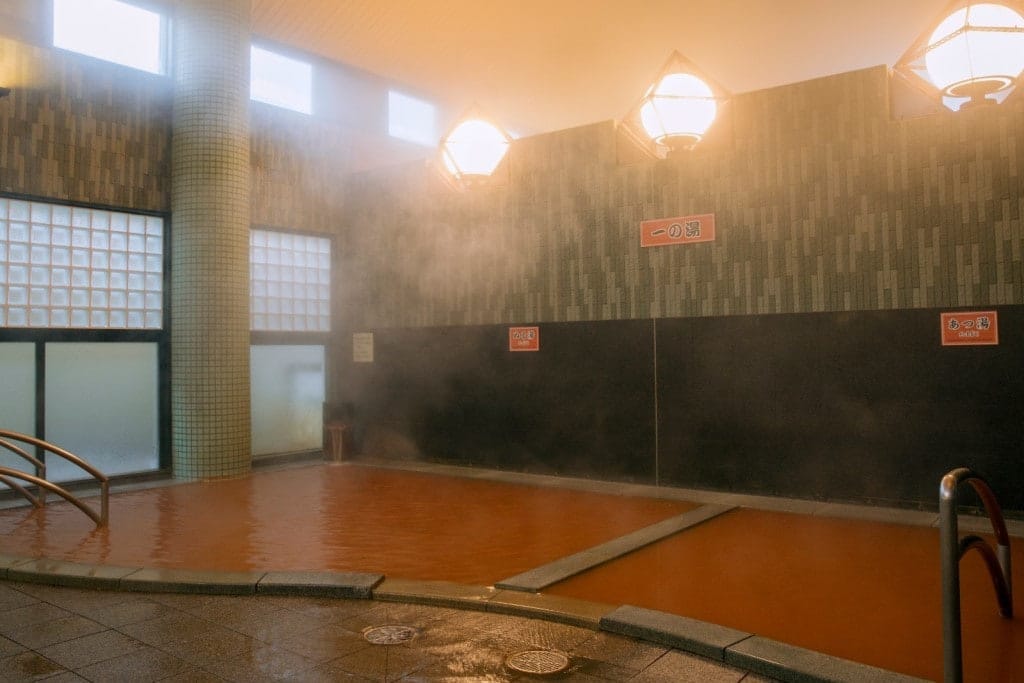
Arima is famous for serving two completely different waters from the same village. The kinsen (金泉, "gold spring") rises iron-rich and heavily saline, oxidizing on contact with air into the rust-orange opacity that gave it its name. The ginsen (銀泉, "silver spring") is the clear counterpart, carrying radium and dissolved carbon dioxide. Both flow into the two municipal bathhouses, Kin no Yu and Gin no Yu, and into the ryokan that climb the hillside above the river.
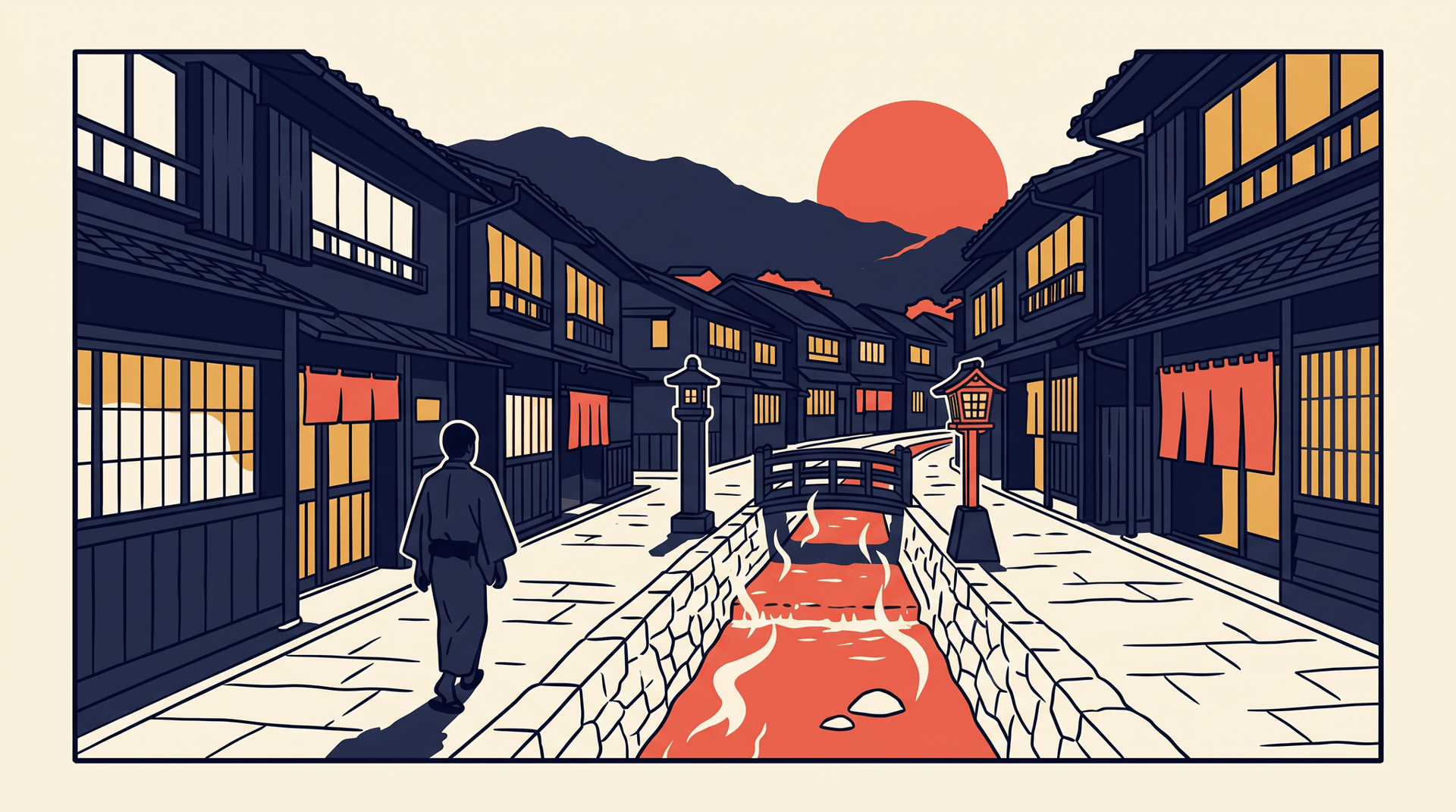
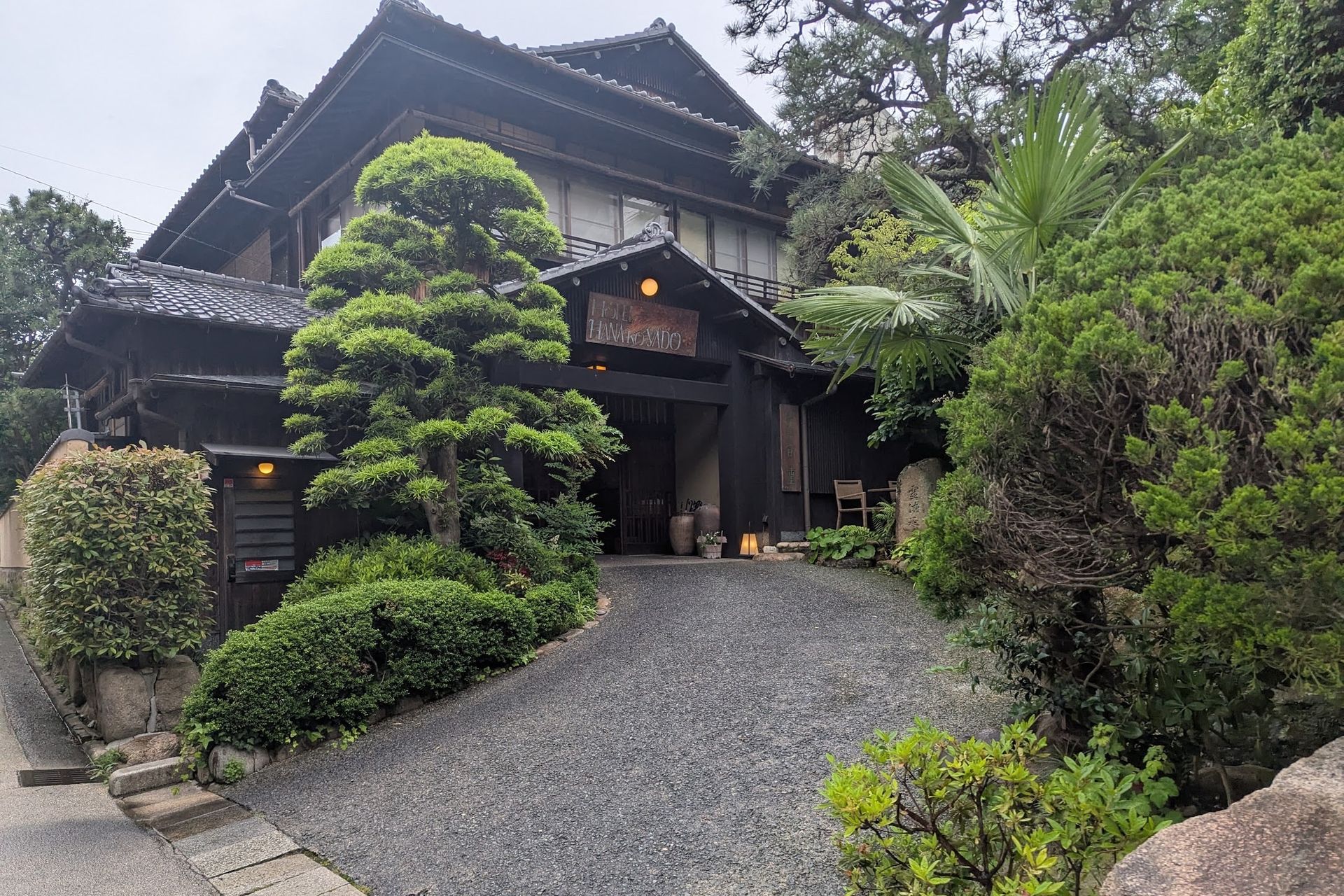
The townscape is dense and small. Wooden inns, steep stone-paved lanes, a single shopping street called Yumotozaka that climbs toward Onsenji temple. Despite that backwater feel, Arima sits on the north slope of Mount Rokko above Kobe, and the Rokko–Arima Ropeway connects it to the ridgeline in twelve minutes. From Sannomiya in central Kobe it is barely thirty minutes by subway and Hokushin line.
What to take home
Local sweets lean on the tansan (carbonated) water that bubbles up alongside the hot springs: thin tansan-senbei crackers baked on iron molds since the Meiji era, tansan-manju steamed buns, and a sharp local cider sometimes called teppo-mizu. The hill bamboo from Rokko becomes Arima-kago woven baskets. None of these need refrigeration, all of them travel well, and all of them are sold along the same fifteen-minute walk between the two bathhouses.
Places in this area
26 places · Sorted by rating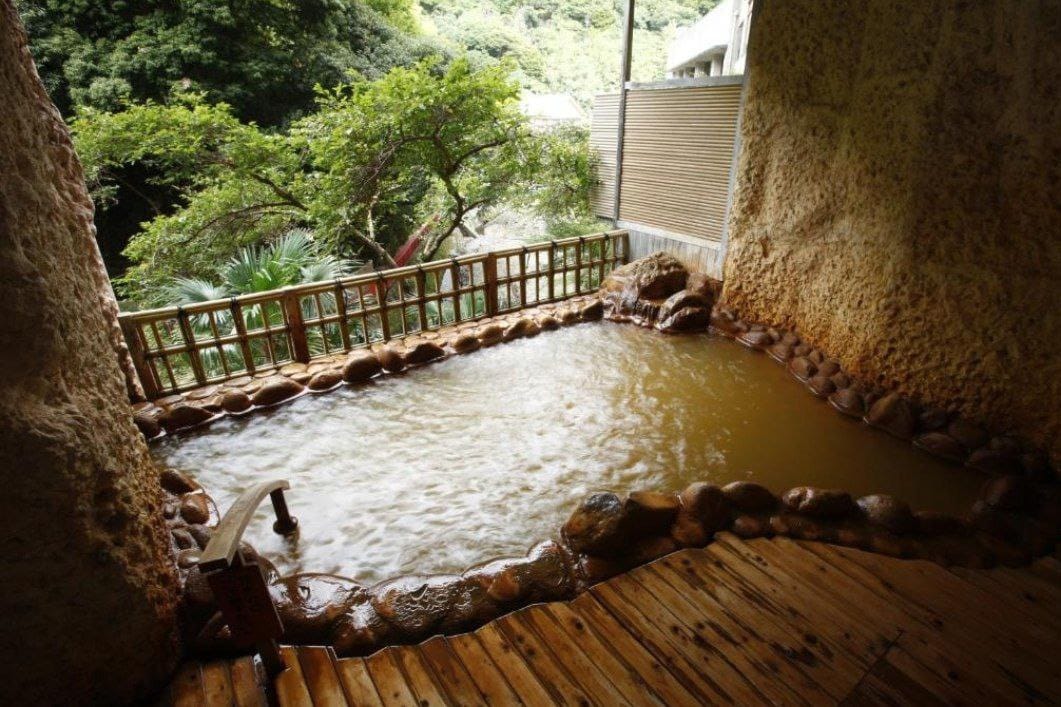
 Lodging
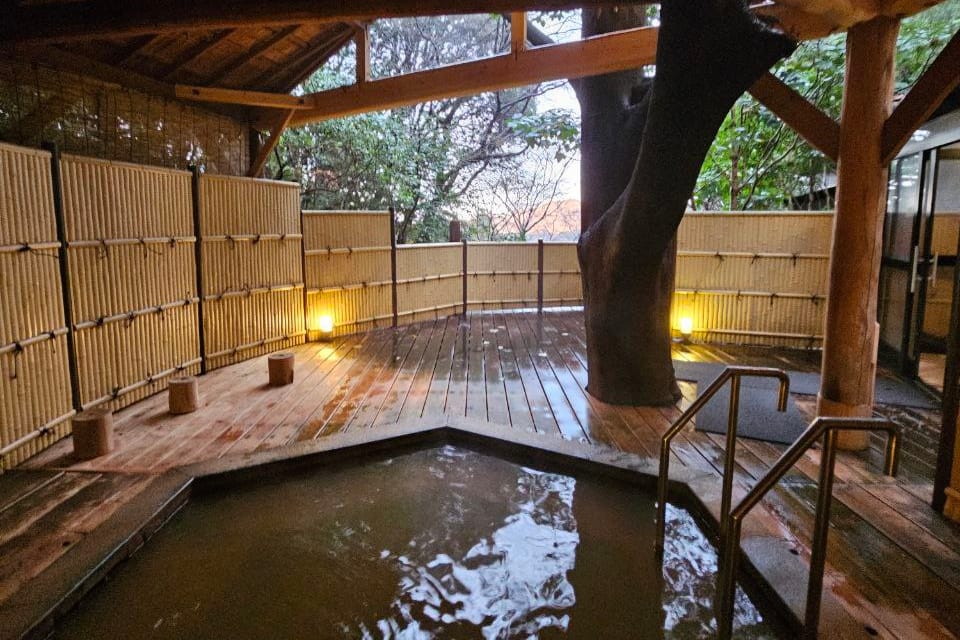
上大坊
Hyogo
On the map
Loading map…
Nearby onsenchi
Within 50 kmNo nearby onsenchi within range.
Sources
- Arima Onsen Tourist Association — official portalofficial— Operated by the local ryokan and merchants. Source for the kinsen / ginsen distinction and the bathhouse network.
- Feel KOBE — Arima history spotsofficial— Kobe City tourism office. Walk-by-walk guide to the historical landmarks tied to Gyoki, Ninsai, and Hideyoshi.
- Kobe City — Arima spring sourcesofficial— Municipal page documenting the seven officially registered spring sources and their chemistry.
- Arima Onsen — Wikipedia— General overview, dating of Emperor Jomei's visit, and the Edo-period ranking as Japan's most prestigious bath.
- Nippon.com — Prehistoric seawater springs just minutes from Kobe— Geological explanation of how Pacific-plate seawater rises through Rokko's active faults to feed the kinsen.