

Nozawa Onsen
野沢温泉Snow-country ski resort village with 13 free public bathhouses (sotoyu) maintained by the residents themselves.
A village that owns its baths
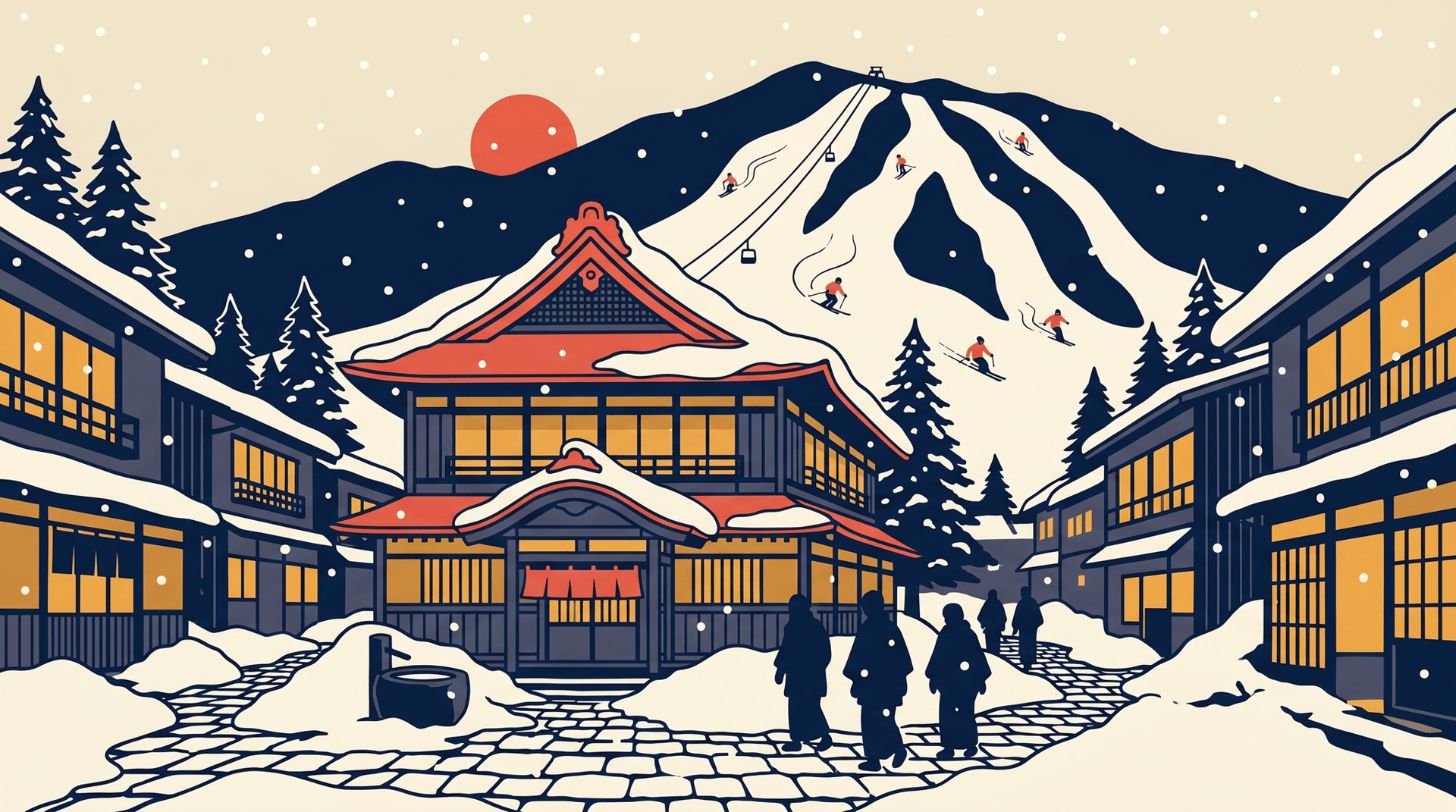
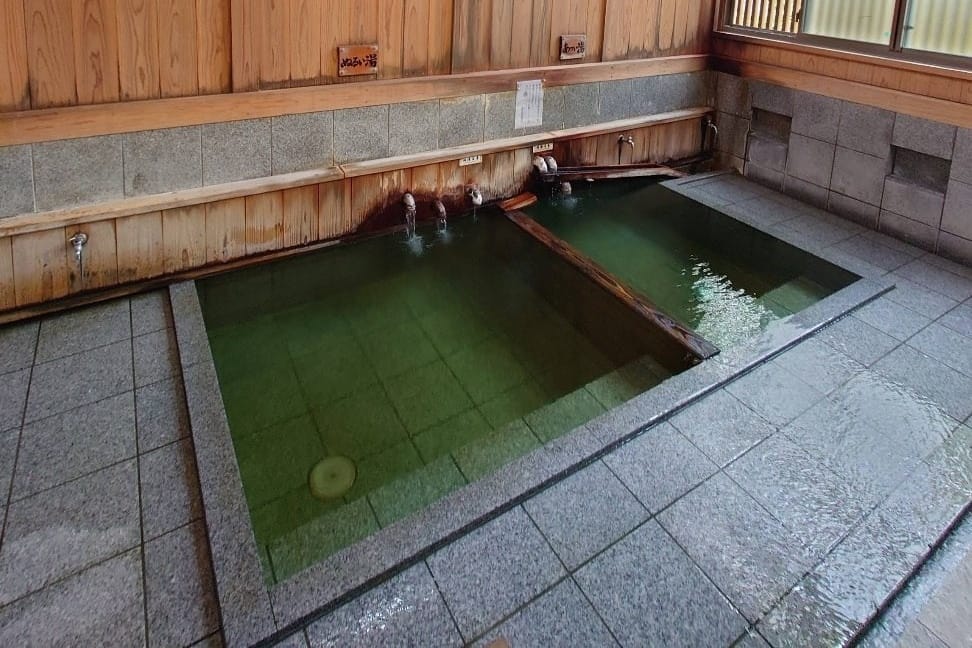
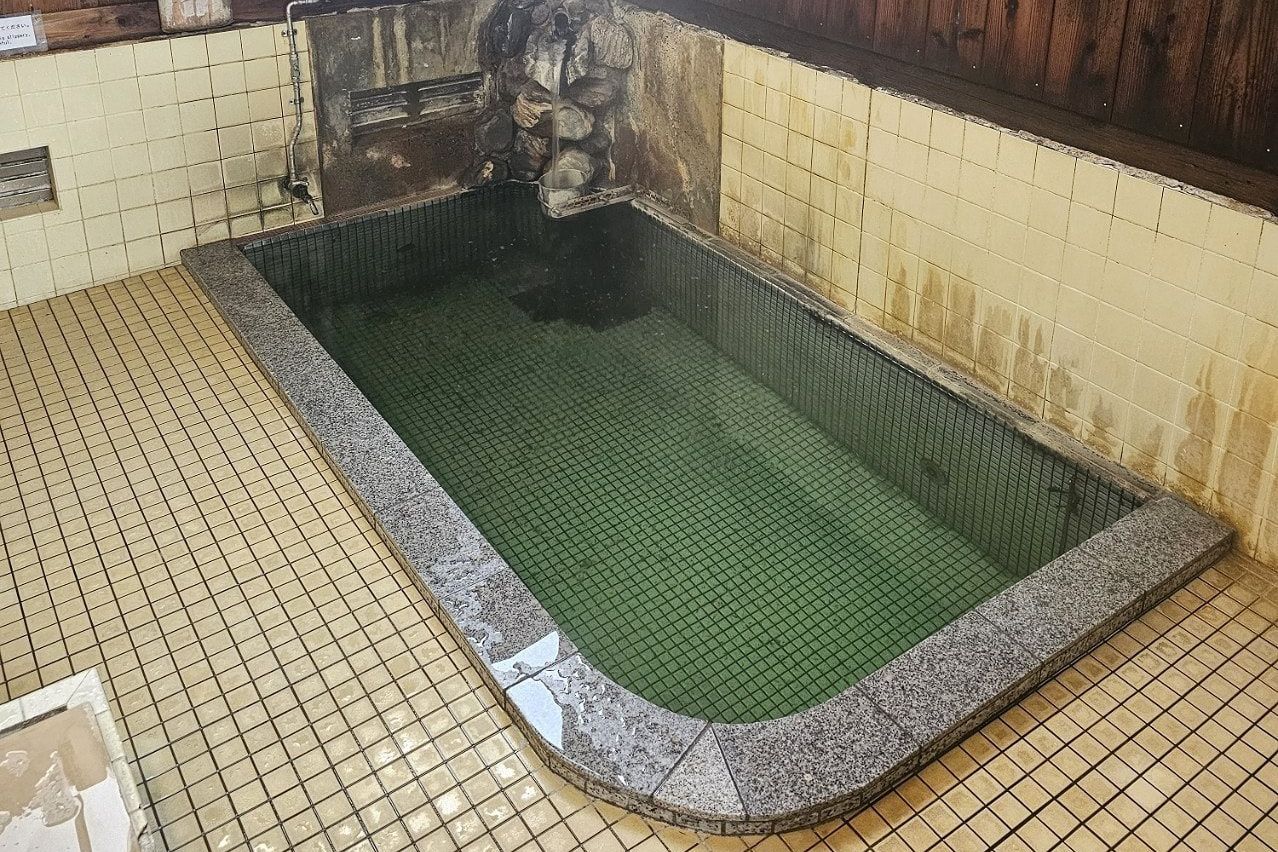
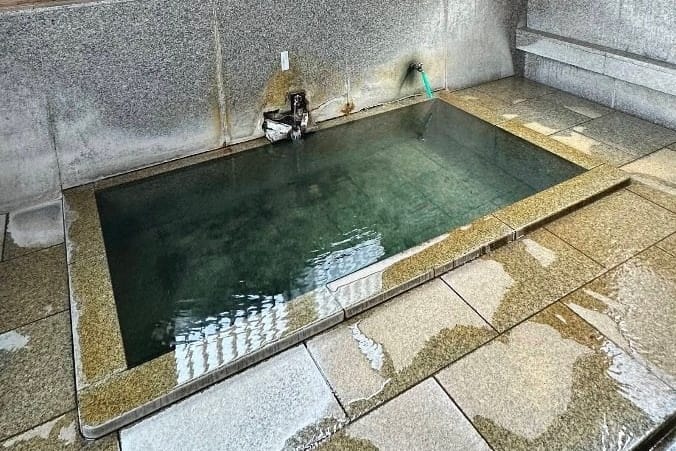
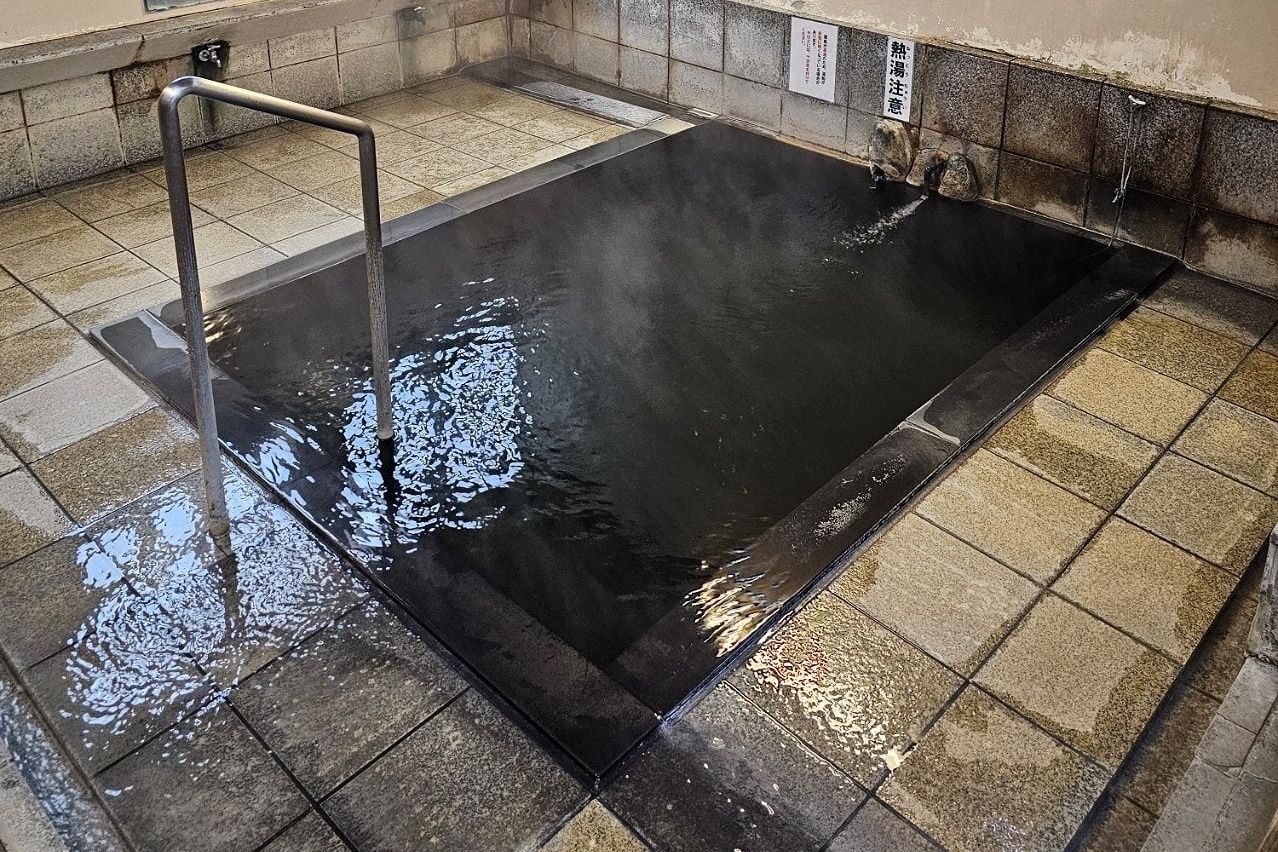
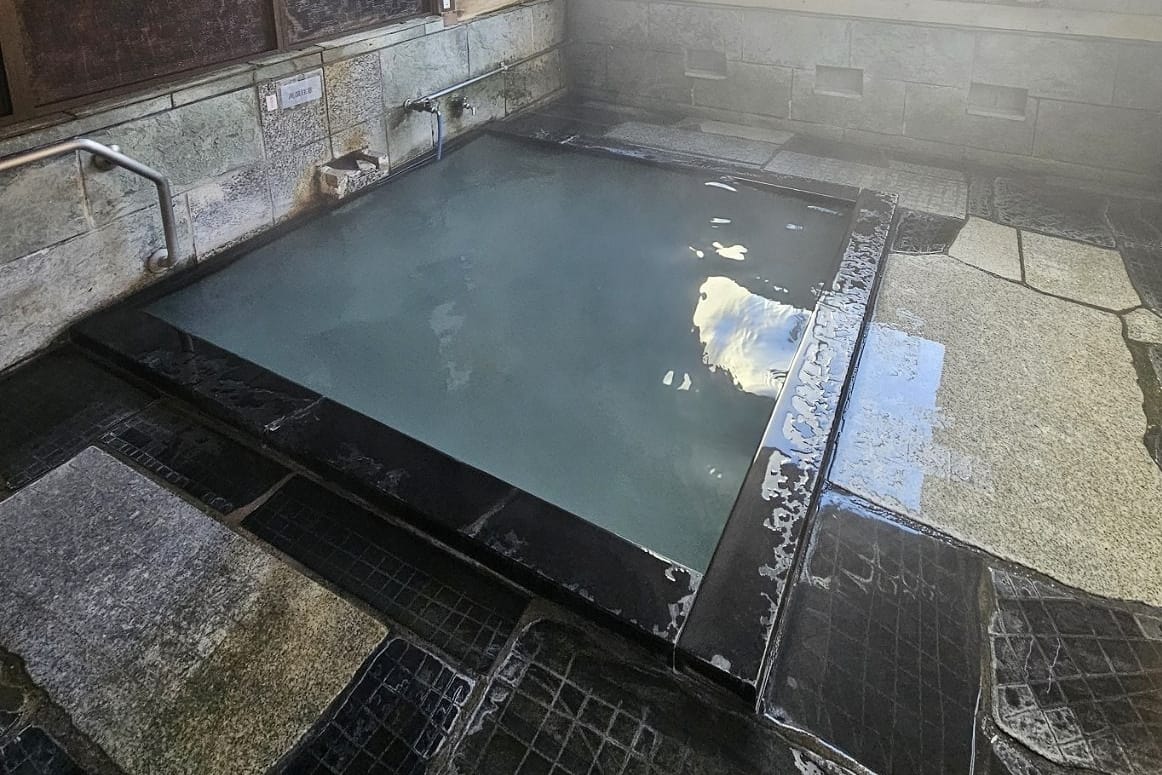
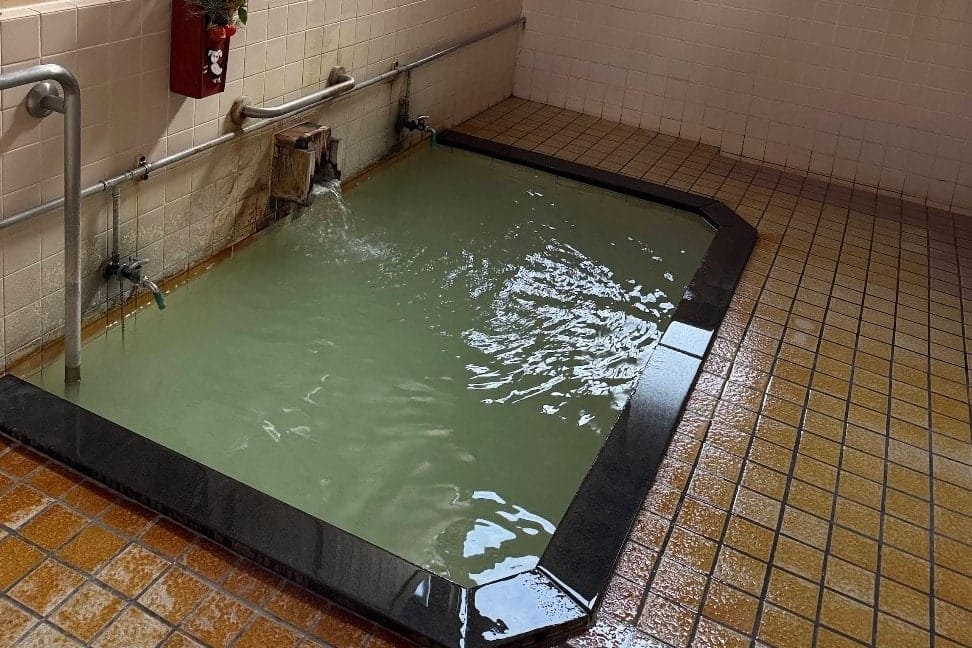
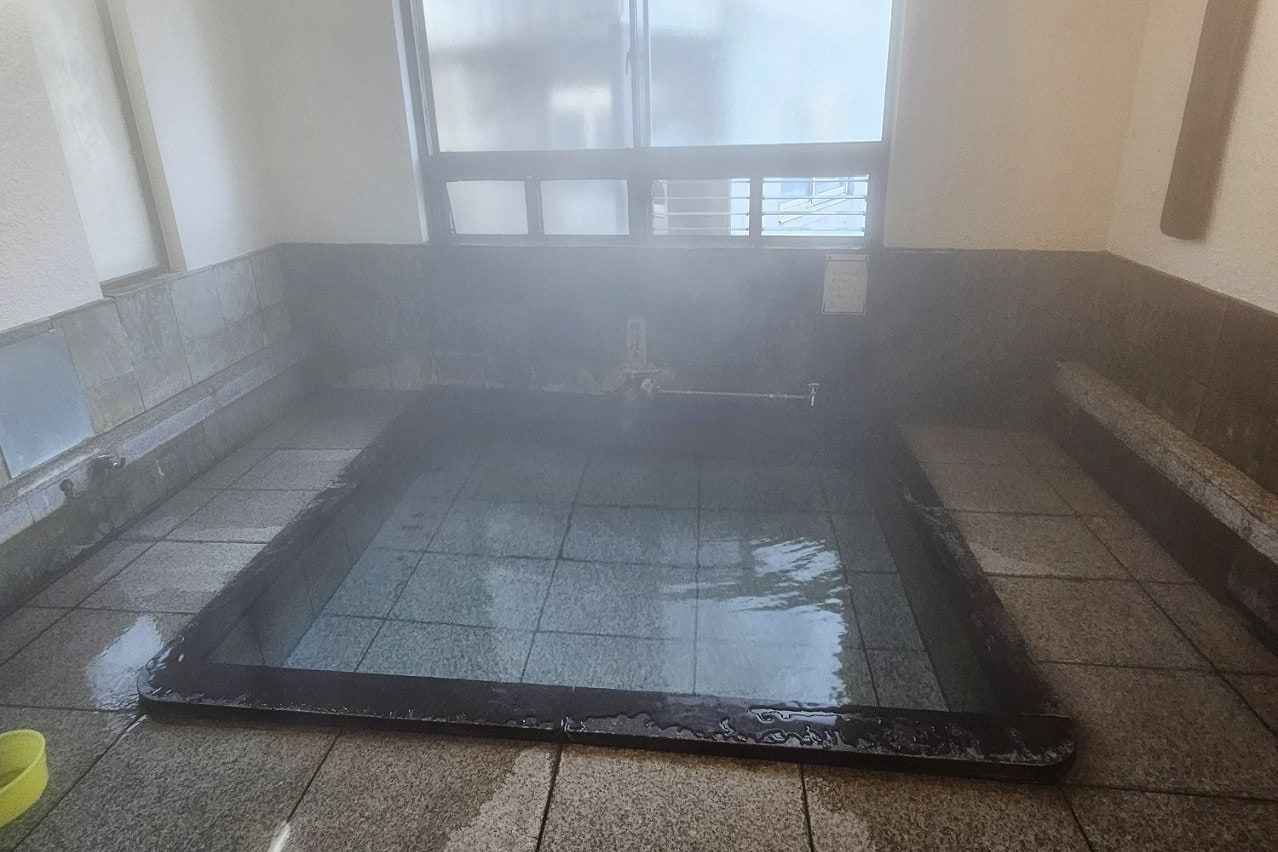
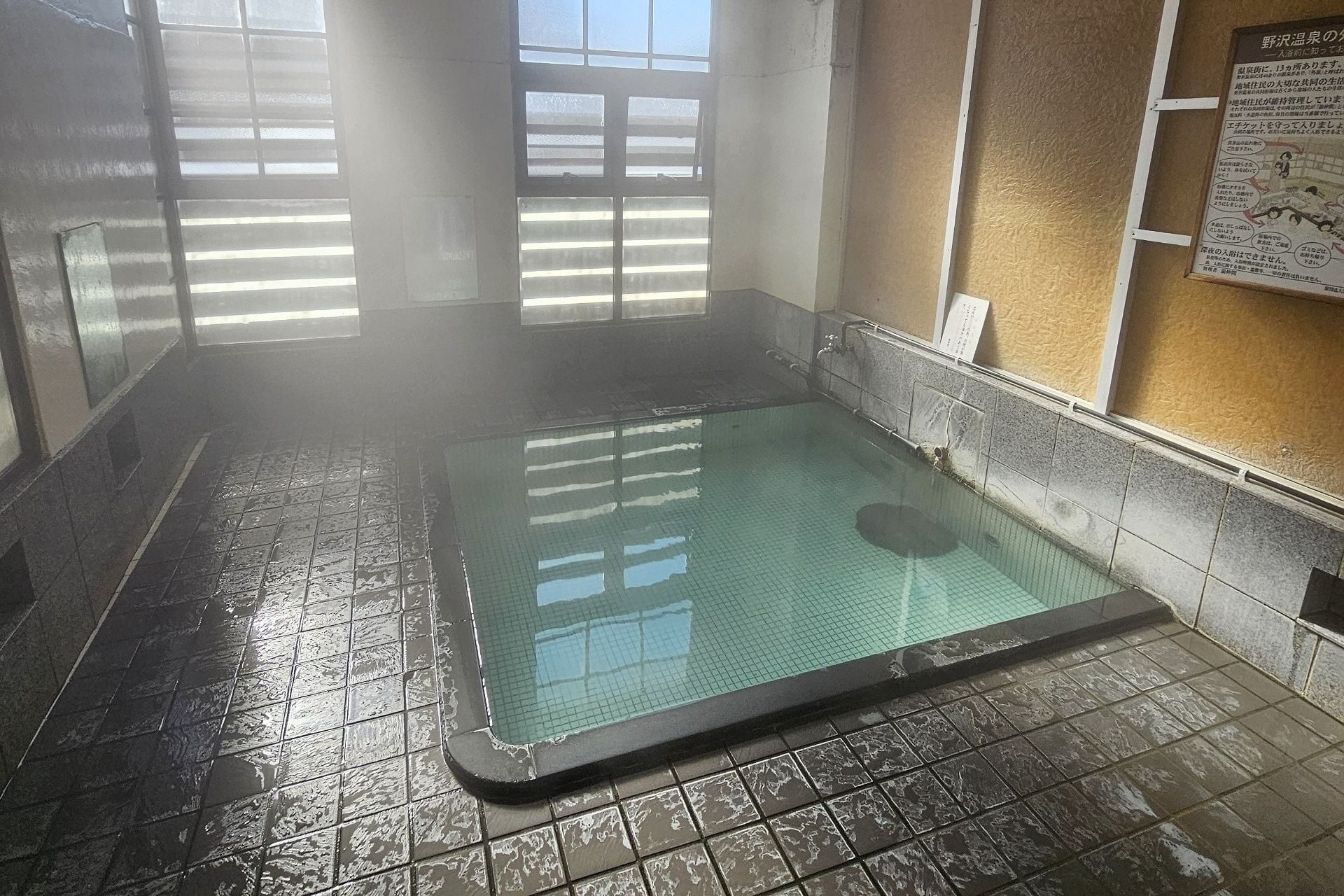
What sets Nozawa apart is not the water itself but who looks after it. The village's thirteen sotoyu (外湯), small wooden bathhouses scattered along the lanes from Oyu at the bottom of the slope up to Asagama-no-yu near the source, are owned and run collectively by the residents. Each bath has its own yu-nakama (湯仲間), a cooperative of neighbouring households that inherited the duty in the Edo period: paying the utility bills, taking turns to scrub the tubs before dawn, replacing the cedar lids when they soften. Entry is free for anyone who walks in, villager or visitor; a small donation box stands by the door.
At the top of the village steams Ogama (麻釜), a 90-odd-degree boiling pool that is the spiritual centre of the spring system. The name remembers when locals dipped hemp stalks here to soften the bark for fibre; today women from the surrounding houses still come down at midday with baskets to blanch nozawana greens, vegetables and eggs in the rising steam. The pool is fenced off from casual visitors precisely because it remains a working kitchen.
A wooden slope under deep snow
Nozawa is built on a steep, narrow slope above the Chikuma valley, all black-pitched roofs and stone-paved alleys narrow enough that two cars cannot pass. From the 1920s a second layer settled on top of the bathing town: the Nozawa Onsen Ski Club formed in 1923, jumps went up at Hikage the following winter, and the resort grew through the postwar decades into one of the venues of the 1998 Nagano Olympics. The lifts climb straight out of the village, so the apres-ski circuit is the same sotoyu the farmers used a century earlier.
The cycle peaks on 15 January at the Dosojin Matsuri, counted among Japan's three great fire festivals. Twenty-five-year-olds defend a tower of beech beams while the village's forty-two-year-olds chant on top; everyone else attacks with burning torches until the structure is set alight, a roughly three-century-old rite to ward off epidemics and bless first-borns of the year.
Places in this area
54 places · Sorted by rating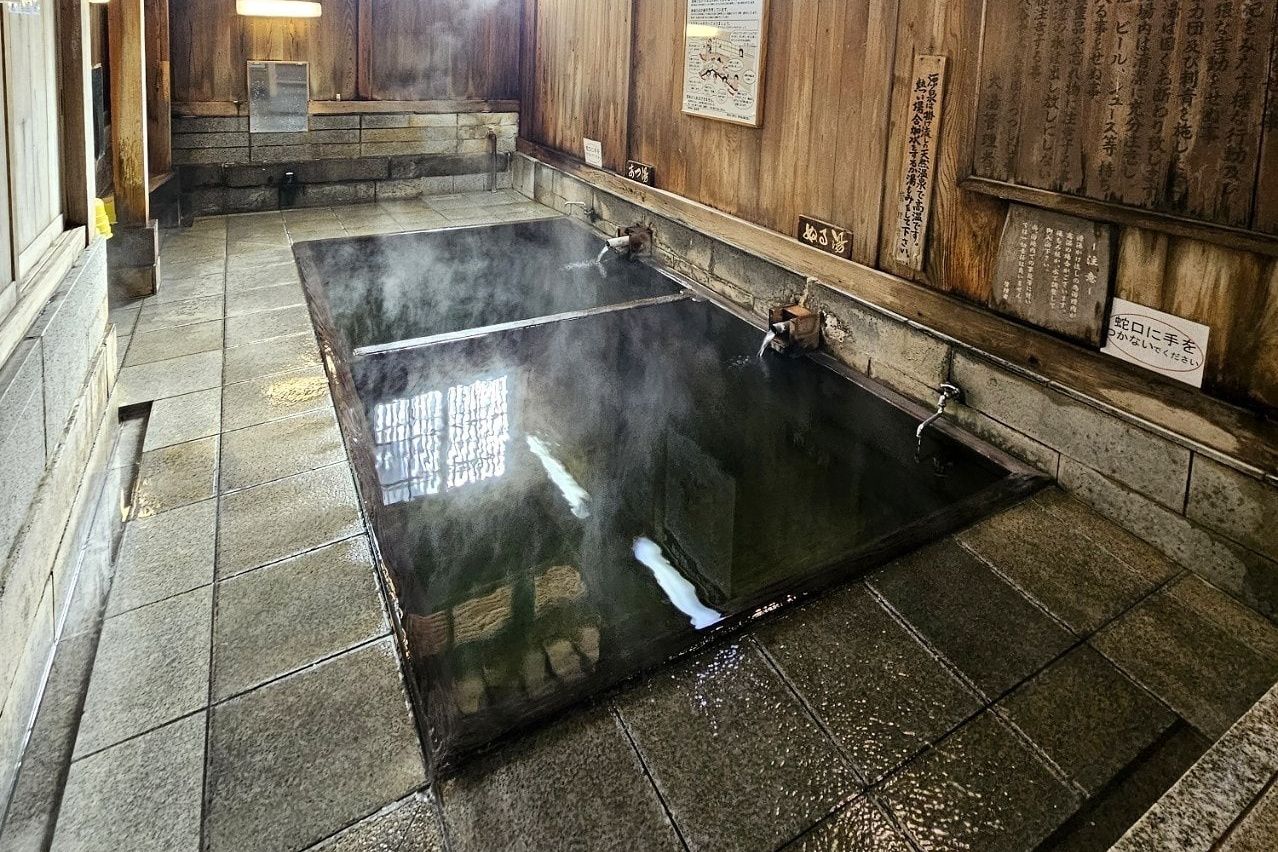
お宿 あけびや
Nagano
エリザベス
Nagano
門脇館
Nagano
Kaiya
Nagano
河廣
Nagano
河達
Nagano
喜楽荘
Nagano
もみの木
Nagano
TOGORO
Nagano
民宿 梅之屋
Nagano
じょんのびな宿よえむ
Nagano
ニューほしば
Nagano
On the map
Loading map…
Nearby onsenchi
Within 50 kmSources
- Nozawa Onsen Tourism Association — bath guideofficial— Official catalogue of the thirteen sotoyu with the village's bathing map and the Ogama source notes.
- Mizu no Bunka — yu-nakama and the Nozawa-gumi— Mizkan Water Culture Center essay on the Edo-period cooperative system that still maintains the baths.
- Nozawa Onsen Portal — location and historyofficial— Village and ski-resort timeline, including the 1920s formation of the ski club.
- Tsunagu Japan — Dosojin Matsuri— Background on the 15 January fire festival, its age-grade structure and its standing among Japan's great fire festivals.
- Wikipedia (JA) — 野沢温泉— Cross-checked for the Ogama etymology, source temperatures, and village chronology.