
Kusatsu Onsen
草津温泉One of the three great onsen of Japan (Sanmeisen). Famously hot, acidic waters; the wooden yubatake in the town center funnels source water into cooling channels.
Eight centuries of medicinal bathing
Kusatsu's discovery is wrapped in legend: the chronicles credit Yamato Takeru, later the Nara-period monk Gyoki, and by the late twelfth century Minamoto no Yoritomo is recorded as having bathed here. By the Edo period the village was a working spa town with a formal ranking system among bathers, and Kusatsu had entered the national imagination as a place people went to be cured.
The town turned medical in the late nineteenth century. The German physician Erwin von Bälz, court doctor to the Meiji emperor, studied the springs in the 1880s and recommended the resort to Western medicine, which helped fix Kusatsu in the lineage of European-style Kurort towns. Around the same time the jikan-yu method (short, supervised bathing sessions in undiluted hot water) was codified at the bathhouses around the source, and the yumomi cooling ritual took the form it still has today.
The Yubatake and the smell of sulfur
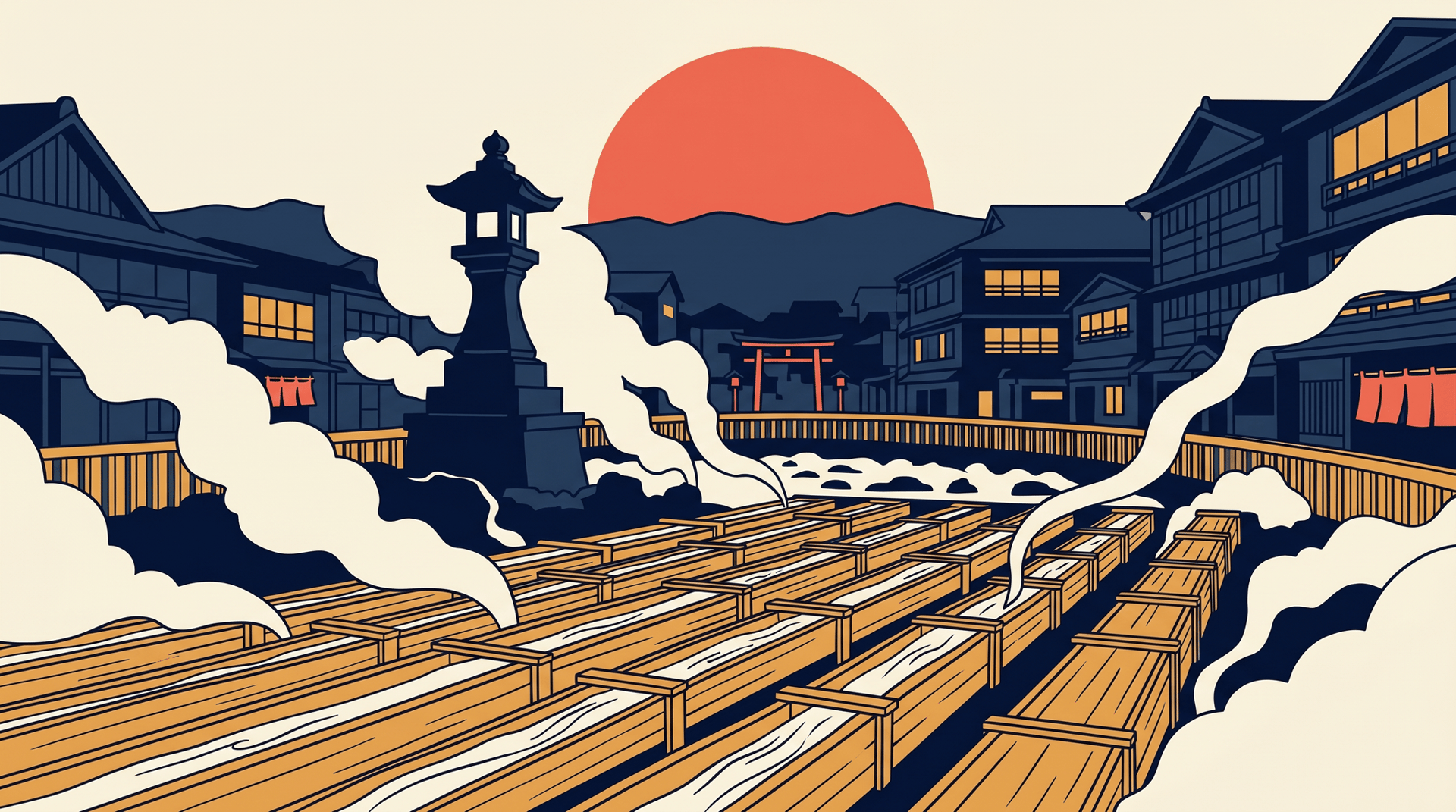
The town is built around the Yubatake (湯畑, "hot water field"), a sunken wooden cascade in the center of the village where roughly 4,000 liters of spring water rise every minute, cool across seven channels, and collect the pale-yellow yu-no-hana mineral flowers harvested since the Edo period. The current layout, including the gourd-shaped stone basin and the surrounding promenade, was redesigned in 1975 by the artist Okamoto Taro. Steam drifts continuously through the streets; the smell of sulfur is the first thing visitors notice and the last thing that leaves their clothes.
Because the source water reaches the village at 50–90°C, it has to be cooled before anyone can enter it, and adding cold water would dilute the minerals. The solution is yumomi, performed daily at Netsu-no-yu beside the Yubatake: rows of women in indigo happi coats stir the bath with 1.8-meter cedar paddles, singing the Kusatsu-bushi folk song to keep time. It is half cooling method, half folk theatre.
Beyond the central baths
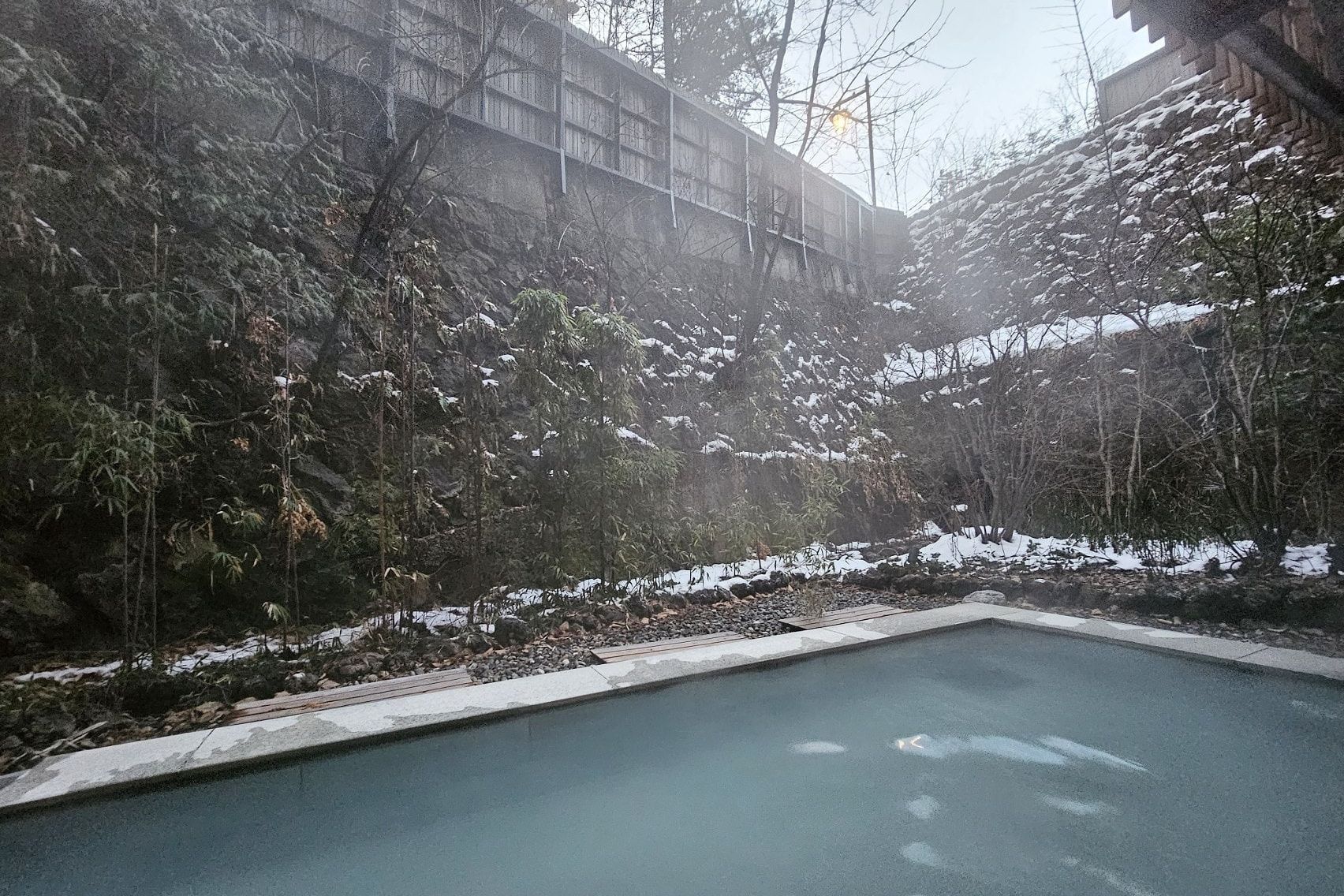
A ten-minute walk downhill leads to Sainokawara Park, where hot water flows openly through a forested ravine and feeds one of Japan's largest outdoor baths. The town also keeps a small network of free neighborhood bathhouses (kyodo-yu) reserved primarily for residents but with three open to visitors, each fed by its own named source. Winters here are cold and snow-locked; Kusatsu doubles as a ski resort from December through March, which makes the contrast between the snow and the steam its own argument for visiting off-season.
Programs in this area
1 programPlaces in this area
48 places · Sorted by rating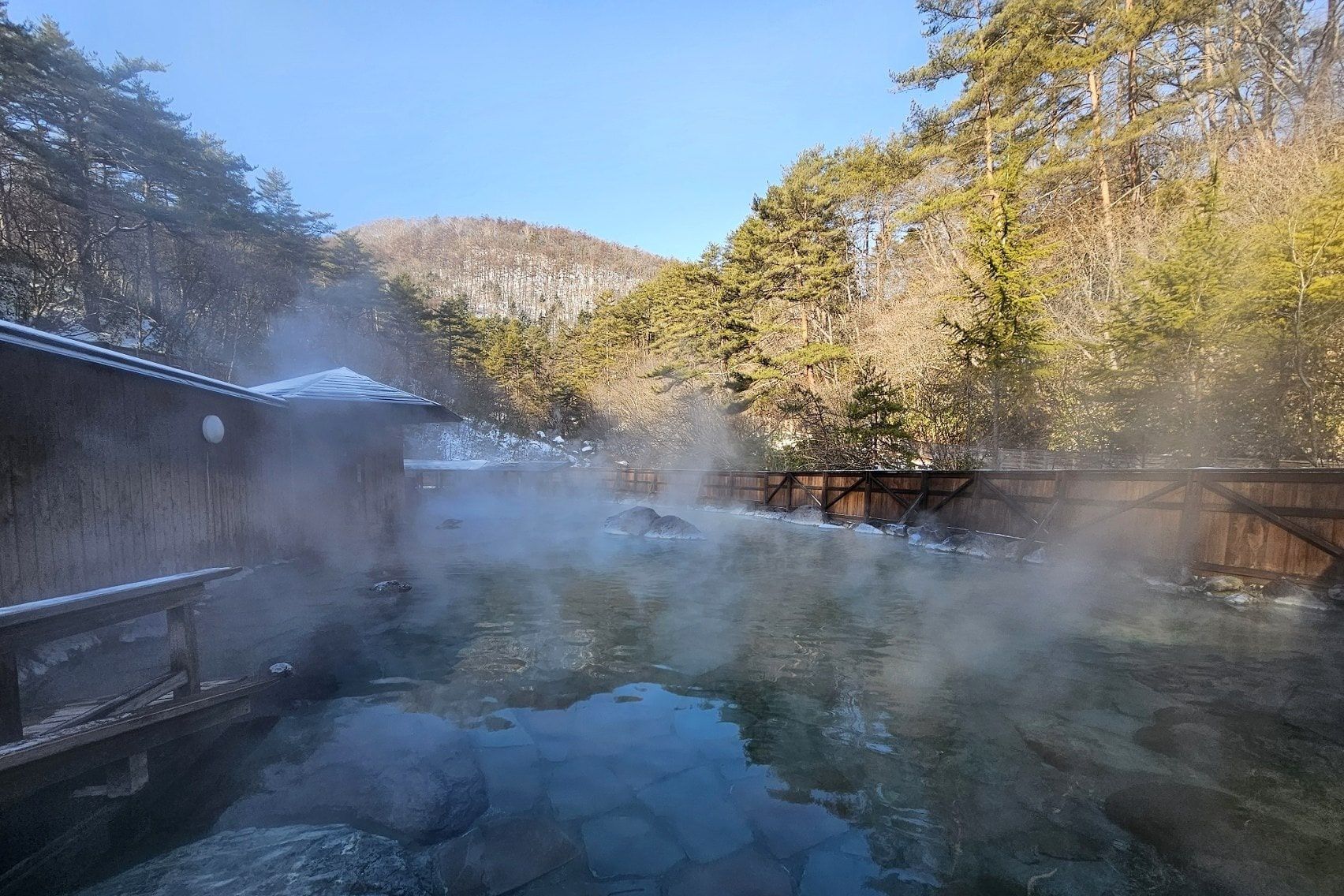
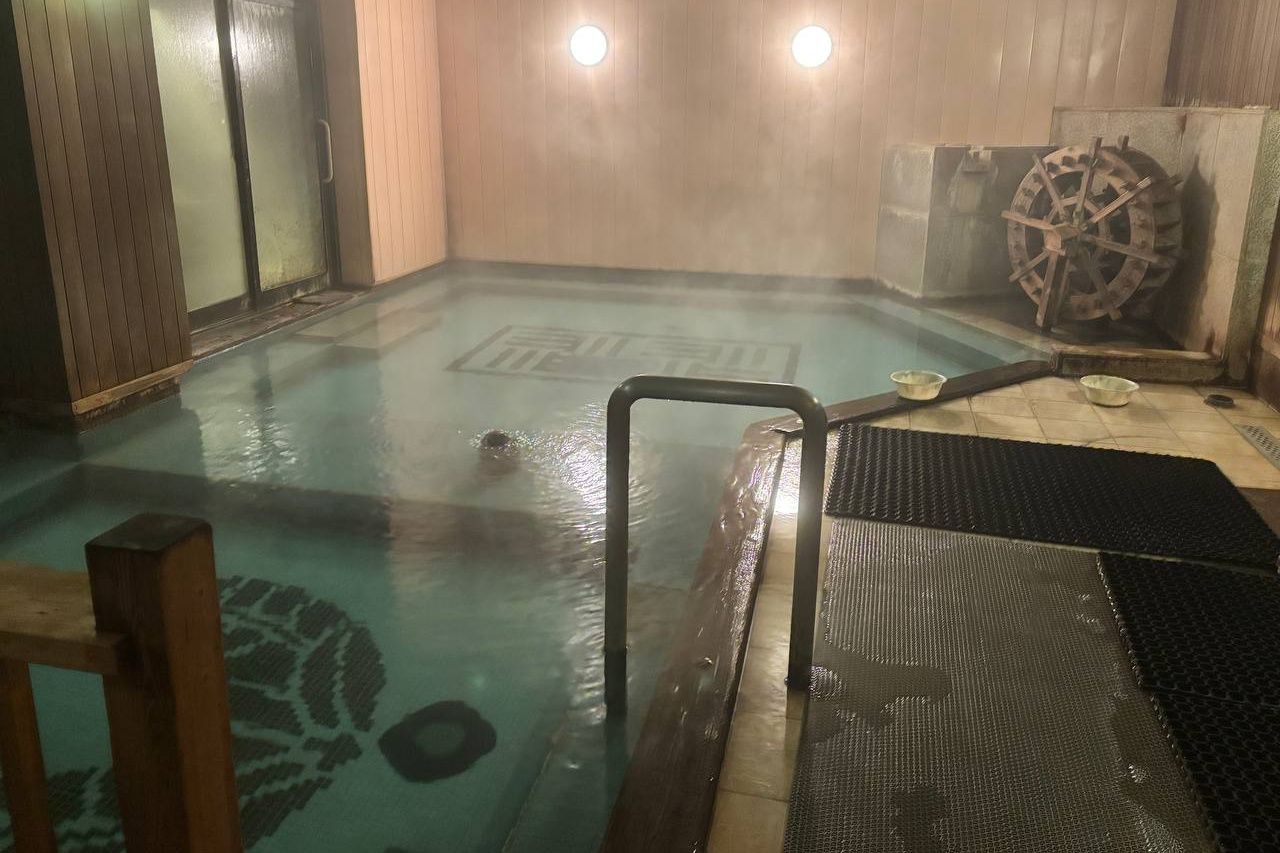
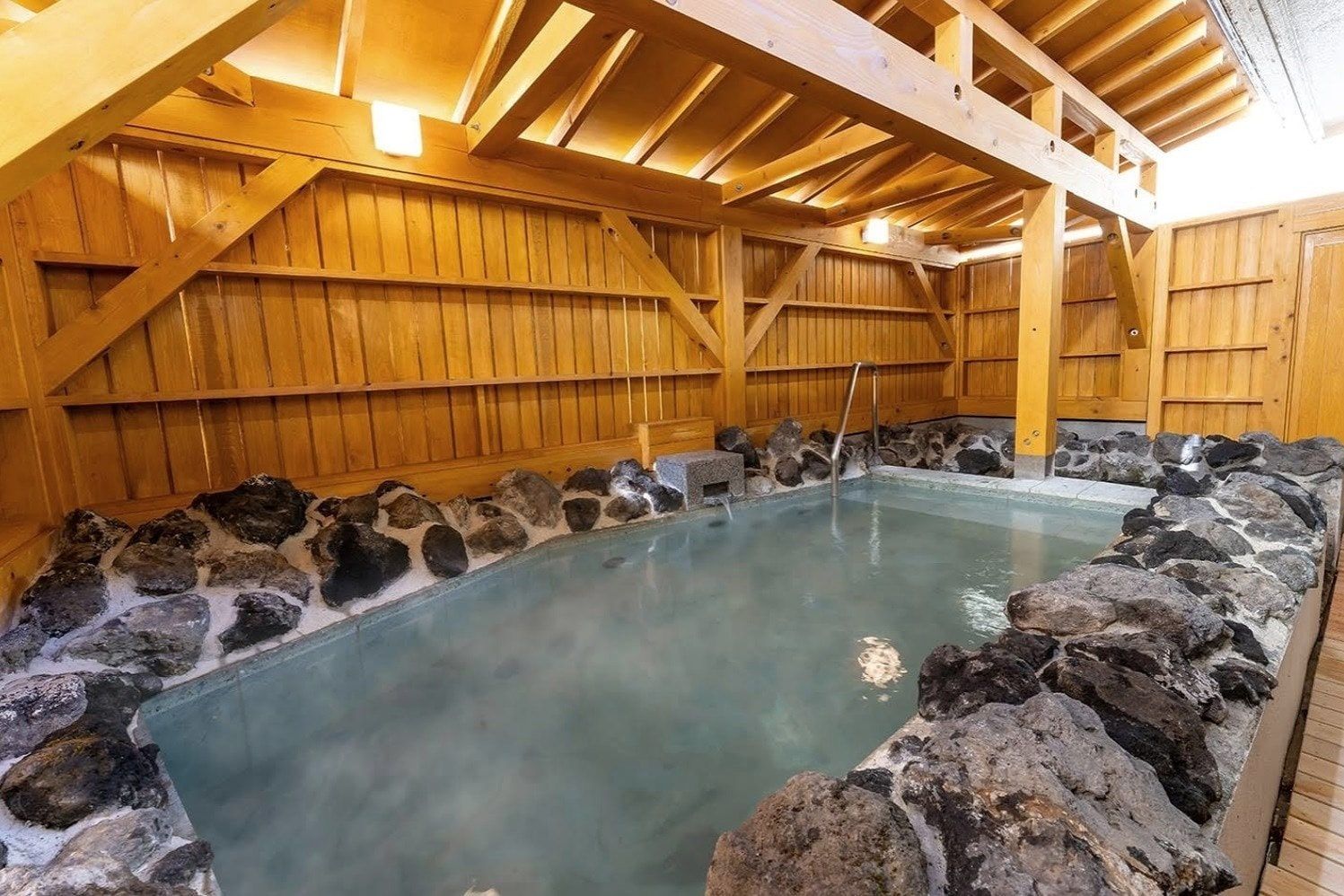
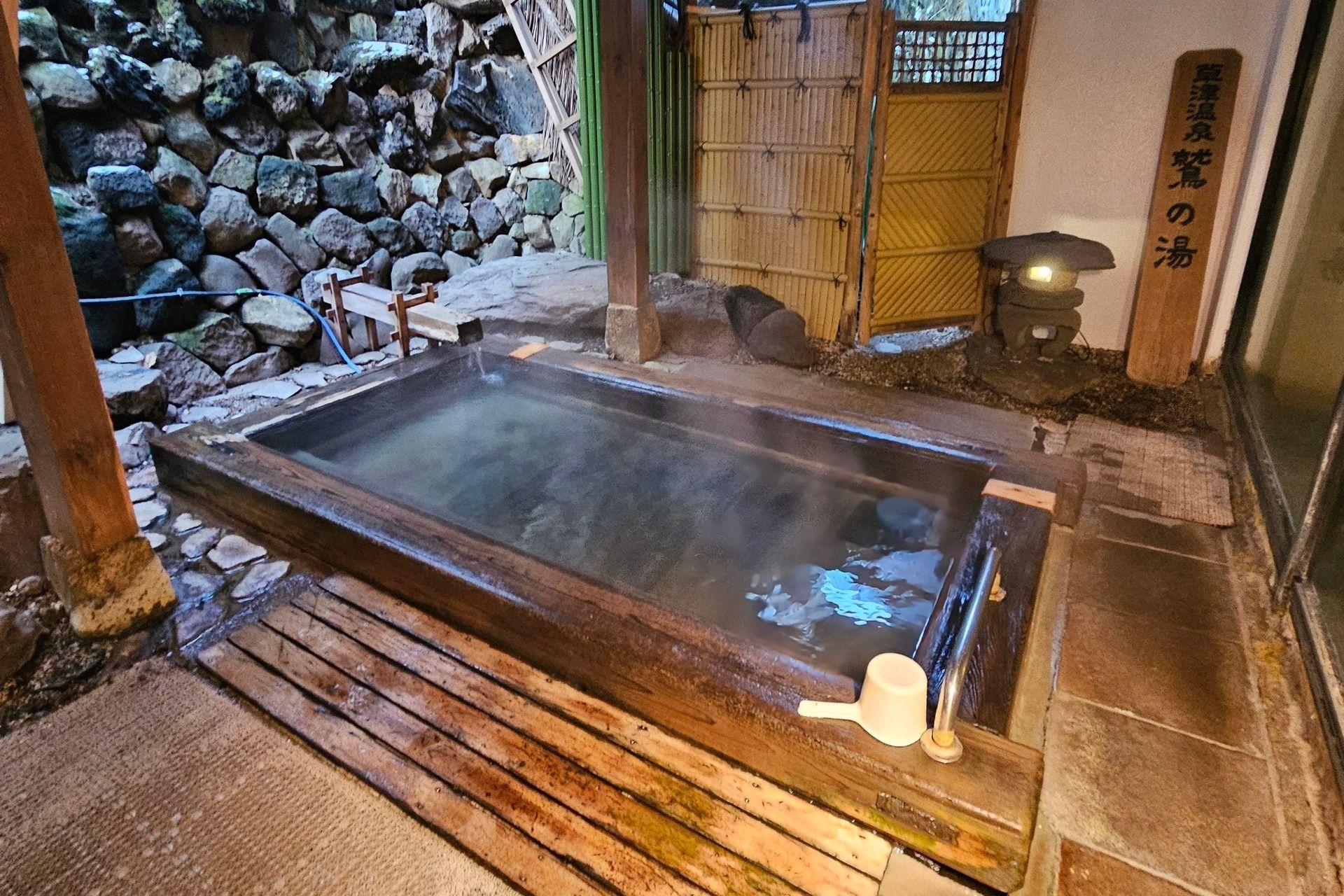
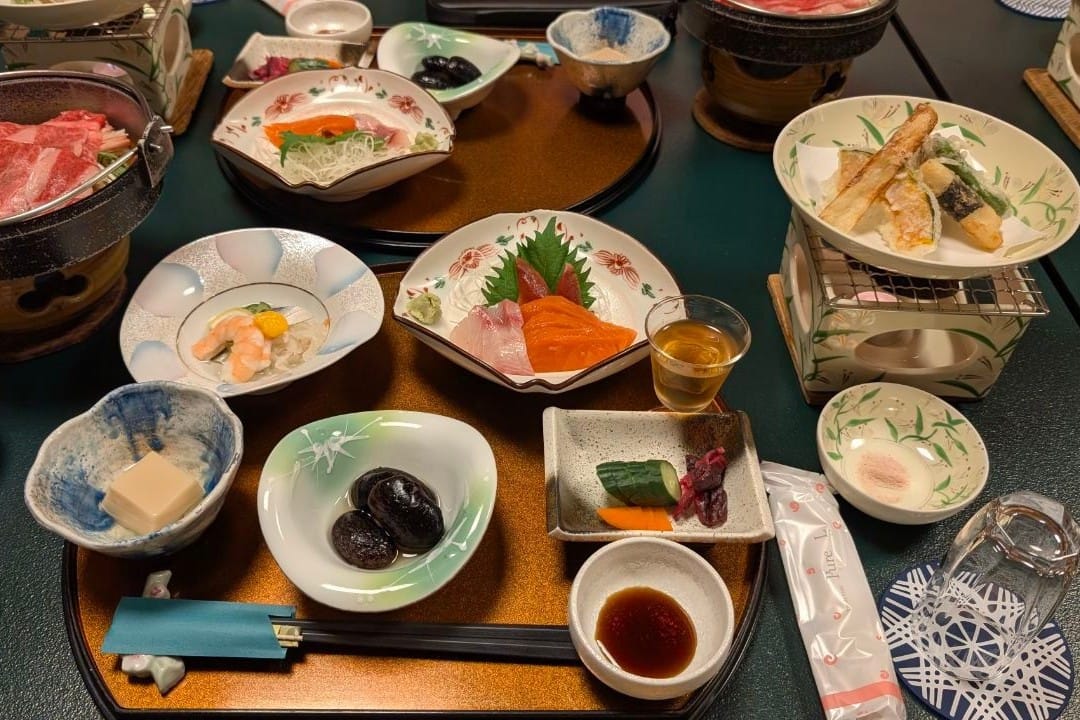
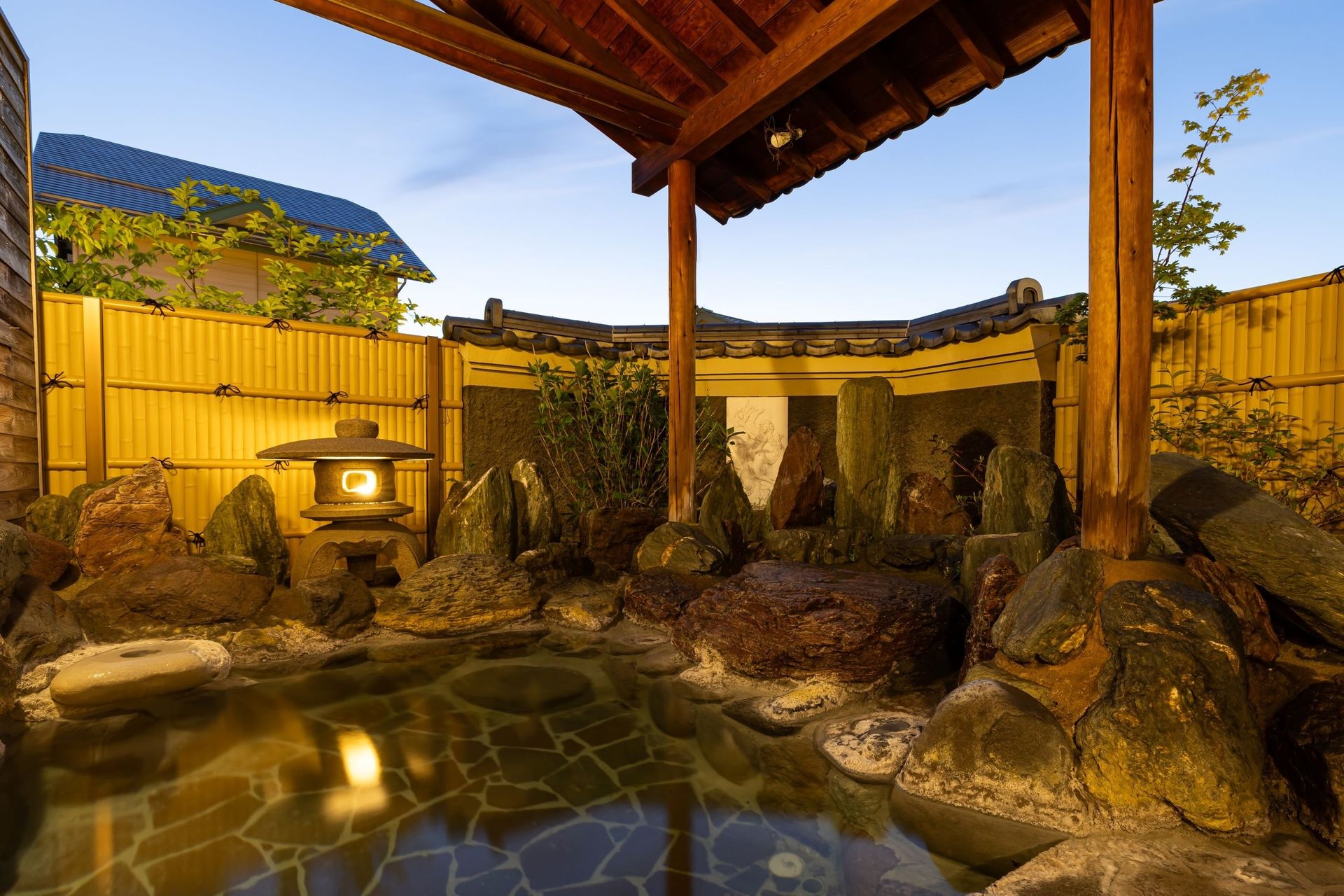
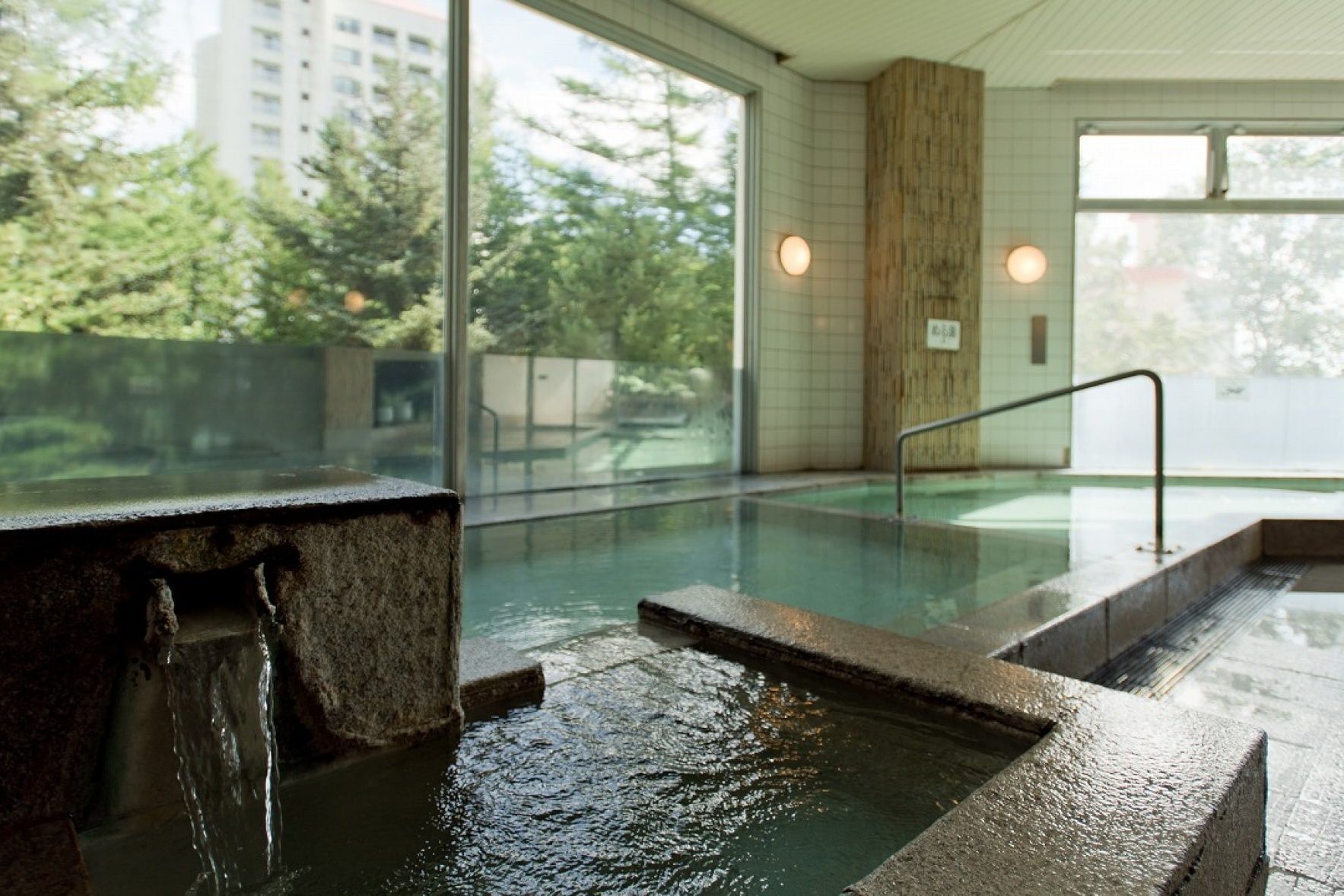
草明庵
Gunma
On the map
Loading map…
Nearby onsenchi
Within 50 kmSources
- Kusatsu Onsen Tourism Associationofficial— Town tourism office. Reference for the Yubatake, Netsu-no-yu, and the cluster of public baths around the source.
- Netsu-no-yu, history of yumomiofficial— Source for the Meiji-era formation of jikan-yu bathing and the yumomi cooling ritual.
- Onsen-shugi, Kusatsu history and figuresofficial— Backs the legendary discovery accounts (Yamato Takeru, Gyoki, Minamoto no Yoritomo) and the Edo-period bathing tradition.
- Visit Gunma, Kusatsu onsen experiencesofficial— Prefectural tourism context for the public baths and Sainokawara.
- JNTO, Kusatsu Onsenofficial— Japan National Tourism Organization page used to cross-check water output figures and town overview.