


Yudanaka-Shibu Onsen-kyo
湯田中渋温泉郷Nine-area onsen group along the Yokoyu River. Shibu's nine outer baths, Edo-period townscape, and proximity to the snow monkeys of Jigokudani are the draws.
A pilgrim road along the upper Yokoyu
Yudanaka-Shibu Onsen-kyo is the umbrella name for nine onsen settlements strung along the upper Yokoyu river and its tributaries the Kakuma and Yomase, at the foot of the Shiga Kogen plateau in northern Nagano. The group includes Yudanaka, Shin-Yudanaka, Hoshikawa, Anyo, Honami, Shibu, Kakuma, Kanbayashi, and Jigokudani, each with its own sources and character.
Local chronicles place the earliest documented use of the Yudanaka springs around the seventh century, attributed to a wandering monk. Shibu's wooden ryokan street took its present shape during the Edo period, when the town sat on a working route between Zenko-ji in Nagano and the spa villages of Kusatsu beyond Mt. Shiga. During the Sengoku wars the springs are said to have served as a recuperation ground for the soldiers of Takeda Shingen. By the late Edo period the haiku poet Kobayashi Issa (1763–1828) was a regular guest, and the printmaker Katsushika Hokusai is recorded among visiting names; the town has kept that literary memory alive in its inns and stone markers.
Nine sotoyu, one key
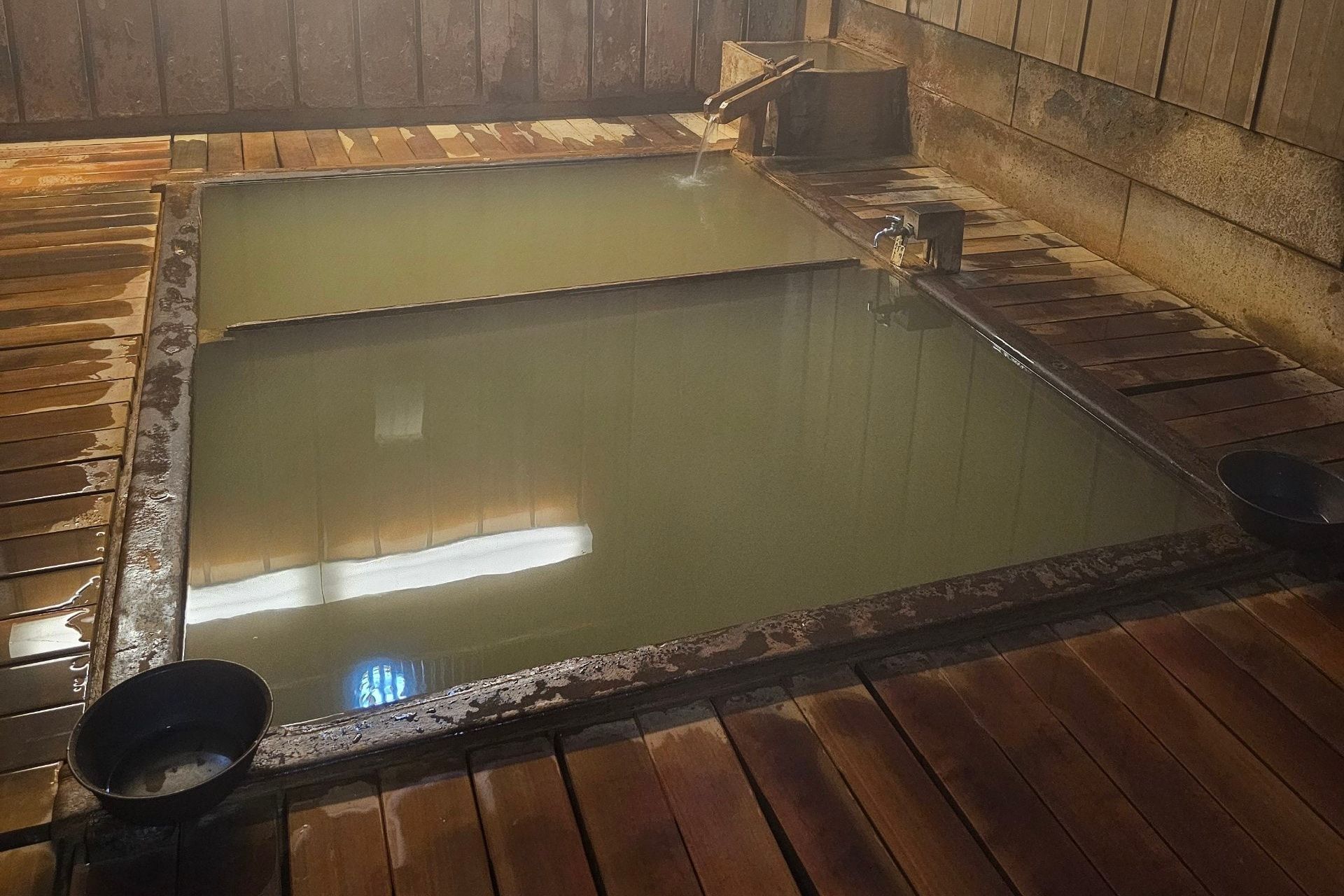
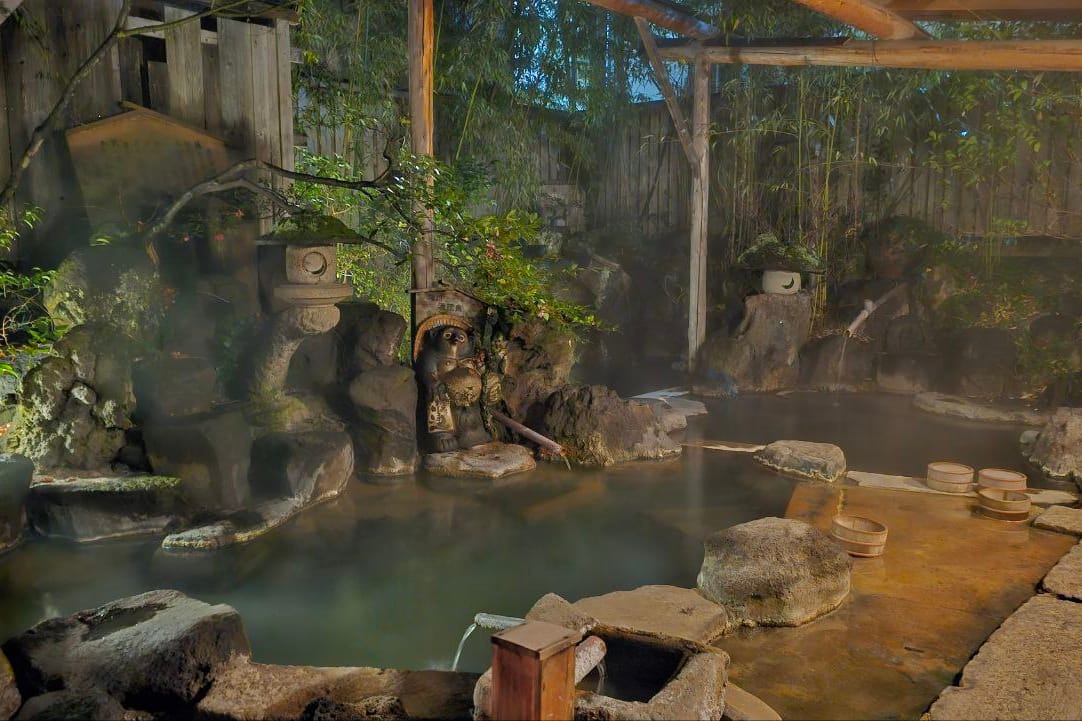
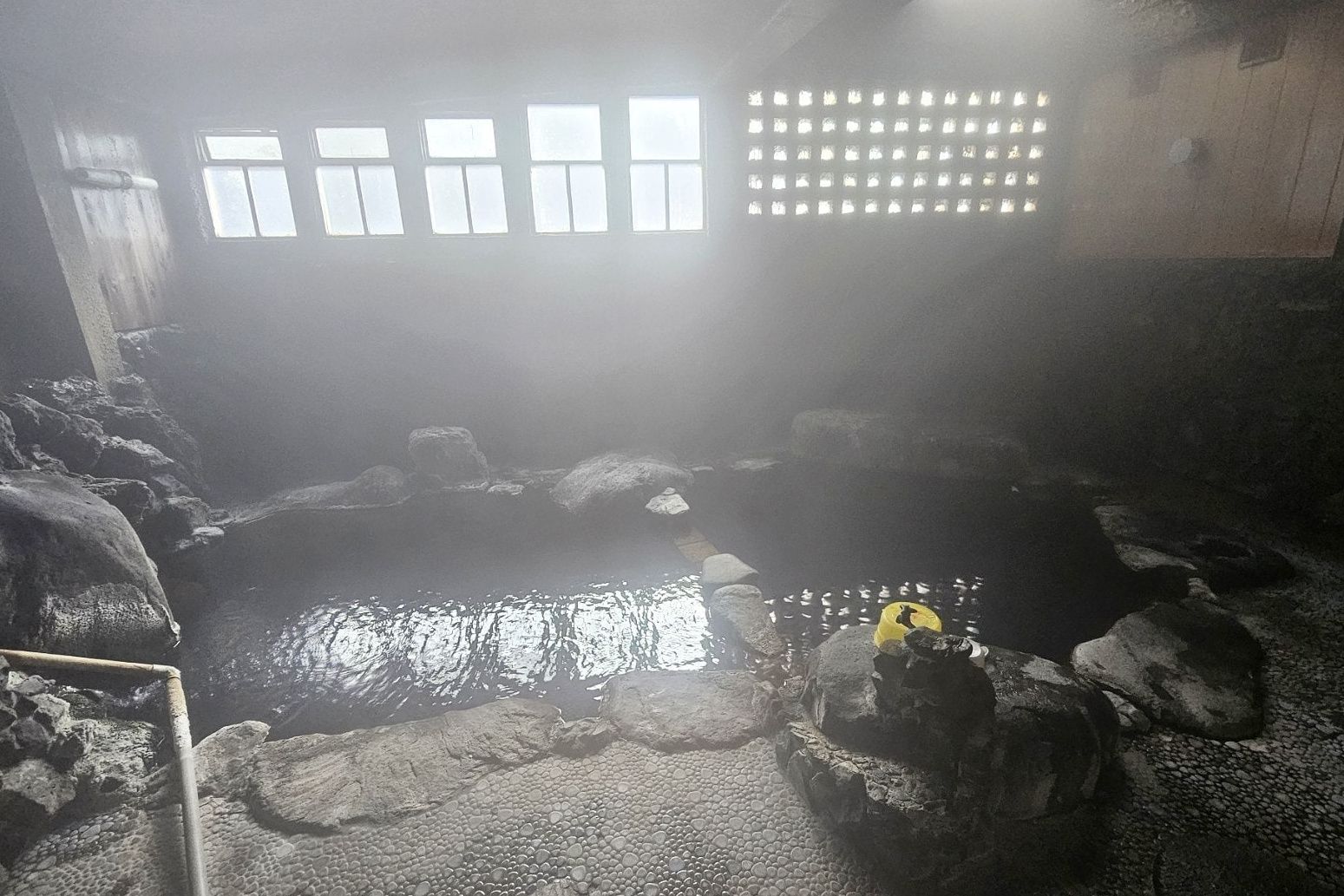
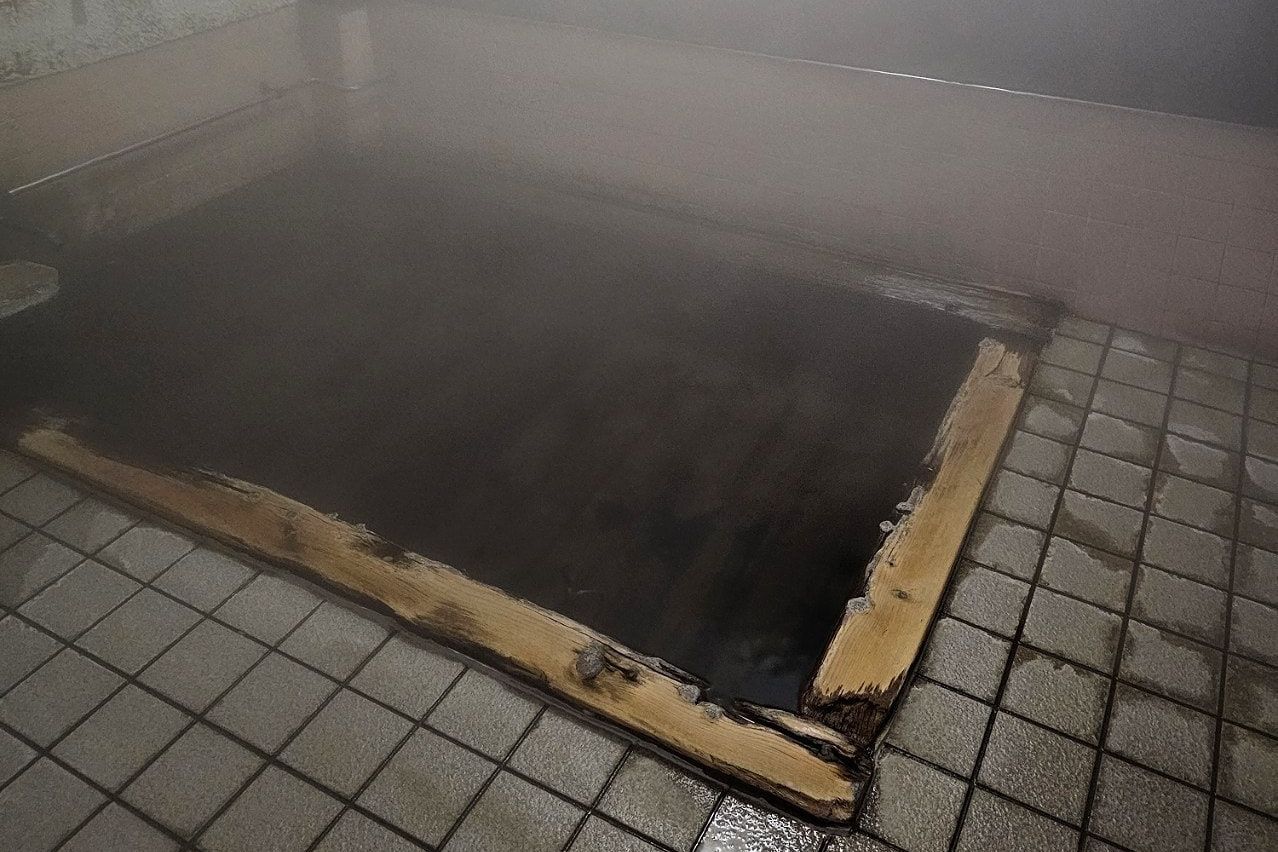
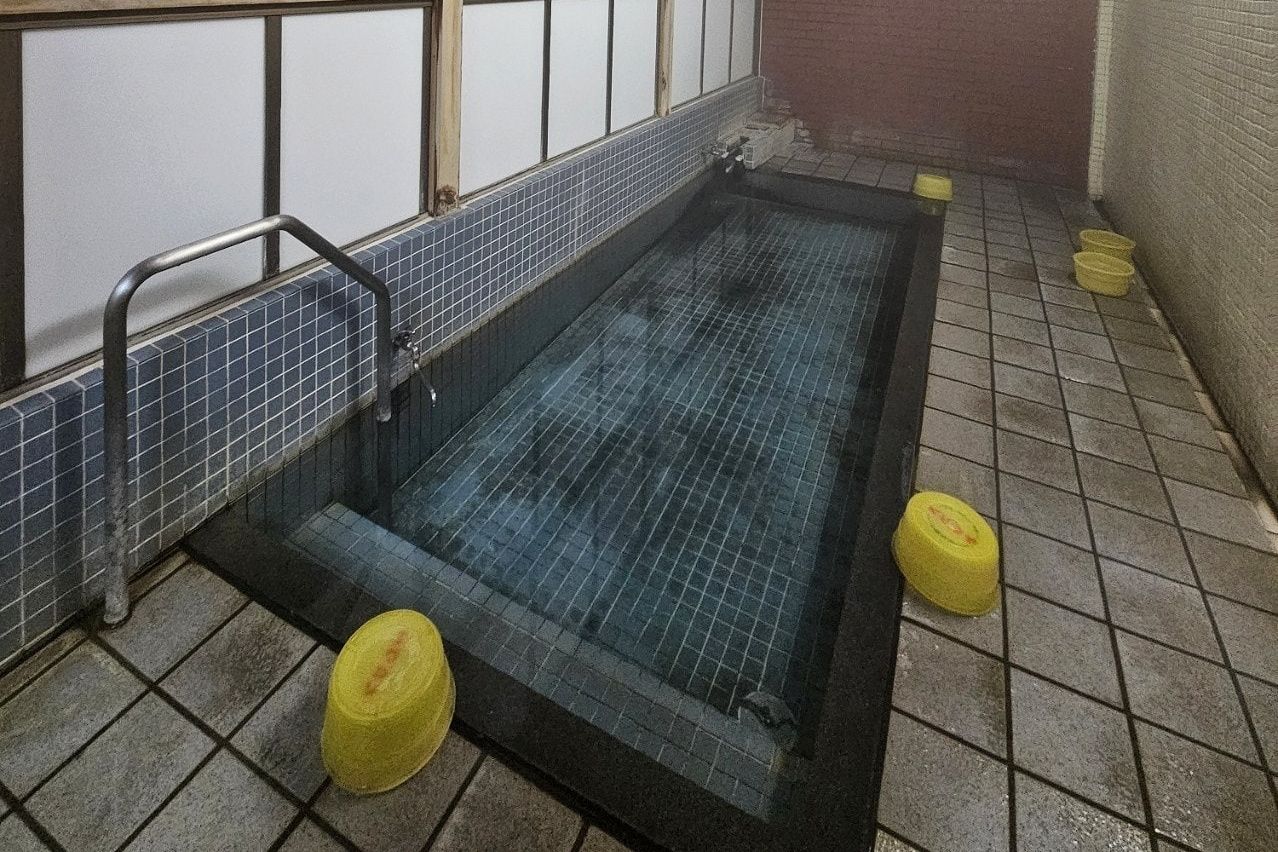
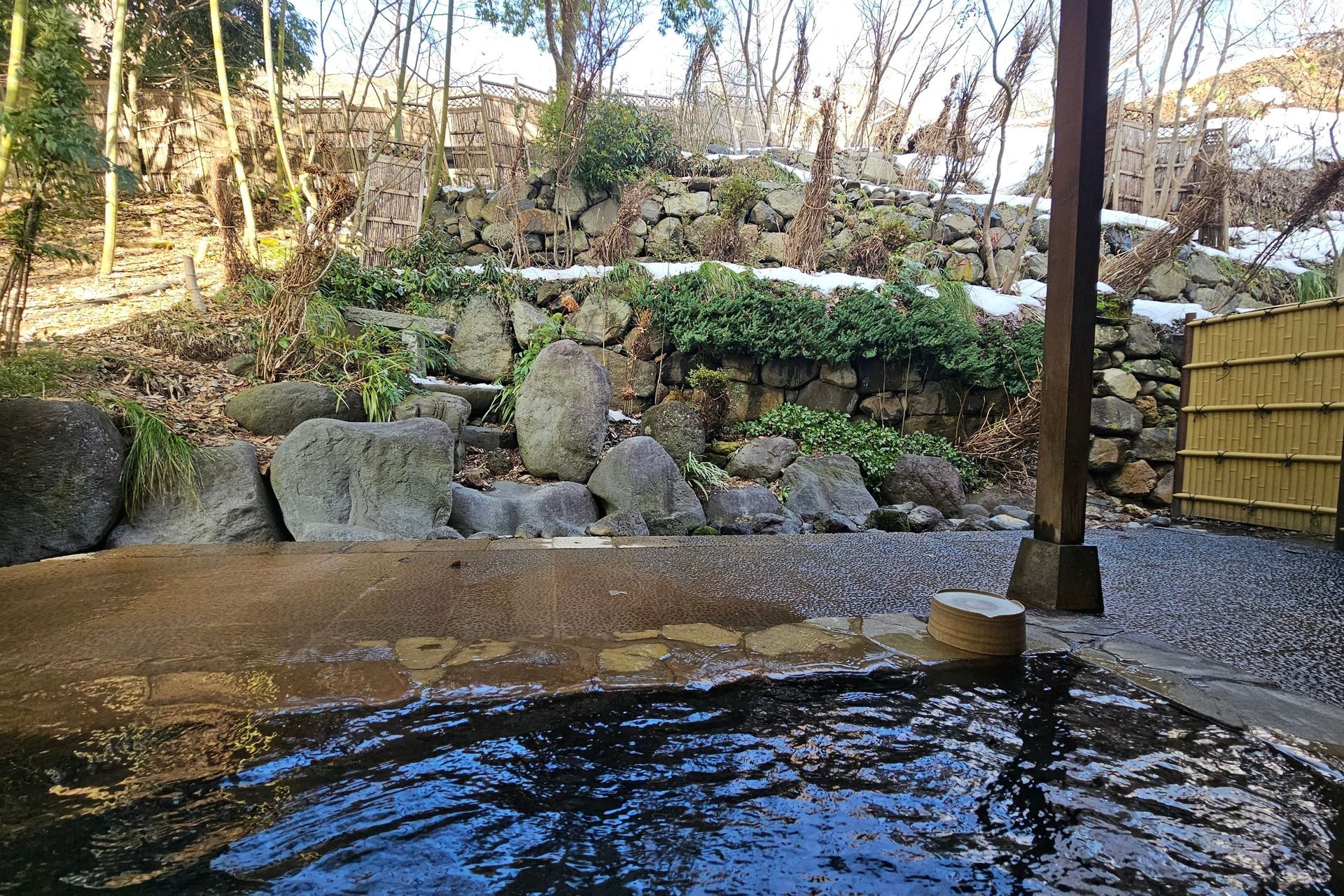
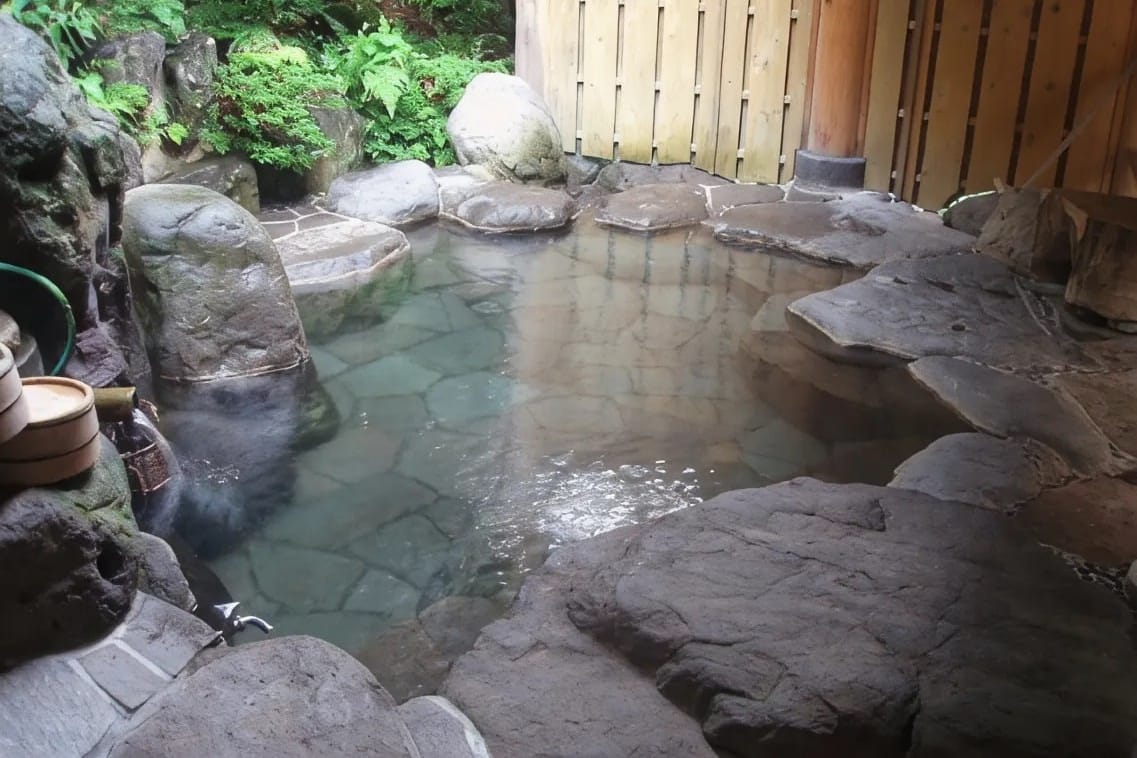
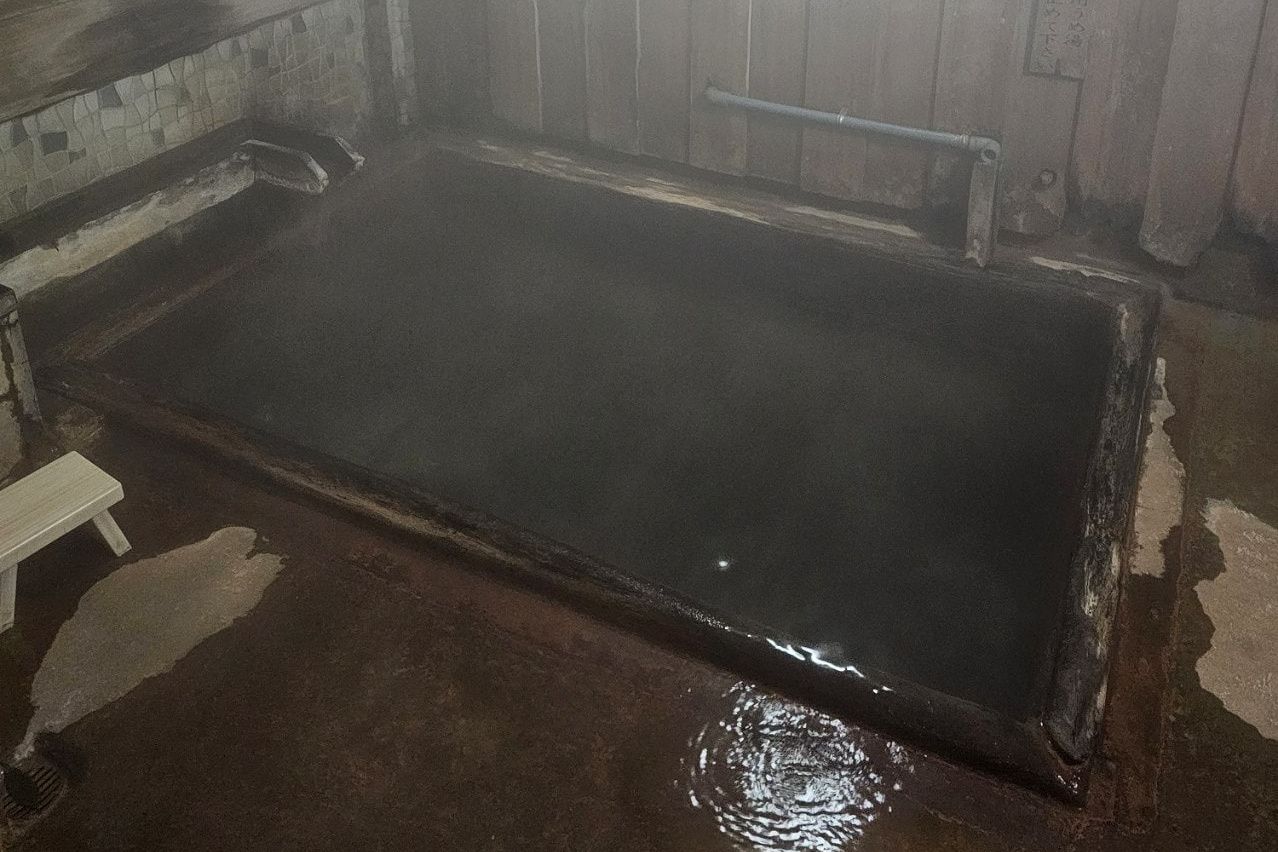
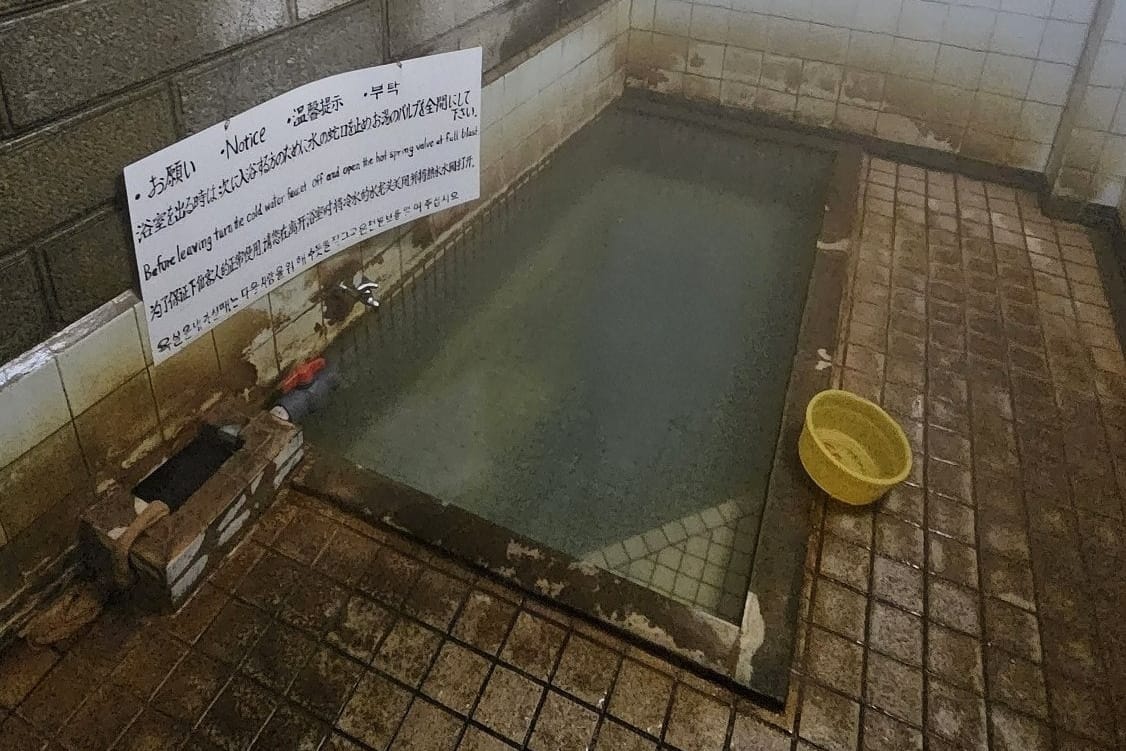
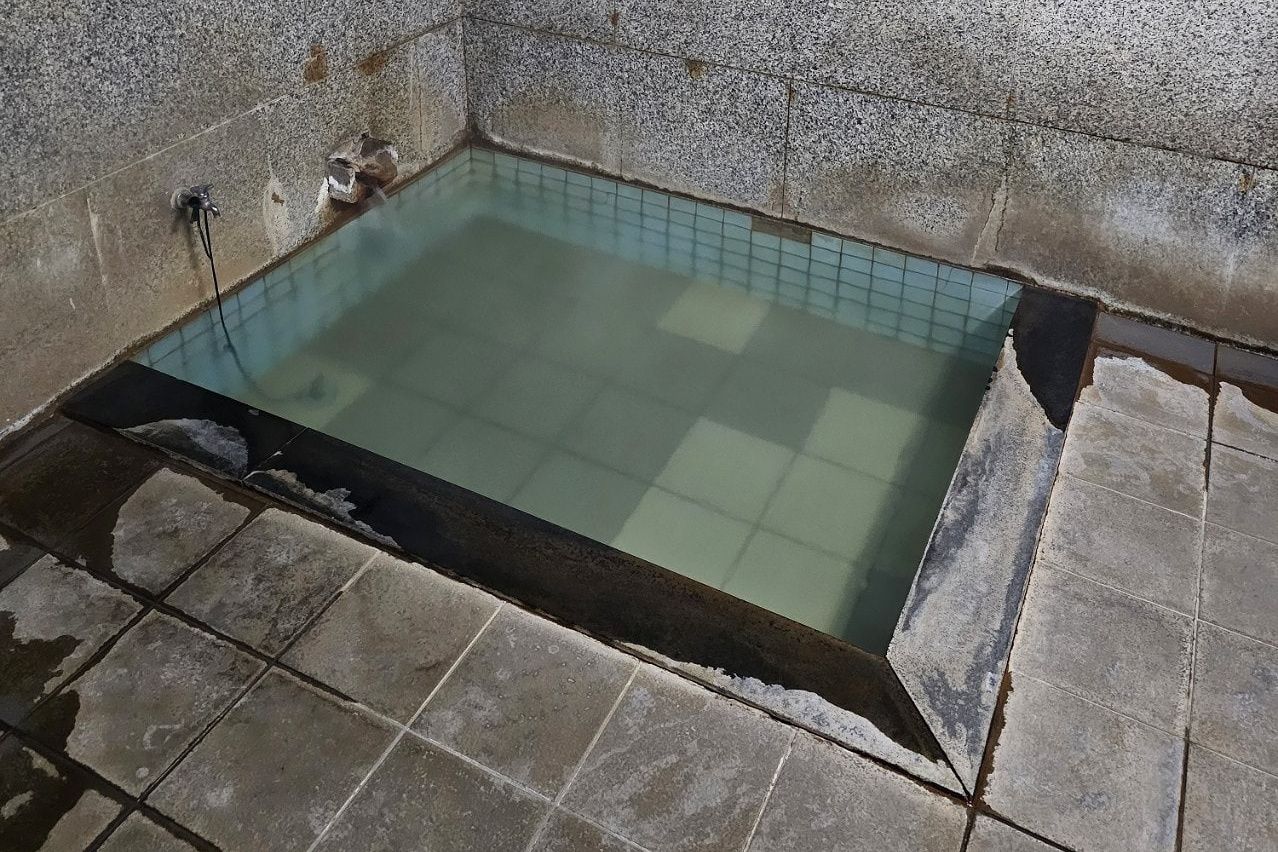
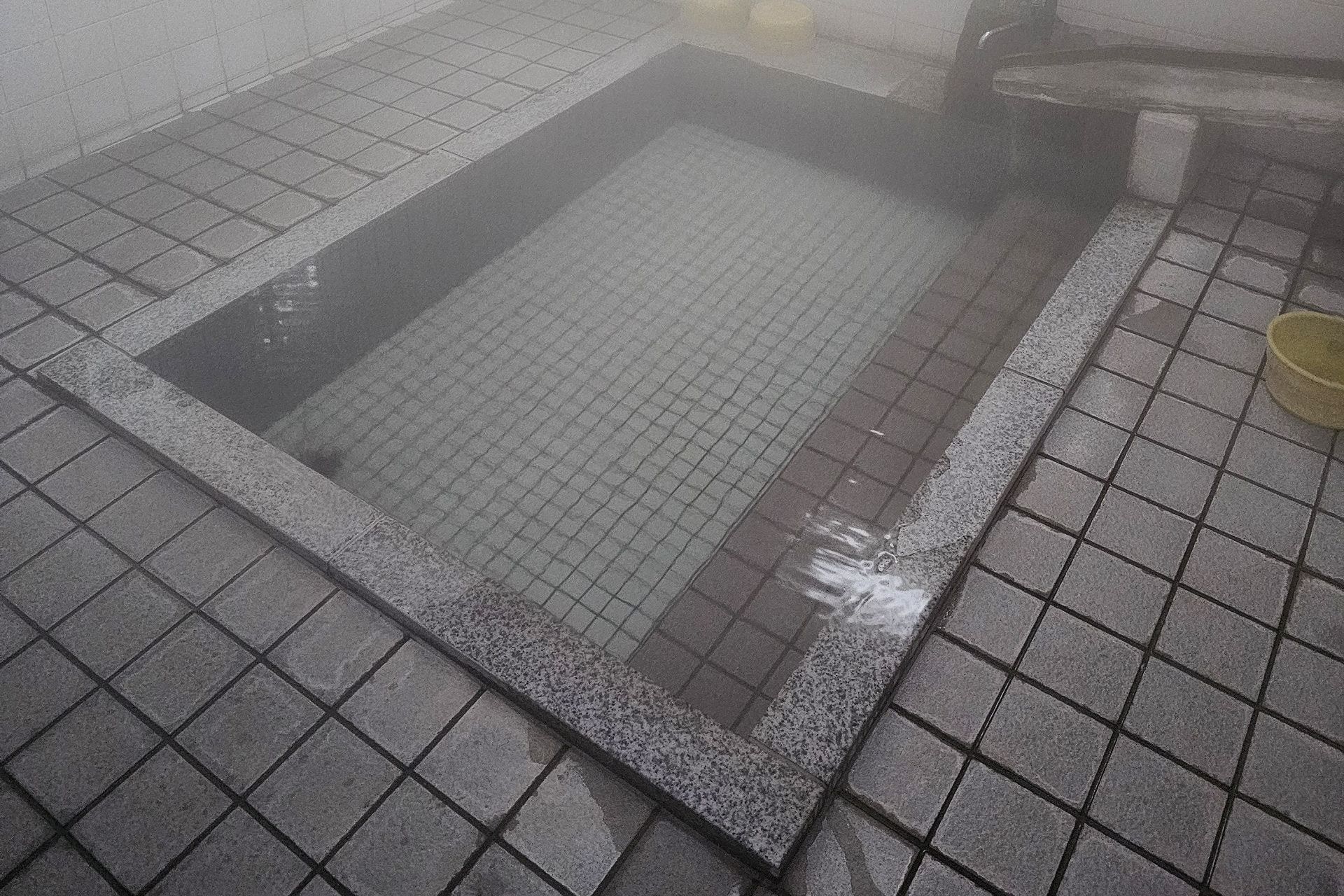
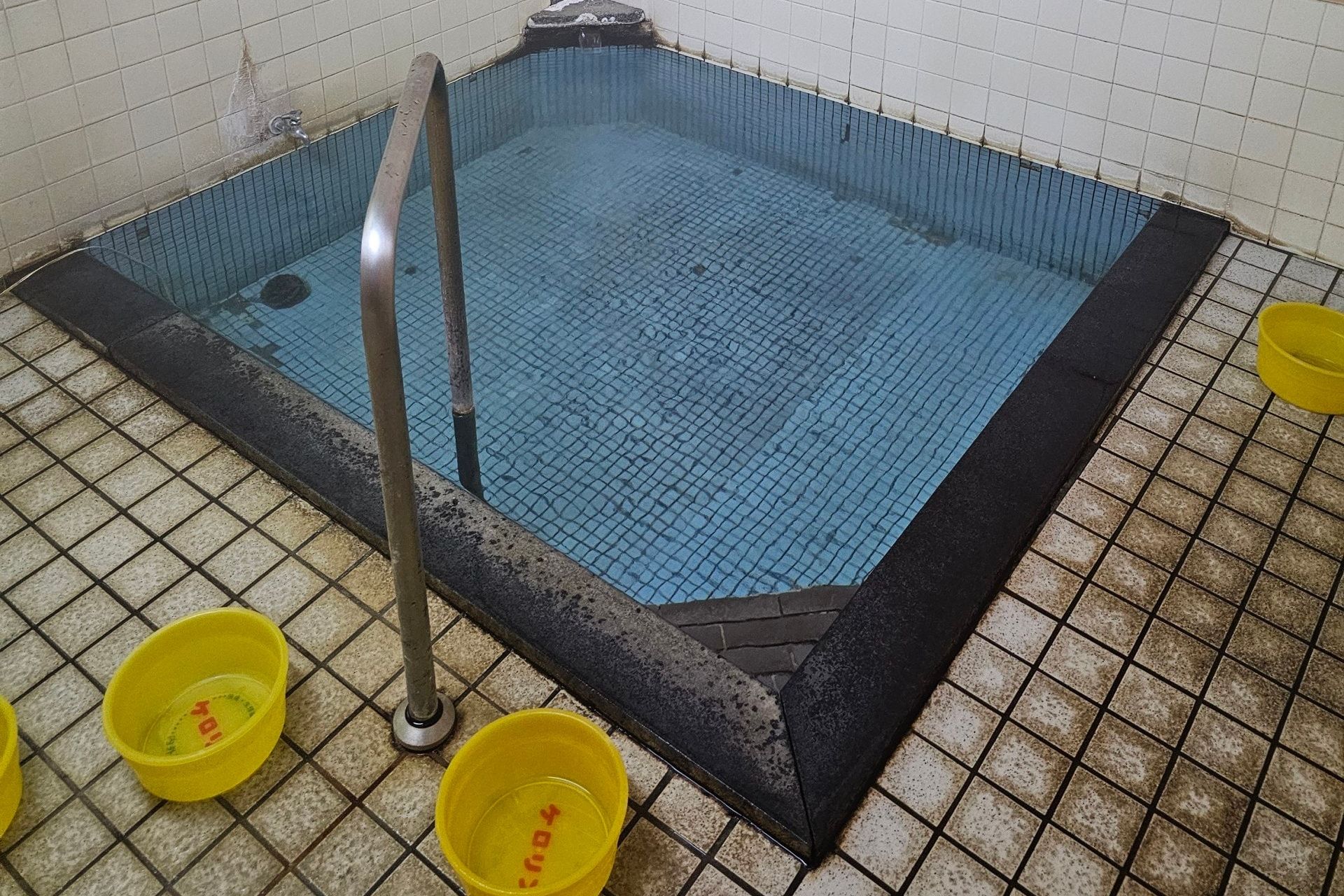
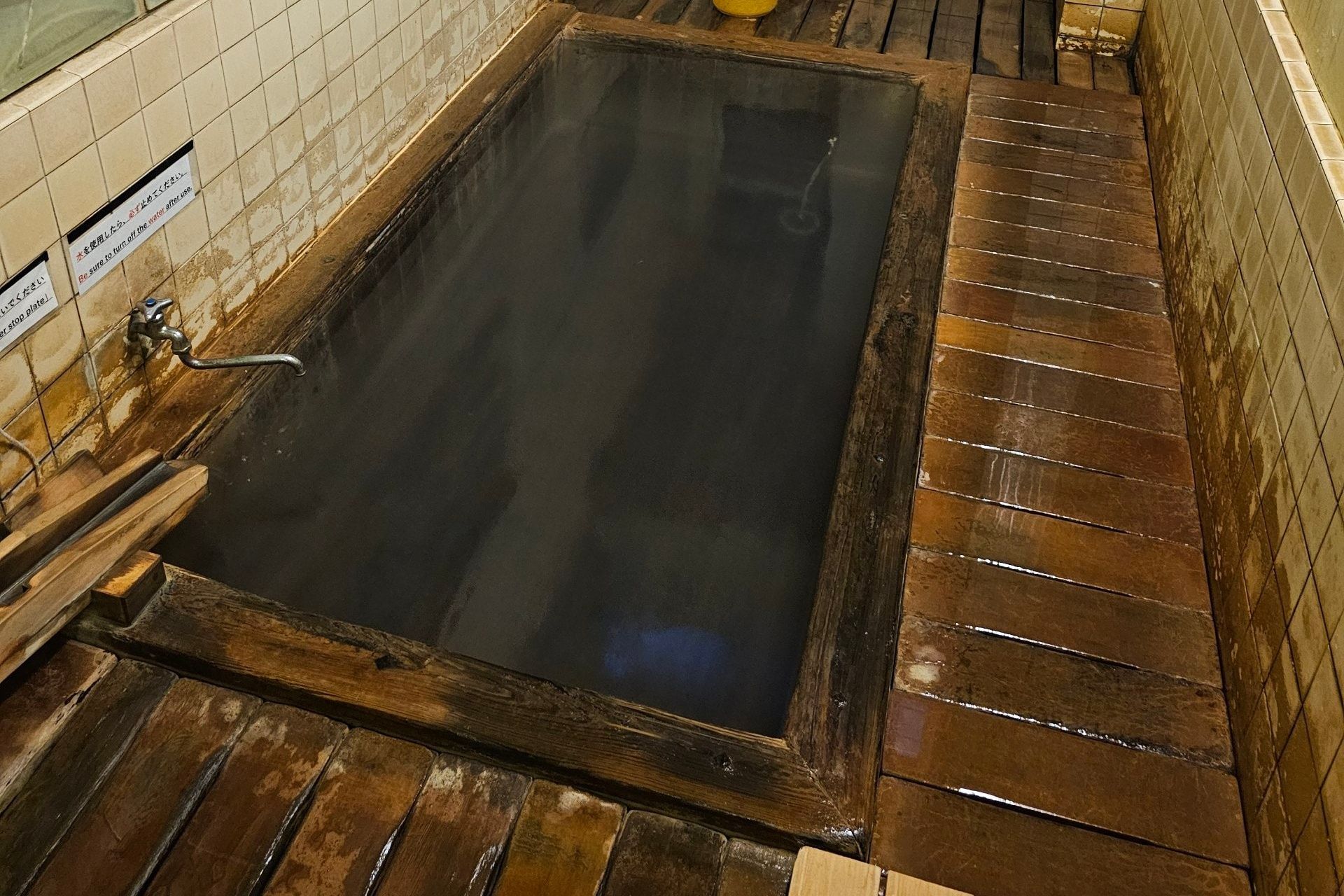
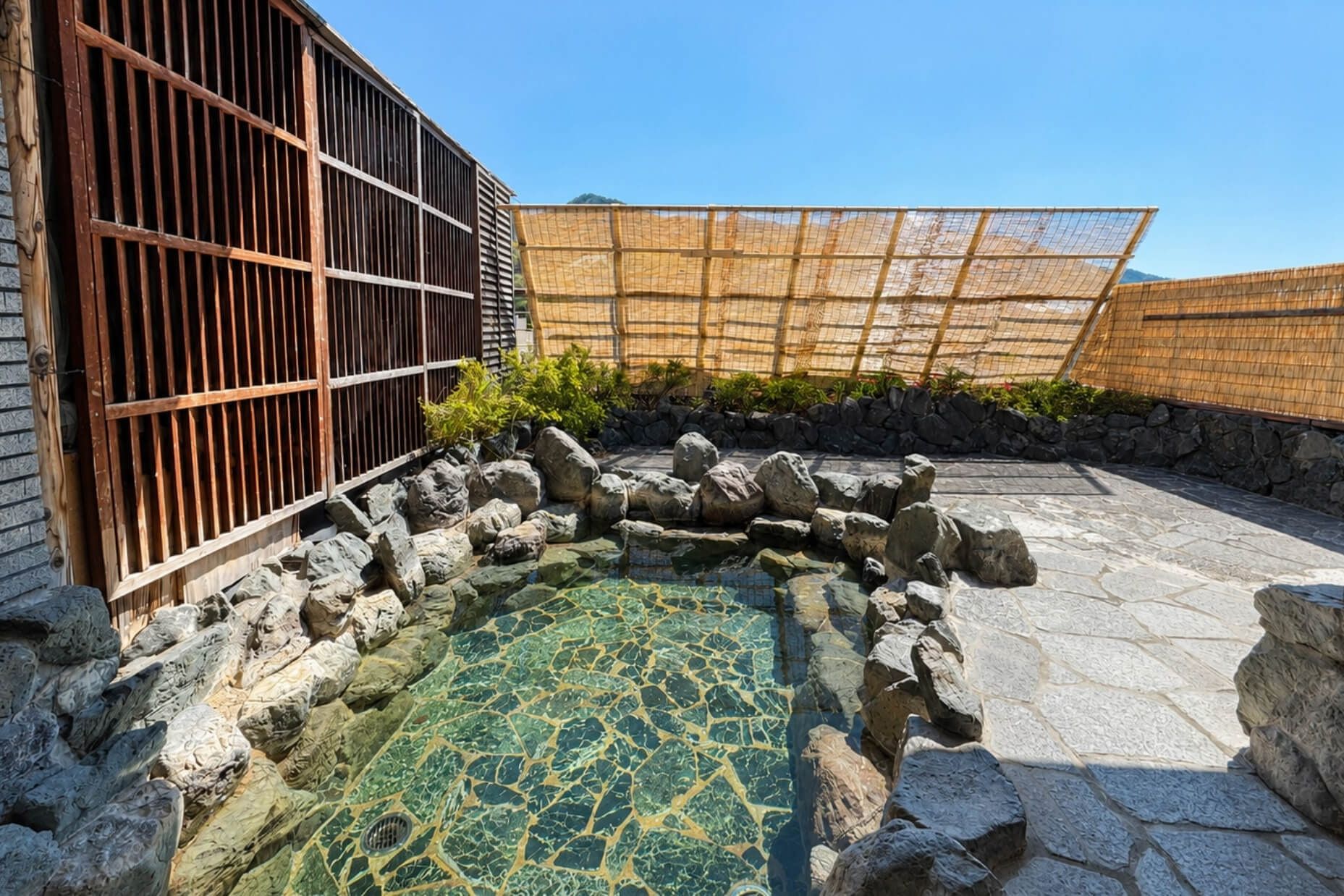
Shibu's signature is the kyu-yu meguri (九湯めぐり), a circuit of nine sotoyu bathhouses lined up along a cobblestone street of three- and four-storey wooden inns. Overnight guests receive a single master key from their ryokan that opens all of them, and stamp a prayer towel at each in turn; the ninth bath, Shibu Daiyu, is followed by a climb to Takayakushi temple to seal the round and, in the local reading, wash away nine kinds of trouble (the word ku for "nine" being a homophone of "hardship"). Yukata and geta in the lanes after dark are still the default uniform of the town.
A short walk up the valley above Kanbayashi sits Jigokudani Yaen-koen, the only place in the world where wild Japanese macaques (ニホンザル) soak in their own outdoor hot-spring pool. The troop has been habituated to humans since the late 1950s and is observable year-round, most famously through the deep snows of January and February.
Beyond the inns
Above the onsen-kyo lies Shiga Kogen, one of Japan's largest ski areas and a UNESCO Biosphere Reserve in summer, with the Mt. Shiga summit reachable by lift and a chain of high-altitude marshes and lakes. Across the Shibutoge pass the road drops toward Kusatsu in Gunma; downhill, the valley opens onto the Nagano plain and the old onward route to Zenko-ji.
Districts
6 sub-areas within Yudanaka-Shibu Onsen-kyoPlaces in this area
40 places · Sorted by rating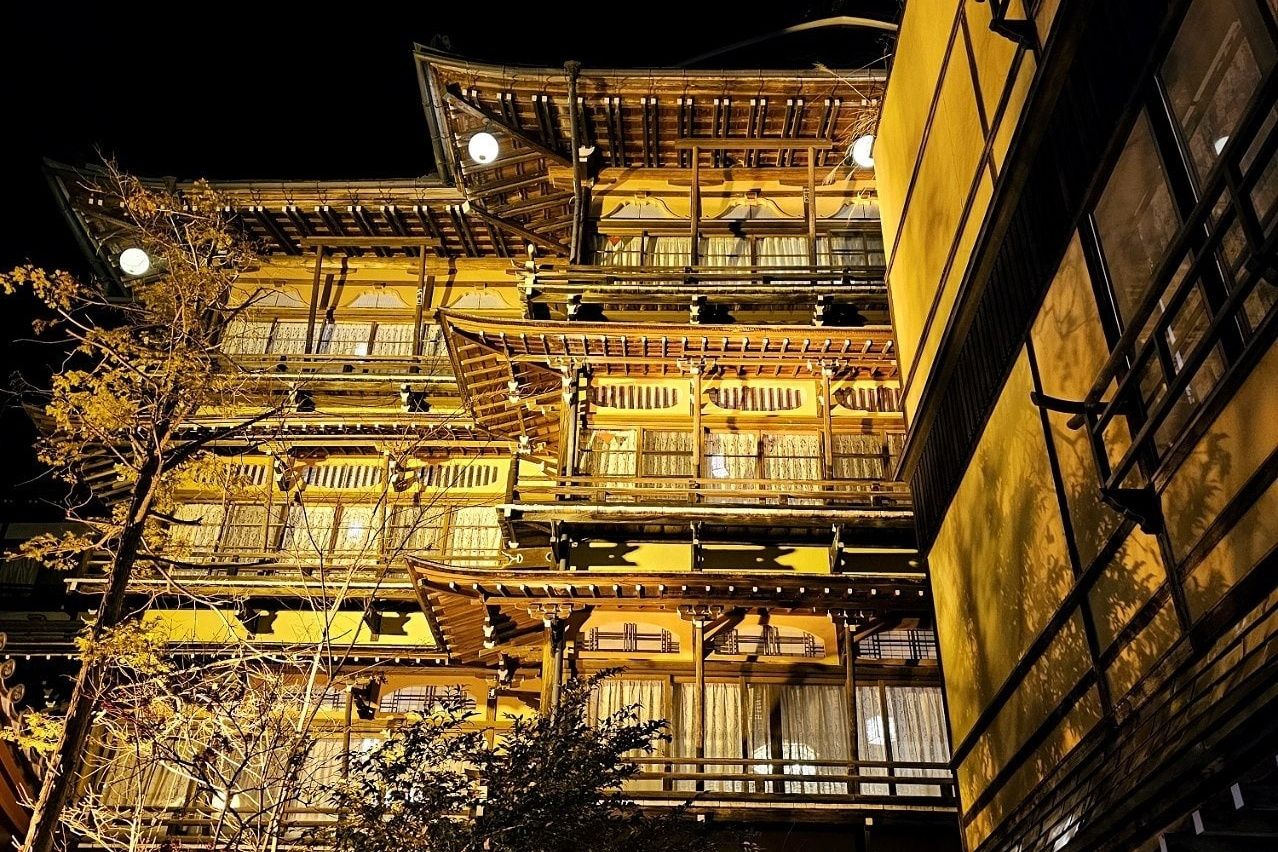 Lodging
歴史の宿金具屋
Nagano
 Lodging
天川荘
Nagano
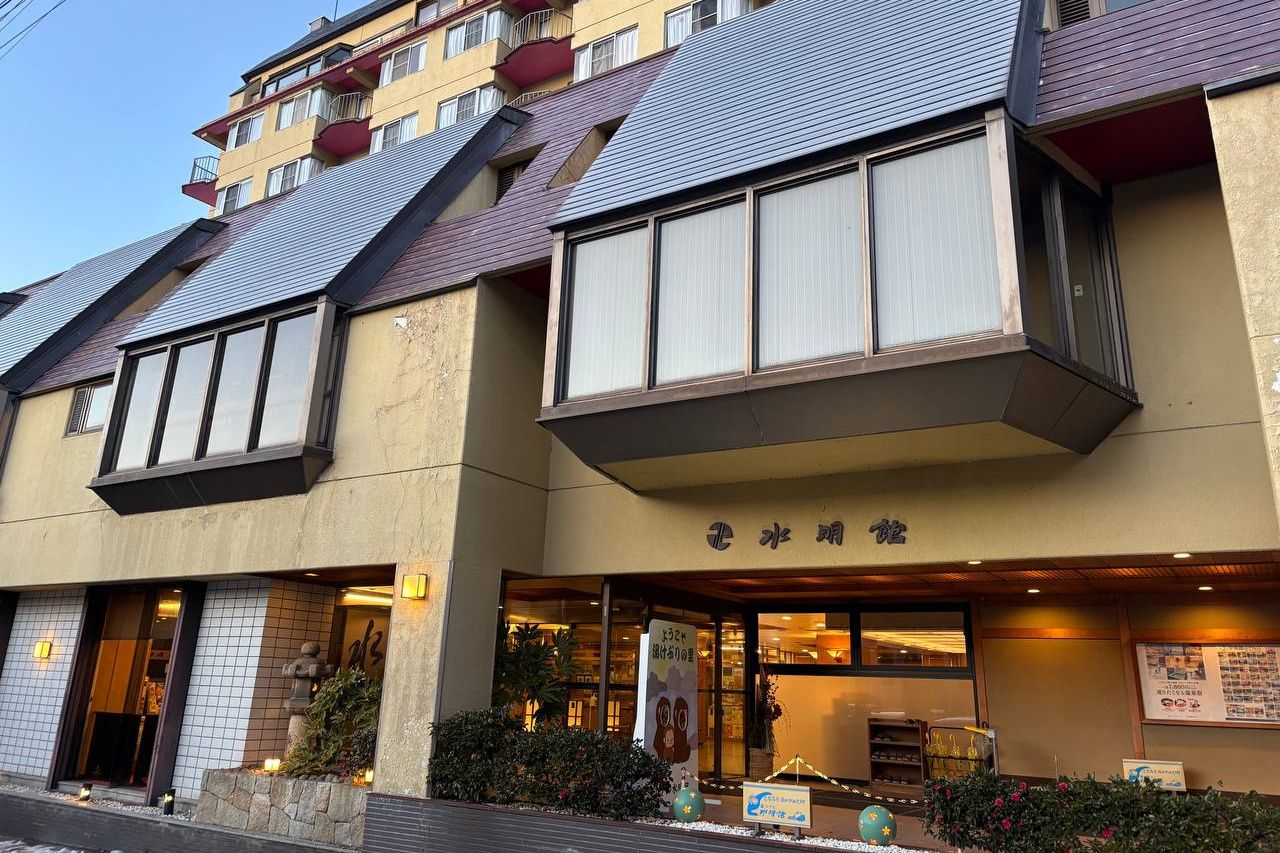
安代館
Nagano
ひなの宿 安楽荘
Nagano
越後屋
Nagano
ホテル豊生
Nagano
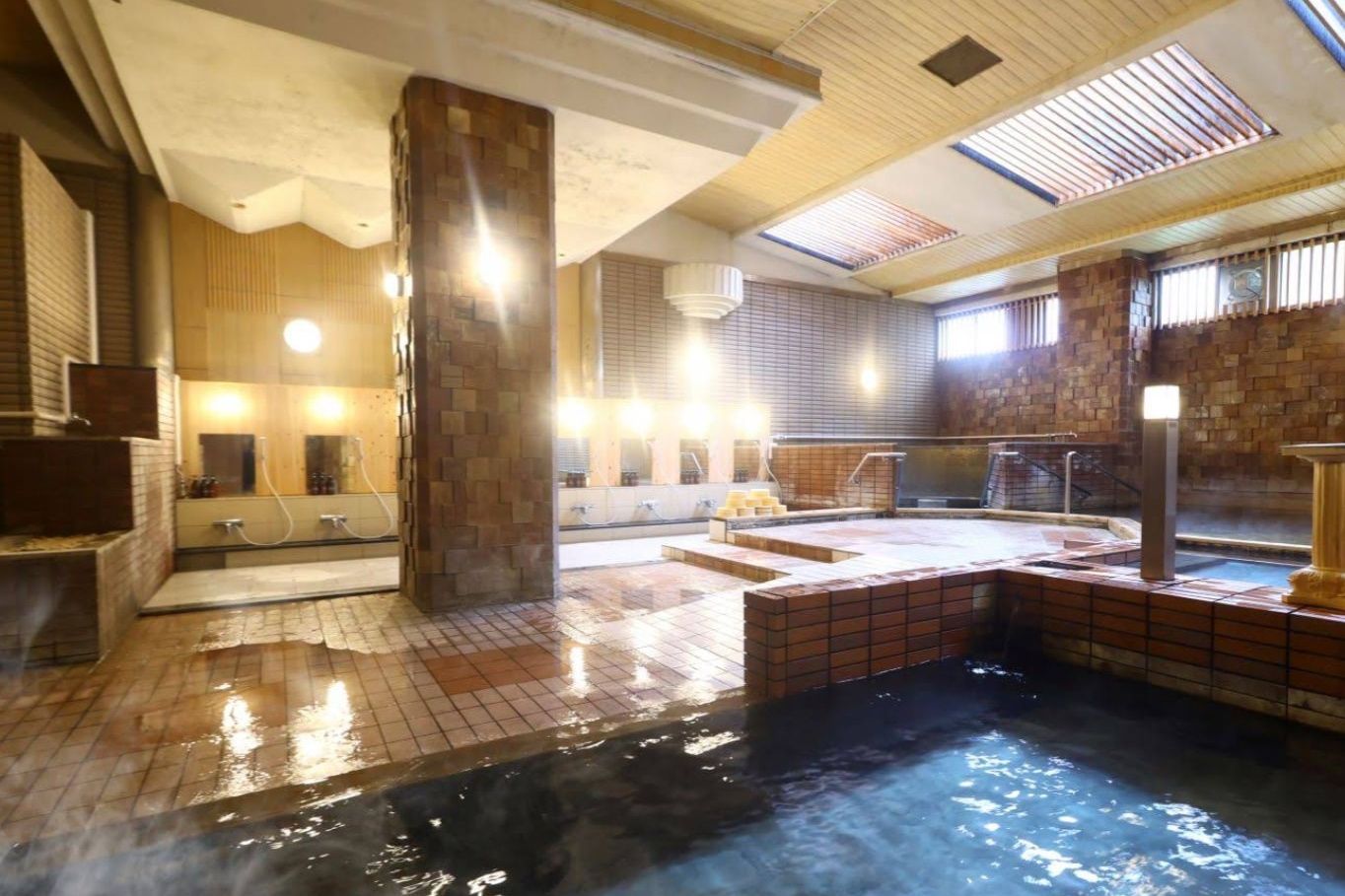
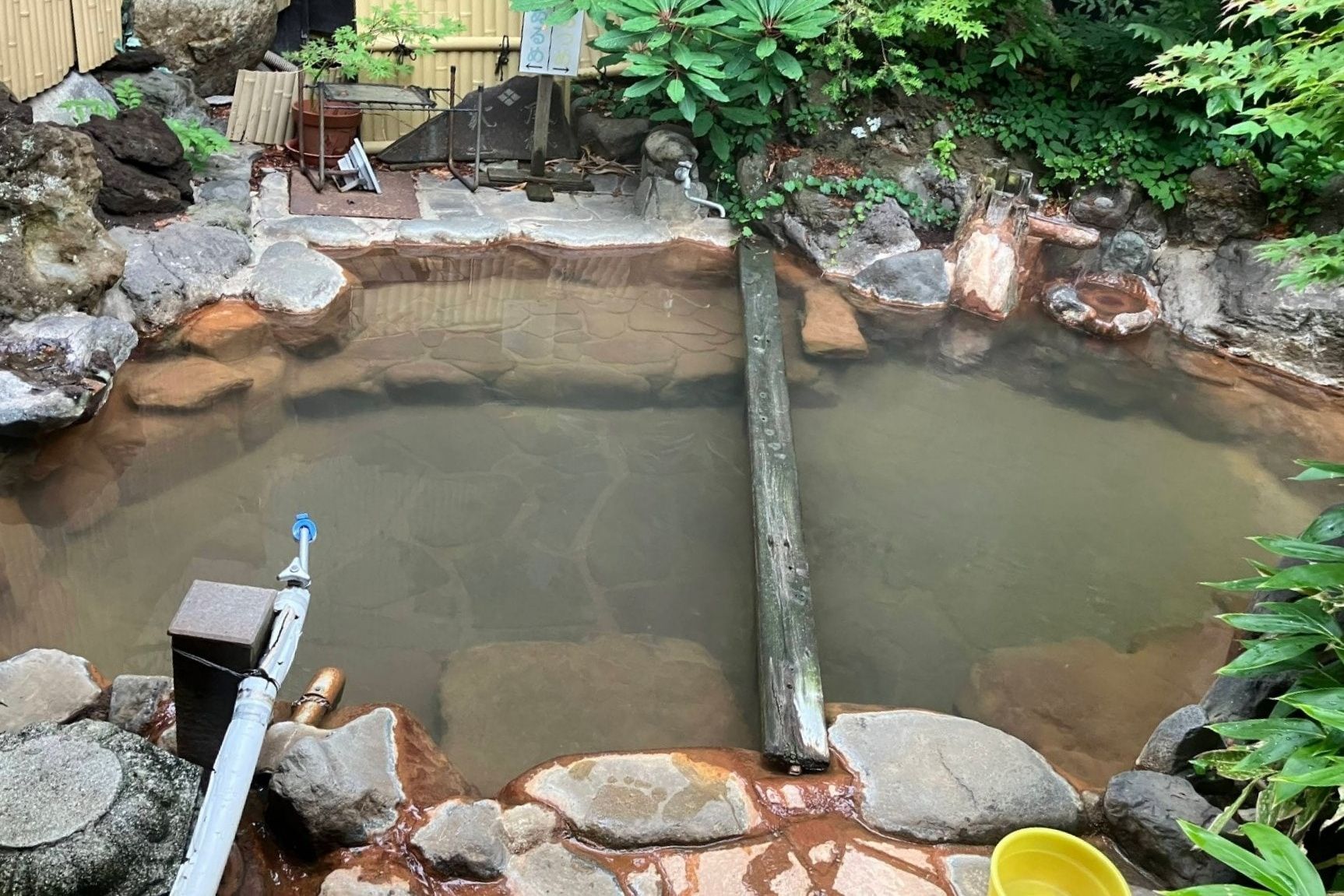 Lodging
かめや旅館
Nagano
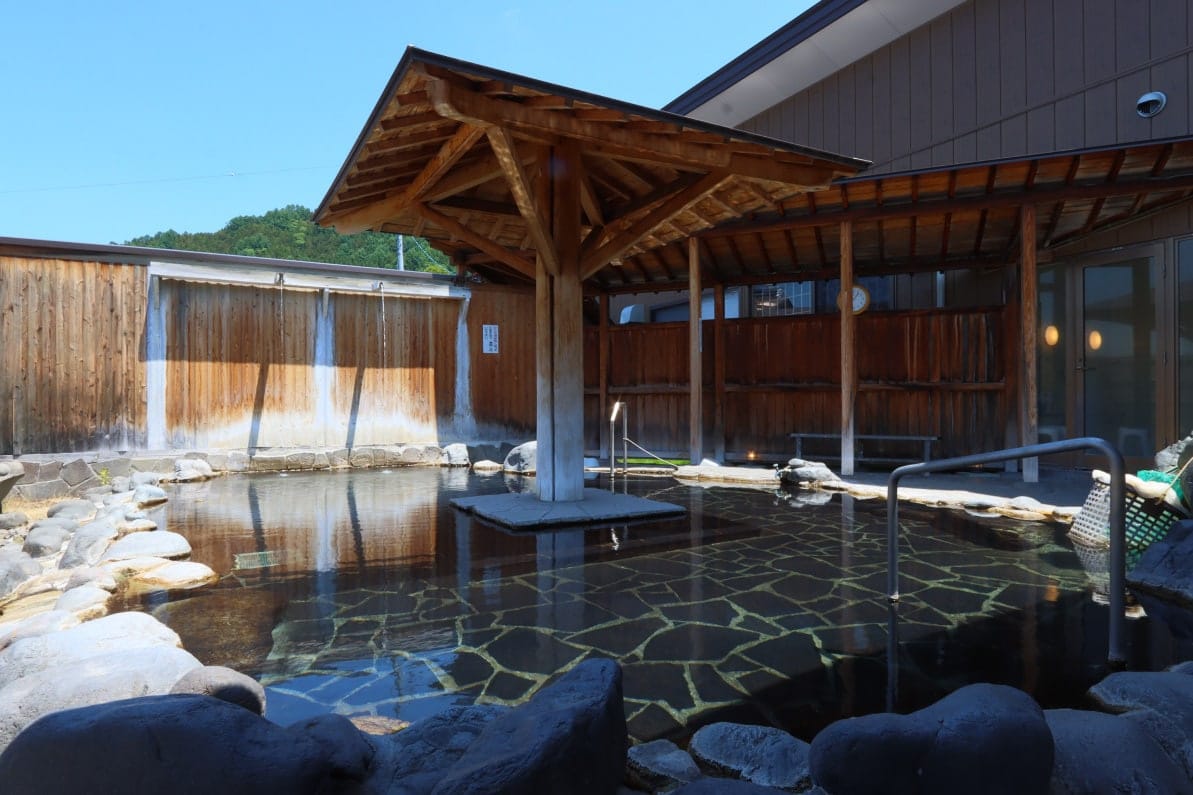
 Lodging
月見の湯山一屋
Nagano
On the map
Loading map…
Nearby onsenchi
Within 50 kmSources
- Yudanaka-Shibu Onsen-kyo, official tourism siteofficial— Member ryokan, area access, and the umbrella designation that groups the nine constituent springs.
- Yamanouchi Town, Yudanaka-Shibu area guideofficial— Municipal page covering the nine onsen along the Yokoyu, Kakuma, and Yomase rivers.
- Go NAGANO, Yudanaka-Shibu Onsen-kyoofficial— Prefectural tourism reference for the nine-onsen grouping and historical context.
- Wikipedia, 湯田中渋温泉郷— Consolidated history, including the Sengoku-era use as a Takeda recuperation spring.
- japan-guide, Shibu Onsen (Yamanouchi)— Used for the nine-sotoyu key tradition and the relationship to Jigokudani Monkey Park.