

Ito Onsen
伊東温泉Coastal Izu resort with a long Edo-period bathing history. Famous for the wooden Tokaikan inn, sodium chloride springs, and fresh sashimi at the morning market.
A shipyard, a bath town, a wooden inn
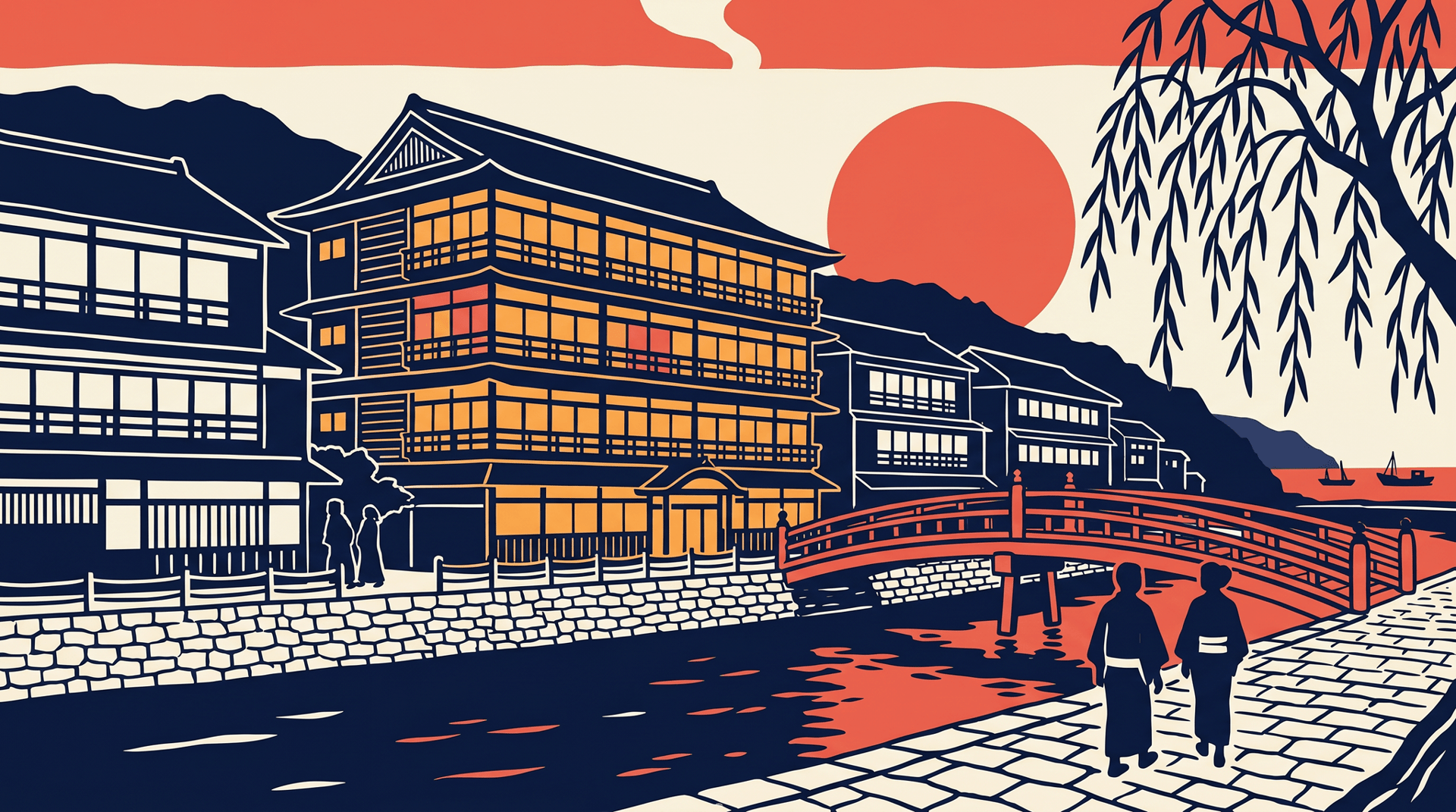
Ito's first chapter as a town worth crossing a country for begins not with a bath but with a keel. In 1604 the English navigator William Adams, by then sworn to Tokugawa Ieyasu under the name Miura Anjin, was ordered to build Japan's first Western-rigged sailing ships on the steep, deep banks at the mouth of the Matsukawa. The 80-ton vessel and the larger San Buena Ventura that followed put the harbour on the shogunate's map, and the town has kept Anjin's name in its streets ever since.
Through the Edo period the cluster of farming and fishing hamlets around the river quietly turned into a bathhouse town, channelling spring water to communal tubs serving travellers and the Tokugawa house itself. The railway from 1938 turned trickle into flood, and the wooden ryokan culture of the late Taisho and early Showa took its definitive form along the river. Tokaikan, opened in 1928, is the surviving emblem: three storeys of cypress and cedar, each floor reportedly built by a different master carpenter as a quiet competition, topped by a 1949 lookout tower. It closed as an inn in 1997 and now stands as a public museum where the baths still fill on weekends.
The eastern Izu coast
The town faces Sagami Bay from the eastern flank of the Izu peninsula, and the geology is generous: more than seven hundred sources push out warm, faintly saline water, ranking Ito among the highest-yielding onsen districts in the country. Most of the old quarter is walkable along the Matsukawa promenade, lined with palms and stone lanterns and threaded between Tokaikan and the morning fish market on the harbour. Kinmedai, the deep-red golden-eye snapper pulled from waters just offshore, is the dish everyone remembers, usually simmered whole in sweet soy or sliced thin over rice.
A short ride south, the Jogasaki coast offers a different register: black basalt cliffs from a 4,000-year-old eruption of Omuroyama, a suspension bridge slung over the surf, and a ten-kilometre clifftop trail. Cyclists use Izu-Kogen station as a base for longer loops down the peninsula, returning to Ito for a soak before the trains thin out.
Places in this area
35 places · Sorted by rating Lodging
陽気館
Shizuoka
 Lodging
大東館
Shizuoka
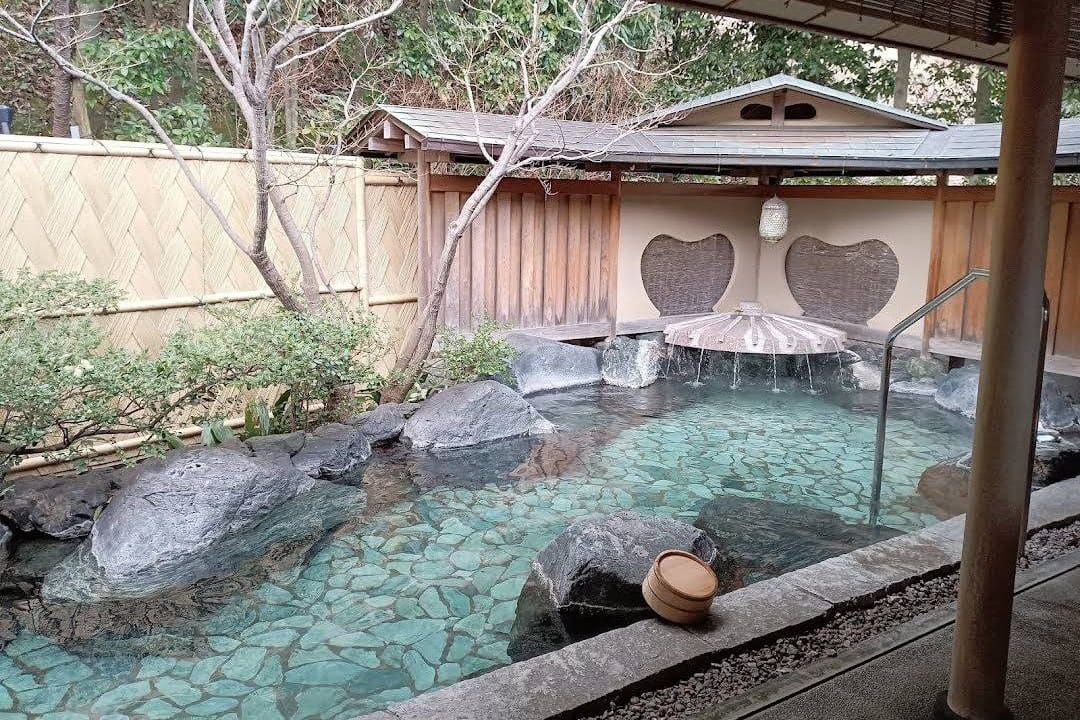 Lodging
青山やまと
Shizuoka
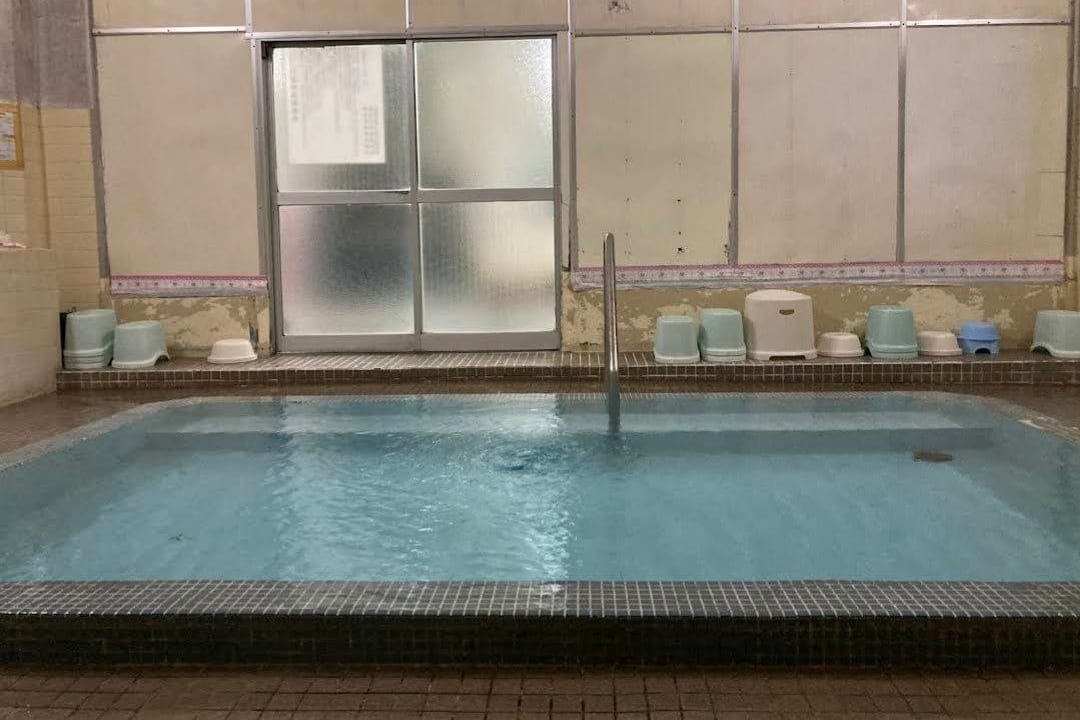
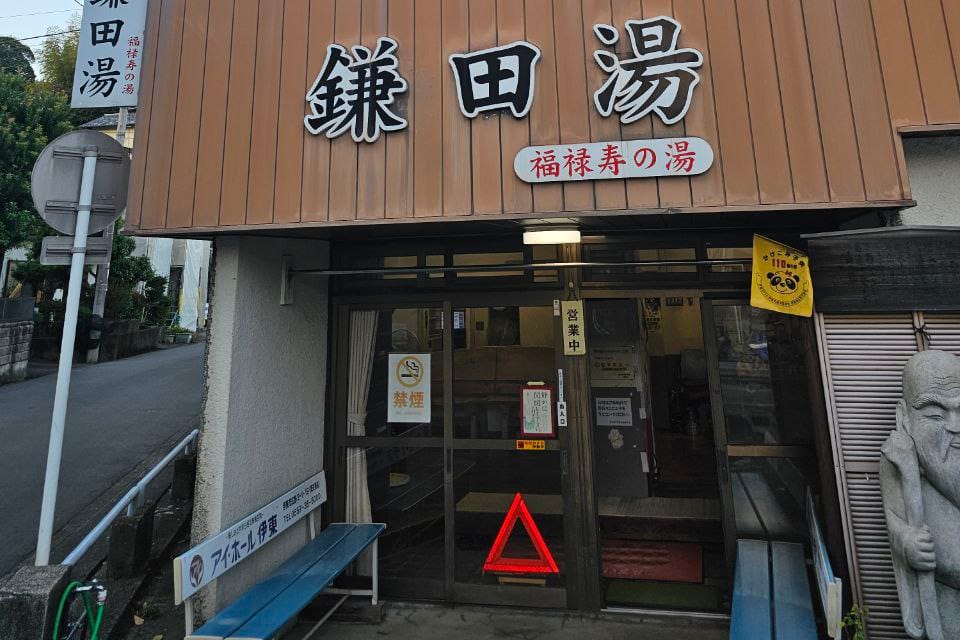
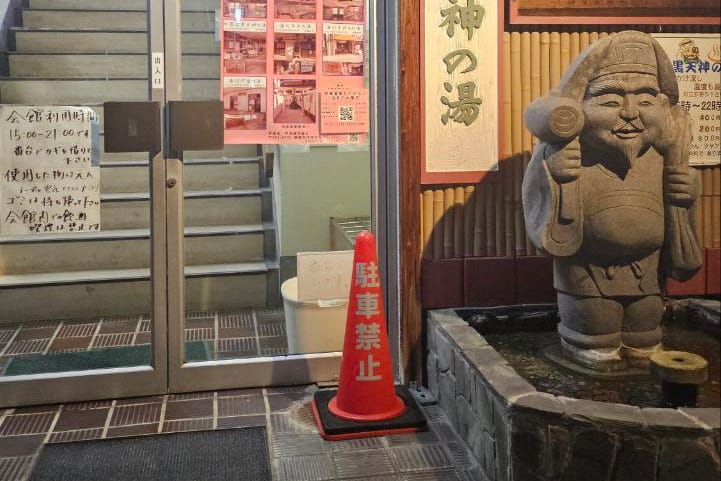
ホテルアルベルゴ
Shizuoka
ホテル伊東パウエル
Shizuoka
ホテル サンハトヤ
Shizuoka
伊東園ホテル
Shizuoka
伊東ホテルジュラク
Shizuoka
伊東小涌園
Shizuoka
伊東 緑涌
Shizuoka
かめや楽寛
Shizuoka
鈴伝荘
Shizuoka
やまだ屋
Shizuoka
山岸園
Shizuoka
On the map
Loading map…
Nearby onsenchi
Within 50 kmSources
- Ito City Tourism Associationofficial— Official tourism portal for Ito Onsen and the surrounding Izu coast.
- Miura Anjin (William Adams) and Ito City— City-published account of the 1604 shipyard at the mouth of the Matsukawa.
- Ito, Shizuoka (Wikipedia)— Overview of the city, its onsen districts, and modern history.
- Tokaikan (Wikipedia, JA)— Building history of the 1928 wooden ryokan now run as a city museum.
- Jogasaki Coast (Japan Guide)— Geology and trail notes for the basalt coastline south of Ito.