

Yufuin Onsen
由布院温泉Pastoral basin under Mount Yufu, famous for ryokan with private rotenburo, craft shops along Yunotsubo Street, and the morning mist over Lake Kinrin.
The village that chose not to become Beppu
The water at the foot of Mt. Yufu was used long before the railway arrived, but Yufuin as a destination is a 20th-century invention. When the line that became the Kyudai connected the basin in 1925, the old farming hamlet acquired its first small ryokan and a slow trickle of summer visitors.
The shape of the town today was set in the 1970s. Local innkeepers and doctors organised against a proposed golf-course development in 1970, then against unchecked resort building in the years that followed. The Association for the Future of Yufuin that grew out of that fight pushed a different model: low-rise inns, rice paddies left in place, a music festival and a film festival run by the community. After the 1975 Oita earthquake flattened bookings, the town doubled down, with horse-drawn carriages on the main street, exhibitions in farmhouses, a quiet refusal of the high-rise hotel template visible an hour away across the mountains in Beppu.
A basin you walk through
The walk most visitors take begins at Yufuin Station and ends at Kinrinko (金鱗湖), the small lake the Confucian scholar Mori Kuso renamed in 1884 after the way evening light caught the fish scales on its surface. Hot springs and cold streams both feed the lake; on autumn and winter mornings the temperature gap throws a thin mist across the water that has become the area's unofficial signature.
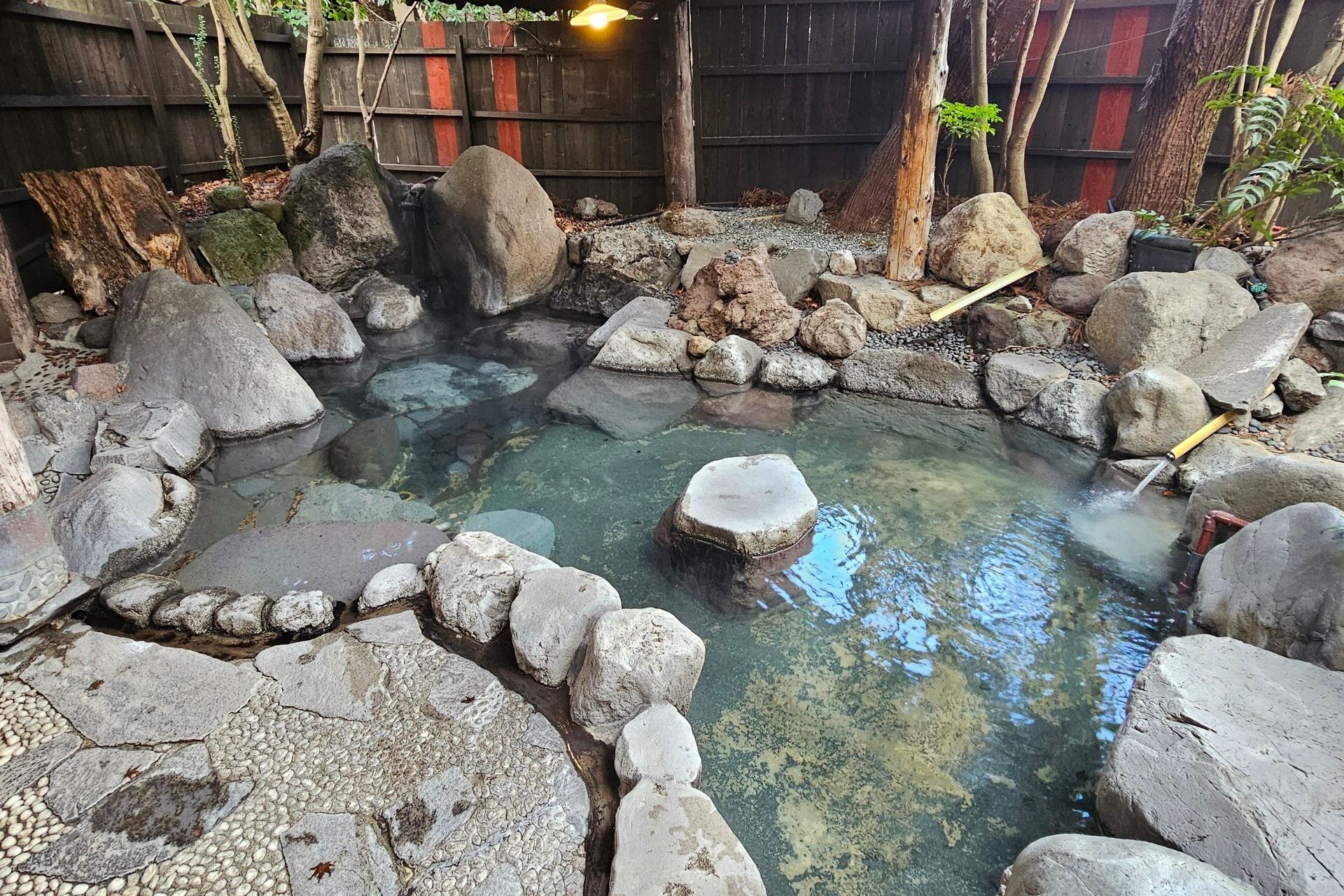
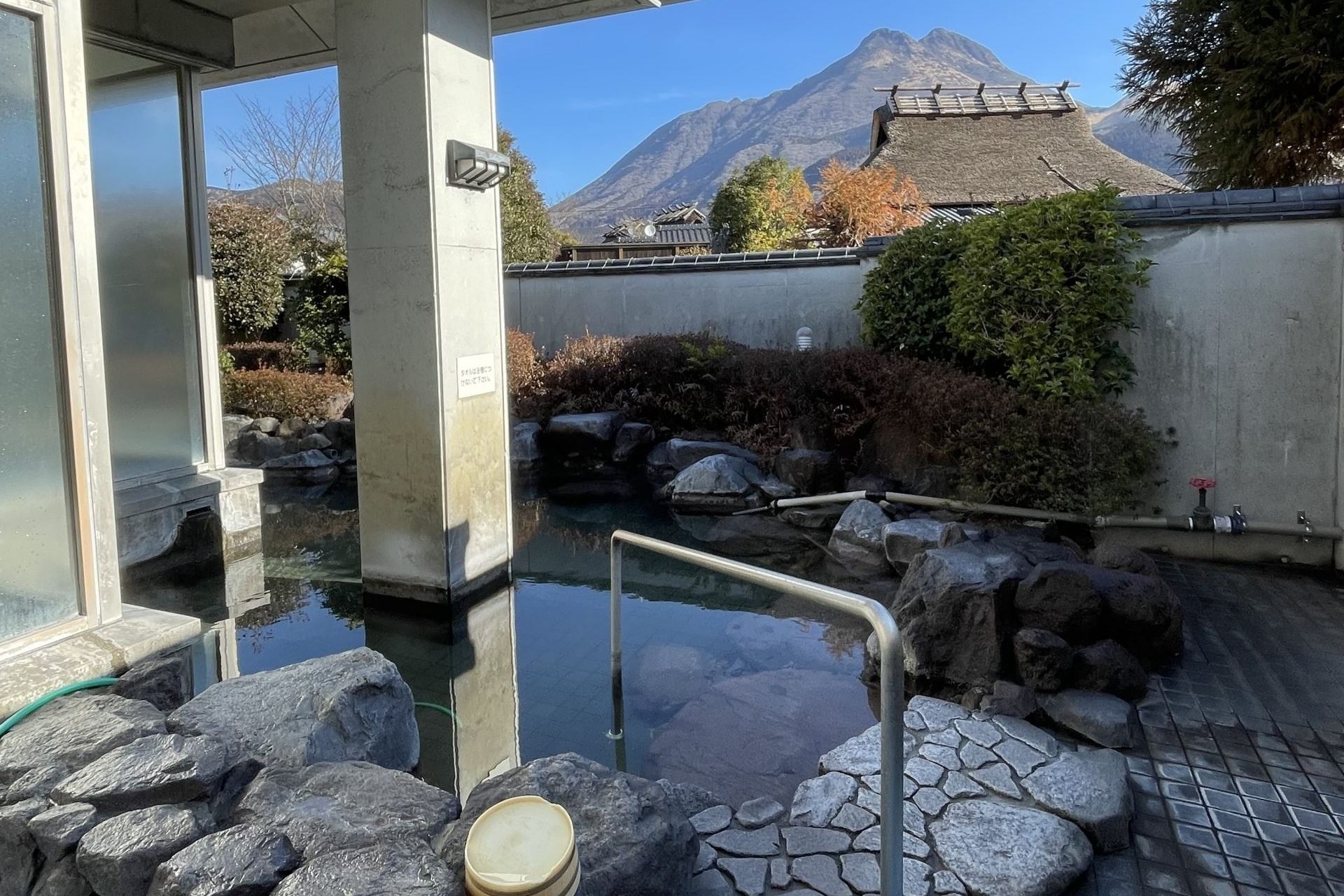
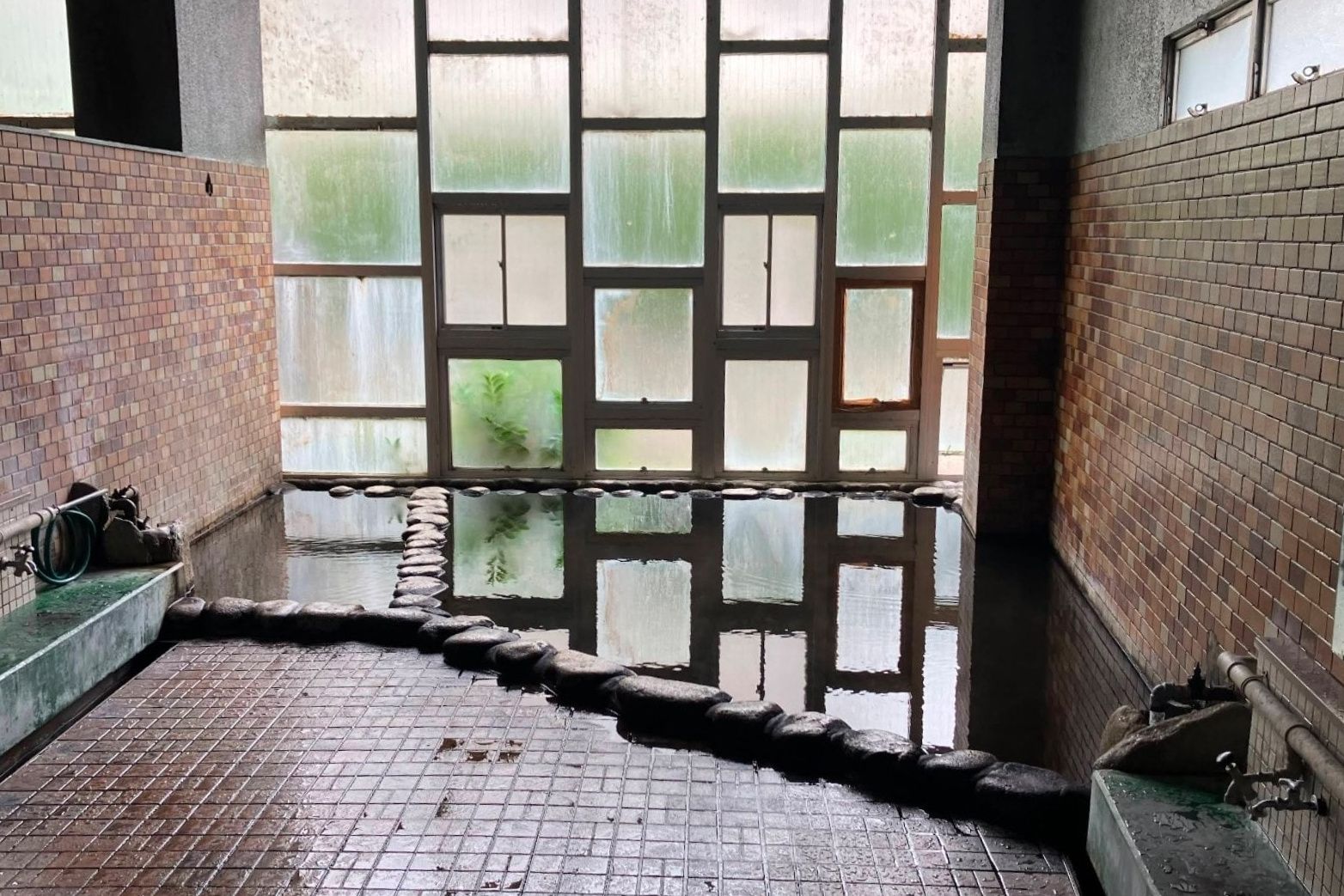
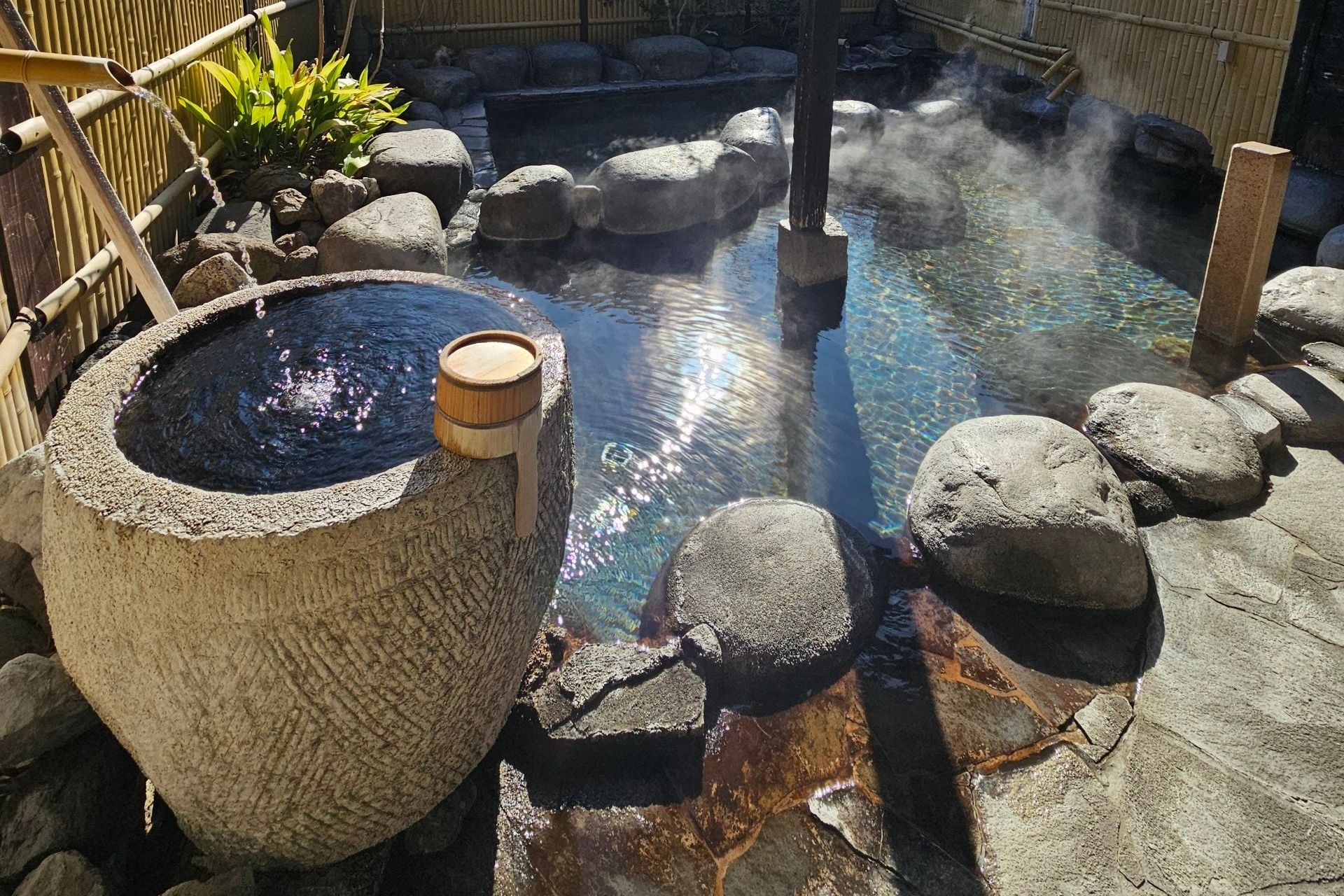
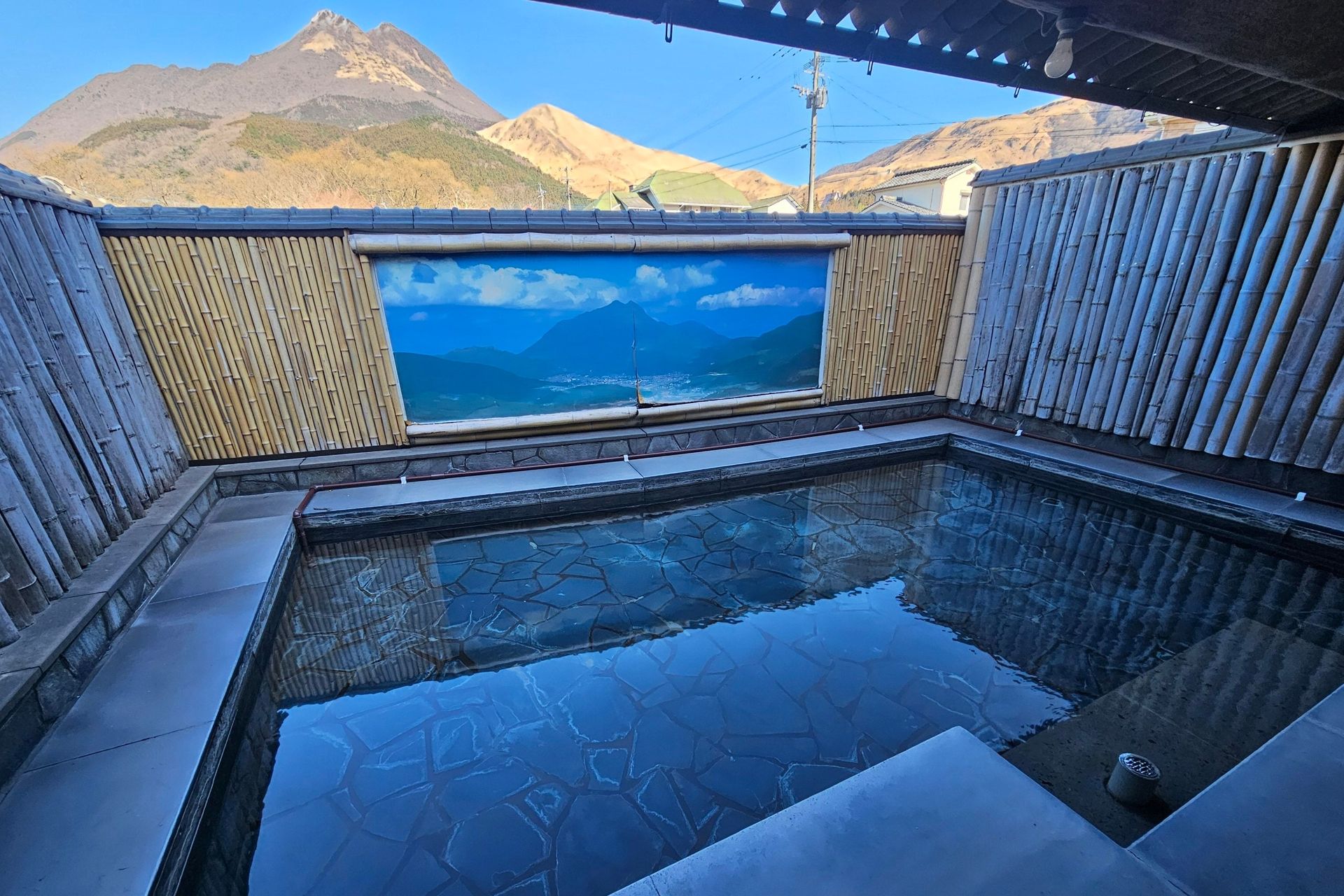
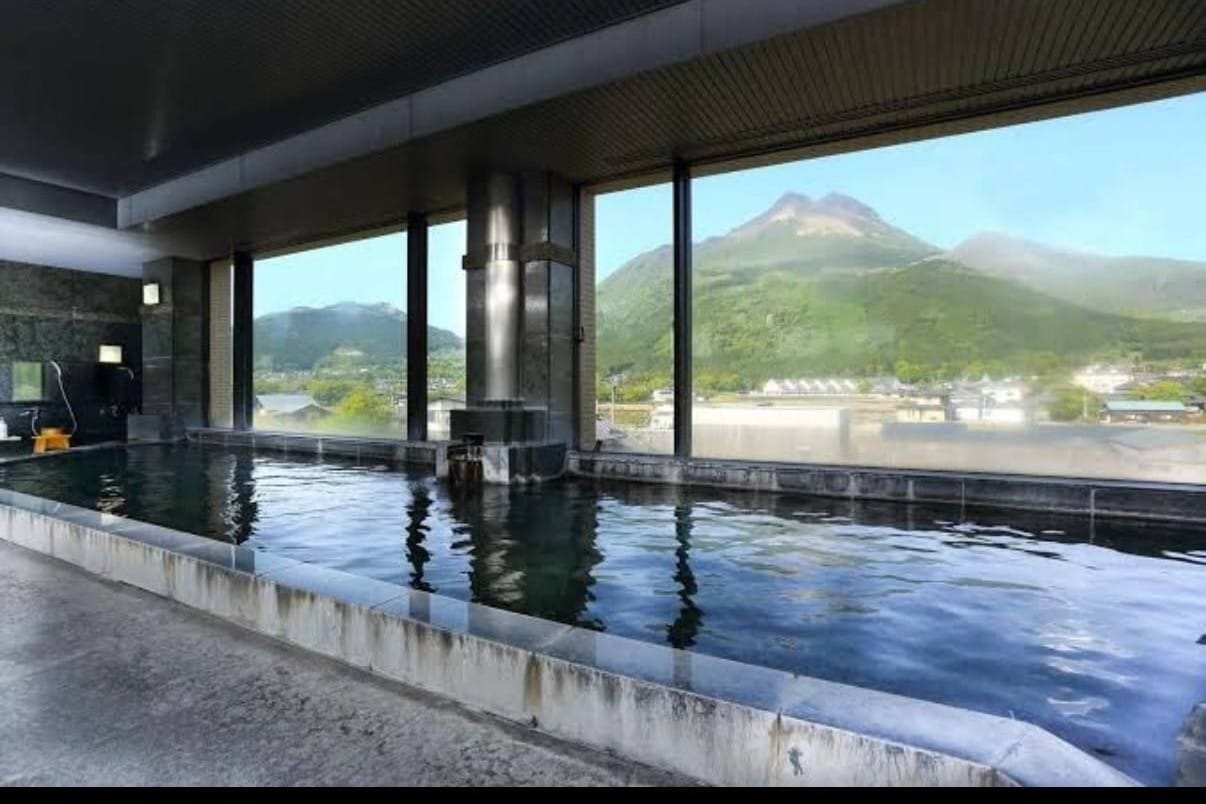
Between the station and the lake runs Yunotsubo Kaido, lined with cafés, craft shops, small galleries and dessert stands. Off the main path the density drops fast: a few minutes of walking puts you among rice fields, family-run ryokan with three or four rooms, and quiet bathhouses with Mt. Yufu (由布岳, 1,584 m) framed in the open ends of the basin. The contrast with Beppu's industrial scale of bathing is the point: Yufuin is meant to be walked slowly, on the surface of a working agricultural valley that happens to sit on one of Japan's largest reserves of hot water.
Morning mist at Kinrinko
If a single image stands in for Yufuin it is the lake at first light in late autumn, with steam rising off the surface, the torii of the small Tenso shrine on the bank, Mt. Yufu behind. The window is short (roughly November to February, and only on cold, still mornings) but it is the reason the early trains from Hakata and Beppu run as full as they do.
Places in this area
65 places · Sorted by rating
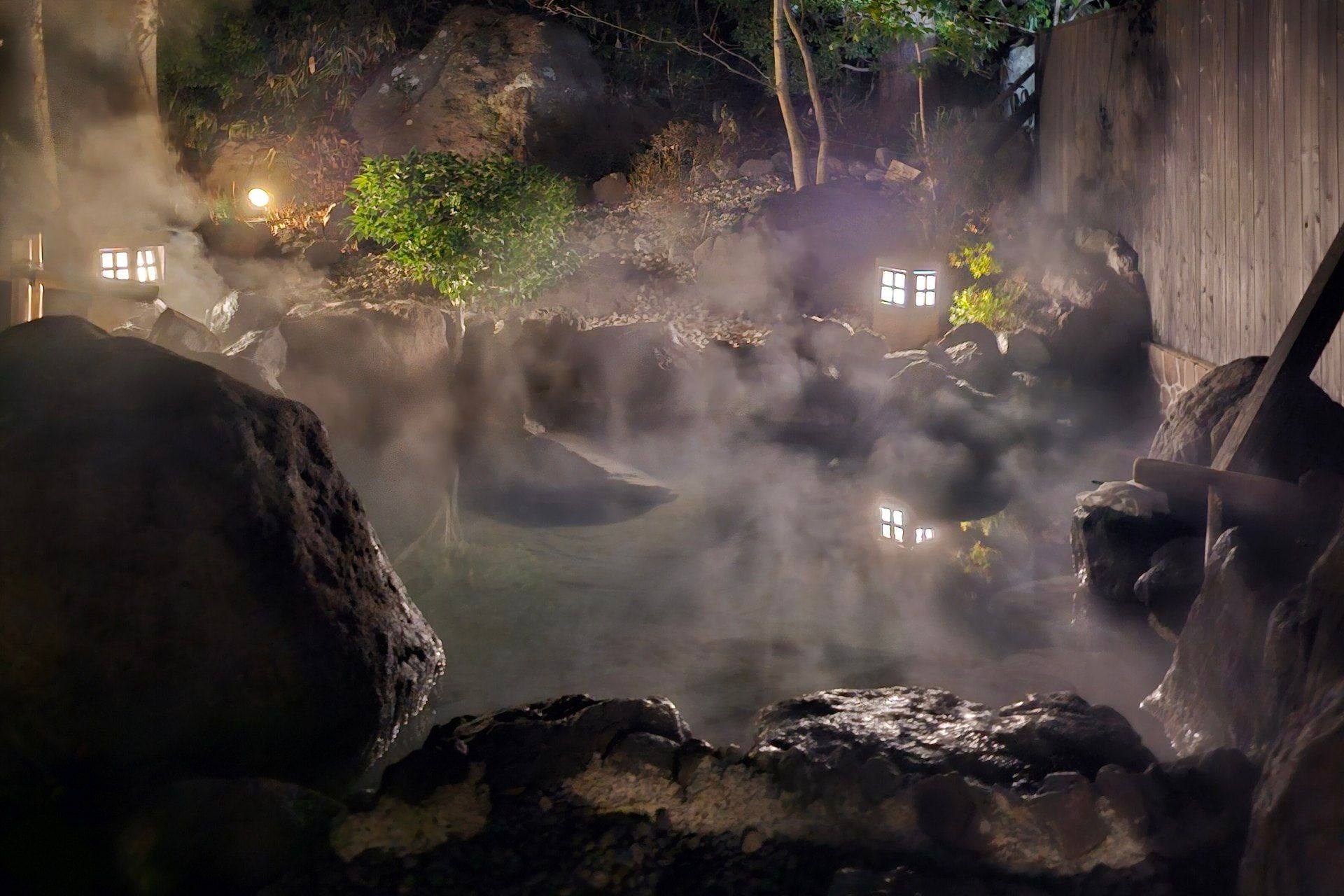
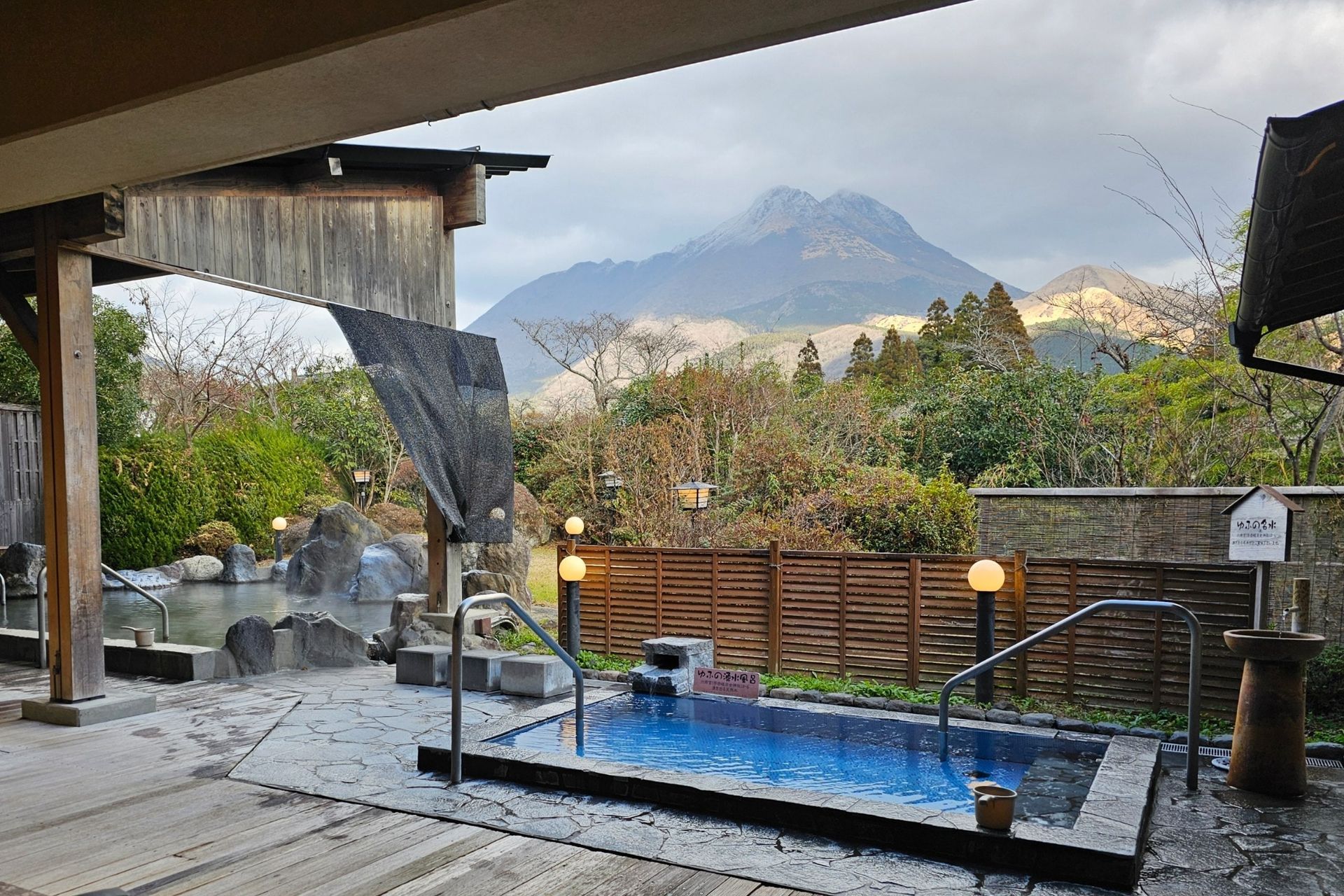
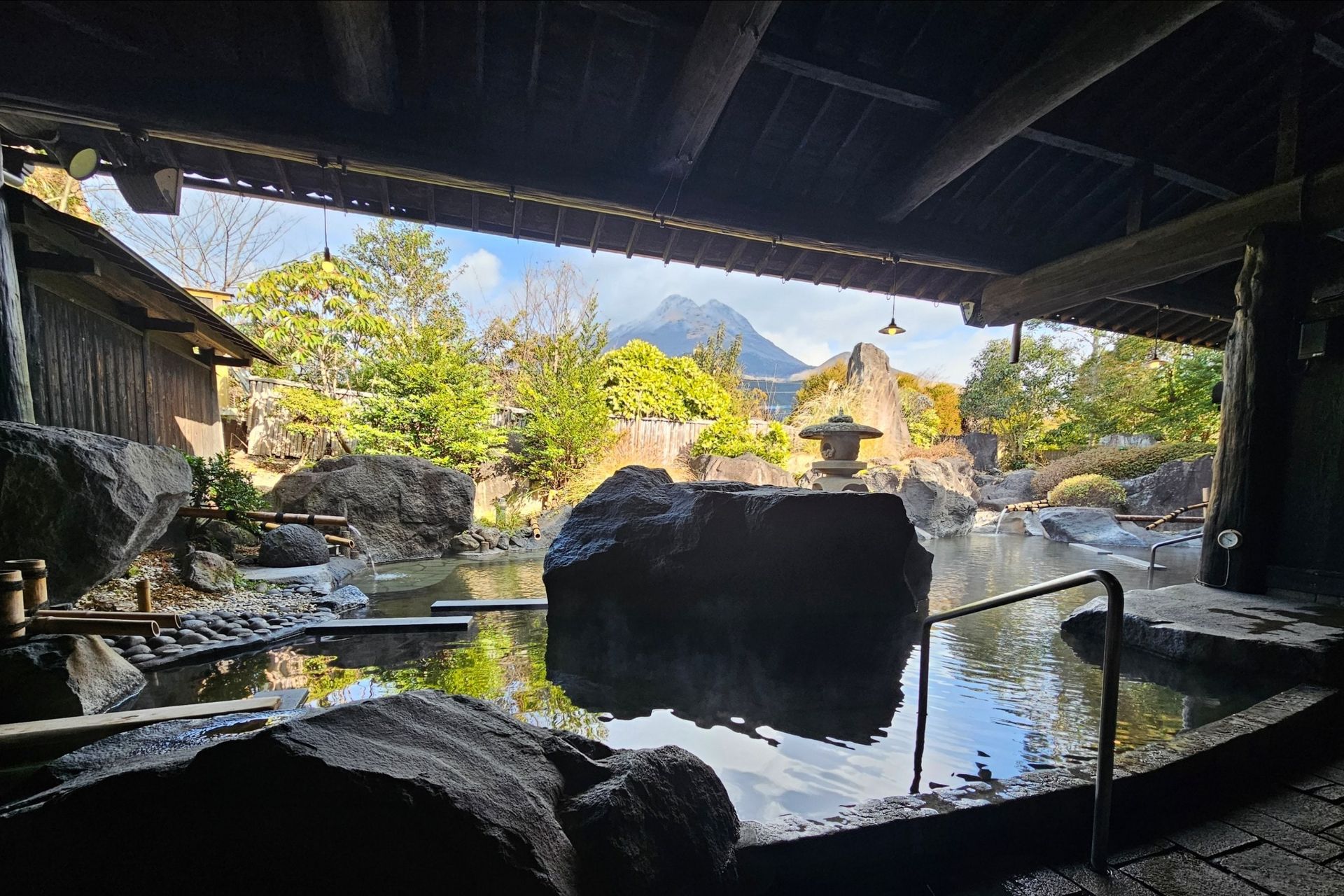
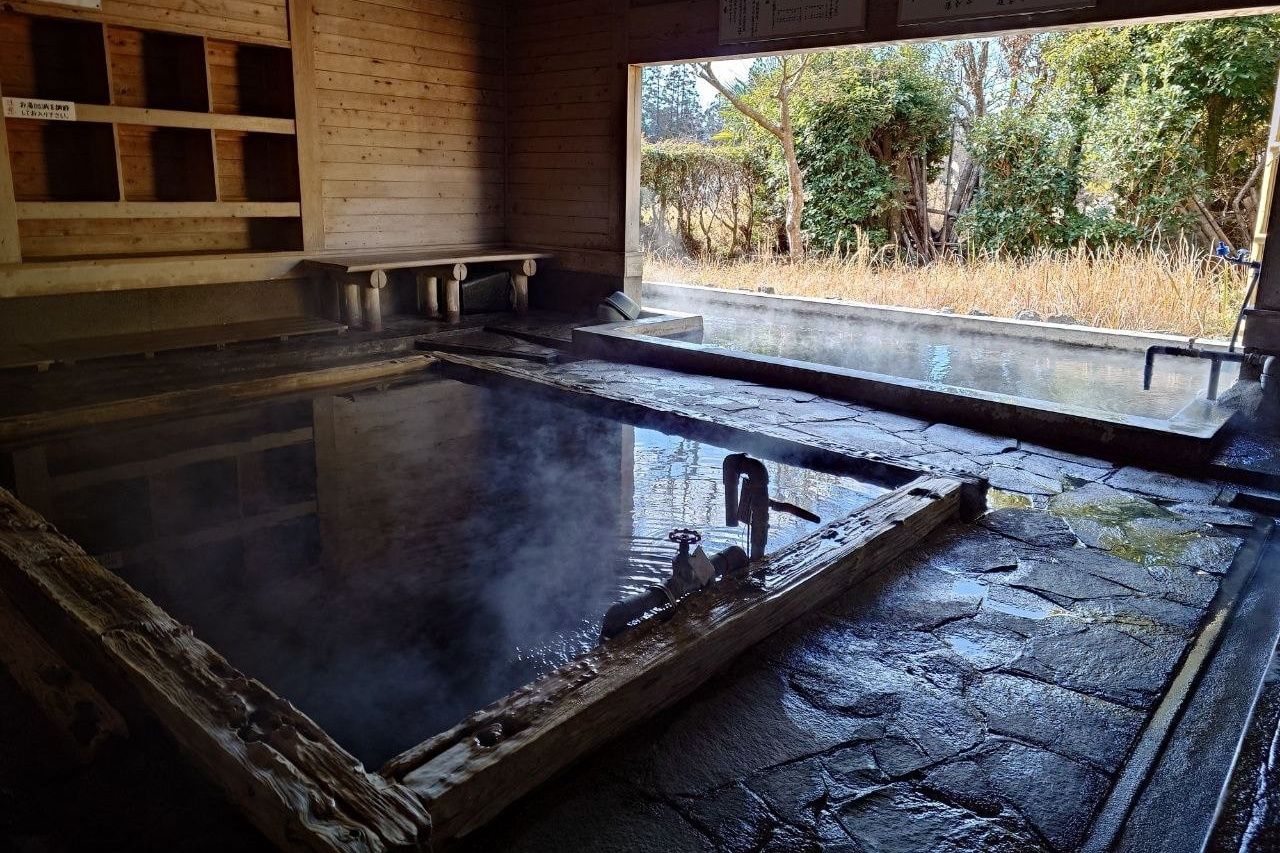
On the map
Loading map…
Nearby onsenchi
Within 50 kmSources
- Yufuin Onsen Tourism Associationofficial— Operated by the Yufu City Tourism Bureau. Area guide, ryokan and walking maps, seasonal event calendar.
- Kinrinko — Yufu Cityofficial— Municipal page for the lake. Source for the 1884 renaming by the Confucian scholar Mori Kuso and the hot-and-cold spring inflows.
- Visit Oita, prefectural tourismofficial— General visitor-facing context for Oita prefecture.
- Yufuin Onsen — Japanese Wikipedia— Source for the postwar town-planning history, the 1970 golf-course opposition, and the 1975 earthquake recovery initiatives.