
Hakone Onsen
箱根温泉Mountain resort town in Fuji-Hakone-Izu National Park, with Hakone-Yumoto, Miyanoshita, Gora, Sengokuhara and a dozen more sub-areas spread across the caldera.
From a post town on the Tokaido
Hakone's oldest spring, at Yumoto, is traditionally dated to 738 (Tenpyo 10), attributed to a wandering Buddhist priest. The waters entered the national record only much later, when Toyotomi Hideyoshi's army rested in Sokokura during the 1590 Odawara campaign, and when the Tokugawa shogunate fixed the Tokaido highway through the mountains. By the Edo period seven onsen villages had coalesced into a known set, the 箱根七湯 (Hakone Nana-yu): Yumoto, Tonosawa, Dogashima, Miyanoshita, Sokokura, Kiga, and Ashinoyu. An 1811 guidebook catalogued each by smell, taste, temperature, and reputed cure. Tribute water was sent up the road to the shogun in Edo. After the Meiji opening, deeper drilling added Gora (admitted in 1919 with the new Hakone Tozan Railway), Kowakudani, Sengokuhara, Yunohanasawa, Ashinoko, and several more; together they form the modern roster of 箱根十七湯 (Hakone Jushichi-yu).
Seventeen springs, six distinct quarters
The seventeen are not one resort but a chain of villages strung along the caldera. Yumoto, where the Hayakawa and Sukumo rivers meet, is still the busiest gateway: most ryokan, most onsen sources, the steepest concentration of day-bath options and souvenir shops on the way up from the station. Tonosawa sits a single switchback above, known since the Edo era as a quieter literary quarter. Miyanoshita climbs higher, dominated by the Fujiya Hotel, opened in 1878 as one of the first Western-style hotels in Japan and a host over the decades to Charlie Chaplin, Helen Keller, Albert Einstein, and the Showa Emperor. Gora and Sengokuhara sit on the upper slopes, with broader skies and the open-air baths that catch Fuji on clear winter mornings. Ashinoyu and Ashinoko, ringing the lake at around 700–950 m, are the highest and the coldest in winter. Spring chemistry shifts noticeably across the chain, from the mild alkaline simple springs of Yumoto to the sulfur and acidic waters near Owakudani.
A landscape full of museums
Hakone is unusual among Japanese onsen towns for the density of its art institutions. The Hakone Open-Air Museum in Ninotaira (open since 1969) threads Henry Moore and Niki de Saint Phalle sculpture through the hillside; the Pola Museum of Art in Sengokuhara holds an Impressionist collection in a low building cut into the woods. Both pair naturally with a soak: a half-day of galleries, an evening in the bath.
Districts
14 sub-areas within Hakone OnsenPlaces in this area
71 places · Sorted by rating
 Bathing Complex
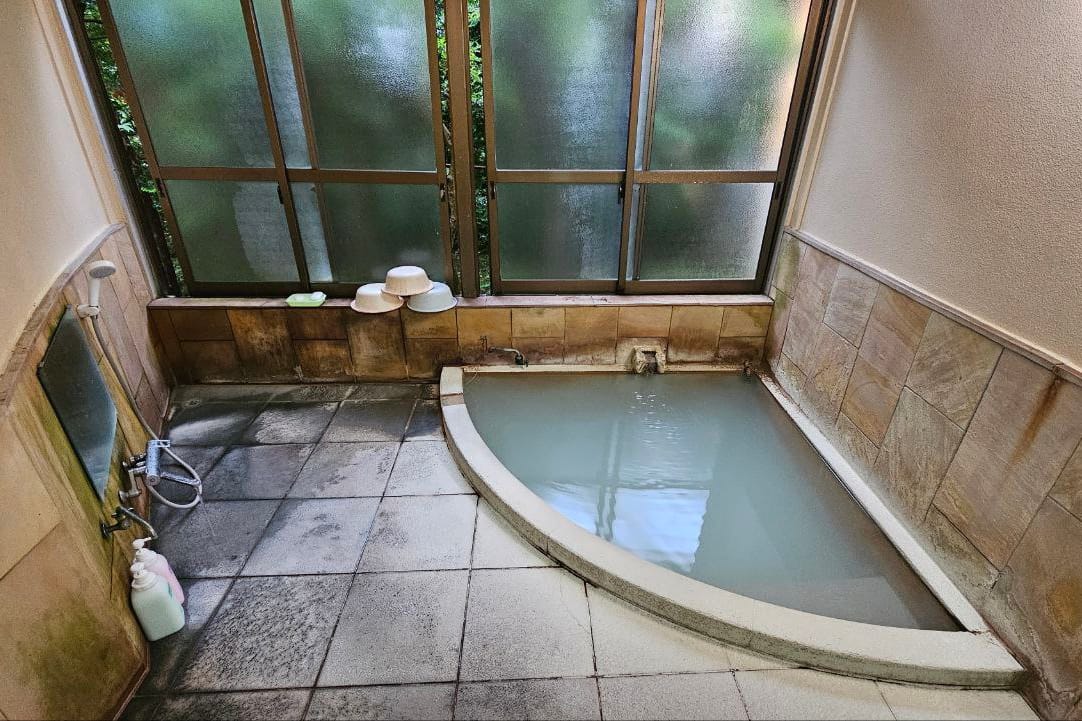
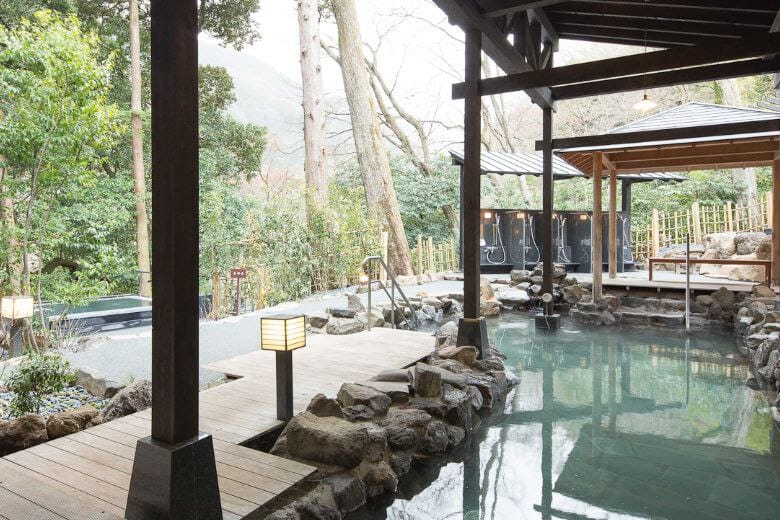
天山湯治郷
Kanagawa
 Bathing Complex
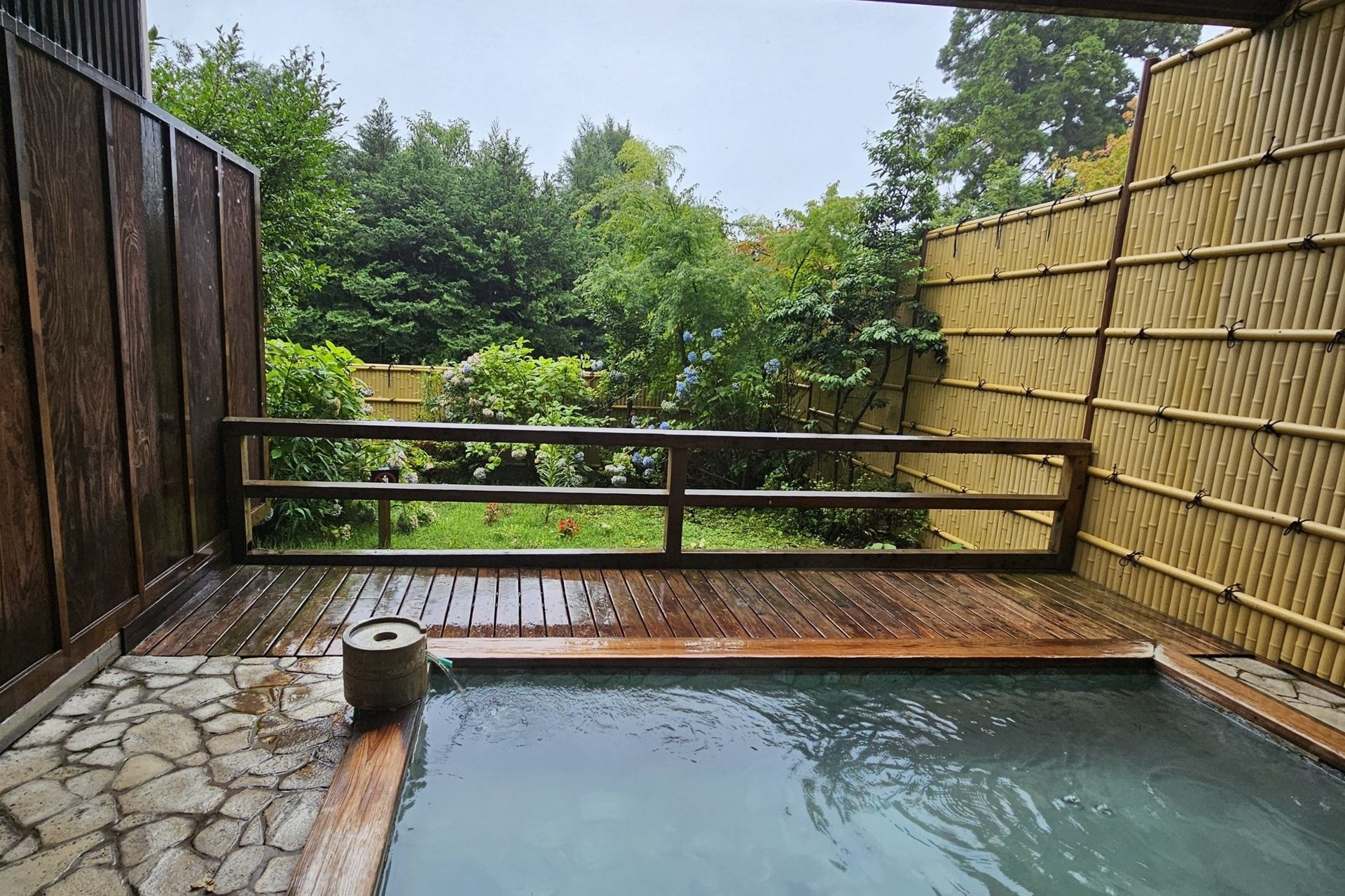
箱根湯寮
Kanagawa
 Lodging
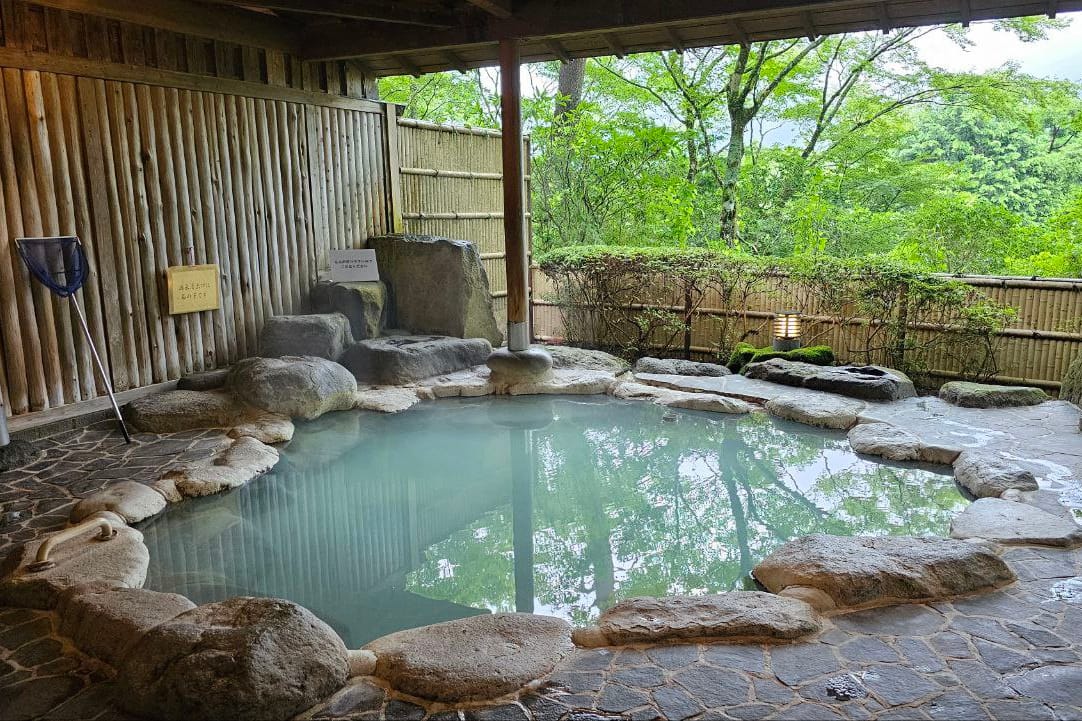
いやしの宿楽々花
Kanagawa
 Lodging
仙郷楼
Kanagawa
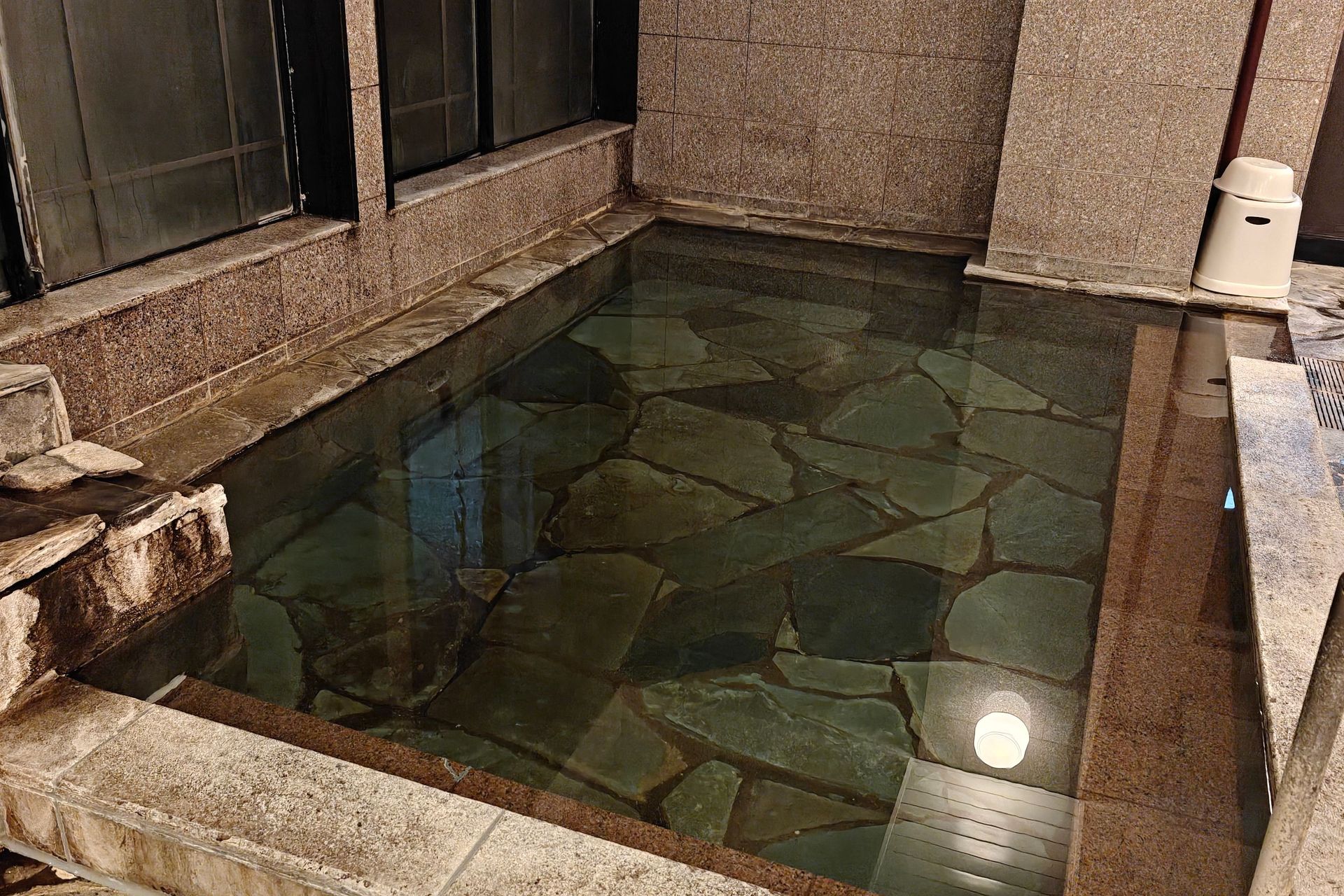
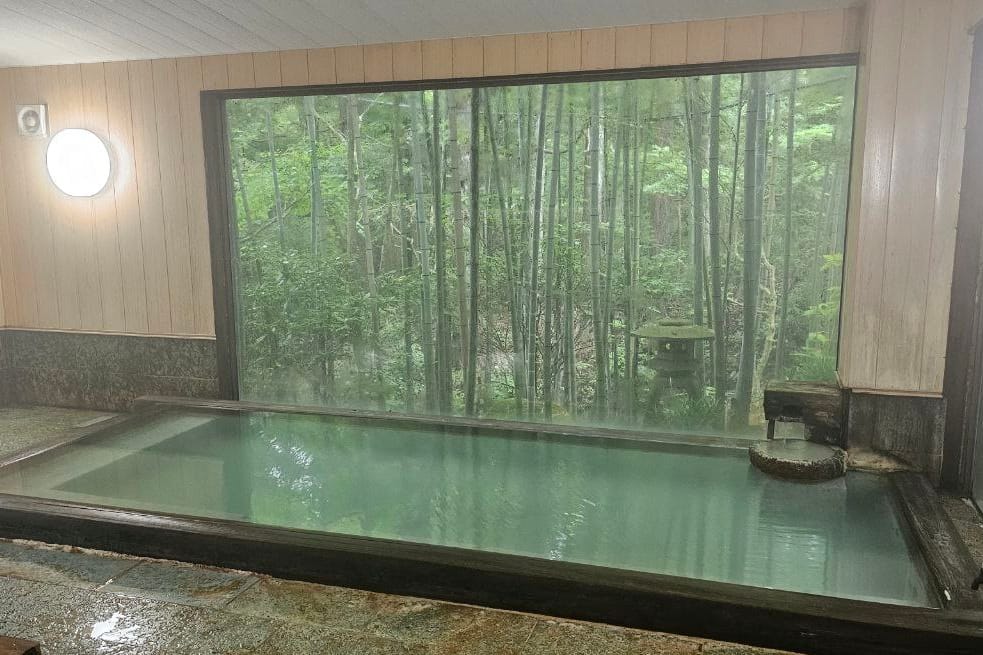
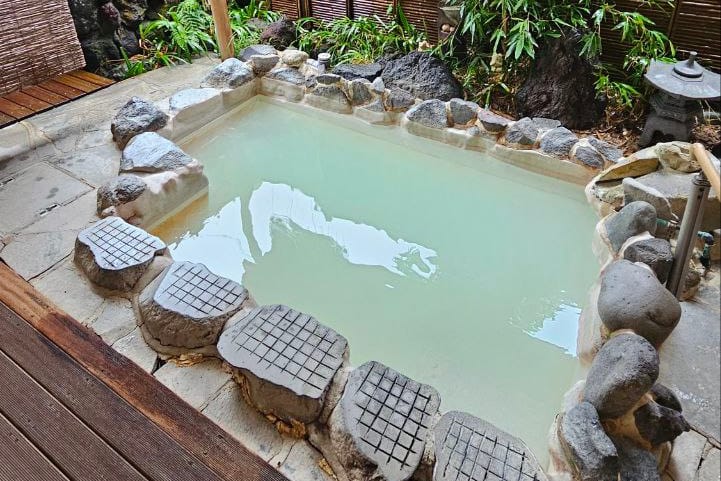 Lodging
桐谷 箱根荘
Kanagawa
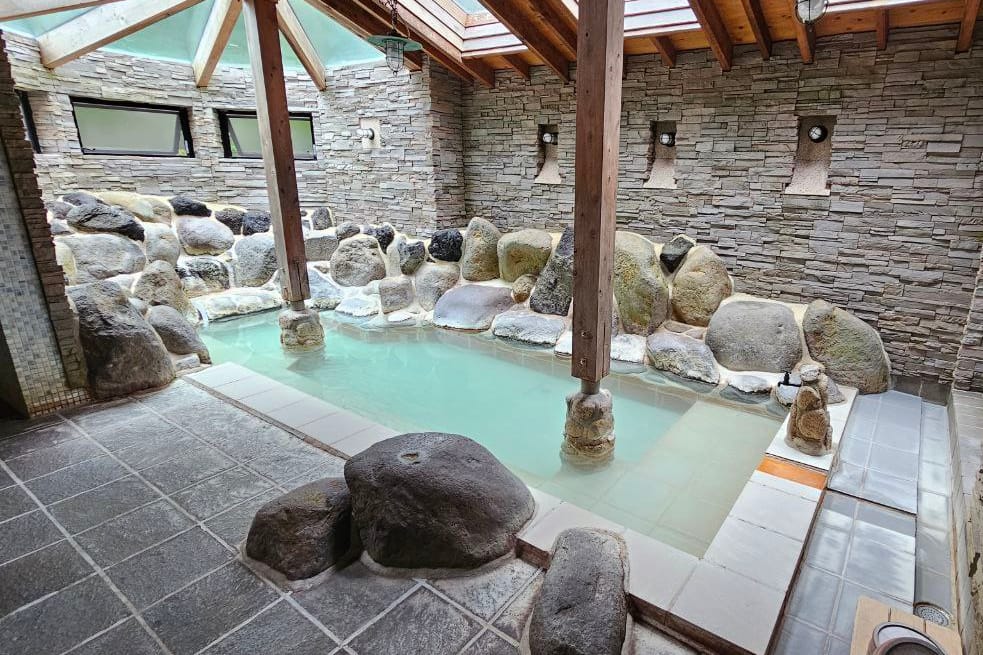
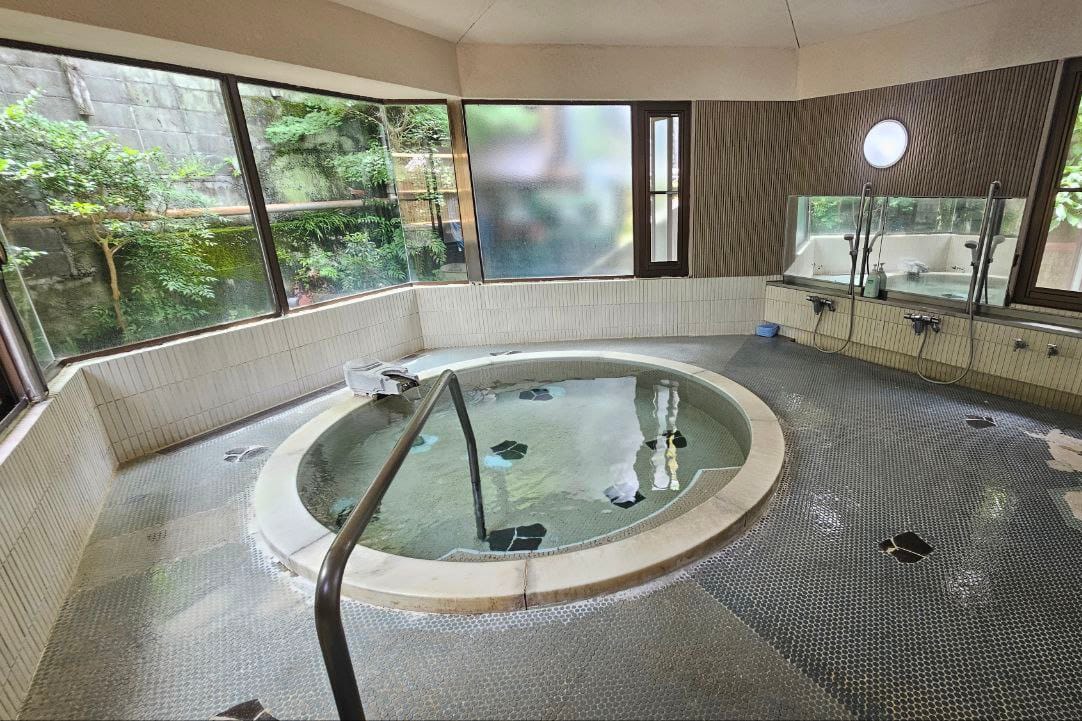 Public Bathhouse
姫之湯
Kanagawa
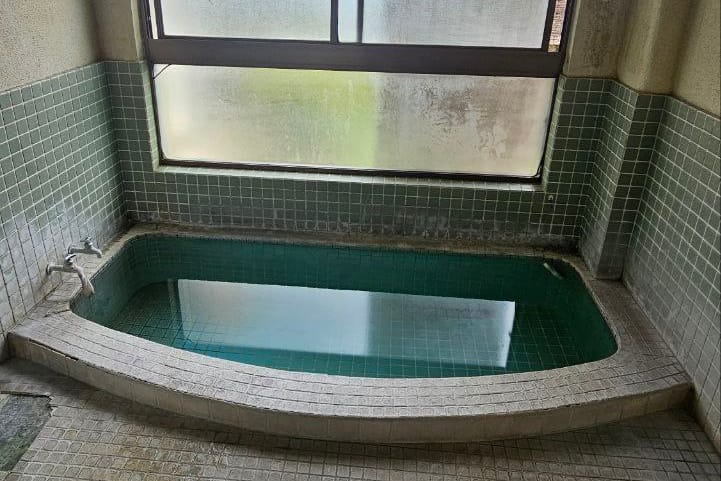 Public Bathhouse
亀の湯
Kanagawa
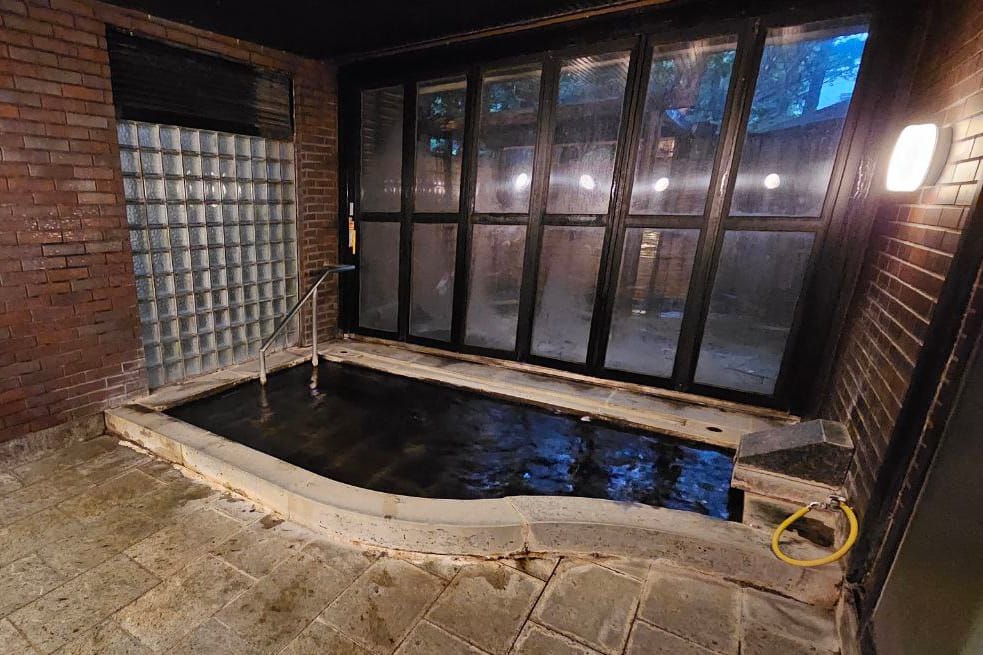
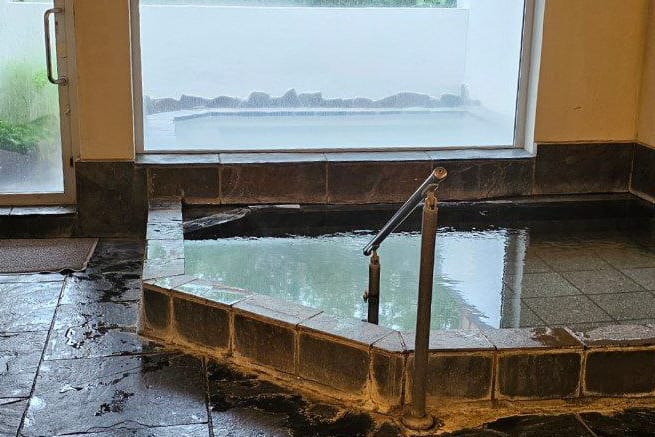
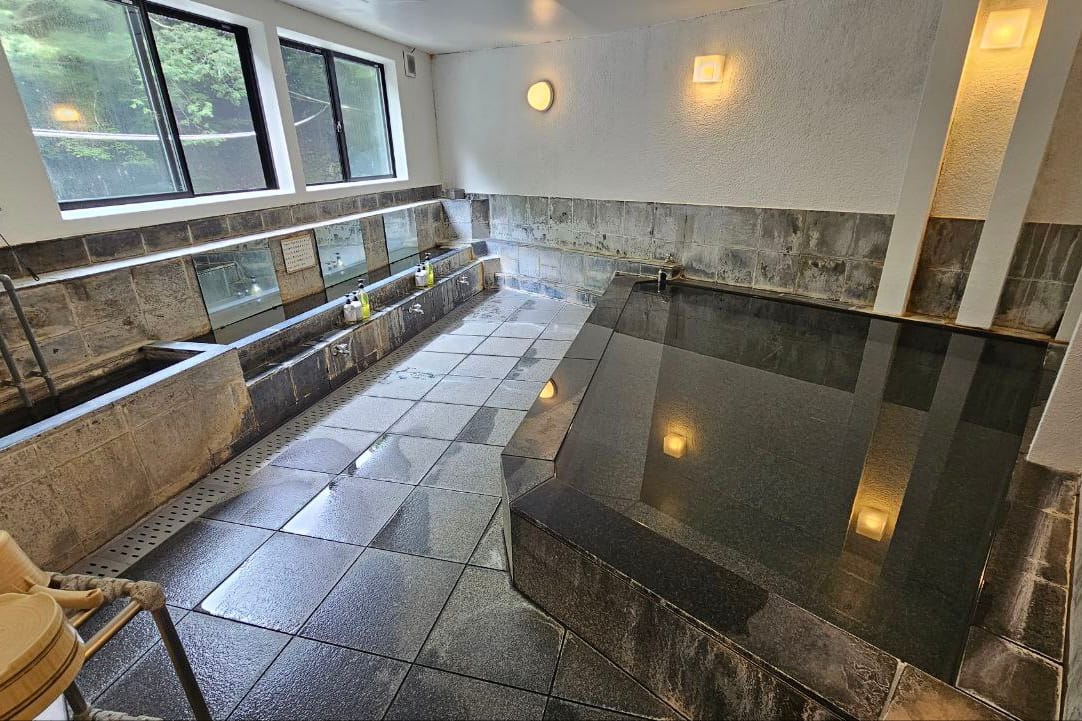
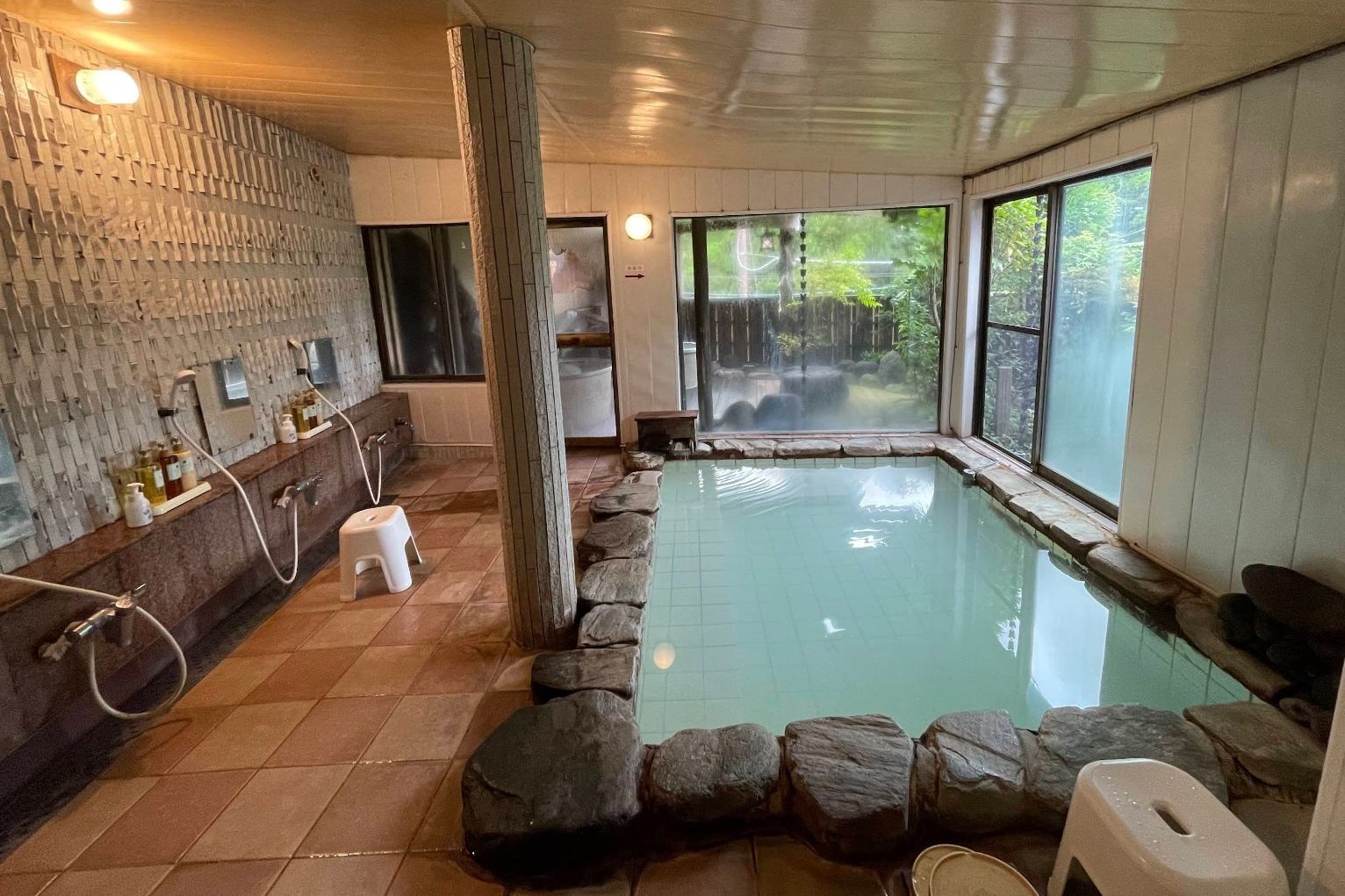 Lodging
白湯の宿 山田家
Kanagawa
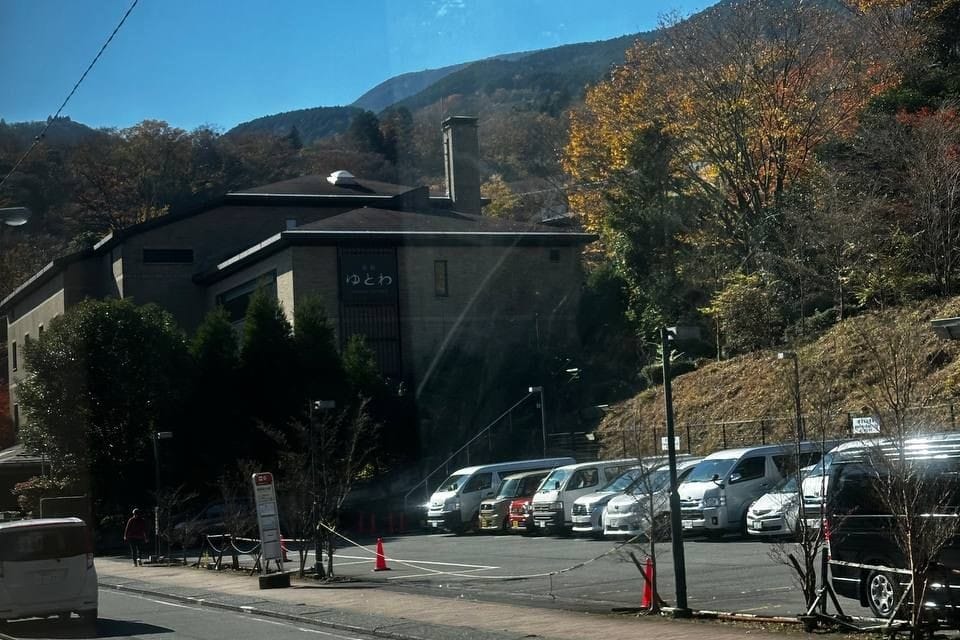 Lodging
箱根 ゆとわ
Kanagawa
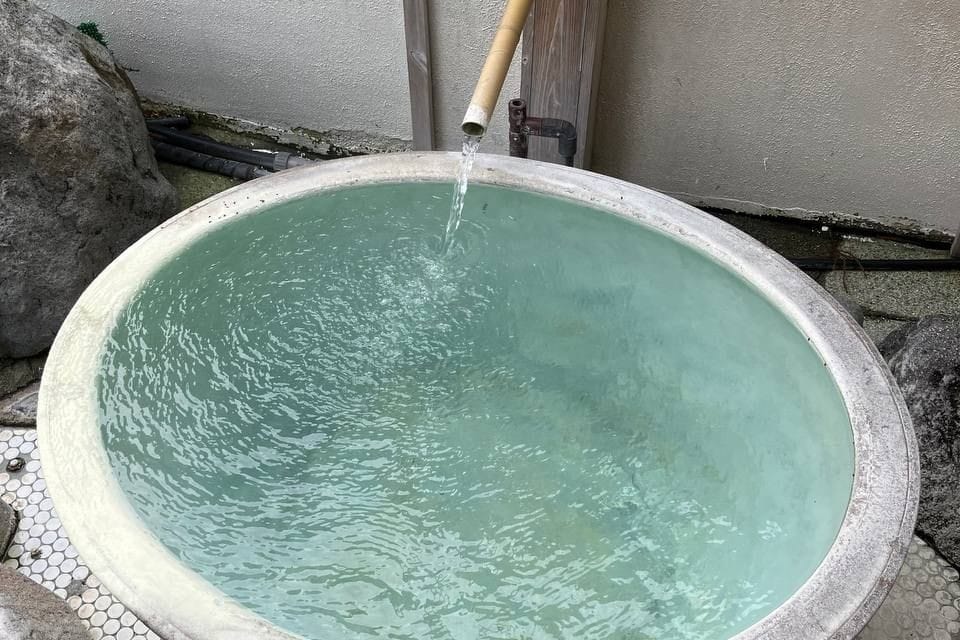
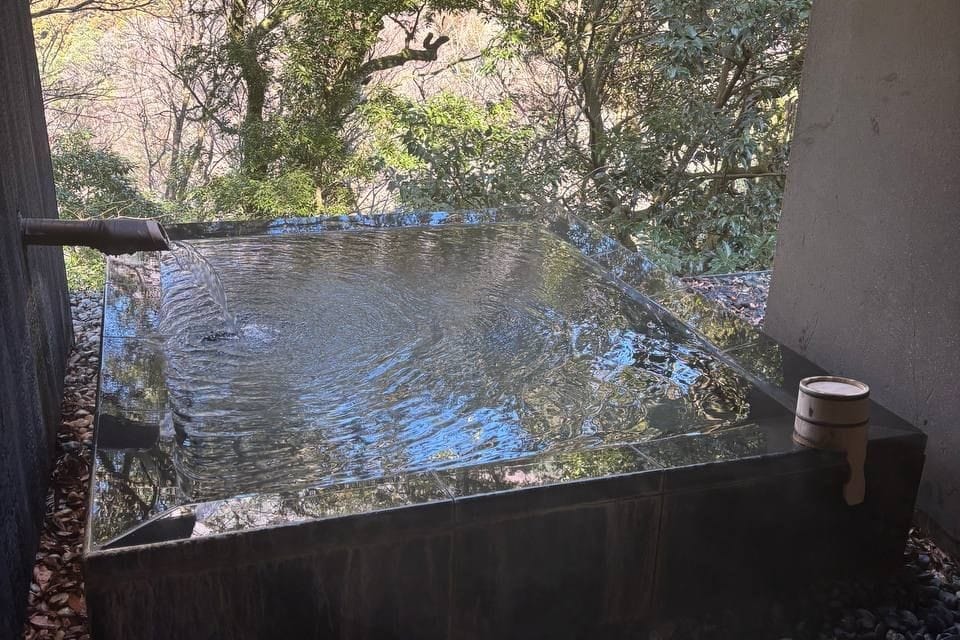 Lodging
箱根吟遊
Kanagawa
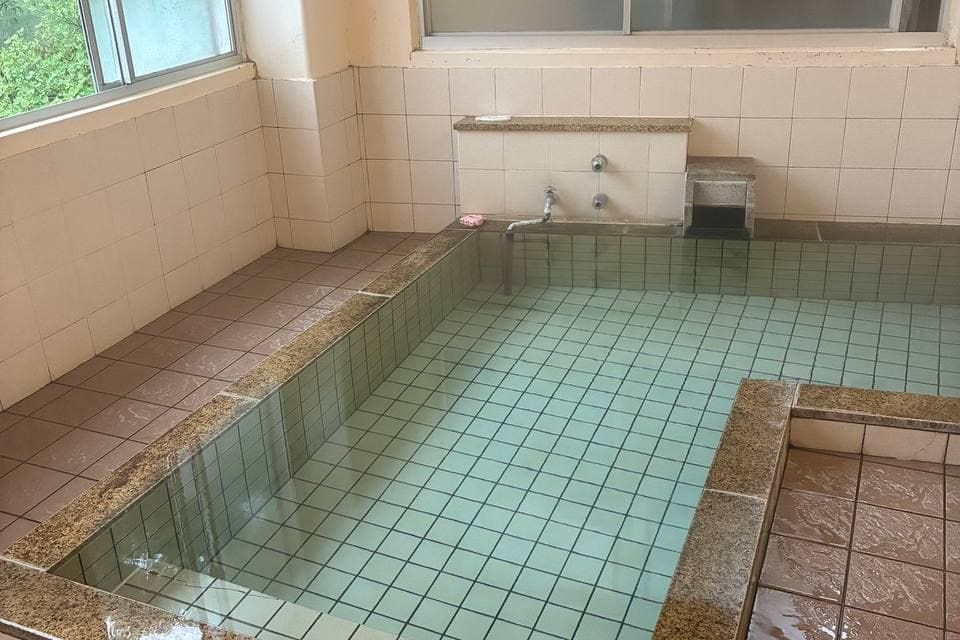 Public Bathhouse
太閤湯
Kanagawa
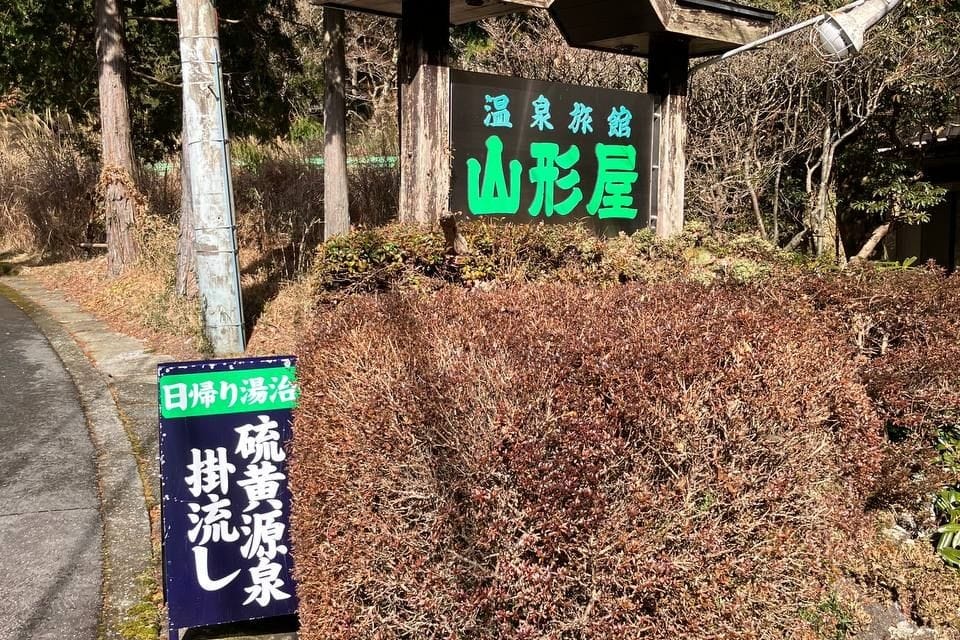 Lodging
山形屋旅館
Kanagawa
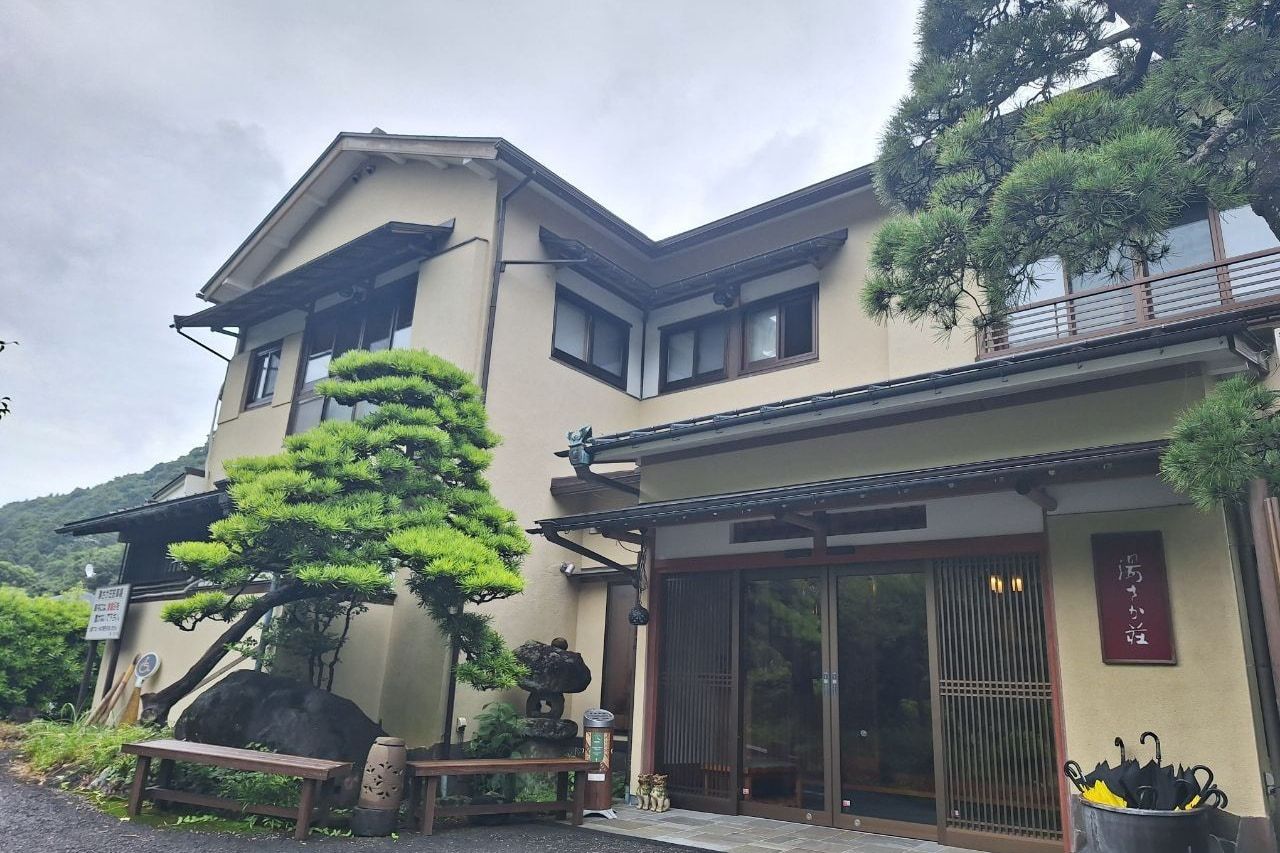 Lodging
温泉旅館湯さか荘
Kanagawa
旅館あうら橘
Kanagawa
箱根藍瑠
Kanagawa
箱根ホテル
Kanagawa
箱根 花紋
Kanagawa
箱根の森おかだ
Kanagawa
箱根水明荘
Kanagawa
箱根・芦ノ湖 はなをり
Kanagawa
箱根湯本温泉 河鹿荘
Kanagawa
ホテル南風荘
Kanagawa
ホテルおかだ
Kanagawa
ホテルおくゆもと
Kanagawa
かっぱ天国
Kanagawa
喜仙荘
Kanagawa
民宿みたけ
Kanagawa
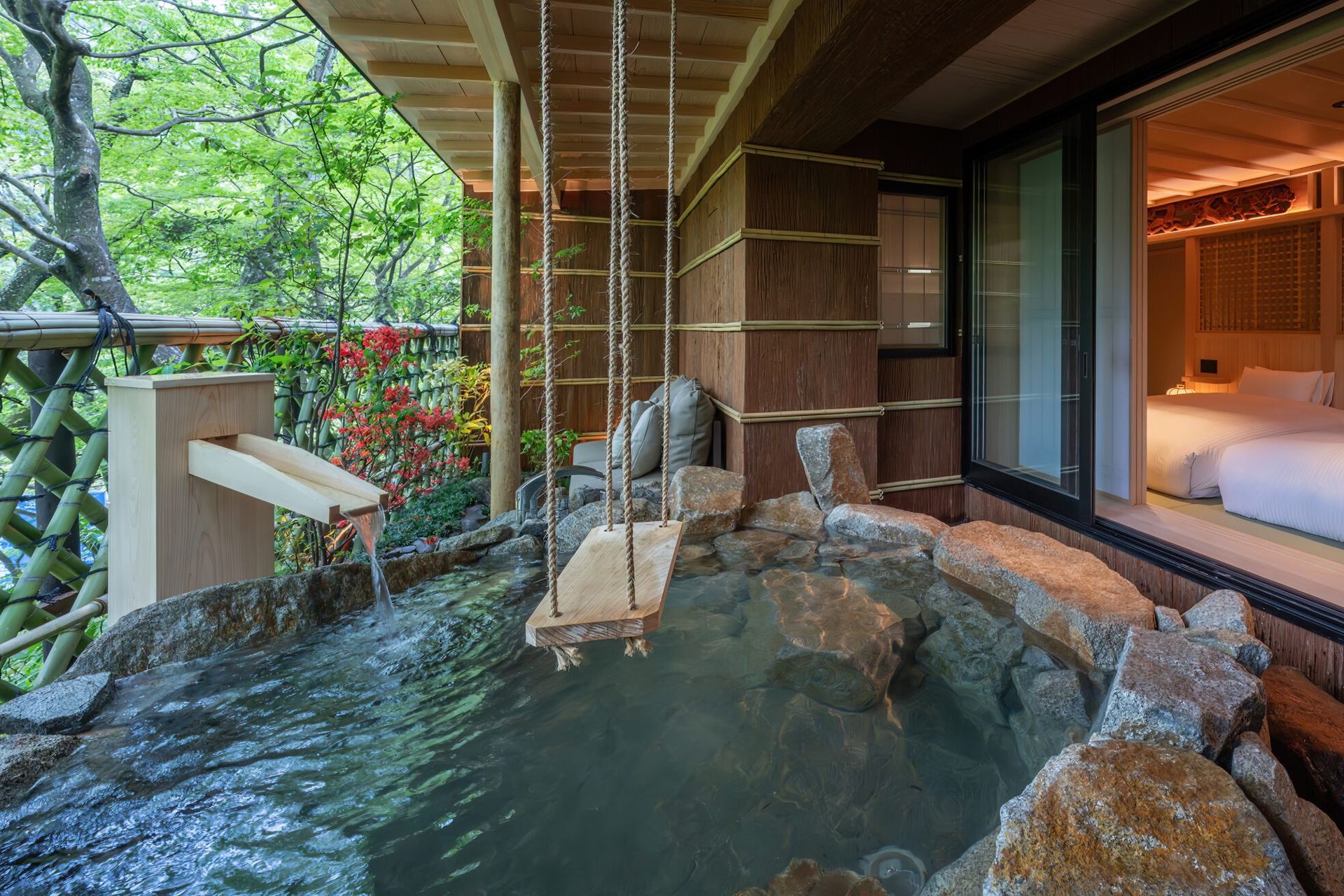
静観荘
Kanagawa
箱根湯本温泉 ホテル仙景
Kanagawa
天成園
Kanagawa
天翠茶寮
Kanagawa
富士屋ホテル
Kanagawa
月廼屋旅館
Kanagawa
結いの宿 彌榮館
Kanagawa
吉池旅館
Kanagawa
On the map
Loading map…
Nearby onsenchi
Within 50 kmSources
- Hakone Onsen Ryokan & Hotel Cooperative Associationofficial— Member directory for the six sub-areas (Yumoto/Tonosawa, Miyanoshita/Kowakudani, Gora, Sengokuhara, Ashinoko, Hakone Zenzan).
- Hakone Town Tourism Association — Hakone Jushichi-yuofficial— Municipal source for the seventeen-spring list, opening dates, and area characteristics.
- Hakone Japan — The 17 Hot Springs of Hakoneofficial— Tourism board page covering the 1811 guidebook and the Edo-to-Meiji expansion.
- Hakone Onsen — Wikipedia (EN)— General reference for the founding legend, the Tokaido role, and the 1919 Tozan line.
- The Historic Fujiya — Hakone Japanofficial— Source for the 1878 Fujiya Hotel founding and the list of foreign guests.