

Hakone Onsen箱根温泉
Mountain resort town in Fuji-Hakone-Izu National Park, with Hakone-Yumoto, Miyanoshita, Gora, Sengokuhara and a dozen more sub-areas spread across the caldera.
Places in this area
71 placesBest reviewed first. The tabs narrow the list; every place is on the map.
- Tenzan Onsen
天山湯治郷
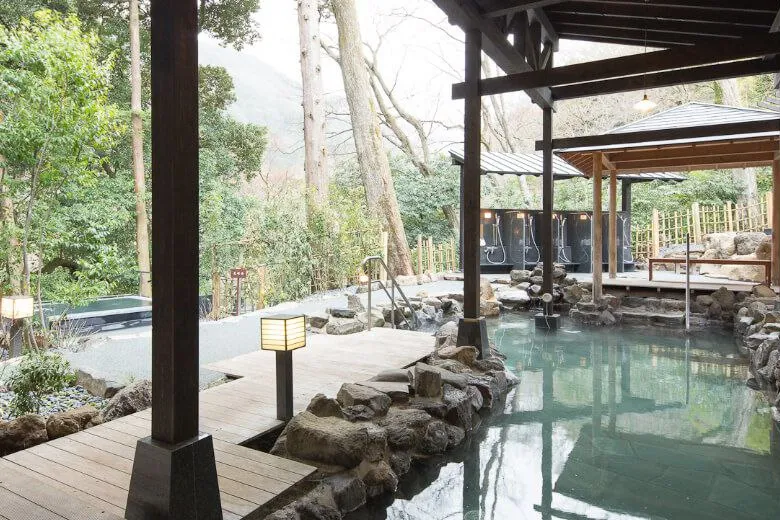
Bathing ComplexNatural onsen waterHakoneyumoto Onsen5.0(2)- Day use, hours not recorded
- Tattoos allowed
- Private bath, day visitors can book
- Outdoor bath
- Chloride spring, 70°C at the source
- Hakone Kowakien Ten-yu
箱根小涌園 天悠
LodgingNatural onsen waterKowakidani Onsen5.0(1)- Overnight guests only
- No tattoos
- Outdoor bath
- Chloride spring, pH 7.4, 77°C at the source
- Ryokan Masuya
箱根仙石原温泉 万寿屋旅館
LodgingNatural onsen waterSengokuhara Onsen4.0(2)- Day use 10:30–15:30
- ¥900 for a day bath
- Private bath
- Acidic spring, pH 2.1, 6°C at the source
- Hakone Yuryo
箱根湯寮
Bathing ComplexNatural onsen waterTonosawa Onsen4.0(1)- Day use 10:00–20:00
- ¥1,700 for a day bath
- Tattoos allowed
- Private bath, day visitors can book
- Outdoor bath
- Simple spring, pH 8.8, 40°C at the source
- Lalaca
いやしの宿楽々花
LodgingNatural onsen waterGora Onsen4.0(1)- Day use 12:00–15:30
- ¥1,200 for a day bath
- Private bath
- Outdoor bath
- Acidic spring, pH 2.5, 56°C at the source
- Senkyoro
仙郷楼
LodgingNatural onsen waterSengokuhara Onsen4.0(1)- Overnight guests only
- Private bath
- Outdoor bath
- Acidic spring, pH 2.1, 61°C at the source
- Gora Hotel Paipu no Kemuri
箱根強羅ホテルパイプのけむりプラス
LodgingNatural onsen waterGora Onsen3.0(1)- Private bath
- Outdoor bath
- Chloride spring, pH 7.3, 56°C at the source
- Hakone Onsen Sanso Nakamura
箱根温泉山荘 なかむら
LodgingNatural onsen waterSengokuhara Onsen3.0(1)- Day use 10:00–15:00
- ¥1,000 for a day bath
- Tattoos allowed
- Acidic spring, pH 2.1, 61°C at the source
- Kiritani Hakoneso
桐谷 箱根荘
LodgingNatural onsen waterGora Onsen3.0(1)- Day use 12:30–17:00
- ¥1,800 for a day bath
- Private bath
- Outdoor bath
- Acidic spring, pH 2.5, 56°C at the source
- Kokuminshukusha Hakonetaiyosanso
国民宿舎 箱根太陽山荘
LodgingNatural onsen waterGora Onsen3.0(1)- Day use 11:00–15:00
- ¥1,200 for a day bath
- Acidic spring, pH 2.1, 61°C at the source
- Mount View Hakone
マウントビュー箱根
LodgingNatural onsen waterSengokuhara Onsen3.0(1)- Day use 11:00–15:00
- ¥1,200 for a day bath
- Private bath
- Outdoor bath
- Acidic spring, pH 2.1, 61°C at the source
- Onsen Hotel Gorakan
温泉ホテル強羅館
LodgingNatural onsen waterGora Onsen3.0(1)- Day use 10:00–18:00
- ¥1,000 for a day bath
- Tattoos allowed
- Private bath
- Outdoor bath
- Acidic spring, pH 2.2, 59°C at the source
- Re Cove Hakone
EN RESORT Re'Cove Hakone (ENリゾート リ・カーヴ箱根)
LodgingNatural onsen waterSengokuhara Onsen3.0(1)- Day use 15:00–20:00
- ¥1,700 for a day bath
- No tattoos
- Outdoor bath
- Acidic spring, pH 2.1, 61°C at the source
- Susukinohara Ichinoyu
ススキの原 一の湯
LodgingNatural onsen waterSengokuhara Onsen3.0(1)- Day use 13:00–20:00
- ¥1,400 for a day bath
- Outdoor bath
- Simple spring, pH 9.2, 65°C at the source
- Himenoyu
姫之湯
Public BathhouseNatural onsen waterOhiradai Onsen2.0(1)- Day use 09:00–19:30
- ¥650 for a day bath
- Simple spring, pH 9.1, 52°C at the source
- Kame No Yu
亀の湯
Public BathhouseNatural onsen waterNinotaira Onsen2.0(1)- Day use 11:00–19:00
- ¥650 for a day bath
- Private bath, day visitors can book
- Bicarbonate spring, pH 8.6, 59°C at the source
- Sengokukogen Daihakoneichinoyu
仙石高原大箱根一の湯
LodgingNatural onsen waterSengokuhara Onsen2.0(1)- Day use 13:00–20:00
- ¥1,400 for a day bath
- Private bath
- Outdoor bath
- Simple spring, 61°C at the source
- Shinanoki Ichinoyu
仙石原品の木一の湯
LodgingNatural onsen waterSengokuhara Onsen2.0(1)- Day use 13:00–20:00
- ¥1,400 for a day bath
- No tattoos
- Outdoor bath
- Acidic spring, pH 2.1, 61°C at the source
- Tonosawa Ichinoyu Honkan
塔ノ沢一の湯 本館
LodgingNatural onsen waterTonosawa Onsen2.0(1)- Day use 13:00–20:00
- Tattoos allowed
- Private bath
- Outdoor bath
- Simple spring, pH 9.1, 48°C at the source
- Yamadaya
白湯の宿 山田家
LodgingNatural onsen waterGora Onsen2.0(1)- Day use 12:00–16:00
- ¥1,300 for a day bath
- Private bath
- Outdoor bath
- Acidic spring, pH 2.1, 61°C at the source
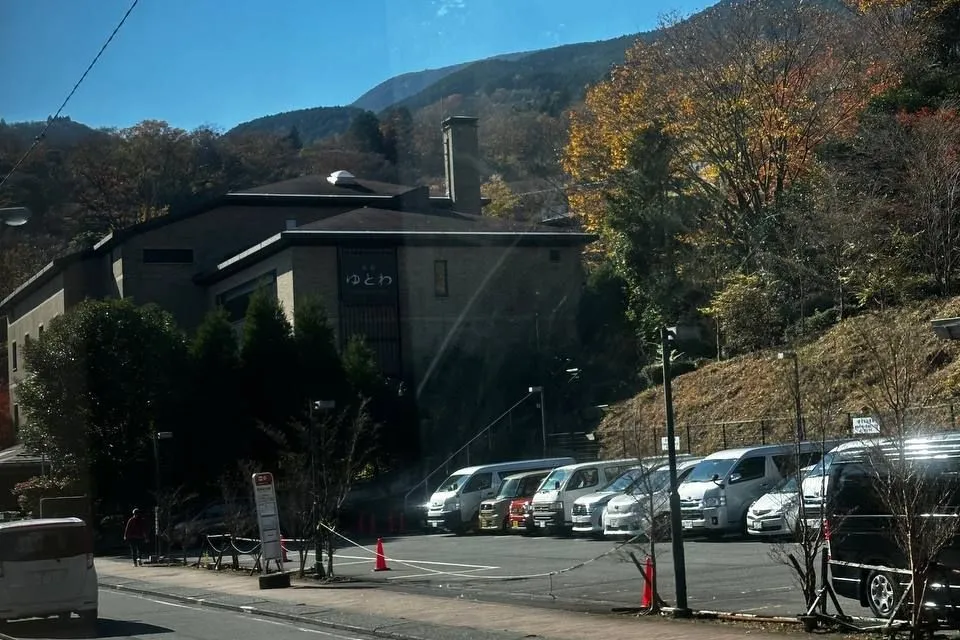
- Hakone Yutowa
箱根 ゆとわ
LodgingNatural onsen waterGora Onsen2 reviews- Day use 13:00–17:00
- ¥1,500 for a day bath
- No tattoos
- Private bath
- Chloride spring, pH 8.3, 84°C at the source
- Kinokuniya Ryokan
箱根芦之湯温泉 きのくにや旅館
LodgingNatural onsen waterAshinoyu Onsen1 review- Day use 12:00–17:00
- ¥1,500 for a day bath
- Private bath
- Outdoor bath
- Ryokan Hakone Ginyu
箱根吟遊
LodgingNatural onsen waterMiyanoshita Onsen1 review- Day use 10:00–20:00
- ¥1,700 for a day bath
- Private bath
- Outdoor bath
- Chloride spring, pH 8.4, 53°C at the source
- TAIKOUYU
太閤湯
Public BathhouseNatural onsen waterMiyanoshita Onsen1 review- Day use, hours not recorded
- Chloride spring, pH 7.8, 64°C at the source
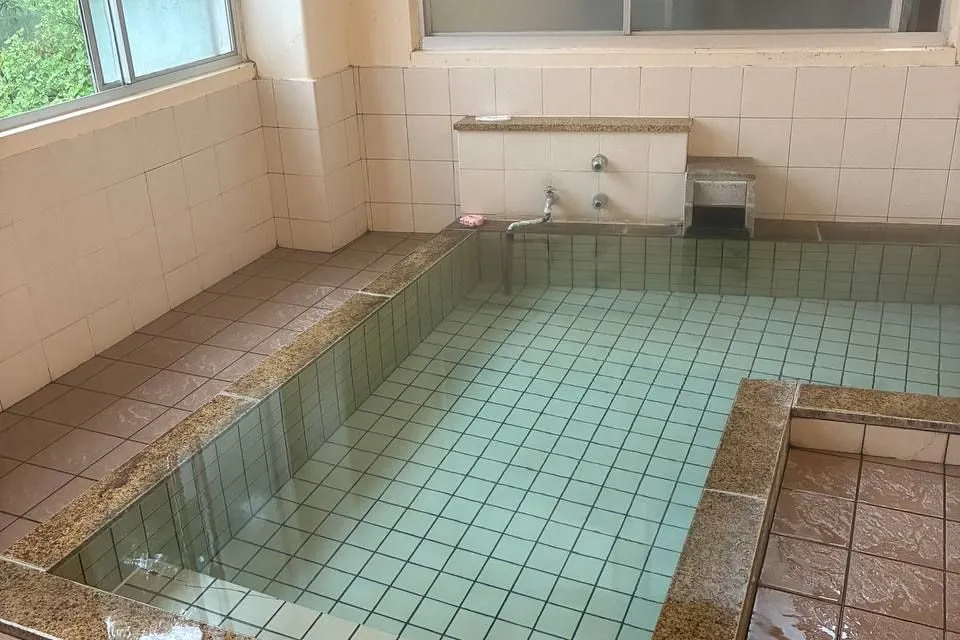
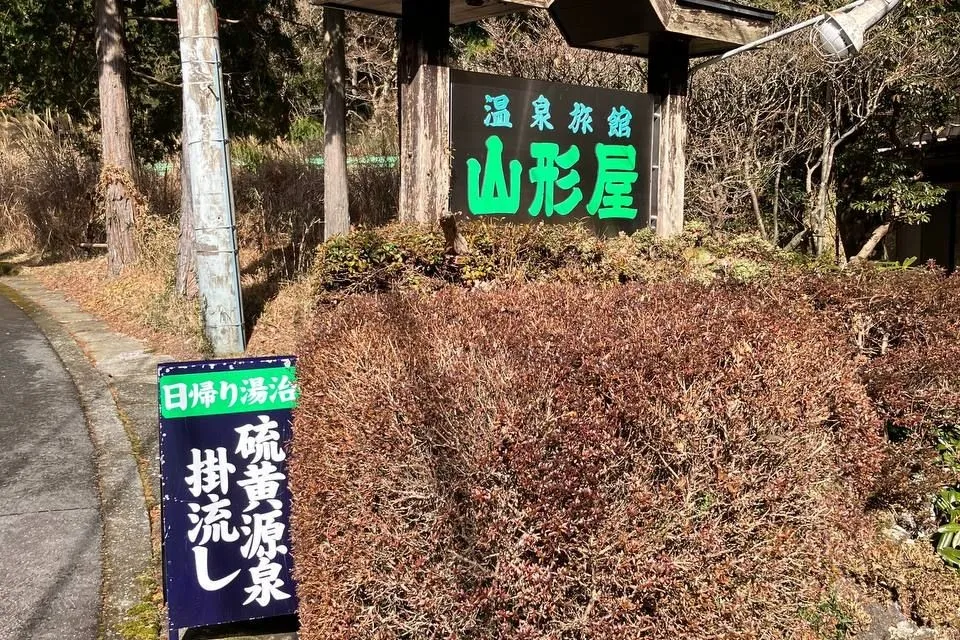
- Yamagataya Inn
山形屋旅館
LodgingNatural onsen waterAshinoyu Onsen1 review- Day use, hours not recorded
- Sulfur spring, pH 5.4, 78°C at the source
- 4 Seasons Club Hakone Star Of Home
四季倶楽部 箱根星の家
LodgingNatural onsen waterMiyaginonsenkaikan Onsen- Day use 16:00–23:00
- ¥1,100 for a day bath
- Aura Tachibana
旅館あうら橘
LodgingNatural onsen waterHakoneyumoto Onsen- Day use 15:00–22:00
- Private bath
- Outdoor bath
- Gora Nigorinoyu Yado Nou Nou Hakone
強羅にごりの湯宿 のうのう箱根
LodgingNatural onsen waterGora Onsen- Private bath
- Outdoor bath
- Hakone Hotel
箱根ホテル
LodgingNatural onsen waterAshinoko Onsen - Hakone Kamon
箱根 花紋
LodgingNatural onsen waterHakoneyumoto Onsen- Day use 10:30–17:00
- ¥1,980 for a day bath
- No tattoos
- Private bath
- Outdoor bath
- Hakone Kowakudani Onsen Mizunooto
水の音
LodgingNatural onsen waterKowakidani Onsen- Private bath
- Outdoor bath
- Hakone Nanase ( Kyu ・ Mana Tei Hakone )
アートと音楽のホテル 真奈邸 箱根
LodgingNatural onsen waterMiyanoshita Onsen- Private bath
- Outdoor bath
- Hakone Pax Yoshino
箱根パークス吉野
LodgingNatural onsen waterHakoneyumoto Onsen- Day use, hours not recorded
- No tattoos
- Private bath
- Outdoor bath
- Hakone Suimeisou
箱根水明荘
LodgingNatural onsen waterHakoneyumoto Onsen- Overnight guests only
- Private bath
- Outdoor bath
- Hakone Yumoto Onsen Komorebi no Yado Furusato
Hakone Yumoto Onsen Komorebi no Yado Furusato
LodgingNatural onsen waterTonosawa Onsen- Overnight guests only
- Hanaori
箱根・芦ノ湖 はなをり
LodgingNatural onsen waterUbako Onsen- Overnight guests only
- Private bath
- Outdoor bath
- Hotel Green Plaza Hakone
ホテルグリーンプラザ箱根
LodgingNatural onsen waterUbako Onsen- Day use 13:00–18:00
- ¥1,600 for a day bath
- No tattoos
- Outdoor bath
- Hotel Kajikaso
箱根湯本温泉 河鹿荘
LodgingNatural onsen waterHakoneyumoto Onsen- Overnight guests only
- Outdoor bath
- Hotellerie Maille Coeur Shougetsu
ホテル マイユクール 祥月
LodgingNatural onsen waterHakoneyumoto Onsen- Day use, hours not recorded
- ¥1,800 for a day bath
- No tattoos
- Outdoor bath
- Hotel Nanpuso
ホテル南風荘
LodgingNatural onsen waterHakoneyumoto Onsen- Day use, hours not recorded
- No tattoos
- Outdoor bath
- Kappa Tengoku
かっぱ天国
LodgingNatural onsen waterHakoneyumoto Onsen- Day use 10:00–20:00
- ¥900 for a day bath
- Private bath
- Outdoor bath
- Merveille Hakone Gora
メルヴェール箱根強羅
LodgingNatural onsen waterGora Onsen- Day use 13:00–18:00
- ¥1,550 for a day bath
- Odakyu Hotel Hatsuhana
はつはな
LodgingNatural onsen waterHakoneyumoto Onsen- Overnight guests only
- Tattoos with conditions
- Private bath
- Outdoor bath
- Sengokuhara Bettei Fuga
箱根風雅
LodgingNatural onsen waterSengokuhara Onsen- Overnight guests only
- Private bath
- Outdoor bath
- Superb View Day Trip Hot Spring Dragon Palace Main Building
絶景日帰り温泉 龍宮殿本館
OtherNatural onsen waterTakogawa Onsen- Day use 09:00–20:00
- ¥2,300 for a day bath
- No tattoos
- Outdoor bath
- Tenseien
天成園
LodgingNatural onsen waterHakoneyumoto Onsen- Day use 10:00–09:00
- No tattoos
- Private bath
- Outdoor bath
- THE FUJIYA HOTEL
富士屋ホテル
LodgingNatural onsen waterMiyanoshita Onsen- Day use, hours not recorded
- Private bath, day visitors can book
- The Prince Hakone Lake Ashinoko
ザ・プリンス 箱根芦ノ湖
LodgingNatural onsen waterTakogawa Onsen- Overnight guests only
- No tattoos
- Outdoor bath
- Tsukinoya Ryokan
月廼屋旅館
LodgingNatural onsen waterMiyanoshita Onsen- Day use 10:00–22:00
- ¥1,040 for a day bath
- Private bath
- Outdoor bath
- Ubako Onsen Shumeikan
姥子温泉 秀明館
OtherNatural onsen waterUbako Onsen- Day use 10:00–17:00
- ¥1,500 for a day bath
- No tattoos
- Yamagaso
全五棟の(半)露天風呂付離れ 箱根湯本温泉 山家荘
LodgingNatural onsen waterHakoneyumoto Onsen- Tattoos with conditions
- Private bath
- Outdoor bath
- Yoshiike Ryokan
吉池旅館
LodgingNatural onsen waterHakoneyumoto Onsen- Day use 13:00–22:00
- ¥2,200 for a day bath
- Tattoos with conditions
- Private bath
- Outdoor bath
- Yumoto Fujiya Hotel
湯本富士屋ホテル
LodgingNatural onsen waterHakoneyumoto Onsen- Day use 12:00–20:00
- ¥2,000 for a day bath
- Private bath
- Outdoor bath
- Hotel Yumoto Hakone
箱根湯本ホテル
LodgingTemporarily ClosedNatural onsen waterHakoneyumoto Onsen- Outdoor bath
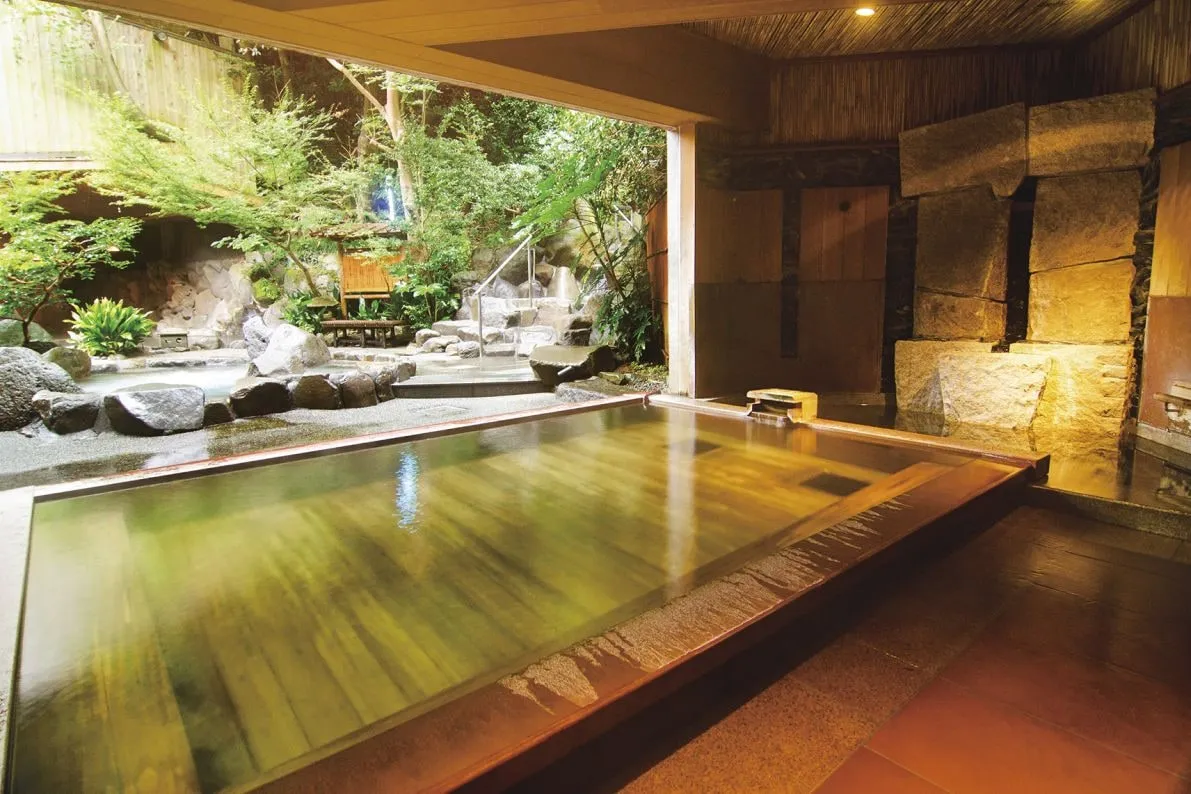
 Bathing Complex
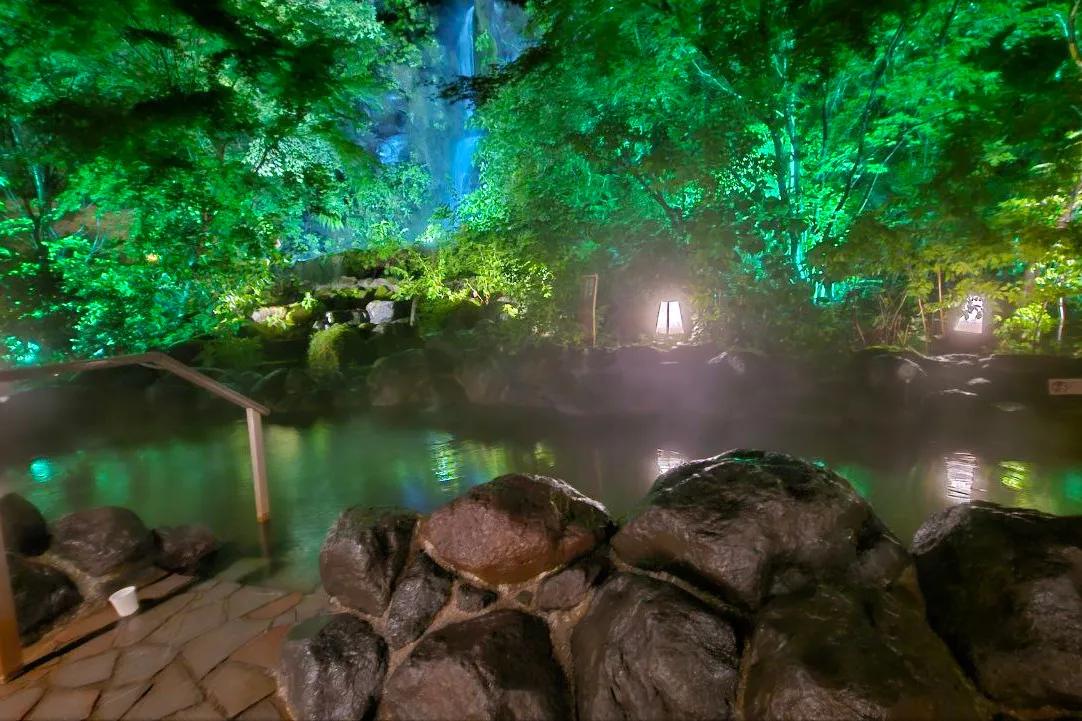
 Lodging
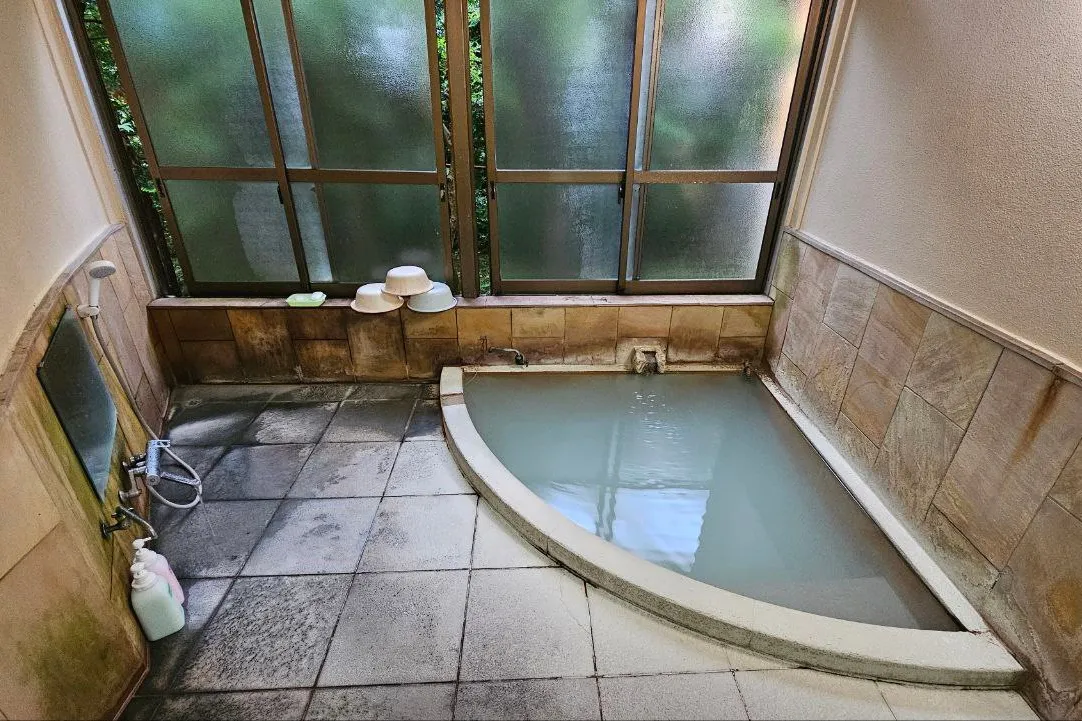
 Public Bathhouse
 Foot Bath
 Other
Districts
14 sub-areas within Hakone Onsen- Ashinoko Onsen芦ノ湖温泉2 places
- Ashinoyu Onsen芦之湯温泉2 places
- Gora Onsen強羅温泉11 places
- Hakoneyumoto Onsen箱根湯本温泉23 places
- Kowakidani Onsen小涌谷温泉3 places
- Miyaginonsenkaikan Onsen宮城野温泉1 place
- Miyanoshita Onsen宮ノ下温泉5 places
- Ninotaira Onsen二ノ平温泉1 place
- Ohiradai Onsen大平台温泉1 place
- Sengokuhara Onsen仙石原温泉9 places
- Sokokura Onsen底倉温泉1 place
- Takogawa Onsen蛸川温泉2 places
- Tonosawa Onsen塔之沢温泉4 places
- Ubako Onsen姥子温泉3 places
About Hakone Onsen
From a post town on the Tokaido
Hakone's oldest spring, at Yumoto, is traditionally dated to 738 (Tenpyo 10), attributed to a wandering Buddhist priest. The waters entered the national record only much later, when Toyotomi Hideyoshi's army rested in Sokokura during the 1590 Odawara campaign, and when the Tokugawa shogunate fixed the Tokaido highway through the mountains. By the Edo period seven onsen villages had coalesced into a known set, the 箱根七湯 (Hakone Nana-yu): Yumoto, Tonosawa, Dogashima, Miyanoshita, Sokokura, Kiga, and Ashinoyu. An 1811 guidebook catalogued each by smell, taste, temperature, and reputed cure. Tribute water was sent up the road to the shogun in Edo. After the Meiji opening, deeper drilling added Gora (admitted in 1919 with the new Hakone Tozan Railway), Kowakudani, Sengokuhara, Yunohanasawa, Ashinoko, and several more; together they form the modern roster of 箱根十七湯 (Hakone Jushichi-yu).
Seventeen springs, six distinct quarters
The seventeen are not one resort but a chain of villages strung along the caldera. Yumoto, where the Hayakawa and Sukumo rivers meet, is still the busiest gateway: most ryokan, most onsen sources, the steepest concentration of day-bath options and souvenir shops on the way up from the station. Tonosawa sits a single switchback above, known since the Edo era as a quieter literary quarter. Miyanoshita climbs higher, dominated by the Fujiya Hotel, opened in 1878 as one of the first Western-style hotels in Japan and a host over the decades to Charlie Chaplin, Helen Keller, Albert Einstein, and the Showa Emperor. Gora and Sengokuhara sit on the upper slopes, with broader skies and the open-air baths that catch Fuji on clear winter mornings. Ashinoyu and Ashinoko, ringing the lake at around 700–950 m, are the highest and the coldest in winter. Spring chemistry shifts noticeably across the chain, from the mild alkaline simple springs of Yumoto to the sulfur and acidic waters near Owakudani.
A landscape full of museums
Hakone is unusual among Japanese onsen towns for the density of its art institutions. The Hakone Open-Air Museum in Ninotaira (open since 1969) threads Henry Moore and Niki de Saint Phalle sculpture through the hillside; the Pola Museum of Art in Sengokuhara holds an Impressionist collection in a low building cut into the woods. Both pair naturally with a soak: a half-day of galleries, an evening in the bath.
What's in the water
The spring types on the analysis certificates (bunsekisho) of 24 places here, of 71.
- Acidic11
- Chloride6
- Simple5
- Bicarbonate1
- Sulfur1
Nearby onsenchi
Within 50 km- Yugawara Onsen湯河原温泉11 km, Kanagawa · 5 placesQuiet Kanagawa onsen in the foothills of the Hakone outer rim, on the Manyoshu-era list of historic baths. Plum blossoms in February.
- Atami Onsen熱海温泉16 km, Shizuoka · 13 placesSeaside city on the Izu Peninsula, an hour from Tokyo by Shinkansen. Coastal sodium chloride springs; fireworks over Sagami Bay in summer.
- Izunagaoka Onsen伊豆長岡温泉25 km, Shizuoka · 8 placesA hot-spring town on the central Izu plain, joining the ancient Kona spring, named in the Azuma Kagami and tied to the Hojo clan, with Meiji-era Nagaoka. Gentle alkaline "beauty water," Mt. Katsuragi's Fuji-and-Suruga-Bay views, and the Genji history of nearby Hirugakojima.
- Ito Onsen伊東温泉30 km, Shizuoka · 35 placesCoastal Izu resort with a long Edo-period bathing history. Famous for the wooden Tokaikan inn, sodium chloride springs, and fresh sashimi at the morning market.
Smaller onsen areas close by
Sources
- Hakone Onsen Ryokan & Hotel Cooperative AssociationofficialMember directory for the six sub-areas (Yumoto/Tonosawa, Miyanoshita/Kowakudani, Gora, Sengokuhara, Ashinoko, Hakone Zenzan).
- Hakone Town Tourism Association — Hakone Jushichi-yuofficialMunicipal source for the seventeen-spring list, opening dates, and area characteristics.
- Hakone Japan — The 17 Hot Springs of HakoneofficialTourism board page covering the 1811 guidebook and the Edo-to-Meiji expansion.
- Hakone Onsen — Wikipedia (EN)General reference for the founding legend, the Tokaido role, and the 1919 Tozan line.
- The Historic Fujiya — Hakone JapanofficialSource for the 1878 Fujiya Hotel founding and the list of foreign guests.